
Are you thinking about building a new home but unsure whether to choose stick built or modular construction? This decision can shape your entire building experience, costs, and even the final look of your house.
Understanding the key differences between stick built and modular homes will help you make a choice that fits your lifestyle, budget, and timeline. Keep reading to discover which option suits your needs best and how it can impact your dream home journey.
Stick Built Homes
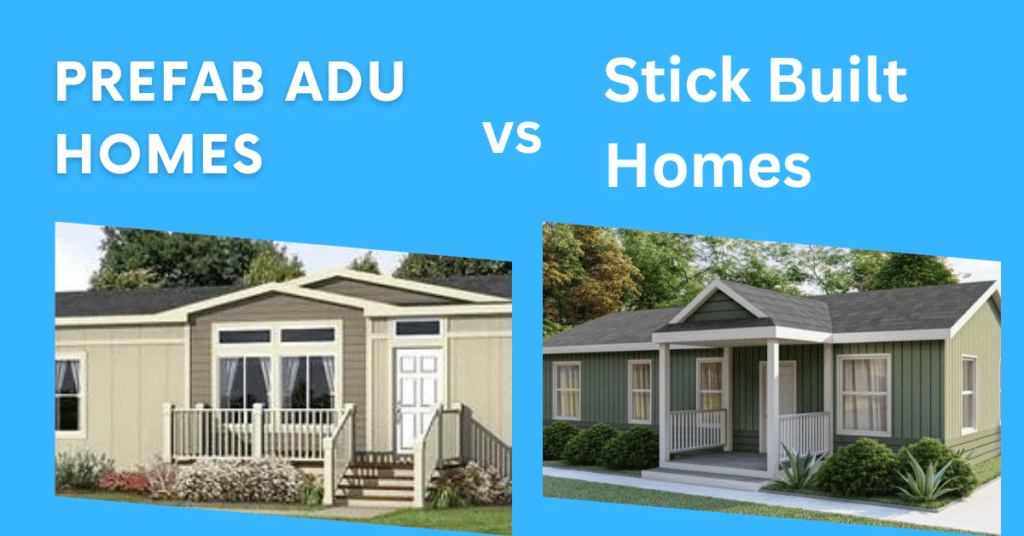
Stick built homes are traditional houses built directly on the site. Builders create the frame piece by piece using wood or metal studs. This method has been popular for many years and offers many benefits. Many people like stick built homes for their flexibility and strong structure.
Construction Process
Builders start with a foundation on the land. Then, they build the frame using wood or steel. The walls, roof, and floors are made step by step. Each part is built on site, allowing changes during construction. This process takes more time than other methods.
Customization Options
Stick built homes offer many choices for design. Homeowners can change layouts, room sizes, and styles easily. Builders can add special features like fireplaces or unique windows. This method suits people who want a personalized home. Changes are possible even during construction.
Material Quality
Materials in stick built homes vary by builder and budget. Wood is common, but steel frames are also used. Builders often choose high-quality materials for strength and durability. Homeowners can select premium options for floors, walls, and roofs. This helps create a strong and lasting home.
Cost Factors
Costs depend on size, materials, and design complexity. Labor costs are higher because work is done on site. Custom features also add to the price. Unexpected issues on site can increase costs. Overall, stick built homes may cost more than other types.
Construction Timeline
Building a stick built home usually takes several months. Weather and site conditions can cause delays. The process requires careful coordination of many tasks. Changes during construction can extend the timeline. Planning ahead helps keep the project on track.
Credit: dickinsonhomes.com
Modular Homes
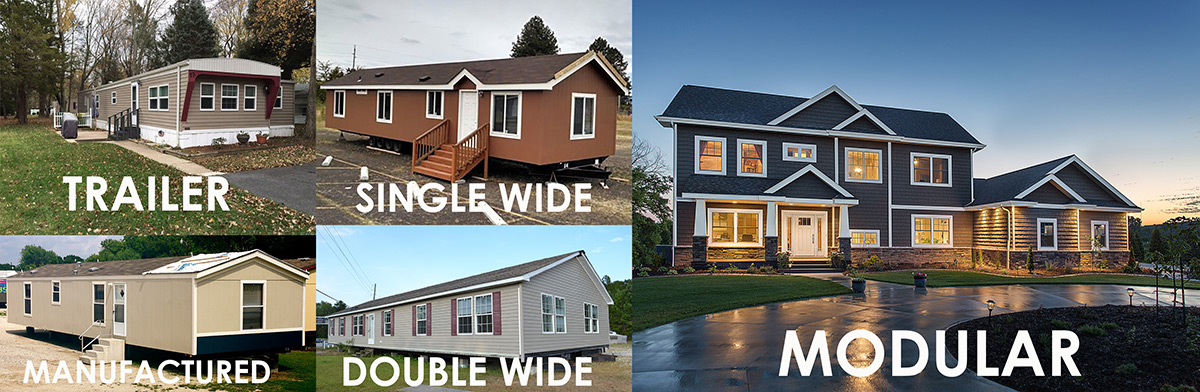
Modular homes offer a unique way to build houses faster and often with less hassle. These homes are made in sections, or modules, inside a factory. Then, builders move the modules to the site and put them together. This process can save time and reduce waste.
Building Method
Modules are built in a controlled factory setting. This method avoids weather delays and keeps materials safe. Each section is constructed to fit perfectly with others. Builders assemble these sections on a prepared foundation at the site.
Design Flexibility
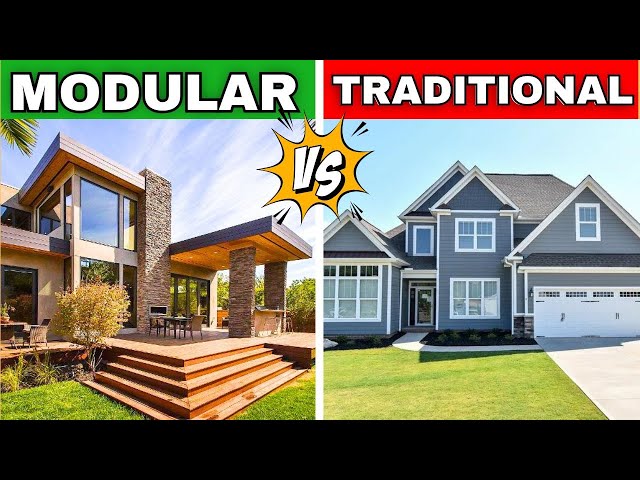
Modular homes come in many styles and sizes. Buyers can choose layouts and finishes that suit their needs. Some designs allow for future expansions. Though built in parts, these homes look like traditional houses.
Material Standards
Factories follow strict rules for materials and construction. This ensures strong, durable homes. Quality checks happen at every stage. These standards often match or exceed local building codes.
Pricing Considerations
Modular homes often cost less than stick-built homes. Factory production lowers labor and material waste costs. Shipping and assembly add to the price. Still, buyers may save money due to quicker completion.
Assembly Speed
Modules arrive ready to install on site. Builders join sections quickly, cutting construction time. This speed helps families move in sooner. Less time on site also reduces weather risks and extra expenses.
Comparing Durability
Durability is a key factor when choosing between stick built and modular homes. It affects how long your home lasts and how well it stands up to daily wear and tear. Understanding durability helps you make a smart decision for your investment and comfort.
Structural Integrity
Stick built homes are constructed piece by piece on site. This method allows for strong framing and custom design. Modular homes are built in factories using precise machines. Controlled environments ensure tight connections and solid frames. Both types meet strict building codes for safety and strength.
Weather Resistance
Stick built homes can be tailored to resist local weather conditions. Builders use materials suited for rain, wind, or snow. Modular homes are sealed tightly in factories, reducing gaps that let moisture in. Factory building reduces exposure to weather during construction. Both homes offer good protection from storms and harsh weather.
Maintenance Needs
Stick built homes may require more frequent checks for wear and damage. Site-built materials can expand or shrink with weather changes. Modular homes often have fewer weak spots due to factory precision. Regular maintenance is still necessary to keep both homes in good shape. Proper care extends the life of any home.
Energy Efficiency
Energy efficiency is a key factor in choosing between stick built and modular homes. It affects your utility bills and comfort. Both home types offer options to save energy and reduce waste. Understanding these options helps make a smart choice.
Insulation Options
Stick built homes allow custom insulation choices during construction. Builders can add thick layers of fiberglass, spray foam, or cellulose. Modular homes use factory-controlled insulation. This process ensures consistent application and fewer gaps. Both types can achieve strong insulation with modern materials.
Energy Savings
Modular homes often have tighter seals than stick built homes. This reduces air leaks and lowers heating and cooling costs. Stick built homes can match this efficiency with skilled labor. Energy-efficient windows and doors improve savings in both home types. Proper ventilation also helps maintain good air quality.
Sustainability Features
Modular homes often use recycled materials and create less waste. Factories recycle scraps and limit excess materials. Stick built homes offer flexibility to choose eco-friendly products. Solar panels, energy-efficient appliances, and water-saving fixtures fit both homes. These features reduce your home’s environmental impact.
Financing And Insurance
Financing and insurance are key factors in choosing between stick built and modular homes. Both types have unique aspects affecting loans, insurance costs, and resale value. Understanding these differences helps buyers make smart decisions.
Loan Availability
Stick built homes usually qualify for standard mortgage loans. Lenders often see them as less risky. Modular homes can also get loans but may need special financing. Some banks require a builder’s warranty or inspection. It can take longer to get approval for modular home loans.
Insurance Costs
Insurance rates depend on construction type and location. Stick built homes often have stable insurance costs. Modular homes might cost less to insure due to factory-built quality. Some insurers offer discounts for modular homes. Always compare quotes before deciding.
Resale Value
Stick built homes often hold value well over time. Buyers typically prefer traditional construction. Modular homes may have lower resale value initially. But well-maintained modular homes can appreciate too. Location and upgrades also affect resale price.
Location And Zoning
Choosing between stick built and modular homes involves considering location and zoning rules. These rules affect where you can build and what you can build. Understanding these factors helps avoid delays and extra costs. Location and zoning impact site preparation, local regulations, and land needs.
Site Preparation
Site preparation varies for stick built and modular homes. Stick built homes need a clear and level site before construction starts. Modular homes require a foundation ready for modules to be set. Both types need soil testing and proper drainage plans. Site prep costs differ depending on terrain and location.
Local Regulations
Local rules affect home construction significantly. Some areas restrict modular homes or require special permits. Stick built homes often follow traditional building codes. Modular homes must meet local codes after assembly. Checking local zoning laws avoids legal issues and fines.
Land Requirements
Land size and shape matter for both home types. Stick built homes can fit on irregular lots with custom designs. Modular homes need space for delivery and installation equipment. Some zones have minimum lot sizes or setback rules. Understanding land rules helps choose the right home type.
Choosing The Right Option
Choosing between stick built and modular homes means thinking about many factors. Each option has strengths and limits that affect your final choice.
Understanding your needs helps you pick the best fit for your family and budget. Let’s explore three key points to guide your decision.
Budget Considerations
Stick built homes often cost more due to longer build times and more labor. Modular homes usually have lower costs because they are made in factories. This means less waste and faster construction. Consider your budget carefully to avoid surprises.
Lifestyle Needs
Think about how you live daily. Stick built homes offer more design freedom and can fit unique land shapes. Modular homes are quicker to build and can be easier to customize with standard layouts. Choose the style that matches your daily routine and comfort.
Long-term Goals
Plan for the future. Stick built homes may increase in value more over time. Modular homes can be moved or expanded more easily. Think about how long you want to stay and what you want to do with the home later.
Credit: myadu4less.com
Credit: www.youtube.com
Frequently Asked Questions
What Is The Main Difference Between Stick Built And Modular Homes?
Stick built homes are built entirely on-site, while modular homes are made in sections at a factory. These sections are then transported and assembled on-site.
How Long Does It Take To Build Stick Built Vs Modular Homes?
Stick built homes usually take longer, often several months, due to on-site construction. Modular homes can be completed faster, often within a few weeks.
Which Type Of Home Is More Cost-effective: Stick Built Or Modular?
Modular homes tend to be more affordable because of factory efficiency and less material waste. Stick built homes can have higher labor and material costs.
Are Modular Homes Less Durable Than Stick Built Homes?
Modular homes must meet the same building codes as stick built homes, ensuring similar durability. Factory construction often improves quality control and precision.
Can I Customize A Modular Home Like A Stick Built Home?
Modular homes offer many design choices but may have some limitations compared to stick built homes. Stick built homes allow full customization on-site.
Do Modular Homes Appreciate In Value Like Stick Built Homes?
Both modular and stick built homes can increase in value over time. Proper maintenance and location affect home appreciation more than construction type.
Conclusion
Choosing between stick built and modular homes depends on your needs. Stick built homes offer more design freedom and customization. Modular homes provide faster construction and often lower costs. Both types have their strengths and suit different budgets and timelines.
Think about what matters most: time, price, or style. Take your time and weigh the options carefully. This way, you can find the home that fits your lifestyle best. The right choice makes all the difference.