
Are you trying to decide between Pothos and Philodendron for your home or office? Both plants look similar and are easy to care for, but they have unique traits that could make one a better fit for your space.
Choosing the right plant can brighten your room and improve your mood, but picking the wrong one can lead to frustration. Keep reading to discover the key differences that will help you make the best choice for your green corner.
Your perfect plant is just a few clicks away!
:max_bytes(150000):strip_icc()/DSC_0093-407d0e06b0784607af4b3f73f439226f.jpg)
Credit: www.thespruce.com
Plant Origins
Understanding the origins of plants helps us appreciate their beauty and care needs. Pothos and philodendrons are popular houseplants, loved for their lush leaves and easy growth. Both come from tropical areas but have different native habitats. Knowing where they come from explains why they thrive indoors and how to care for them well.
Where Pothos Comes From
Pothos plants originate from the Solomon Islands in the South Pacific. These islands have warm, humid climates with filtered sunlight. Pothos grows naturally as a climbing vine on trees in rainforests. This environment helps the plant develop its thick, waxy leaves that store water. The plant’s natural habitat gives clues about its light and moisture needs.
Philodendron’s Native Habitat
Philodendrons come from Central and South America. They grow in tropical rainforests with high humidity and indirect light. Philodendrons climb trees or spread across the forest floor. They adapt to shaded spots under the thick forest canopy. Their environment makes them tolerant of low light and helps explain their preference for moist soil.
Credit: www.ohiotropics.com
Leaf Shapes And Colors
Leaf shapes and colors define the beauty of Pothos and Philodendron plants. They bring life to any room with their rich green hues and unique designs. Both plants have many varieties, but their leaves tell different stories. Understanding these differences helps you choose the right plant for your space.
Pothos Leaf Varieties
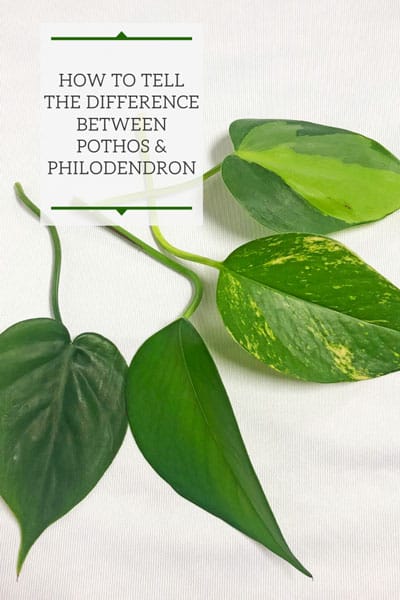
Pothos leaves are heart-shaped and usually glossy. They come in many colors, including green, yellow, and white. Some popular varieties show variegation with white or yellow patches. The Marble Queen Pothos has green and white marbled leaves. The Golden Pothos displays bright yellow streaks on its green leaves. Each leaf looks fresh and vibrant, perfect for brightening corners.
Philodendron Leaf Patterns
Philodendron leaves vary more in shape and size. Some have large, split leaves, while others are small and smooth. Their colors range from deep green to reddish tones. The Philodendron Brasil has green leaves with bright yellow stripes. The Monstera, a type of Philodendron, has famous holey leaves. These patterns add texture and style to any plant collection.
Growth Habits
Growth habits reveal how plants develop and thrive over time. Understanding these habits helps in choosing the right plant for your space. Both Pothos and Philodendron grow as vines but differ in their style and speed. Observing their growth can guide you in care and placement.
Pothos Growth Style
Pothos plants grow fast and spread easily. Their vines can trail down or climb up supports. The leaves are usually heart-shaped and glossy. Pothos adapts well to low light, which helps it grow indoors. It can reach several feet long in a few months. Regular trimming keeps its shape neat. This plant is great for hanging baskets or shelves.
Philodendron Growth Style
Philodendrons also grow as climbing vines but tend to grow slower. Their leaves vary in shape and size depending on the type. Many philodendrons prefer indirect sunlight and steady humidity. They climb using aerial roots that attach to surfaces. This growth habit suits vertical spaces or plant trellises. Philodendrons can fill a space with dense foliage over time. Pruning helps maintain a bushy or compact look.
Light And Water Needs
Understanding the light and water needs of Pothos and Philodendron helps keep these plants healthy. Both plants thrive indoors but have slightly different requirements. Proper care ensures vibrant leaves and steady growth.
Ideal Light For Pothos
Pothos prefers bright, indirect light. It can tolerate low light but grows slower. Direct sunlight can burn its leaves. A spot near a window with filtered light works best.
Watering Pothos
Water Pothos when the top inch of soil feels dry. Overwatering causes root rot. Let the soil dry out between waterings. Reduce watering in winter when growth slows.
Ideal Light For Philodendron
Philodendron enjoys medium to bright indirect light. It can grow in low light but may become leggy. Avoid direct sun to prevent leaf scorch. A well-lit room with filtered light is ideal.
Watering Philodendron
Keep Philodendron soil consistently moist but not soggy. Water when the top inch of soil is dry. Avoid letting the plant sit in water. Cut back watering during cooler months.
Care Challenges
Both Pothos and Philodendron plants bring green beauty indoors. They are popular for their easy care. Still, each has its care challenges. Knowing these helps keep your plants healthy and happy.
These plants can face problems with watering, light, and pests. Understanding their common issues can save you time and worry.
Common Pothos Issues
Pothos often suffer from overwatering. Yellow leaves and root rot show this problem. They need soil that drains well and dries out between waterings. Low light can cause slow growth and dull leaves. Pothos also attract pests like spider mites and mealybugs. Regular checks and gentle cleaning help keep pests away.
Common Philodendron Issues
Philodendrons dislike cold drafts and dry air. Brown leaf edges often mean low humidity or inconsistent watering. They prefer bright, indirect light but can burn in direct sun. Watch out for scale insects and aphids. These pests can weaken the plant quickly. Clean leaves and insect sprays can control infestations.
Toxicity And Safety
Both Pothos and Philodendron plants bring life to homes. Yet, safety matters, especially around pets. Knowing their toxicity helps prevent accidents. Both plants contain substances that can harm animals. Understanding risks keeps pets safe and happy.
Pothos And Pets
Pothos plants contain calcium oxalate crystals. These crystals irritate pet mouths and throats. Chewing on leaves can cause drooling and swelling. Vomiting and difficulty swallowing may also occur. Keep Pothos out of reach from cats and dogs. Quick action reduces risk of serious harm.
Philodendron And Pets
Philodendrons also have calcium oxalate crystals. These cause similar symptoms in pets as Pothos. Eating leaves may lead to oral pain and swelling. Vomiting and loss of appetite are common signs. Always place Philodendrons away from pets. Immediate care helps pets recover faster.
Best Uses In Home Decor
Pothos and Philodendron are popular houseplants that brighten any room. Each has unique shapes and colors. Both work well in many home decor styles. They bring life and fresh air indoors.
Choosing the right plant depends on space and light. Both can fit small or large areas. Their trailing vines add charm and softness to walls and shelves. Using them well can transform plain spaces into cozy spots.
Pothos Placement Ideas
Pothos thrives in hanging baskets or high shelves. Its long vines look great trailing down walls or bookcases. Place it near windows with indirect light for best growth. It suits offices, living rooms, and kitchens alike.
Try placing Pothos in corners to soften sharp edges. It can climb a trellis or string for a green curtain effect. Small pots on desks or tables add a fresh touch. Its easy care makes it perfect for busy homes.
Philodendron Placement Ideas
Philodendron works well in medium to large pots on the floor. Its broad leaves create a lush, tropical vibe. Place it near bright, filtered light spots for healthy growth. It fits well in living rooms, bedrooms, or bathrooms.
Use Philodendron as a statement plant in empty corners. Its bold leaves add texture and depth to the room. It also looks good on plant stands or next to furniture. The plant’s size can fill empty spaces nicely.
Propagation Techniques
Propagation techniques help gardeners grow new plants from existing ones. Both Pothos and Philodendron are easy to propagate. You only need a few basic tools and some patience. Propagation allows you to expand your plant collection without buying new plants.
Propagating Pothos
Cut a healthy stem with at least four leaves. Make sure the cut is below a node. Nodes are small bumps on the stem where roots grow. Place the cutting in a glass of water. Change the water every few days to keep it fresh. Roots will start to grow in two to four weeks. Once roots are about an inch long, plant the cutting in soil.
You can also plant cuttings directly into soil. Keep the soil moist but not soggy. Use a clear container to watch root growth. Pothos cuttings root quickly and grow fast.
Propagating Philodendron
Select a healthy stem with at least two leaves and a node. Cut just below the node using clean scissors. Place the cutting in water or moist soil. Water propagation shows root development clearly. Soil propagation needs careful watering to avoid rot. Roots form within a few weeks. When roots are strong, transfer the cutting to a pot with well-draining soil.
Philodendrons prefer bright, indirect light during propagation. Avoid direct sunlight to prevent leaf burn. Keep the environment warm and humid. This helps roots grow faster. Propagating Philodendrons is simple and rewarding with patience.
Choosing The Right Plant
Choosing the right plant for your home can make a big difference. Both Pothos and Philodendron are popular choices. Each has unique traits that fit different spaces and care habits. Understanding these differences helps you pick a plant that grows well and looks great.
Consider Space And Light
Pothos adapts well to low light and small spaces. It grows long vines and can climb or hang. Philodendron prefers brighter spots but can handle some shade. It often has larger leaves and needs room to spread. Check your available space and light before choosing.
Match Your Care Style
Pothos is forgiving and needs less frequent watering. It suits beginners and busy people. Philodendron needs more attention to water and humidity. It thrives with regular care. Choose a plant that matches how much time you can spend on care.
Desired Aesthetic
Pothos offers variegated leaves in green and yellow shades. Its trailing look suits modern and casual rooms. Philodendron has heart-shaped or split leaves with a tropical feel. It adds a lush, bold touch to any space. Pick the plant that fits your style and mood.

Credit: growfully.com
Frequently Asked Questions
What Are The Main Differences Between Pothos And Philodendron?
Pothos leaves are usually waxy and thick, while Philodendron leaves are softer and thinner. Pothos often has variegated leaves, and Philodendron leaves come in many shapes. Both plants climb but have different growth habits.
Which Plant Is Easier To Care For, Pothos Or Philodendron?
Pothos is generally easier to care for and more forgiving of neglect. Philodendrons need consistent moisture and indirect light to thrive. Both can adapt to low light but prefer bright, indirect light.
Can Pothos And Philodendron Grow In The Same Environment?
Yes, both thrive in similar indoor conditions with indirect light and moderate humidity. Avoid direct sunlight for both to prevent leaf burn. Regular watering and well-draining soil suit them well.
How Can You Tell Pothos Leaves From Philodendron Leaves?
Pothos leaves are heart-shaped with a waxy texture and often have yellow or white spots. Philodendron leaves vary from heart-shaped to lobed, with a matte finish. The leaf veins on Philodendrons are usually more visible.
Are Pothos Or Philodendrons Better For Air Purification?
Both Pothos and Philodendron help clean indoor air by removing toxins. Studies show Pothos is slightly more effective in filtering formaldehyde. Either plant is a good choice for improving air quality.
Do Pothos And Philodendron Need The Same Watering Schedule?
Pothos prefers to dry out between waterings, while Philodendrons like slightly moist soil. Overwatering can harm both plants, causing root rot. Checking soil moisture before watering is key for both.
Conclusion
Pothos and Philodendron both make great houseplants. They need little care and grow well indoors. Pothos has shiny, heart-shaped leaves. Philodendron leaves vary more in shape and size. Both help clean the air in your home. Choose the plant that fits your style and space.
Both bring green beauty and fresh air. Easy to grow, they brighten any room. Simple care means you can enjoy them stress-free. A green friend for your home or office. Which one will you pick?