
Are those tiny bites on your skin driving you crazy? You might be dealing with more than just bed bugs.
Bed bugs and bat bugs look almost the same, but knowing the difference can save you time, money, and stress. If you want to protect your home and get rid of these pests for good, you need to understand how they differ.
Keep reading, because what you don’t know about bed bugs and bat bugs could make all the difference in your fight against these unwelcome guests.
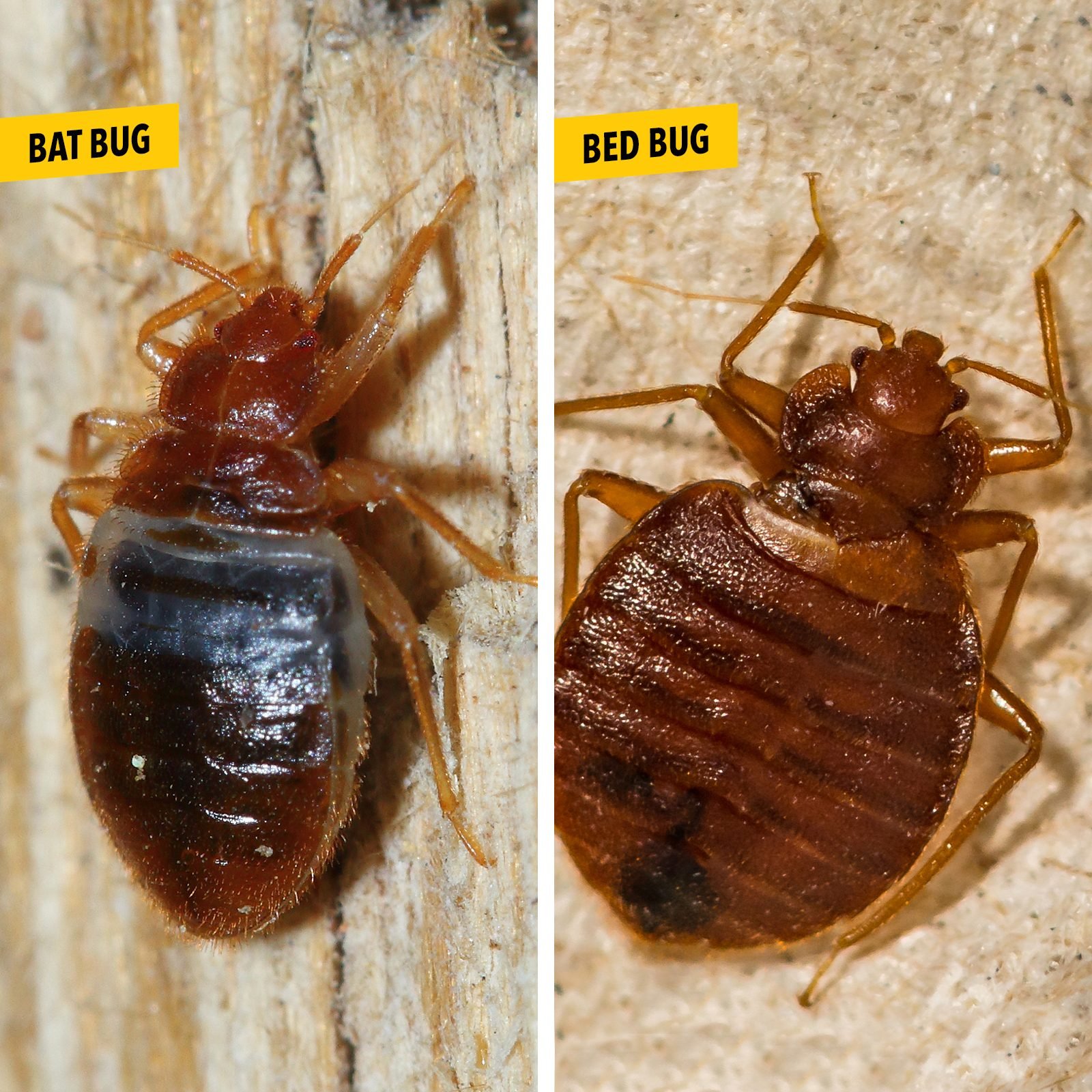
Credit: www.familyhandyman.com
Appearance Differences
Bed bugs and bat bugs look very similar at first glance. Both are small, wingless insects that feed on blood. Still, careful observation shows clear differences in their appearance. These differences help identify which bug is causing problems.
Size And Color Variations
Bed bugs are usually about 5 to 7 millimeters long. Bat bugs are nearly the same size. Both bugs have flat, oval bodies before feeding. Their color ranges from light brown to reddish-brown. After feeding, they become darker and swollen. Bat bugs may appear slightly hairier, but size and color alone do not fully separate them.
Distinctive Body Features
The main difference lies in the tiny hairs on their bodies. Bat bugs have longer fringe hairs on their thorax. These hairs are easily seen under a magnifying glass. Bed bugs have shorter, less noticeable hairs in this area. The shape of the fringe hairs is a key trait for experts. This detail helps tell bat bugs apart from bed bugs despite their close resemblance.
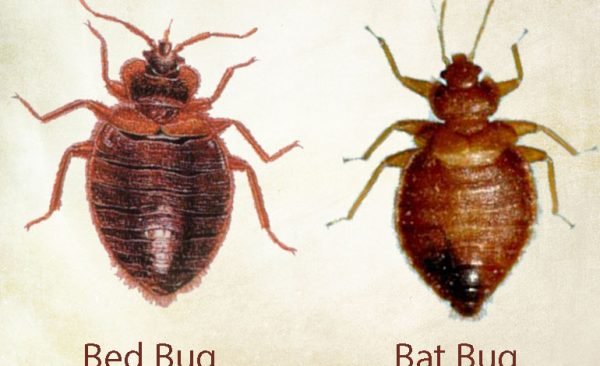
Credit: presidiopestmanagement.com
Habitat Preferences
Understanding where bed bugs and bat bugs prefer to live helps in identifying and managing infestations. Both insects feed on blood, but their habitats differ. This section explains their habitat preferences clearly.
Common Locations For Bed Bugs
Bed bugs usually live close to people. They hide in mattresses, bed frames, and headboards. Cracks in walls and furniture are also common spots. Bed bugs prefer warm places near human hosts. They come out at night to feed on blood. These bugs can spread to couches, curtains, and even electrical outlets. Their small size helps them stay hidden during the day.
Where Bat Bugs Are Found
Bat bugs live near places where bats roost. They are often found in attics, wall voids, and ceilings. Bat bugs stay close to bat colonies to feed on their blood. They rarely bite humans unless bats are gone. These bugs can invade homes when bats leave or die. Bat bugs look similar to bed bugs but prefer bat habitats. They do not usually live in bedrooms or on furniture like bed bugs.
Behavior Patterns
Understanding the behavior patterns of bed bugs and bat bugs helps identify and control them better. Both bugs look alike but act differently in some ways. Their habits around feeding and activity times reveal key differences. Knowing these details can help spot which bug you are dealing with.
Feeding Habits
Bed bugs feed only on human blood. They bite exposed skin, usually at night. Their bites cause itching and red marks. Bat bugs also feed on blood but prefer bats. When bats are absent, bat bugs bite humans. Both bugs need blood meals to survive and grow.
Activity Times
Bed bugs are mostly active at night. They hide during the day in cracks and crevices. Bat bugs share similar habits but stay closer to bat roosts. They become active when bats return at dusk. Both bugs avoid light and move mostly in the dark.
Bite Reactions
Bite reactions from bed bugs and bat bugs often confuse people. Both insects feed on blood and leave itchy marks. These bites cause discomfort and skin irritation. Understanding the differences helps in identifying the pest. It guides in choosing the right treatment and prevention steps.
Symptoms Of Bed Bug Bites
Bed bug bites usually appear as small, red bumps. They often form a line or cluster on the skin. Itching is common and can be intense. Some people develop swelling or blistering. Bites often show up on exposed skin like arms and legs. The reaction may take a few days to appear. Scratching can cause infection or scarring.
How Bat Bug Bites Differ
Bat bug bites look very similar to bed bug bites. Both create red, itchy bumps on the skin. Bat bug bites may be less common because these bugs prefer bats. People living near bat colonies face higher risks. The bite reaction does not usually differ much. Identifying the pest often needs expert help. Treatment for bat bug bites is the same as for bed bugs.
Detection And Identification
Detecting and identifying bed bugs and bat bugs is important for proper treatment. These pests look alike but have some differences. Spotting signs early helps prevent bigger problems. Understanding how to find and identify them saves time and stress.
Signs Of Infestation
Both bed bugs and bat bugs leave small red bites on skin. You may see tiny blood spots on sheets or furniture. Dark spots of bug waste often appear near hiding places. A musty or sweet smell may fill the room. Check cracks, seams, and mattress edges for bugs or eggs.
Tools For Accurate Identification
Magnifying glasses help see small differences in bug shape. Experts use microscopes to check body hair patterns. Capture bugs in clear containers for close study. Professional pest control may use special traps and light sources. Identification guides and photos assist in telling them apart.
Treatment Options
Treatment options differ between bed bugs and bat bugs. Both pests need careful attention for full control. Proper methods stop their spread and reduce bites. Understanding the right steps helps clear infestations quickly. Below are effective ways to treat each pest.
Effective Bed Bug Control
Start by cleaning and vacuuming all affected areas. Use steam on mattresses, furniture, and cracks. Insecticides labeled for bed bugs work best. Apply sprays carefully to avoid health risks. Encase mattresses and pillows in protective covers. Repeat treatments may be necessary to kill eggs. Monitor the area for signs of return. Professional pest control services often provide the best results. Early action prevents heavy infestations and damage.
Managing Bat Bug Infestations
Find and remove bat roosts near your home. Bat bugs leave once bats are gone. Use vacuuming and steam to remove bugs indoors. Apply insecticides designed for bat bugs around entry points. Seal cracks and holes to stop new bugs. Bat bug bites need less chemical treatment than bed bugs. Keep windows and vents screened to block bats. Regular checks help catch infestations early. Pest experts can help with large infestations and roost removal.
Prevention Tips
Preventing bed bugs and bat bugs requires careful steps. Both pests can cause discomfort and stress. Taking action early helps keep your home safe. Simple habits reduce the risk of infestations. Cleanliness and vigilance are key.
Avoiding Bed Bug Problems
Check secondhand furniture before bringing it inside. Use mattress covers designed to block bed bugs. Wash bedding in hot water regularly. Vacuum floors and furniture often. Seal cracks and crevices where bugs hide. Avoid placing bags on beds or floors in public places.
Keeping Bat Bugs Away
Seal entry points around windows and roofs. Remove bat roosts near your home. Use screens on vents and chimneys. Keep outdoor lights off at night to avoid attracting bats. Trim tree branches away from the house. Call professionals to handle bat infestations safely.

Credit: presidiopestmanagement.com
Frequently Asked Questions
What Are The Main Differences Between Bed Bugs And Bat Bugs?
Bed bugs feed on human blood, while bat bugs feed mainly on bats. Bat bugs look very similar to bed bugs but have longer hairs on their bodies. Their habitats also differ, with bat bugs found near bat roosts.
How Can I Identify Bed Bugs Versus Bat Bugs At Home?
Look for longer hairs on bat bugs, especially on their thorax. Bed bugs are reddish-brown and about the size of an apple seed. Bat bugs often appear near areas where bats live or have lived.
Do Bat Bugs Bite Humans Like Bed Bugs Do?
Bat bugs can bite humans, but they usually prefer bats. Bites from bat bugs may cause itching and redness similar to bed bug bites. Bat bugs only bite humans when bats are not available.
Are Bed Bug Infestations Harder To Treat Than Bat Bug Infestations?
Bed bug infestations are generally harder to control because they hide in more places. Bat bugs usually stay near bat roosts, making removal easier by removing bats. Both require professional pest control for effective treatment.
Can Bat Bugs Turn Into Bed Bugs Over Time?
Bat bugs cannot turn into bed bugs; they are different species. Bat bugs may move into homes if bat populations decline. This can cause confusion, but they remain distinct insects.
How Do I Prevent Bat Bugs And Bed Bugs From Entering My Home?
Seal cracks and gaps around windows, doors, and walls. Remove bats and their nests safely to prevent bat bugs. Regularly inspect beds, furniture, and bat roost areas for signs of bugs.
Conclusion
Bed bugs and bat bugs look very similar, but they act differently. Bed bugs prefer humans and live close to beds. Bat bugs usually come from bats and hide in attics. Knowing the difference helps you choose the right way to stop them.
Both bugs cause bites and discomfort. Cleaning and pest control are important to remove them. Stay alert and check your home often. Early action keeps your space safe and bug-free. Understanding these bugs makes dealing with them easier and faster.