
Have you ever spotted a creepy insect scurrying across your floor and wondered if it’s a water bug or a cockroach? Knowing the difference between these two can save you from unnecessary panic or costly mistakes.
You might think they’re the same, but identifying which one you’re dealing with matters for your home’s cleanliness and your peace of mind. Keep reading, and you’ll discover simple ways to tell them apart and what steps you should take next.
Don’t let confusion take over—understand these bugs and protect your space today.
Credit: www.theenvironmentalblog.org
Physical Differences
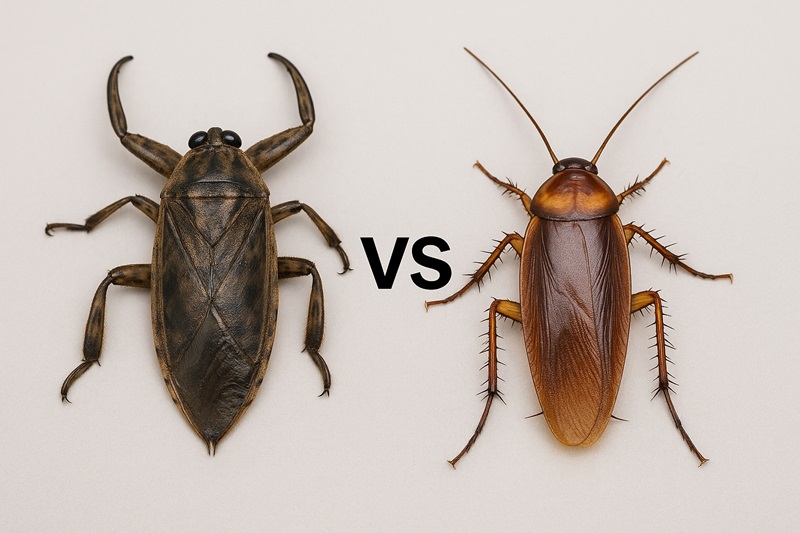
Water bugs and cockroaches often confuse many people due to their similar appearances. Understanding their physical differences helps in identifying them correctly. These differences include their size, shape, color, texture, wings, and legs. Each aspect plays a key role in telling these insects apart.
Size And Shape
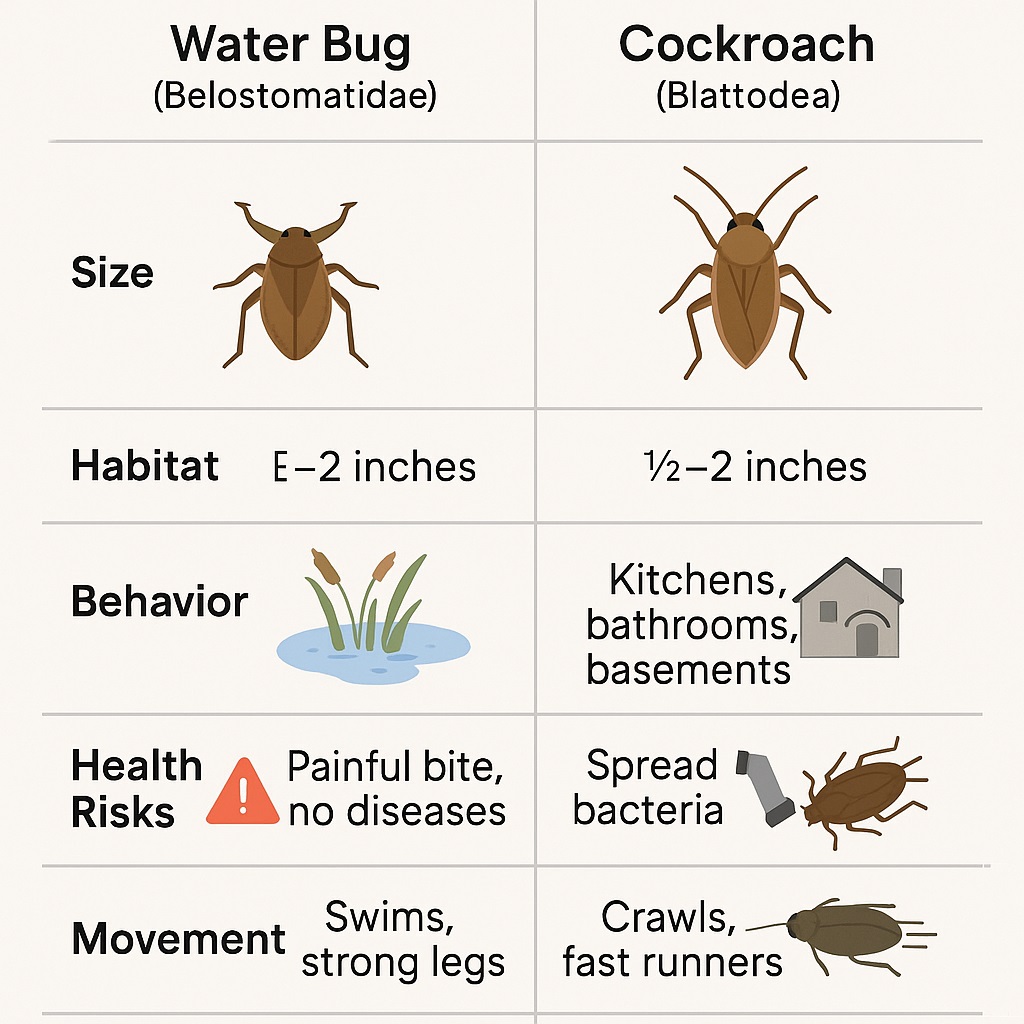
Water bugs are usually larger than cockroaches. Their bodies are flat and oval-shaped, perfect for swimming. Cockroaches have a more rounded and smaller body. Their shape helps them crawl quickly in tight spaces.
Color And Texture
Water bugs often have dark brown or black coloring with a smooth surface. Cockroaches come in various shades, from light brown to reddish. Their bodies feel rougher and have a shiny, hard shell.
Wings And Legs
Water bugs have strong, flat wings that cover their bodies fully. Their legs are adapted for swimming, with hairs to help them move in water. Cockroaches have shorter wings, sometimes not covering their entire body. Their legs are thin and built for running fast on land.
Credit: www.theenvironmentalblog.org
Habitat Preferences
Water bugs and cockroaches live in different places. Knowing their habitat helps to spot and control them. Both bugs like dark, damp spaces but choose their homes differently.
Indoor Vs Outdoor
Cockroaches prefer indoor areas. Kitchens, bathrooms, and basements are common spots. They hide in cracks and behind appliances. Water bugs mostly stay outdoors. They live near ponds, streams, and drains. Sometimes, water bugs enter homes near water sources.
Water Sources
Water bugs need water to survive. They stay close to fresh water like lakes or puddles. Cockroaches also need water but get it inside homes. Leaky pipes and wet floors attract them. Both bugs avoid dry places.
Nesting Areas
Cockroaches build nests in warm, hidden spots indoors. They prefer cardboard, paper, or wood piles. Water bugs nest near water bodies under rocks or plants. They rarely build nests inside homes. Knowing these spots helps control infestations.
Behavior Patterns
Understanding the behavior patterns of water bugs and cockroaches helps in identifying and controlling them. Their habits differ in many ways, especially in when they are active, what they eat, and how they move. These differences affect how they interact with their environment.
Knowing these patterns makes it easier to spot signs of infestation. It also guides the best ways to prevent or remove them from your home.
Activity Times
Water bugs are mostly active at night. They hide in dark, damp places during the day. Cockroaches also prefer the night. They come out after dark to search for food. Both insects avoid light and stay hidden to stay safe.
Feeding Habits
Water bugs eat small insects and sometimes fish or frogs. They are predators and need live food. Cockroaches eat almost anything. They like food scraps, grease, and even paper. Cockroaches are scavengers and can survive on very little.
Movement Styles
Water bugs swim well and move slowly on land. They use their legs like paddles in water. Cockroaches run fast on floors and walls. Their quick, erratic movements help them escape danger. Cockroaches climb easily and squeeze into small spaces.
Health Risks
Water bugs and cockroaches pose different health risks. Both insects can spread harmful germs. They live in dirty places and carry bacteria on their bodies. Knowing their risks helps keep your home safe.
Disease Transmission
Both water bugs and cockroaches carry germs that cause illness. They can spread bacteria like Salmonella and E. coli. These bacteria cause stomach pain, diarrhea, and vomiting. Water bugs are less common but still carry germs. Cockroaches move through sewers and garbage, picking up many germs.
Allergic Reactions
Cockroaches are a common cause of allergies. Their droppings and shed skin trigger asthma and sneezing. Water bugs rarely cause allergies but can still irritate sensitive skin. People with asthma should be careful around these pests. Keeping the home clean reduces allergy risks.
Bites And Stings
Water bugs may bite humans. Their bites can cause pain and swelling. Cockroach bites are rare but possible. Most bites happen if food is scarce. Bites can lead to itching or small infections. Avoid touching these insects to prevent bites.
Control And Prevention
Controlling and preventing water bugs and cockroaches is important to keep your home safe and clean. Both pests spread germs and cause discomfort. Effective control needs a mix of good habits and proper treatments. Regular cleaning reduces their hiding spots. Chemical options help kill them quickly. Natural methods support long-term control without harsh chemicals.
Cleaning Tips
Keep your home dry and clean to stop bugs. Wipe kitchen counters and floors daily. Store food in sealed containers. Fix leaks in pipes and faucets. Remove garbage regularly and use sealed trash bins. Clear clutter where bugs can hide. Clean drains to remove buildup and eggs.
Chemical Treatments
Use insect sprays and baits for fast results. Choose products labeled for water bugs and cockroaches. Apply treatments in corners, behind appliances, and under sinks. Follow all safety instructions on the label. Avoid overusing chemicals to reduce risks. Repeat treatments as needed to break the pest cycle.
Natural Remedies
Boric acid powder kills bugs without strong chemicals. Sprinkle it in dry places where bugs travel. Diatomaceous earth is a safe powder that cuts their bodies. Mix baking soda and sugar as a homemade bait. Essential oils like peppermint and eucalyptus repel pests. Use these oils in a spray form around entry points.

Credit: www.davespestcontrol.com
Frequently Asked Questions
What Is The Main Difference Between Water Bugs And Cockroaches?
Water bugs are larger and live near water, while cockroaches prefer dry places. Water bugs have a flat, oval shape and can swim well. Cockroaches are smaller and often found in homes.
Do Water Bugs And Cockroaches Spread Diseases?
Both can carry germs, but cockroaches are more common disease carriers. Cockroaches spread bacteria that can cause allergies and asthma. Water bugs rarely enter homes and are less risky.
How Can You Identify A Water Bug From A Cockroach?
Look for size and shape: water bugs are bigger and rounder. Cockroaches have long antennae and a more slender body. Water bugs have strong legs for swimming.
Are Water Bugs Dangerous To Humans Like Cockroaches?
Water bugs can bite, causing mild pain, but are not very dangerous. Cockroaches do not bite but can trigger allergies and spread germs. Neither insect is highly harmful.
Where Do Water Bugs And Cockroaches Usually Live?
Water bugs live near ponds, lakes, or drains with water. Cockroaches prefer warm, dark, and dry places indoors like kitchens. Both hide during the day.
How To Prevent Water Bugs And Cockroaches In Your Home?
Keep areas clean and dry, especially kitchens and bathrooms. Seal cracks and fix leaks to block entry points. Remove food crumbs and standing water regularly.
Conclusion
Water bugs and cockroaches look similar but differ a lot. Water bugs live near water and move fast. Cockroaches prefer dark, warm places inside homes. Both can cause problems, but their habits and risks vary. Knowing their differences helps you handle them better.
Stay clean and fix leaks to avoid both pests. Quick action stops them from spreading. Understanding these bugs keeps your home safe and healthy. Simple steps make a big difference.