
Choosing the right flooring can change the look and feel of your home completely. When it comes to laminate vs hardwood flooring, you might be wondering which one fits your style, budget, and lifestyle best.
Both options have their perks, but understanding the differences can help you make a confident choice. Keep reading to discover which flooring type will work perfectly for your space and needs.
Laminate Flooring Basics
Laminate flooring offers a smart choice for many homeowners. It mimics the look of natural wood without the high cost. Easy to clean and maintain, laminate fits well in busy homes. Understanding the basics helps you decide if it suits your space and style.
This section covers the key points about laminate flooring. From what it is made of to how it is installed and the design options available.
Material Composition
Laminate flooring consists of several layers. The top layer is a clear, protective coating. It resists scratches and wear. Below this is a printed design layer. This shows the wood or stone look. The core layer is made of high-density fiberboard. This adds strength and stability. The bottom layer prevents moisture damage and warping.
Installation Process
Laminate flooring uses a click-lock system. Planks fit together easily without glue or nails. This makes installation faster and cleaner. It can be placed over many existing floors. A foam underlayment adds cushioning and sound reduction. Many homeowners can install laminate themselves. Tools needed are simple and inexpensive.
Design Options
Laminate offers many design choices. It comes in different colors and textures. You can find styles that look like oak, maple, or cherry. Some even mimic stone or tile patterns. Planks vary in width and length. This variety lets you create a unique look in any room.
Credit: cleanmyspace.com
Hardwood Flooring Essentials
Hardwood flooring brings natural beauty and warmth to any room. Understanding its basics helps you choose the right option. This section covers key points about hardwood floors. Learn about wood types, finishing techniques, and installation methods. These essentials guide you through your flooring journey.
Wood Types
Hardwood floors come in many types of wood. Oak, maple, and cherry are popular choices. Each wood has a unique grain and color. Hardwoods vary in hardness, affecting durability. Some woods resist dents better than others. Choose wood that fits your style and needs.
Finishing Techniques
Finishing protects hardwood floors and enhances their look. Common finishes include oil, wax, and polyurethane. Oil finishes give a natural, matte look. Polyurethane offers a shiny, durable surface. Finishes can be satin, glossy, or matte. The right finish keeps floors beautiful for years.
Installation Methods
Hardwood floors can be installed in different ways. Nail-down is common for solid wood planks. Glue-down works well for engineered hardwood. Floating floors snap together without nails or glue. Each method suits different subfloors and rooms. Proper installation ensures a long-lasting floor.
Durability And Maintenance
Durability and maintenance are key factors to consider when choosing between laminate and hardwood flooring. Both types offer unique benefits but differ in how they withstand daily use and how much care they need. Understanding these differences helps you pick the best option for your home.
Scratch And Wear Resistance
Laminate flooring has a tough top layer that resists scratches well. It handles heavy foot traffic and pets better than many hardwood floors. Hardwood floors can get dents and scratches more easily. Some hardwood types are harder and more durable, but they still need care to avoid damage.
Cleaning Tips
Laminate floors are easy to clean with a dry mop or vacuum. Avoid using too much water, as it can cause swelling. Hardwood floors need gentle cleaning with a soft broom or vacuum and a damp mop. Use cleaners made for wood to keep the finish safe. Both floors should be wiped up quickly if spills happen.
Lifespan Comparison
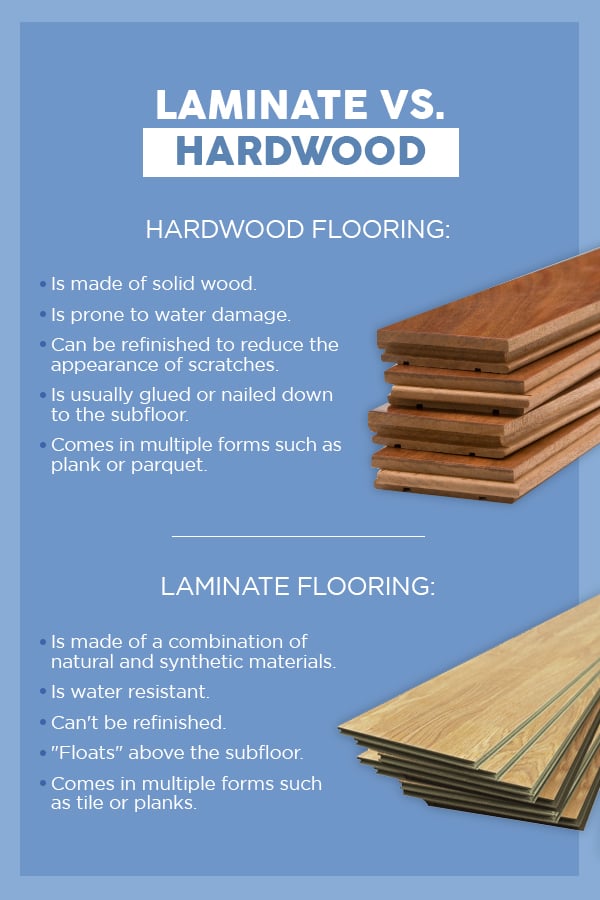
Hardwood floors can last 20 to 100 years if cared for properly. They can be sanded and refinished many times to look new again. Laminate floors usually last 10 to 30 years. They cannot be refinished, so damage means replacement. The lifespan depends on the quality and how well you maintain the floor.
:max_bytes(150000):strip_icc()/laminate-vs-hardwood-flooring-how-they-compare-1821870_FINAL-5bae84f24cedfd0026f4205d-f0eb410f3d13406cb5890209447251ba.png)
Credit: www.thespruce.com
Cost Considerations
Cost plays a big role in choosing between laminate and hardwood flooring. It affects both your budget now and your home’s value later. Understanding the different costs helps you make a smart decision that fits your needs.
Initial Investment
Laminate flooring usually costs less to buy than hardwood. The price per square foot is lower, making it easier for tight budgets. Hardwood floors require more money upfront because of the wood quality and installation process. You pay more at the start but get a natural look.
Long-term Expenses
Laminate floors need less care but may wear out faster. You might replace them after 10 to 15 years. Hardwood floors last longer with proper care and can be refinished to look new. Maintenance costs for hardwood can be higher but it adds to durability.
Value Impact On Home
Hardwood floors often increase home value more than laminate. Many buyers prefer the classic look of wood. Laminate can still look nice but may not add much value. Choosing hardwood can be an investment that pays off when selling your house.
Aesthetic Appeal
Aesthetic appeal plays a big role in choosing between laminate and hardwood flooring. This factor affects the overall look of your home. Both options offer unique beauty that fits different tastes and spaces. Understanding their visual qualities helps you pick the right floor.
Each type has distinct features. These affect how your room feels and looks. Let’s explore the differences in appearance and style options.
Visual Differences
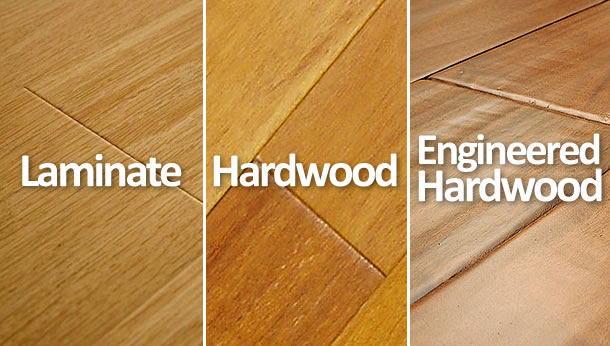
Hardwood floors show natural wood grain and texture. Each plank has unique patterns. This creates a warm and rich look. Laminate flooring copies wood designs with a printed image layer. It looks similar but lacks real wood texture. Laminate often shines more and has a smoother feel. Hardwood ages beautifully and gains character over time. Laminate keeps the same look without change.
Customization Options
Hardwood offers many wood species and stains. You can choose from oak, maple, cherry, and more. Different finishes enhance color and shine. Laminate comes in various colors and wood patterns too. Some designs mimic exotic woods or painted floors. Laminate sizes and plank shapes vary. This allows creative layouts. Hardwood customization needs sanding or refinishing. Laminate is fixed once installed.
Style Compatibility
Hardwood fits classic, rustic, and modern styles well. It adds warmth and elegance to any room. Laminate suits contemporary and casual spaces better. It works in homes with kids or pets. Both floors blend with many furniture types. Hardwood pairs well with traditional and antique décor. Laminate matches minimalist and trendy interiors. Choosing depends on your home’s design and use.
Environmental Impact
The environmental impact of flooring materials is an important factor for many homeowners. Choosing between laminate and hardwood flooring affects the planet in different ways. Understanding these differences helps make a better choice for your home and the environment.
Sustainability Factors
Hardwood flooring comes from real trees. Sustainable forests and responsible logging reduce harm. Some hardwood brands use wood from certified forests.
Laminate flooring uses fiberboard made from wood scraps. This reduces waste by reusing leftover materials. However, laminate often has plastic layers, which rely on fossil fuels.
Recyclability
Hardwood floors can be sanded and refinished many times. Old hardwood can be repurposed or recycled into other wood products. This makes hardwood more recyclable than laminate.
Laminate is harder to recycle because of its mixed materials. The plastic and resins in laminate often end up in landfills. Recycling options for laminate remain limited.
Health Concerns
Hardwood flooring usually has fewer chemicals. It releases less volatile organic compounds (VOCs) into indoor air. This improves air quality and reduces health risks.
Laminate flooring may contain adhesives and resins that emit VOCs. These chemicals can affect people with allergies or asthma. Choosing low-VOC laminate can reduce these effects.
Suitability For Different Spaces
Choosing the right flooring depends on the room and how it is used. Laminate and hardwood flooring have different strengths. Each suits certain spaces better. Knowing where to use each type helps keep floors looking good longer.
Consider factors like foot traffic, moisture, and climate. These affect how well the floor performs. This section explains which flooring fits best in different rooms and conditions.
High Traffic Areas
Laminate flooring resists scratches and dents well. It handles busy spaces like hallways and kitchens. Hardwood can show wear faster in these spots. Laminate offers durability at a lower cost. It maintains its look despite heavy use.
Hardwood works in living rooms or bedrooms with less traffic. It adds warmth and elegance. But it needs more care to avoid damage in busy areas.
Moisture-prone Rooms
Bathrooms and basements have high moisture. Hardwood flooring can warp or swell here. Laminate is better for these rooms. It resists water damage more effectively. Some laminate types are made for wet areas. Always check product details before installing.
Hardwood is best kept away from constant moisture. It performs well in dry rooms with good ventilation.
Climate Considerations
Climate affects wood expansion and contraction. Hardwood may shrink or expand in very dry or humid places. Laminate is more stable in changing climates. It handles temperature swings without warping. This makes laminate a practical choice for many regions.
Hardwood suits areas with stable humidity. Proper installation and maintenance can reduce climate effects.
Making The Right Choice
Choosing between laminate and hardwood flooring can feel tough. Both types have their own benefits and limits. Picking the right flooring means thinking about your daily life, money, and future plans. This helps you find the best fit for your home and needs.
Assessing Lifestyle Needs
Think about how you use your space. Do you have kids or pets? Laminate handles scratches and spills better. Hardwood offers a warm, natural look but needs more care. Consider the room’s traffic and moisture levels. This helps you decide which flooring suits your lifestyle best.
Budget Alignment
Set a clear budget for your flooring project. Laminate usually costs less upfront and in installation. Hardwood costs more but can add value to your home. Keep in mind any extra expenses like maintenance. Match your choice with what you can afford now and later.
Long-term Goals
Think about how long you plan to keep the flooring. Hardwood lasts many years and can be refinished to look new. Laminate may need replacing sooner but is easier to install. Your future plans affect the best option. Choose flooring that fits your long-term home vision.
Credit: 50floor.com
Frequently Asked Questions
What Is The Main Difference Between Laminate And Hardwood Flooring?
Laminate flooring is made of synthetic materials with a photographic layer that mimics wood. Hardwood flooring is made from real wood planks, giving a natural look and feel.
Which Flooring Is More Durable: Laminate Or Hardwood?
Laminate is more scratch and stain resistant, making it good for high traffic areas. Hardwood can dent and scratch but can be refinished to look new again.
How Does The Cost Of Laminate Compare To Hardwood Flooring?
Laminate is usually cheaper to buy and install than hardwood flooring. Hardwood costs more but can add more value to your home.
Can Laminate Flooring Be Installed In Moisture-prone Areas?
Laminate is less resistant to water and may swell if wet for long. Hardwood also dislikes moisture but some types handle humidity better than laminate.
Which Flooring Is Easier To Clean And Maintain?
Laminate requires simple sweeping and damp mopping with no special products. Hardwood needs gentle cleaning and occasional polishing to keep its shine.
Does Hardwood Flooring Last Longer Than Laminate?
Hardwood can last decades with proper care and refinishing. Laminate usually lasts 10-20 years but cannot be refinished once worn out.
Conclusion
Choosing between laminate and hardwood flooring depends on your needs. Laminate offers easy maintenance and lower cost. Hardwood brings natural beauty and lasts longer. Think about your budget, style, and how much wear floors will get. Both types have their strong points.
Your choice should match your lifestyle and home. Either way, a good floor can improve your space. Take time to decide what fits best for you.