
When it comes to heating your home, you might wonder which option is best for you: a heat pump or a furnace. Choosing the right system can save you money, keep your space comfortable, and even reduce your energy use.
But how do you decide between the two? This guide will help you understand the key differences, benefits, and drawbacks of heat pumps and furnaces so you can make the smartest choice for your home and budget. Keep reading—you’re closer to finding the perfect heating solution than you think.
How Heat Pumps Work
Heat pumps move heat instead of creating it like furnaces. They transfer heat from outside to inside during cold months. In warm months, they reverse the process to cool your home. This dual function makes them flexible and efficient.
Understanding how heat pumps work helps in choosing the right system for your home. Their operation depends on basic principles of heat transfer. Let’s explore these basics, the types available, and their seasonal efficiency.
Basic Operation
A heat pump uses a refrigerant to absorb heat from the air or ground. It compresses the refrigerant, raising its temperature. The warm refrigerant then releases heat inside the home. In summer, the system reverses to remove heat from indoors.
This process uses electricity to move heat rather than generate it. This makes heat pumps more energy-efficient than traditional heating systems. They work best in moderate climates but newer models handle cold climates well.
Types Of Heat Pumps
Air-source heat pumps are the most common. They take heat from outside air. Ground-source or geothermal heat pumps use the earth’s stable temperature. Water-source heat pumps use nearby water bodies for heat exchange.
Each type suits different environments and budgets. Air-source models are easier to install. Geothermal systems cost more but offer higher efficiency and lower operating costs over time.
Seasonal Efficiency
Heat pumps perform best in mild temperatures. Their efficiency drops in extreme cold. Newer models use advanced technology to improve cold-weather performance. They maintain warmth without using extra electricity.
Seasonal Energy Efficiency Ratio (SEER) and Heating Seasonal Performance Factor (HSPF) measure their efficiency. Higher ratings mean better energy savings. Choosing a heat pump with high SEER and HSPF saves money and energy year-round.
Credit: www.przewozcm.eu
How Furnaces Work
Furnaces are common heating systems in many homes. They work by creating heat and spreading it inside. Understanding how furnaces work helps you know their benefits and limits. Below, we explore their main parts and functions.
Combustion Process
The furnace starts by burning fuel to create heat. This burning happens in a small chamber called the combustion chamber. Air mixes with the fuel and ignites. The heat from this fire warms a metal heat exchanger. Air blows over the exchanger, picking up heat. Then, warm air moves through your home’s vents.
Furnace Types
There are several types of furnaces based on design and function. A common type is the gas furnace, which uses natural gas. Electric furnaces use electric heating elements to generate heat. Oil furnaces burn heating oil for warmth. Each type has different parts but works on the same basic idea of heating air.
Fuel Sources
Furnaces use various fuel sources for heat. Natural gas is the most popular fuel because it is clean and efficient. Propane is another option, often used in rural areas. Some furnaces run on heating oil, which is less common but still effective. Electric furnaces use electricity, avoiding combustion and fumes.
Comparing Energy Efficiency
Energy efficiency is a key factor when choosing between a heat pump and a furnace. Both systems heat your home but use energy differently. Understanding their efficiency helps save money and reduce environmental impact. Let’s compare their energy use, costs, and performance across seasons.
Energy Consumption
Heat pumps use electricity to move heat from outside to inside. This process uses less energy than creating heat. Furnaces burn fuel, like gas or oil, to produce heat. This method uses more energy because it creates heat directly. Heat pumps generally consume less energy in mild climates.
Cost Of Operation
Heat pumps often have lower monthly costs due to their efficiency. They save money on electric bills in moderate weather. Furnaces can cost more, especially with high fuel prices. However, in very cold areas, furnaces might be cheaper because heat pumps work harder. Choosing the right system depends on local fuel and electricity prices.
Seasonal Performance
Heat pumps work best in spring, fall, and mild winters. Their efficiency drops in very cold weather. Furnaces perform well in harsh winters, providing steady heat. Heat pumps can also cool your home in summer, adding value. Furnaces only heat, so you need a separate AC for cooling.
Environmental Impact
The environmental impact of heating systems is important to consider. Choosing between a heat pump and a furnace affects the planet differently. Both systems use energy, but their effects on the environment vary greatly. Understanding these differences helps make better choices for cleaner living.
Emissions And Carbon Footprint
Furnaces burn fossil fuels like natural gas or oil. This process releases carbon dioxide and other pollutants into the air. These emissions add to global warming and air pollution. Heat pumps use electricity to move heat instead of burning fuel. They produce fewer direct emissions, especially if powered by clean energy. The carbon footprint of a heat pump is often much smaller than a furnace.
Renewable Energy Integration
Heat pumps work well with renewable energy sources like solar and wind. They can run on electricity from clean power grids. This reduces reliance on fossil fuels and cuts greenhouse gas emissions. Furnaces cannot use renewable energy directly because they rely on fuel combustion. Heat pumps offer a path to greener heating by pairing with renewable energy systems. This makes them a better choice for reducing environmental harm.
Installation And Maintenance
Understanding the installation and maintenance of heat pumps and furnaces helps you make a smart choice. Both systems need proper setup and care for best performance. This section breaks down the costs, upkeep, and lifespan of each option.
Installation Costs
Furnaces usually cost less to install than heat pumps. The setup for a furnace is simpler, especially in colder regions. Heat pumps require more work, like adding outdoor units and special wiring. This makes their installation pricier. Choosing the right system depends on your budget and home needs.
Maintenance Requirements
Furnaces need regular filter changes and yearly check-ups. They rely on combustion, so safety checks are important. Heat pumps require cleaning coils and checking refrigerant levels. Their parts can wear out faster in extreme cold. Both need routine care to avoid breakdowns and keep energy use low.
Lifespan And Durability
Furnaces often last 15 to 20 years with good care. Heat pumps tend to last 10 to 15 years. Harsh winters can shorten a heat pump’s life. Furnaces handle cold better but can have issues with parts like blowers. Proper maintenance extends the life of both systems and saves money over time.

Credit: www.esseg.eu
Climate Considerations
Choosing between a heat pump and a furnace depends a lot on the climate. Both systems have strengths and weaknesses based on weather conditions. Understanding these differences helps you pick the best heating option for your home and region.
Performance In Cold Weather
Heat pumps work by moving heat from outside to inside. This process becomes harder as temperatures drop. Most heat pumps struggle below 25°F (-4°C). They may need a backup heater for very cold days.
Furnaces create heat by burning fuel or using electricity. They can warm your home even in freezing weather. This makes furnaces reliable in places with harsh winters. They provide steady heat without losing efficiency.
Suitability For Different Regions
Heat pumps fit well in mild to moderate climates. Areas with short, mild winters benefit most. They save energy by cooling in summer and heating in winter. This dual function reduces overall costs.
Furnaces suit colder regions best. Long, cold winters require strong, consistent heat. Fuel options like natural gas or propane are common in these areas. Furnaces handle extreme cold better than heat pumps.
Cost Comparison
Choosing between a heat pump and a furnace involves understanding their costs. The price difference affects your budget both now and later. A clear cost comparison helps you make a smart choice for your home heating needs.
Upfront Expenses
Heat pumps usually cost more upfront than furnaces. Installation for heat pumps can be complex and needs special equipment. Furnaces have lower initial prices and simpler setups. The type of fuel a furnace uses also changes its cost. Gas furnaces often cost less than electric heat pumps to buy and install.
Long-term Savings
Heat pumps save money on energy bills over time. They use electricity efficiently to heat and cool your home. Furnaces can cost more to run, especially if they use gas or oil. Heat pumps work best in moderate climates for savings. In very cold places, furnaces might be cheaper to operate.
Incentives And Rebates
Many governments offer rebates for installing heat pumps. These incentives lower the overall cost significantly. Furnace rebates are less common but still available in some areas. Check local programs before buying to get the best deals. Rebates can make heat pumps more affordable than they seem.
Choosing The Right System
Choosing the right heating system is important for comfort and savings. Heat pumps and furnaces both heat your home but work differently. Understanding your home and needs helps pick the best option. Consider factors like home size, energy goals, and budget before deciding.
Home Size And Insulation
Large homes need more powerful heating systems. Well-insulated homes keep heat longer and need less energy. Heat pumps work well in smaller, well-insulated spaces. Furnaces may be better for large or poorly insulated homes. Check your home’s insulation before choosing a system.
Energy Goals
Think about your energy use and costs. Heat pumps use electricity and can cool in summer. They save energy in mild climates. Furnaces burn gas or oil and work well in very cold places. Choose a system that matches your energy savings and comfort goals.
Budget Factors
Initial cost and long-term expenses matter. Heat pumps cost more to install but save money on bills. Furnaces are cheaper upfront but may cost more to run. Consider repair and maintenance costs too. Balance what you pay now with future savings.
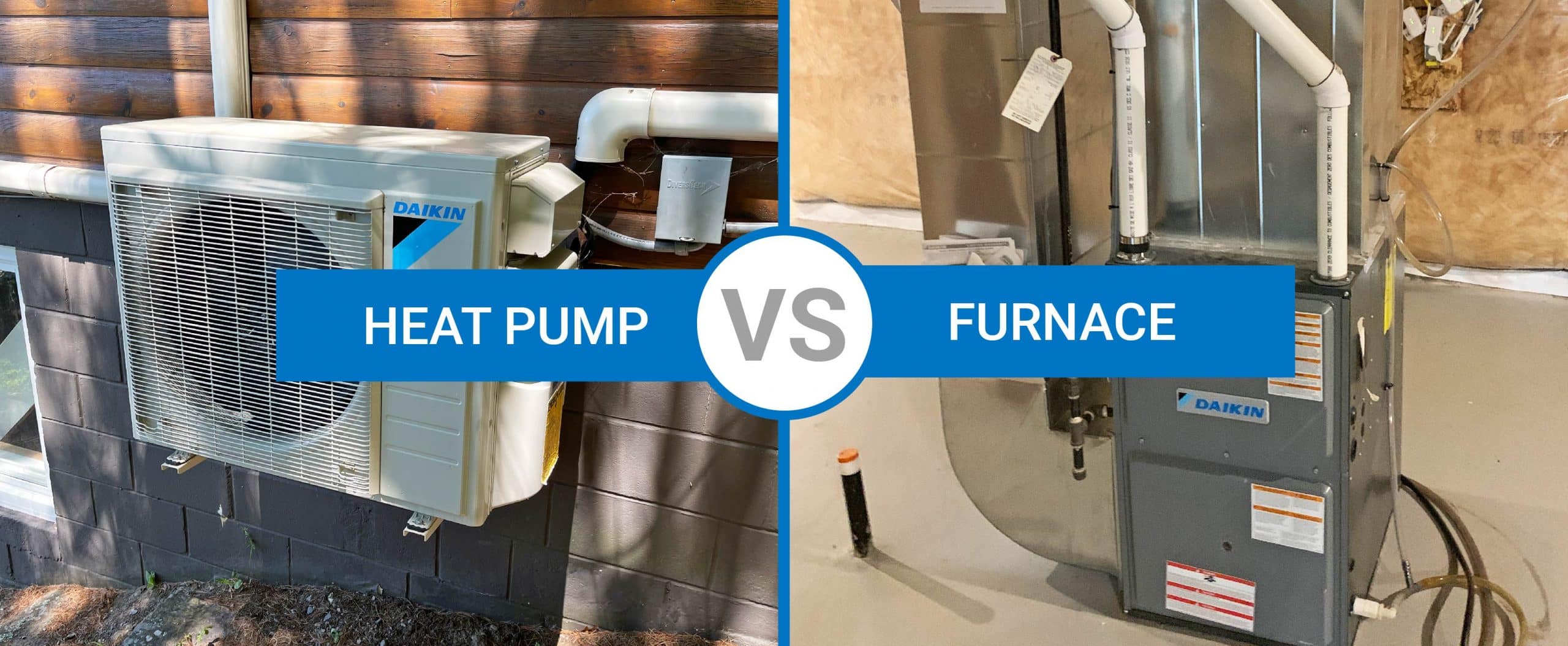
Credit: teamhardingcomfort.com
Frequently Asked Questions
What Is The Main Difference Between Heat Pump And Furnace?
A heat pump moves heat using electricity, while a furnace burns fuel to create heat. Heat pumps can cool and heat, but furnaces only heat.
Which Is More Energy-efficient: Heat Pump Or Furnace?
Heat pumps use less energy because they transfer heat instead of making it. Furnaces can use more energy, especially in very cold weather.
Can A Heat Pump Work In Very Cold Climates?
Heat pumps work best in mild to moderate cold. In very cold places, their efficiency drops, so a furnace might be better.
How Long Does A Heat Pump Last Compared To A Furnace?
Heat pumps usually last 10 to 15 years. Furnaces can last 15 to 20 years with good care.
What Are The Installation Costs For Heat Pumps Vs Furnaces?
Heat pumps often cost more to install upfront than furnaces. But heat pumps can save money on energy bills over time.
Which System Provides Better Indoor Air Quality, Heat Pump Or Furnace?
Heat pumps circulate air without burning fuel, so less indoor pollution occurs. Furnaces may produce combustion by-products if not vented properly.
Conclusion
Choosing between a heat pump and a furnace depends on your needs. Heat pumps save energy and work well in mild climates. Furnaces provide strong heat in very cold places. Think about your budget and local weather. Both systems can keep your home warm and comfortable.
Weigh the pros and cons carefully. This helps you pick the best option for your home. Stay warm all winter with the right choice.