
Thinking about extending your home but worried about the costs? You’re not alone.
Many homeowners want more space without breaking the bank. The good news is, there are smart, cost effective ideas that can help you expand your living area without draining your savings. You’ll discover practical tips and creative solutions that make home extensions affordable and stress-free.
Keep reading to find out how you can get the extra space you need while keeping your budget intact.

Credit: relticextend.co.uk
Planning Your Extension
Planning your home extension carefully helps save money and avoid stress. It sets a clear path for the project. Thoughtful planning ensures the work fits your needs and budget. It also helps prevent mistakes and extra costs.
Setting A Realistic Budget
Start by deciding how much you can spend. Include all costs like materials, labor, and permits. Leave some money for unexpected expenses. A clear budget stops overspending and keeps the project on track.
Choosing The Right Design
Pick a design that matches your home style. Simple designs usually cost less. Think about future use and how it suits your lifestyle. Avoid complicated shapes or features that raise costs.
Prioritizing Needs Vs Wants
Make a list of must-haves and nice-to-haves. Focus on essentials first to stay within budget. Add extras only if money allows. This approach helps you get the best value from your extension.
Maximizing Existing Space
Maximizing the space you already have saves money and effort. Instead of building new rooms, focus on making existing areas work better. This approach can create more room without big costs or long construction times. Small changes can make your home feel larger and more useful.
Converting Attics And Basements
Attics and basements often sit empty or store clutter. Turning these spaces into bedrooms, offices, or playrooms adds value. Proper insulation and lighting make these areas comfortable. This change uses space you already own without expanding your home’s footprint.
Utilizing Underused Rooms
Some rooms serve little purpose, like formal dining rooms or guest bedrooms. Changing their function to a home gym or study saves space and money. Rearranging furniture and adding shelves can improve usability. Look for rooms that can serve new needs without extra construction.
Open Plan Layouts
Removing some walls opens space and improves flow. Open layouts make homes feel bigger and brighter. Combining kitchen, dining, and living areas saves space and encourages family time. This idea reduces the need for extra rooms and cuts building costs.
Affordable Building Materials
Choosing affordable building materials can lower your home extension costs significantly. Smart material choices save money on purchase and future upkeep. Using the right materials can also improve energy efficiency and durability. Focus on options that give you value without compromising quality.
Recycled And Salvaged Materials
Recycled and salvaged materials reduce waste and cut costs. Old bricks, wood, and tiles can add charm and character. These materials often come at a fraction of the price of new ones. They can be found at demolition sites, salvage yards, or online marketplaces. Using these materials supports sustainability and lowers your environmental impact.
Cost-effective Insulation Options
Good insulation lowers energy bills and keeps your home comfortable. Fiberglass and cellulose insulation are affordable and easy to install. These materials provide effective thermal protection. They also help reduce noise from outside. Choosing proper insulation pays off in long-term savings.
Low-maintenance Finishes
Low-maintenance finishes save money on repairs and upkeep. Vinyl siding and fiber cement boards resist weather and damage well. These finishes need little painting or sealing over time. Choosing durable finishes keeps your home looking good longer. It also reduces the need for costly maintenance work.
Diy And Labour Savings
Extending your home can be expensive, but saving money on labour helps reduce costs. Doing some tasks yourself cuts down on hours paid to builders. Knowing which jobs to handle and which need experts is key. Smart choices on labour make your project affordable and smooth.
Simple Tasks You Can Do
Painting walls is one easy job to do yourself. Cleaning up the site daily saves time for builders. Installing fixtures like light switches or curtain rods is simple. Removing old furniture or clearing spaces helps workers start fast. Small tasks keep costs low and speed up work.
Hiring Skilled Trades Wisely
Some jobs need professionals to avoid problems later. Plumbing, electrical work, and structural changes require experts. Hire tradespeople only for tasks that need skill. Avoid paying for skills you don’t need. This balance saves money and keeps the work safe.
Using Local Contractors
Local contractors often charge less for travel and transport. They know the area rules and materials better. Choosing local teams helps with quick communication and scheduling. Local workers may offer flexible rates and faster work. This choice reduces labour costs and delays.
Energy Efficiency Tips
Extending your home is a great chance to improve energy efficiency. Saving energy lowers bills and helps the environment. Small changes can make a big difference in comfort and cost.
Focus on upgrades that keep your home warm in winter and cool in summer. Use materials and systems that reduce energy waste. These tips offer smart ways to boost efficiency without high costs.
Installing Solar Panels
Solar panels turn sunlight into electricity. They reduce the need for power from the grid. Installing them during an extension cuts installation costs. Solar energy lowers electric bills over time. It also adds value to your home.
Energy-efficient Windows And Doors
Windows and doors can leak heat. Choose energy-efficient models with good insulation. Double or triple glazing helps keep heat inside. Properly sealed frames stop drafts and moisture. This keeps your home comfortable and reduces heating bills.
Smart Heating Solutions
Smart thermostats control heating more efficiently. They learn your schedule and adjust temperatures automatically. Zoned heating lets you heat only used rooms. This saves energy and cuts costs. Programmable heating systems improve comfort and reduce waste.
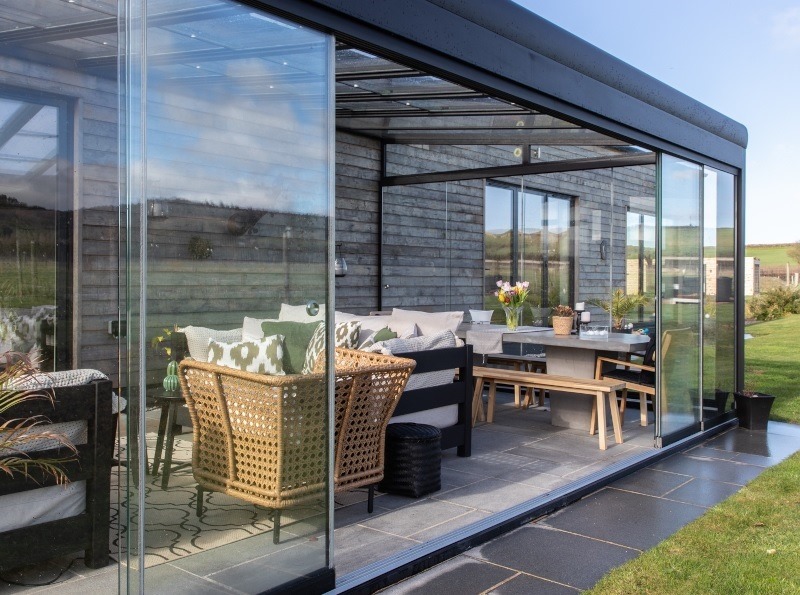
Credit: www.sunspaces.co.uk
Maximizing Natural Light
Maximizing natural light is a smart way to make your home extension feel bright and spacious. It reduces the need for artificial lighting during the day. This saves energy and lowers electricity bills. Natural light also creates a warm and welcoming atmosphere. Here are some cost-effective ideas to bring more daylight inside your extended space.
Adding Skylights
Skylights are windows installed on the roof. They let sunlight pour directly into rooms. Skylights brighten dark corners and small spaces. They cost less than building extra windows on walls. Choose energy-efficient models to keep your home warm in winter. Skylights add style and increase property value.
Large Windows And Glass Doors
Big windows and glass doors open your home to the outside. They invite plenty of light and fresh air. Sliding or folding glass doors connect indoor and outdoor areas. Large windows make rooms look bigger and more open. Use double-glazed glass to keep noise and heat out. This option is affordable and improves your home’s look.
Light-colored Interiors
Light colors reflect sunlight better than dark shades. Paint walls and ceilings in white or soft pastels. Use light-colored furniture and curtains to brighten rooms. Reflective surfaces like mirrors spread light throughout the space. This simple change makes your extension feel airy and cheerful. It also helps reduce the need for electric lighting.
Flexible And Multi-use Spaces
Flexible and multi-use spaces make home extensions more practical and affordable. These spaces serve several purposes, saving money on extra rooms. They change as your needs change, offering long-term value. Clever design can turn one room into many uses. This approach reduces the need for costly additions.
Furniture That Saves Space
Choose furniture that folds or stacks easily. Fold-out beds and extendable tables fit small areas well. Chairs that nest or have storage inside help too. These pieces free up floor space for other uses. They make rooms feel larger without extra building costs.
Rooms That Adapt Over Time
Create rooms that change with your family’s needs. A playroom can become a study or guest room later. Sliding doors and movable walls add flexibility. This design saves money on future renovations. It lets your home grow without adding new spaces.
Incorporating Storage Solutions
Built-in shelves and cupboards use space smartly. Under-stair storage or window seats add hidden compartments. Storage keeps rooms tidy and functional. Good storage reduces clutter, making rooms feel bigger. It also cuts costs by avoiding separate storage rooms.
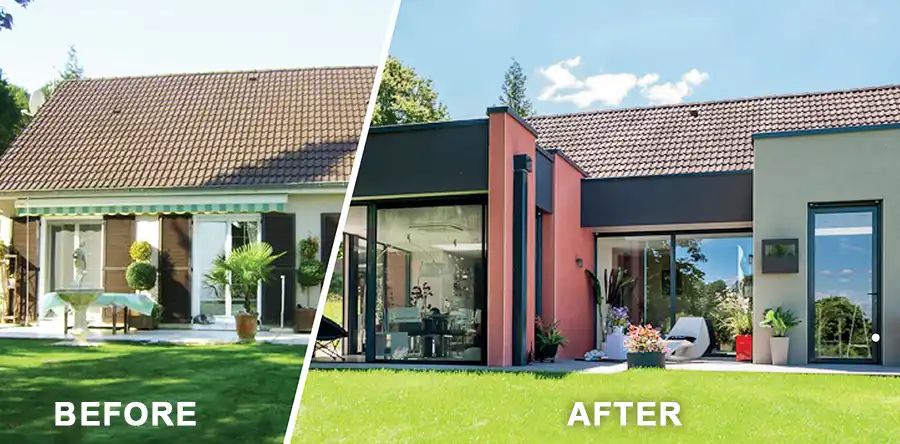
Credit: montana-renovacion.com
Permits And Regulations
Extending your home can add space and value. But permits and regulations play a big role. They keep the work safe and legal. Skipping this step can cause delays and extra costs. Understanding the rules helps keep your project on track.
Navigating Local Building Codes
Every area has its own building codes. These rules control how you build or change your home. Check your local council website for the rules. Some codes limit the size or height of extensions. Others require certain materials or methods. Following codes avoids future problems with your home.
Avoiding Costly Penalties
Building without a permit can lead to fines. Authorities may stop your work until you fix the issue. This can delay your project and increase expenses. Paying for permits first is cheaper than fines. It also protects your home’s value and safety.
Getting Approvals Quickly
Submit all needed documents clearly and on time. Include plans, drawings, and any fees required. Contact your local building office for guidance. Using a professional can speed up the process. Quick approvals mean your work starts sooner.
Frequently Asked Questions
What Are The Cheapest Materials For Home Extensions?
Using materials like timber, recycled bricks, and concrete blocks can cut costs. These materials are durable and affordable, making them ideal for budget-friendly home extensions.
How Can I Save On Labor Costs During Home Extension?
Plan efficiently and hire experienced contractors. Opt for simple designs and avoid last-minute changes to reduce labor time and expenses.
Is A Modular Extension More Cost-effective?
Yes, modular extensions are built off-site, reducing labor and material waste. They usually cost less and are quicker to install than traditional builds.
Can I Extend My Home Without Permits To Save Money?
Skipping permits is risky and illegal. Always obtain necessary approvals to avoid fines and costly rework, which can exceed initial savings.
Conclusion
Extending your home can be affordable with smart planning. Choose materials and designs that save money without losing quality. Small changes can make a big difference in cost. Think about how you use space to avoid unnecessary expenses. Simple ideas often bring the best results.
Take time to compare prices and get multiple quotes. This helps keep your budget on track. Careful choices lead to a home extension you will enjoy for years. Keep it practical, and you will save money too.