
When it comes to staying cozy at night, you might wonder: should you choose a comforter or a blanket? Both promise warmth, but they feel very different.
Understanding the key differences can change how you sleep and relax at home. If you’ve ever pulled up your blanket and still felt chilly, or struggled with a bulky comforter that’s hard to manage, this guide is for you. By the end, you’ll know exactly which option fits your comfort needs and lifestyle perfectly.
Ready to discover the secret to better sleep? Keep reading.
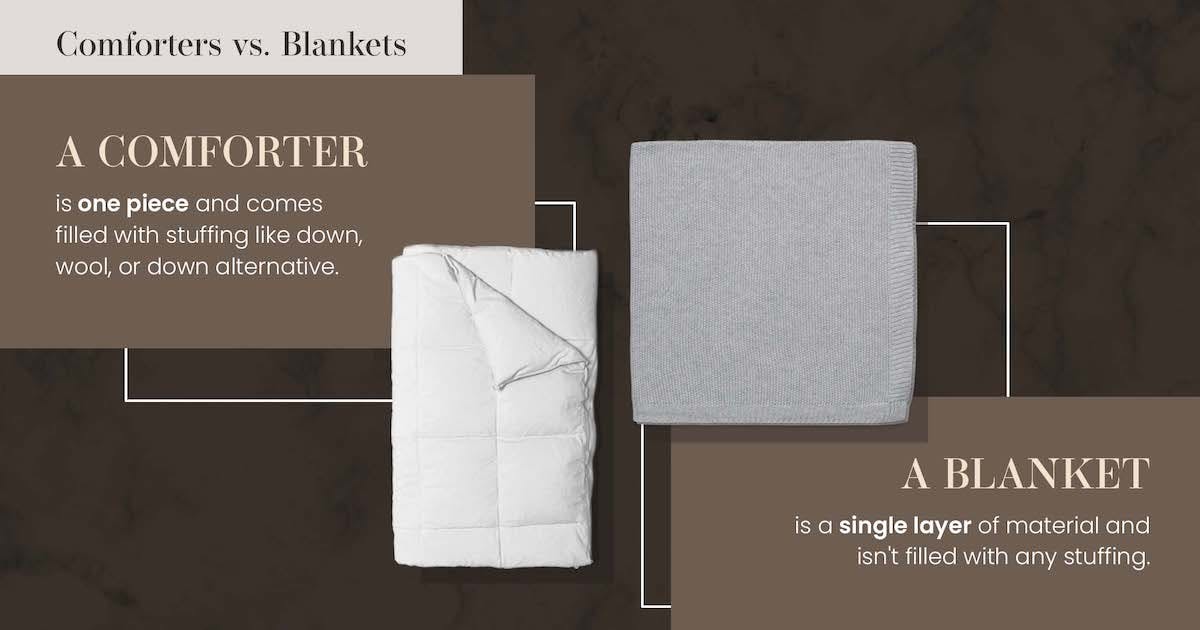
Credit: www.saatva.com
Differences In Design
The design of comforters and blankets plays a big role in how they feel and work. Both serve to keep you warm, yet they differ in many design details. These differences affect comfort, warmth, and even style. Understanding these design elements helps you choose the best option for your needs.
Materials Used
Comforters often use soft fabrics like cotton or polyester on the outside. Inside, they contain fillings such as down feathers or synthetic fibers. Blankets come in many materials like wool, fleece, or cotton. These materials affect warmth and how heavy the item feels. The choice of fabric also influences breathability and care needs.
Construction Styles
Comforters usually have a quilted design. This quilting keeps the filling evenly spread. It prevents clumping and cold spots. Blankets come in simpler forms, often woven or knitted. They do not have inner filling. This construction gives blankets a flat and flexible shape. Comforters look puffier and thicker due to their layers.
Thickness And Weight
Comforters are thicker and generally heavier than blankets. Their thickness comes from the filling inside. This makes them warmer and better for cold nights. Blankets vary in thickness but tend to be lighter. They work well for mild weather or layering. The weight difference affects how each feels on your body during sleep.

Credit: www.homemonde.in
Warmth And Insulation
Warmth and insulation are key factors when choosing between a comforter and a blanket. Both serve to keep you cozy, but they do so in different ways. Understanding their heat retention, seasonal suitability, and breathability helps pick the right option for your needs.
Heat Retention
Comforters usually retain heat better than blankets. They have thick filling that traps warm air close to your body. Blankets, especially thin ones, let heat escape more easily. Thick wool or fleece blankets can hold heat well but still not as much as comforters.
Seasonal Suitability
Comforters work best in cold seasons. Their dense filling provides extra warmth during winter nights. Blankets are more flexible. Light blankets suit summer or mild weather. Heavy blankets can be layered for cooler seasons, but they may not be as warm as comforters.
Breathability
Blankets often breathe better than comforters. They allow air to flow, reducing sweat and overheating. Comforters with synthetic filling can trap heat and moisture. Natural fill comforters offer better breathability but still less than most blankets.
Maintenance And Care
Maintaining your comforter or blanket keeps it fresh and cozy. Proper care helps them last longer and stay clean. Knowing how to wash and handle stains is important for both.
Different fabrics and fillings need different care steps. This section guides you through easy tips for washing, durability, and stain resistance.
Washing Instructions
Comforters often need gentle washing or dry cleaning. Use cold water and mild detergent for machine-washable ones. Avoid high heat drying to prevent damage.
Blankets can usually be washed more easily. Check the label for specific care. Most blankets handle machine washing well, but use gentle cycles.
Durability
Comforters tend to be thicker and last many years with proper care. Their stitching and filling affect durability. Avoid frequent washing to keep them in good shape.
Blankets are lighter and may wear out faster. Frequent washing can cause thinning. Choose blankets made with strong fibers for better lifespan.
Stain Resistance
Comforters often have protective covers that help resist stains. Spot clean spills quickly to prevent permanent marks. Using a duvet cover adds extra protection.
Blankets can stain more easily, depending on material. Wool and synthetic blends resist stains better than cotton. Treat stains immediately with mild soap and water.
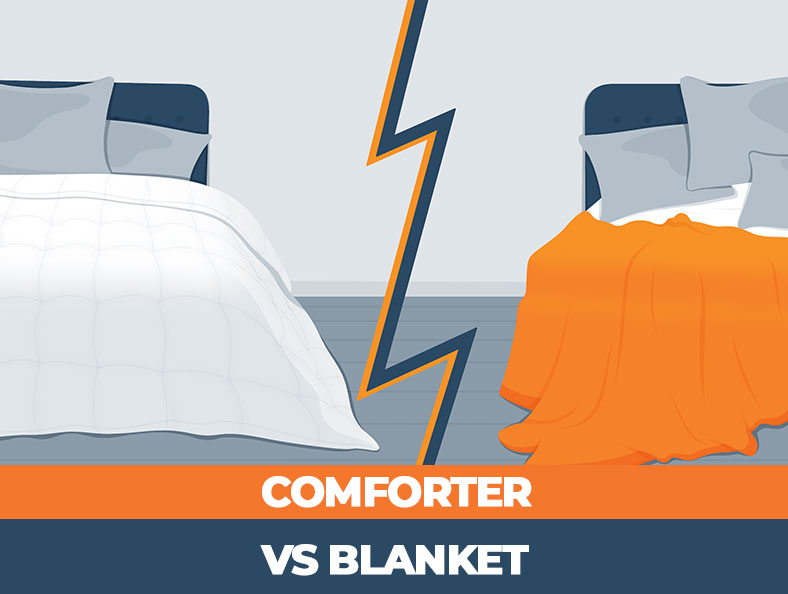
Credit: www.sleepadvisor.org
Aesthetic Appeal
The look of your bedding sets the mood in your room. Comforters and blankets both add style but in different ways. Their design can change how cozy and inviting your space feels. Choosing the right one depends on the colors, patterns, textures, and options to personalize.
Color And Patterns
Comforters often come in bright colors and bold patterns. They catch the eye and can be the room’s main focus. Blankets usually have simpler designs or solid colors. They blend easily with other decor. Both can bring warmth to your bedroom style.
Texture And Feel
Comforters are thick and fluffy, adding a soft, plush look. They feel heavy and warm to the touch. Blankets are lighter and smoother, with many made from woven fabrics. Their texture gives a casual and cozy vibe. The feel affects how the room looks and feels.
Customization Options
Comforters can be customized with different prints and stitching styles. You can find options with embroidery or unique patterns. Blankets offer many materials like fleece, wool, or cotton. Some blankets can be personalized with names or designs. These choices help match your personal taste and room decor.
Cost Comparison
Choosing between a comforter and a blanket often depends on cost. Understanding price differences helps you find the best fit for your budget. This section breaks down the costs clearly. It looks at price ranges, value for money, and long-term investment.
Price Ranges
Blankets usually cost less than comforters. Basic blankets can start from just a few dollars. Comforters tend to be pricier because they have more filling and fabric. Prices for comforters can range from budget options to luxury models. The type of material affects the price for both.
Value For Money
Blankets offer good value for warm, simple use. They are easy to clean and replace. Comforters provide more warmth and style. They can be a better choice for cold climates. The extra cost can be worth it for comfort and design.
Long-term Investment
Comforters often last longer if cared for properly. They keep their shape and warmth over time. Blankets may wear out faster with daily use. Investing in a quality comforter can save money in the long run. Think about how often you will use the bedding. This helps decide which option is better for you.
Choosing Based On Sleep Style
Choosing the right bedding depends on your sleep style. Your body temperature and comfort needs matter most. Some people feel hot at night, while others get cold. Allergies also affect bedding choices. Picking between a comforter and a blanket can improve your sleep quality.
Understanding your sleep style helps you find the best option. Each type of bedding offers different benefits. Let’s explore which works best for hot sleepers, cold sleepers, and allergy sufferers.
For Hot Sleepers
Hot sleepers need breathable bedding. Blankets made of cotton or linen allow air flow. They keep you cool and dry through the night. Comforters can be too warm and trap heat. Choose a lightweight blanket to avoid sweating. Light layers work better than thick ones.
For Cold Sleepers
Cold sleepers want extra warmth and coziness. Comforters with down or synthetic fill provide insulation. They trap heat well and keep you warm all night. Blankets can be layered for added warmth but might not be enough alone. A thick comforter helps maintain body heat better.
For Allergy Sufferers
Allergy sufferers need hypoallergenic bedding. Look for comforters and blankets labeled allergy-friendly. Materials like microfiber and certain cotton types resist dust mites. Wash bedding often to reduce allergens. Comforters often have covers that protect against irritants better than blankets.
Eco-friendly Options
Choosing eco-friendly comforters and blankets helps protect the planet. These options use less energy and fewer chemicals. They also reduce waste and pollution. Sustainable bedding makes your home cozy and green.
Sustainable Materials
Eco-friendly comforters and blankets often use natural fibers. Cotton, wool, bamboo, and hemp are popular choices. These materials grow quickly and need fewer chemicals. They break down naturally after use. Using sustainable fabrics helps save water and soil.
Recyclability
Recyclable bedding reduces trash in landfills. Some comforters and blankets can be recycled after use. Look for products made with recyclable fibers or fillings. Recycling saves energy and reduces pollution. It supports a circular economy for textiles.
Certifications To Look For
Certifications show products meet eco-friendly standards. GOTS means organic textile production without harmful chemicals. OEKO-TEX ensures no toxic substances in fabrics. Look for Fair Trade to support ethical work conditions. These labels help you choose safe, green bedding.
Frequently Asked Questions
What Is The Main Difference Between A Comforter And A Blanket?
A comforter is thick and filled with insulation, while a blanket is thinner and flat. Comforters keep you warmer in cold weather. Blankets are lighter and good for layering.
Which Is Warmer: A Comforter Or A Blanket?
Comforters are generally warmer because they have thick filling inside. Blankets offer less warmth but can be combined for extra heat. Choose based on how cold your room is.
Can I Use A Blanket Instead Of A Comforter?
Yes, but blankets may not keep you as warm as comforters. Layering multiple blankets can help in colder weather. Comforters are better for single-use warmth.
How Do Comforters And Blankets Differ In Cleaning?
Blankets are usually easier to wash and dry at home. Comforters may need special care or professional cleaning. Check the care label before washing either.
Which Is Better For Summer, Comforter Or Blanket?
Blankets are better for summer because they are lighter and cooler. Comforters may feel too hot in warm weather. Choose breathable materials for summer comfort.
Do Comforters And Blankets Come In Different Sizes?
Yes, both comforters and blankets come in many sizes to fit beds. Sizes include twin, queen, and king. Pick the size that matches your bed for best use.
Conclusion
Choosing between a comforter and a blanket depends on your needs. Comforters are thick and warm, perfect for cold nights. Blankets are lighter and easier to carry around. Both keep you cozy but serve different purposes. Think about the weather and your comfort.
Your choice can make a big difference in sleep quality. Enjoy warmth and comfort your way every night.