
Are you torn between choosing acrylic or oil paint for your next masterpiece? Picking the right paint can change everything—from how your colors pop to how long your artwork lasts.
Whether you’re just starting out or looking to try something new, understanding the key differences will help you create with confidence. Keep reading to discover which paint suits your style and goals best. Your perfect painting experience is just a few brushstrokes away.

Credit: www.davidlangevin.com
Characteristics Of Acrylic Paint
Acrylic paint is popular among artists for many reasons. It is a water-based paint that dries fast. This makes it easy to work with, even for beginners. Acrylic paint also offers bright colors and a smooth finish. Its unique qualities help artists create different effects on canvas or paper.
Below are the main features of acrylic paint that make it special.
Drying Time
Acrylic paint dries very quickly. Most layers dry within 10 to 30 minutes. This speed lets artists paint multiple layers in one session. It also reduces the wait time before adding details or new colors. Quick drying helps avoid smudges and mistakes.
Color Vibrancy
Acrylic paints have bright and bold colors. The pigments stay strong even after drying. This makes artwork look lively and fresh. Colors do not fade easily under normal light. Artists can mix many shades without losing brightness.
Texture And Finish
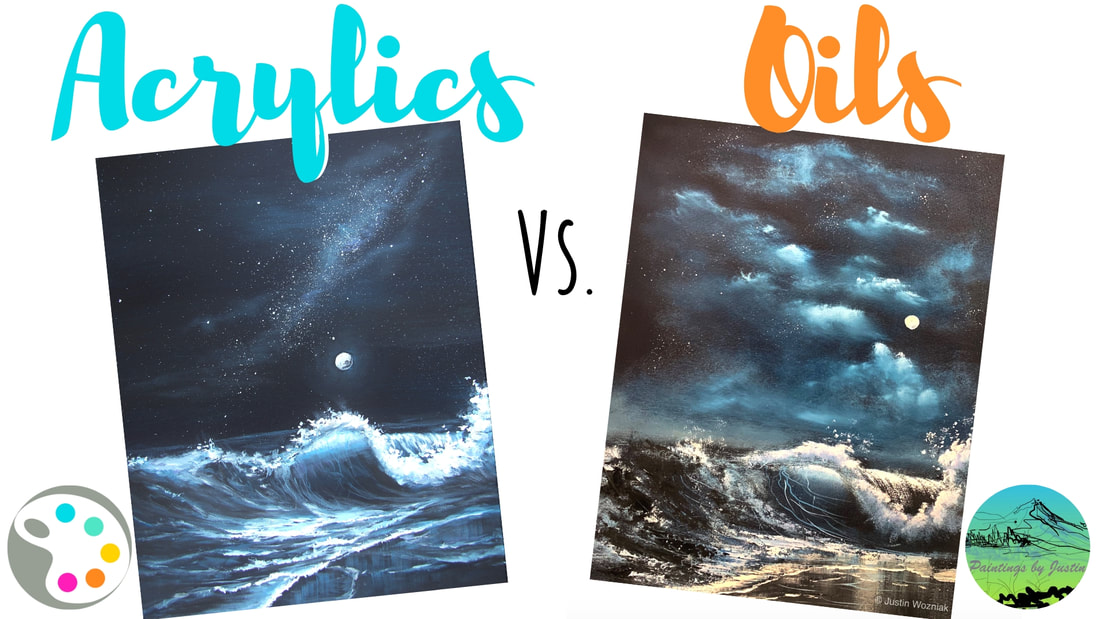
Acrylic paint offers a smooth or textured finish. Artists can apply it thin or thick, depending on style. It can look glossy, matte, or satin after drying. The paint holds brush strokes well, adding depth to the art. This flexibility suits many painting techniques.
Durability
Acrylic paint is durable and long-lasting. It resists cracking and peeling over time. The paint is water-resistant once dry, protecting the artwork. It works well on many surfaces like canvas, wood, and paper. This strength keeps paintings looking good for years.
Credit: createfulart.com
Characteristics Of Oil Paint
Oil paint has unique qualities that many artists appreciate. It offers rich colors and a smooth texture. These features make it a favorite for detailed and long-lasting artworks. Understanding the key traits of oil paint helps artists choose the right medium for their projects.
Drying Time
Oil paint dries slowly compared to other paints. It can take days or weeks to dry fully. This slow drying time lets artists blend colors easily. Painters can work on small areas over time without rushing.
Color Depth
Oil paints provide deep and vibrant colors. The pigments mix with oil, giving a rich look. Colors appear more intense and can be layered for effects. This makes oil paint ideal for realistic and vivid paintings.
Texture And Finish
Oil paint has a creamy texture that spreads smoothly. Artists can create thick or thin layers as desired. The finish can be glossy or matte, depending on the technique. This versatility allows for different visual styles.
Durability
Oil paint creates long-lasting artworks. It resists fading and cracks over time. Properly cared for, oil paintings can last centuries. This durability makes oil paint a trusted choice for fine art.
Comparing Application Techniques
Comparing the application techniques of acrylic and oil paints reveals key differences. These differences affect how artists create texture, depth, and color blends. Understanding these methods helps artists choose the right paint for their style and project.
Blending And Layering
Acrylic paint dries quickly, so blending must happen fast. Artists often work wet-on-wet to mix colors smoothly. Layering is easier because acrylics dry in minutes. Thin layers build up texture without long waits.
Oil paint dries slowly, allowing long blending times. Colors mix seamlessly on the canvas. Artists can rework areas over days or weeks. Layering oil paint creates rich, deep effects. This slow drying time suits detailed work.
Brushwork Styles
Acrylic brushes need quick strokes to keep paint wet. The paint feels lighter and less sticky. Artists often use bold, short brushwork. Acrylics also work well with sponges and palette knives.
Oil paint supports smooth, flowing brushwork. The thick, creamy texture holds brush marks clearly. Artists can create soft or sharp edges easily. Brush strokes stay wet longer, allowing changes.
Use Of Mediums And Solvents
Acrylics mix with water or acrylic mediums to change texture and drying time. Mediums can add gloss, matte finish, or thickness. No harmful solvents are needed, making cleanup simple with soap and water.
Oils need solvents like turpentine for thinning and cleaning. Artists use linseed oil or other oils to slow drying and add shine. These mediums affect paint flow and final appearance. Proper ventilation is important when using oils.
Health And Safety Considerations
Health and safety matter a lot when choosing between acrylic and oil paints. Both types have risks that artists should know. Knowing these risks helps keep your workspace safe and your body healthy. This section explains the key health and safety points for each paint type.
Toxicity And Fumes
Oil paints often contain solvents like turpentine. These solvents release strong fumes that can harm your lungs. Acrylic paints are water-based and usually less toxic. Still, some acrylics have chemicals that might cause skin irritation. Always check the paint label for safety warnings.
Ventilation Needs
Good air flow is very important when using oil paints. Open windows or use fans to clear fumes quickly. Acrylic paints need less ventilation but a fresh air space is best. Avoid painting in closed rooms to reduce breathing in harmful substances.
Clean-up Methods
Oil paint clean-up requires solvents like mineral spirits. These solvents can be harmful if not handled well. Wear gloves and use them in well-ventilated areas. Acrylic paint cleans up easily with soap and water. This makes acrylic safer and simpler to manage after painting.
Cost And Accessibility
Choosing between acrylic and oil paint often depends on cost and how easy it is to find supplies. Both types have different prices and availability. Also, the skill needed to start using each paint varies. Understanding these factors helps beginners and pros pick the right paint for their work.
Price Range
Acrylic paints usually cost less than oil paints. You can buy good acrylic sets for beginners at a low price. Oil paints tend to be more expensive because of their quality and materials. Also, you may need extra supplies like solvents and mediums with oil paints, raising the total cost.
Availability Of Supplies
Acrylic paint and supplies are easy to find in most art stores. Many brands offer wide choices. Oil paints and related items are also available, but some special colors or mediums might be harder to get. Acrylic paints dry quickly, so you do not need many extra tools.
Learning Curve
Acrylic paint dries fast, so mistakes can be fixed quickly. This makes acrylic good for beginners. Oil paint dries slowly, requiring more patience and skill. It needs knowledge of how to mix and clean brushes properly. Learning oil painting can take more time and practice.
Suitability For Different Artists
Choosing between acrylic and oil paint depends on the artist’s experience and style. Both paints offer unique benefits for different skill levels and creative needs. Understanding their suitability helps artists pick the right medium for their work.
Each type of paint behaves differently. Acrylics dry fast and are easy to clean. Oils take longer to dry but allow more time for blending. These traits affect how beginners, professionals, and mixed media artists use them.
Beginners
Acrylic paint suits beginners well. It dries quickly and is easy to handle. Mistakes can be fixed fast, which helps learning. Acrylics clean up with water, avoiding harsh chemicals. This makes starting art less stressful and more fun.
Oil paint can be harder for beginners. It takes a long time to dry and needs special solvents. Beginners might find it tricky to control and clean. Oil paints require more patience and tools, which can slow learning.
Professional Artists
Professional artists often prefer oil paints for their rich colors. Oils blend smoothly, creating soft and detailed effects. They allow more time to work on a piece carefully. This suits artists who want depth and texture in their work.
Acrylics also appeal to professionals. They offer fast drying times and versatility. Artists can layer colors quickly and experiment freely. Acrylics work well for bold, modern styles and large projects.
Mixed Media Enthusiasts
Mixed media artists benefit from acrylic paints the most. Acrylics stick well to many surfaces like paper, wood, and fabric. They dry fast, allowing quick layering with other materials. This speed helps keep the creative flow going.
Oil paints are less common in mixed media. Their slow drying and strong smell limit use with other materials. Oils may cause damage to delicate layers underneath. Mixed media artists often avoid oils to protect their work.
Environmental Impact
Choosing between acrylic and oil paint involves more than just color and drying time. The environmental impact of these paints matters for many artists. Understanding how they affect our planet helps make better choices.
Sustainability Of Materials
Acrylic paints are made from plastic polymers. These come from fossil fuels, which are non-renewable. Oil paints use natural oils like linseed oil. Linseed oil comes from flax seeds, a renewable resource.
Acrylics rely on synthetic chemicals. These can take a long time to break down in nature. Oil paints, being natural, are more biodegradable. Yet, some oil paints contain heavy metals, which are harmful.
Waste And Disposal
Acrylic paint waste is harder to dispose of safely. It can pollute water if washed down drains. Oil paint waste needs special handling too. Solvents used to clean brushes are toxic and must be recycled properly.
Both paints require careful disposal to reduce harm. Using less paint and recycling containers helps lower waste. Choosing eco-friendly brands also supports better environmental care.
Tips For Choosing The Right Medium
Choosing the right paint medium affects the outcome of your artwork. Each type of paint has unique features that suit different needs. Knowing these helps you pick what fits your style and project best.
Project Type
Consider the kind of project you want to complete. Acrylic paint dries fast, making it ideal for quick work. Oil paint takes longer to dry, allowing more time to blend colors. For detailed portraits, oil might be better. For bold, fast art, acrylic works well.
Desired Effects
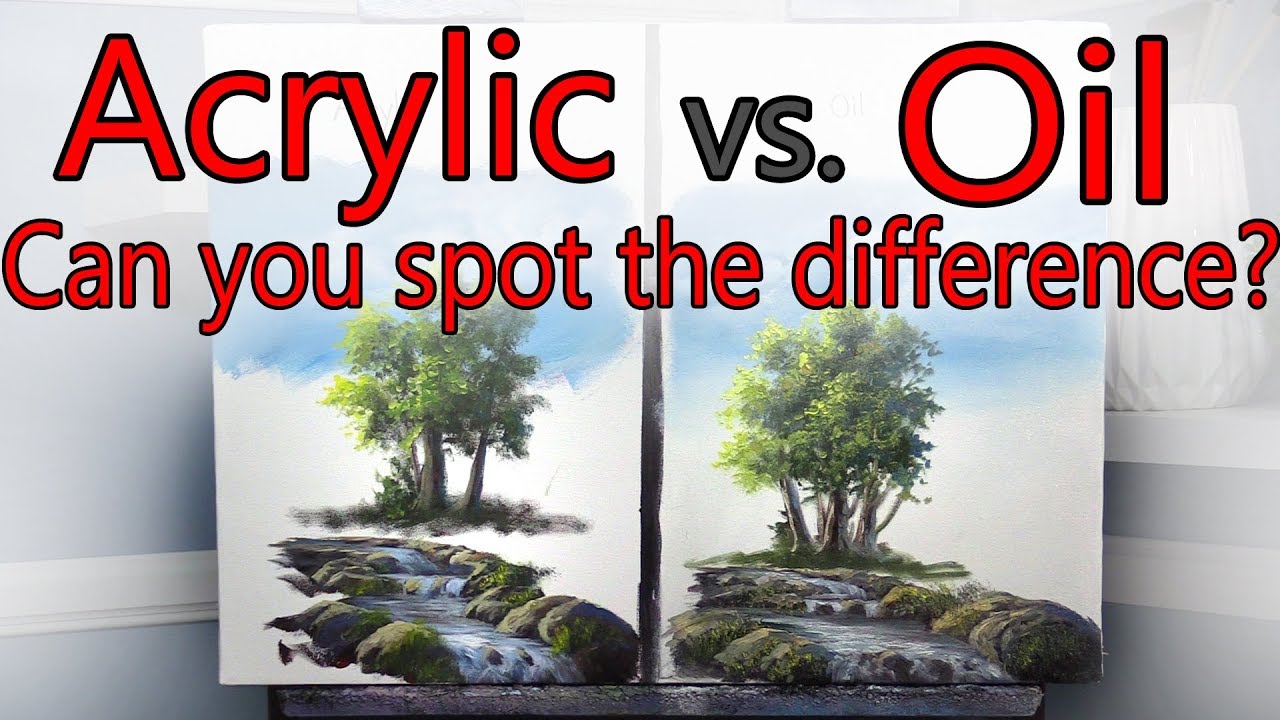
Think about the look you want. Acrylics offer bright, solid colors and can mimic watercolor or oil effects. Oils give rich, smooth textures and deep color layers. Choose acrylic for sharp, clean edges. Pick oil for soft, blended tones.
Working Environment
Check your workspace conditions. Acrylics are water-based and less smelly, good for small or indoor spaces. Oils use solvents that can smell strong and need ventilation. If space is limited, acrylics are safer and easier to clean.
Credit: www.youtube.com
Frequently Asked Questions
What Are The Main Differences Between Acrylic And Oil Paint?
Acrylic paint dries quickly and is water-based. Oil paint takes longer to dry and uses oils as a base. This affects texture, blending, and cleanup.
Which Paint Type Is Better For Beginners, Acrylic Or Oil?
Acrylic paint is easier for beginners due to fast drying and simple cleanup. Oil paint needs more patience and special solvents for cleaning.
How Does Drying Time Affect Painting With Acrylic Vs Oil?
Acrylic paint dries in minutes to hours, allowing fast layering. Oil paint can take days or weeks to dry, which helps with blending.
Can Acrylic Paint Mimic The Look Of Oil Paint?
Acrylics can imitate oil texture using mediums and slow-dry additives. Still, oils have a richer, more natural finish that’s hard to copy.
Which Paint Lasts Longer, Acrylic Or Oil?
Oil paint can last for centuries if properly cared for. Acrylics are durable but may fade or crack faster under extreme conditions.
What Are The Health And Safety Differences Between Acrylic And Oil Paint?
Acrylic paint is water-based and less toxic, making it safer indoors. Oil paint often requires chemicals and solvents, which need good ventilation.
Conclusion
Choosing between acrylic and oil paint depends on your style and needs. Acrylics dry fast and clean easily with water. Oils take longer to dry but offer rich colors and smooth blending. Both have unique qualities that suit different projects.
Try both to see which feels right. Painting is about enjoying the process and expressing yourself. Your choice can change with each artwork. Keep experimenting and have fun with your art.