
Choosing between a shower liner and a shower curtain might seem simple, but it can make a big difference in your bathroom’s look and function. You want something that keeps water where it belongs, looks good, and lasts long.
But which one is right for you? You’ll discover the key differences, pros, and cons of shower liners and shower curtains. By the end, you’ll know exactly what fits your needs and style. Keep reading to make the best choice for your bathroom!
Shower Liners Basics
Shower liners are important in every bathroom. They protect the outer shower curtain and keep water inside the shower area. Choosing the right liner helps stop water damage and keeps the bathroom clean. Knowing basic facts about shower liners can make a big difference in your choice.
Understanding what shower liners are made of, their waterproof features, and how to care for them will help you pick the best one. These points also help the liner last longer and work better.
Material Types
Shower liners come in different materials. Vinyl is very common and cheap. It is easy to clean but can tear over time. PEVA and EVA are newer materials. They are non-toxic and safer for the environment. Fabric liners, like polyester, feel soft but need a waterproof backing. Each material has its own strengths and weaknesses.
Waterproof Features
Waterproofing is a must for shower liners. Vinyl liners block water well but may trap mold if not dried. PEVA and EVA liners resist water and are mildew resistant. Fabric liners need a special coating to stop water. The right liner keeps water inside the shower and protects floors and walls.
Maintenance Tips
Cleaning your shower liner regularly prevents mold and mildew. Use mild soap and warm water. Avoid harsh chemicals that damage the liner. Hang the liner fully open after each shower to dry. Washing fabric liners in a gentle cycle helps keep them fresh. Replace liners every year or when they get damaged.
Shower Curtains Basics
Shower curtains are a simple way to keep water inside your shower area. They protect your bathroom floor from getting wet. Shower curtains also add style to your bathroom. Knowing the basics helps you pick the right one for your needs.
Choosing the right shower curtain affects both function and look. You can find many styles, materials, and care options. This guide covers key points about shower curtains.
Fabric Options
Shower curtains come in many fabrics. Common choices include polyester, cotton, and vinyl. Polyester is water-resistant and dries quickly. Cotton feels soft but needs a liner to stay dry. Vinyl is cheap and waterproof but can smell strong. Some curtains mix fabrics to improve durability and style.
Design Varieties
Designs vary from plain colors to bold prints. You can find stripes, flowers, or geometric patterns. Some curtains have textures or embroidery. Clear or frosted curtains let light pass through. Designs help match your bathroom’s theme and mood.
Cleaning Methods
Most shower curtains are easy to clean. Fabric curtains can usually go in the washing machine. Use mild detergent and gentle cycle. Vinyl curtains can be wiped with soap and water. Dry curtains fully to avoid mold and mildew. Regular cleaning keeps your bathroom fresh and safe.
Durability Comparison
Durability plays a big role in choosing between a shower liner and a shower curtain. Both protect the bathroom from water damage but last different lengths of time. Understanding their lifespan helps pick the best option for daily use.
Lifespan Of Liners
Shower liners are usually made of plastic or vinyl. They resist water well but can tear or crack over time. On average, a liner lasts about 1 to 2 years. Mildew and soap scum can build up, reducing its life. Regular cleaning can extend the liner’s durability.
Lifespan Of Curtains
Shower curtains come in fabric or vinyl materials. Fabric curtains often last longer, up to 3 or 4 years. They are washable and resist mold better. Vinyl curtains may last about 2 years but can fade or crack. Proper care keeps curtains looking fresh and lasting longer.
Credit: www.imaidshare.com
Installation And Fit
Installing a shower liner or curtain correctly helps keep your bathroom dry. Fit matters a lot. A good fit stops water from leaking onto your floor. Both liners and curtains need accurate measuring and proper hanging. Let’s explore how to get the best installation for each.
Measuring Your Shower
Start by measuring the width of your shower or tub. Use a tape measure and note the size. Measure from one wall to the other. For height, measure from the rod to the tub edge. Add a few extra inches for liners so they hang inside the tub. Curtains usually need to cover the entire height to stop splashes.
Hanging Techniques
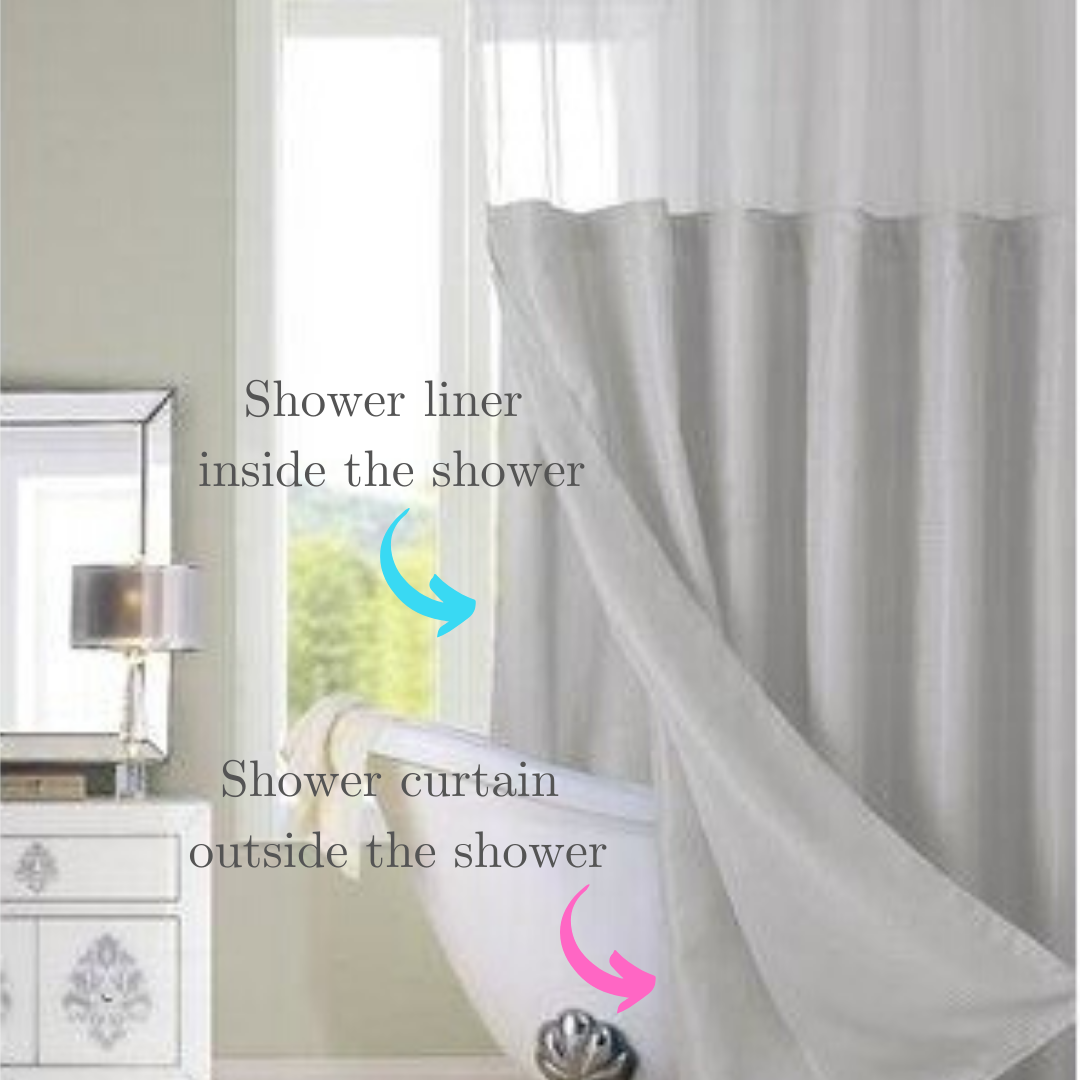
Shower liners often hang inside the tub using hooks or rings. Make sure the liner touches the tub to catch water. Curtains hang outside the tub and can be longer to cover the shower area. Use rust-proof hooks for both. Attach hooks evenly to avoid gaps. Check the curtain or liner moves smoothly along the rod. This helps in easy opening and closing.
Cost And Budget
Choosing between a shower liner and a shower curtain often depends on cost and budget. Understanding the expenses involved helps you make a smart choice. Both options have different price points and ongoing costs. Knowing these details can save money over time.
Initial Investment
Shower liners usually cost less upfront. They are simple plastic or vinyl sheets. These liners protect your bathroom floor from water. Shower curtains come in various materials like fabric or polyester. Fabric curtains often cost more than liners. Curtains add style and color to your bathroom. The price depends on the design and fabric quality.
Long-term Expenses
Shower liners need frequent replacement. Plastic liners can tear or mildew easily. Replacing liners every few months is common. Shower curtains last longer with proper care. Fabric curtains may require washing and drying. Some curtains need special cleaning methods. Investing in a good curtain may reduce future costs. Consider durability to balance budget and quality.
Mold And Mildew Resistance
Mold and mildew can grow quickly in wet bathroom areas. Shower liners and curtains both face this problem. Choosing the right material helps reduce mold and mildew growth. Understanding how each holds up against moisture is important for a clean bathroom.
Preventive Measures
Use a shower liner made of mold-resistant material like vinyl. Keep curtains and liners fully extended after showers. This allows air to dry them faster. Avoid folding or bunching up liners and curtains. Place a fan or open a window to reduce moisture. These steps slow down mold and mildew growth.
Cleaning Frequency
Clean shower liners and curtains regularly. Wash them every two weeks to prevent buildup. Use mild soap and warm water for cleaning. Avoid harsh chemicals that can damage the material. Dry them completely before putting back in place. Regular cleaning keeps mold and mildew away.
Environmental Impact
The environmental impact of shower liners and curtains matters to many buyers. Choosing the right option helps reduce waste and pollution. Both products affect the planet differently. Understanding their materials and disposal methods is key.
Eco-friendly Materials
Shower curtains often come in vinyl or polyester. Vinyl is a type of plastic that can harm the environment. Polyester is synthetic and not biodegradable. Some shower liners use PEVA or EVA, which are less toxic plastics. Natural fibers like cotton or hemp are rare but better for the earth. These materials break down faster and cause less pollution.
Disposal Considerations
Vinyl liners and curtains usually end up in landfills. They take many years to break down. Some can release harmful chemicals as they degrade. Recycling options are limited for these plastics. Biodegradable liners and curtains reduce landfill waste. Compostable materials return nutrients to the soil. Choosing products with clear disposal instructions helps reduce environmental harm.
Credit: www.wayfair.com
Aesthetic Appeal
The look of your shower area can change the whole bathroom feel. Choosing between a shower liner and a shower curtain affects this look a lot. Both have different styles and uses. Understanding their aesthetic appeal helps you pick the right one.
Color And Pattern Choices
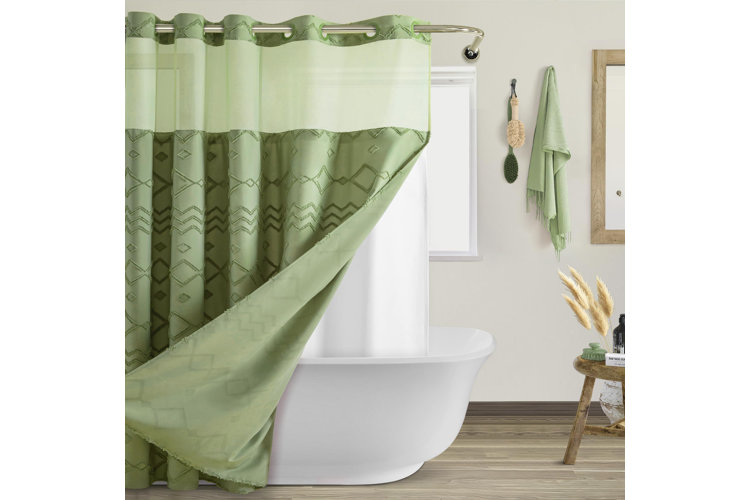
Shower curtains come in many colors and patterns. Bright, bold, or soft shades fit any style. Patterns add fun or elegance to the space. Liners are usually clear or white. They focus on function, not style. You can pair liners with colorful curtains for a fresh look.
Coordinating With Bathroom Decor
Shower curtains can match towels, rugs, or walls. This creates a smooth, stylish look. Liners blend in and keep the curtain neat. They do not affect room colors or themes. Use liners to protect while letting curtains shine. This way, your bathroom looks clean and well-planned.
User Preferences And Practicality
User preferences and practicality play a big role in choosing between a shower liner and a shower curtain. Both have unique benefits that suit different needs. Some people focus on how easy they are to use. Others care more about safety and durability.
Understanding these factors helps pick the best option for your bathroom. Comfort, cleaning, and protection all matter. Let’s explore these points closely to see what works well for daily use.
Ease Of Use
Shower liners are simple to install and remove. Most liners are lightweight and flexible. They fit inside the tub to stop water from spilling out. Cleaning liners is quick with mild soap and water.
Shower curtains come in many styles and colors. They add style and personality to a bathroom. Curtains are easy to hang and can be machine washed. Some people find curtains harder to keep dry. They may stick to the skin while showering.
Safety Features
Shower liners often have anti-mold and mildew properties. This keeps the bathroom healthier. Liners made from vinyl or PEVA are water-resistant. They reduce the risk of slipping on wet floors.
Shower curtains are usually thicker but may absorb water. This can cause mold if not dried properly. Some curtains have weighted bottoms to keep them in place. This prevents water from leaking outside the tub area.

Credit: www.linensandhutch.com
Frequently Asked Questions
What Is The Main Difference Between A Shower Liner And Curtain?
A shower liner blocks water from spilling outside the tub. A curtain adds style and privacy to your bathroom.
Can I Use A Shower Liner Without A Curtain?
Yes, a liner can work alone to keep water in. But it may look plain without a decorative curtain.
How Often Should I Replace My Shower Liner?
Replace your liner every 6 to 12 months. Mold and mildew can build up over time.
Do Shower Liners Help Prevent Mold And Mildew?
Yes, liners are made to resist water and mold. Proper cleaning also helps keep mold away.
Which Is Easier To Clean: Liner Or Curtain?
Liners are usually made of plastic, so they wipe clean easily. Curtains might need machine washing.
Can I Mix Different Styles Of Liners And Curtains?
Yes, mixing colors and patterns can create a unique look. Just make sure the liner fits inside the tub.
Conclusion
Choosing between a shower liner and a shower curtain depends on your needs. Liners keep water inside the tub and protect the wall. Curtains add style and come in many colors and patterns. Both have benefits for keeping your bathroom dry and looking good.
Think about what matters most: function or design. Either way, you can create a clean and comfortable shower space. Small changes make a big difference in daily comfort. Pick what fits your bathroom and lifestyle best.