
Choosing the right flooring can change the entire look and feel of your home. When it comes to hardwood, two popular options stand out: maple and oak.
But which one is truly best for your space? You might be wondering about durability, style, or even the cost. This article will help you understand the key differences between maple and oak flooring so you can make a confident choice.
Keep reading to discover which wood fits your lifestyle and taste perfectly.
Wood Characteristics
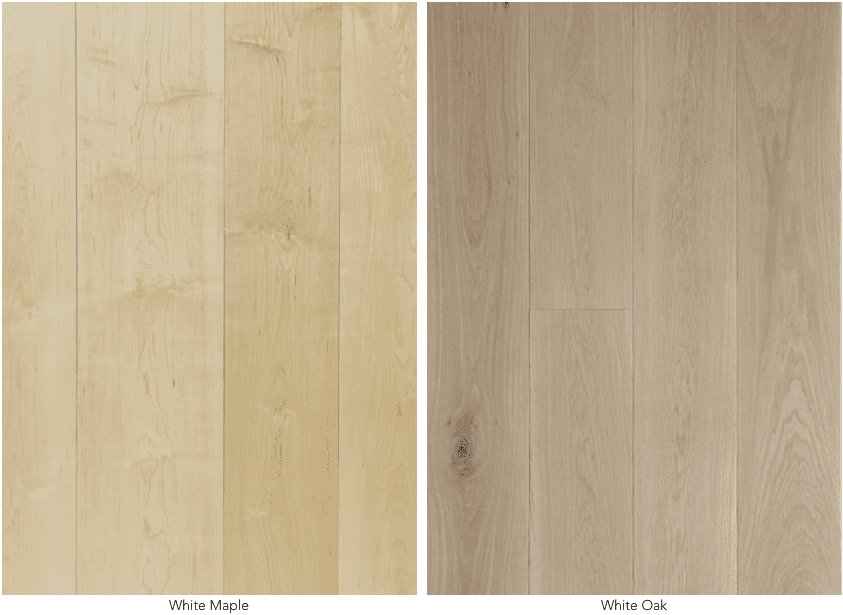
Maple flooring offers a smooth, fine grain with a light color, creating a clean look. Oak flooring shows a stronger grain and is usually darker, adding warmth and character. Both woods are durable but differ in texture and appearance.
Grain Patterns
Maple wood has a fine, smooth grain with a subtle pattern. It looks clean and uniform, giving floors a modern feel.
Oak wood shows a more pronounced grain with visible lines and knots. It creates a rustic, natural appearance that many find charming.
Color Variations
Maple floors usually have a light, creamy color. The tone stays consistent, brightening rooms easily.
Oak flooring varies from light tan to deep brown shades. This variety adds warmth and character to any space.
Hardness And Durability
Maple is very hard and resists dents well. It suits busy homes and high-traffic areas.
Oak is also tough and durable. It can handle wear and tear while looking great for years.
Appearance And Style
The appearance and style of flooring play a big role in a room’s feel. Maple and oak flooring offer unique looks. Each wood type adds different character and charm. Choosing the right one can change your space’s mood.
Both woods have natural beauty. The colors, grains, and textures affect the style. Understanding these differences helps pick the best fit for your home.
Natural Look
Maple has a light, creamy color with a smooth grain. It looks clean and bright. Oak shows a stronger grain pattern. Its color varies from light brown to reddish tones. Oak feels warmer and more rustic. Maple offers a more modern and subtle appearance. Oak gives a classic and cozy vibe.
Finish Options
Maple flooring accepts stains and finishes well. It can look glossy or matte. Oak also takes finishes easily but highlights its grain more. Oak’s texture adds depth with stains. Both woods allow customization. You can match your style with the right finish. Maple suits sleek finishes. Oak works well with textured and aged looks.
Suitability For Different Interiors
Maple fits well in modern and minimalist homes. Its light tone brightens spaces and opens rooms visually. Oak suits traditional, rustic, and farmhouse styles. It adds warmth and character to rooms. Oak also complements vintage or country designs. Both woods can work in many settings. Match your floor choice to your home’s overall style.
Installation And Maintenance
Choosing between maple and oak flooring means thinking about installation and maintenance. These factors affect how easy the floor is to set up and keep looking good. Both types have unique needs that suit different lifestyles and budgets.
Ease Of Installation
Maple flooring is often harder to install. Its hardness requires special tools and skills. Oak is softer and easier to cut, making installation simpler. Both woods come in planks or strips, but oak fits better in DIY projects. Professional help speeds up the process for both types.
Cleaning Tips
Keep maple and oak floors clean with regular sweeping or vacuuming. Use a damp mop with mild soap for deeper cleaning. Avoid harsh chemicals that can damage the wood. Wipe spills quickly to prevent stains and water damage. A soft cloth works best to keep the surface shiny.
Longevity And Wear
Maple is very durable and resists dents well. It holds up in high-traffic areas longer. Oak also lasts many years but may show scratches sooner. Both floors can be sanded and refinished to look new. Regular care helps maintain their beauty and strength over time.

Credit: villagiowoodfloors.com
Cost Comparison
Choosing between maple and oak flooring depends a lot on cost. Understanding the price differences helps you make a smart decision. This section compares the costs in three key areas: material price, installation costs, and value over time.
Material Price
Maple wood tends to cost less than oak. The price varies by grade and finish. Oak usually has a higher price due to its popularity and grain pattern. Both woods come in solid and engineered forms, affecting the cost. Solid maple is often cheaper than solid oak. Engineered versions may have closer prices.
Installation Costs
Installing maple or oak flooring costs about the same. Labor charges depend on floor size and complexity. Oak can be slightly harder to cut and shape. This may increase labor time and costs. Maple’s smooth grain makes it easier to work with. Installation prices are close but maple may save a bit.
Value Over Time
Oak flooring holds its value well over years. It resists dents and scratches better than maple. Maple is durable but softer than oak. Both woods can last decades with care. Oak often adds more resale value to homes. Maple offers good value but less prestige than oak.
Environmental Impact
Choosing between maple and oak flooring affects the environment differently. Maple grows faster, making it a more renewable option. Oak takes longer to mature but offers strong durability, reducing the need for frequent replacement.
Sustainability
Maple and oak are hardwoods that come from trees. Both trees grow at different speeds. Maple trees grow faster than oak trees. Faster growth means more wood can be harvested in less time. This helps reduce deforestation risks. Sustainable harvesting means cutting trees without harming the forest. Maple’s quicker growth makes it a more sustainable option for flooring.
Oak trees take longer to mature. It means fewer trees are ready for cutting each year. This can put more pressure on oak forests. Sustainable forest management is important for both woods. It ensures forests stay healthy and can regrow after logging.
Source Availability
Maple wood is widely available in North America. Many forests grow maple trees naturally. This makes maple easier to source locally. Local sourcing reduces transport emissions and costs. Oak wood is also common but found in fewer areas. Oak forests are spread across North America and Europe. Sometimes oak must be imported, increasing its carbon footprint.
Choosing wood that grows near you helps the environment. Maple’s better local availability often means a smaller environmental impact. Oak may require longer shipping routes, raising emissions.
Eco-friendly Certifications
Look for wood with eco-friendly certifications. These show the wood comes from well-managed forests. Common certifications include FSC (Forest Stewardship Council) and PEFC (Programme for the Endorsement of Forest Certification). Both maple and oak can have these labels. Certified wood supports sustainable forestry practices. It ensures trees are harvested responsibly.
Choosing certified flooring reduces harm to ecosystems. It helps protect wildlife and water quality. Always check for these certifications when buying wood flooring.

Credit: www.canadafloorsdepot.com
Best Uses For Each Wood
Choosing between maple and oak flooring depends on the space and its needs. Each wood type has unique qualities that suit different rooms. Understanding the best uses for each wood helps you pick the right floor for your home.
High-traffic Areas
Maple is very hard and resists dents well. It stands up to heavy foot traffic in busy rooms. Oak is also durable but softer than maple. Both woods work well in hallways and living rooms. Maple might last longer in places with many people.
Moisture-prone Spaces
Oak handles moisture better than maple. It is less likely to warp or swell. Bathrooms and kitchens suit oak flooring well. Maple can swell if exposed to water often. Use maple in dry areas to keep it strong and stable.
Design Flexibility
Oak offers a wide range of colors and grains. It fits many styles, from rustic to modern. Maple has a smooth, light look that brightens rooms. It works great in minimalist or clean designs. Both woods give good options for different decors.
Common Myths And Facts
Choosing between maple and oak flooring brings many questions. Some ideas about these woods may not be true. It helps to clear up common myths and share real facts. This way, you can pick the best floor for your home with confidence.
Durability Misconceptions
Many think oak is always stronger than maple. Both woods are hard and last a long time. Maple can resist dents better in some cases. Oak often has more visible grain, which hides scratches well. The real strength depends on the wood type and finish used.
Maintenance Challenges
Some say maple floors need more care than oak. Both types need regular cleaning and a good finish. Maple’s smooth surface can show dirt quickly. Oak’s grain pattern can hide dust better. Simple sweeping and occasional polishing keep both floors fresh.
Color Fading
People worry maple fades faster in sunlight. Both woods can change color over time. Oak may turn more yellow or amber. Maple tends to lighten with sun exposure. Using window coverings and UV-resistant finishes helps protect the color of any wood floor.
Credit: wideplankflooring.com
Frequently Asked Questions
What Are The Main Differences Between Maple And Oak Flooring?
Maple has a smooth, fine grain, while oak shows a more pronounced grain. Oak is harder and more durable than maple. Both offer unique looks and strengths.
Is Maple Or Oak Flooring More Durable?
Oak is generally harder and more resistant to dents than maple. Maple is still strong but may show scratches easier. Choose based on your home’s traffic and use.
Which Flooring Is Better For Modern Home Designs?
Maple’s light, clean look fits well with modern and minimalist styles. Oak’s warm tones suit traditional and rustic décor. Both can be stained to match your style.
How Does The Cost Of Maple Compare To Oak Flooring?
Maple flooring tends to be slightly less expensive than oak. Prices vary depending on quality and finish. Installation costs are similar for both types.
Can Maple And Oak Flooring Be Refinished Easily?
Both maple and oak can be sanded and refinished multiple times. Oak’s hardness means it may last longer through refinishing. Regular maintenance keeps either floor looking good.
Which Flooring Type Resists Moisture Better, Maple Or Oak?
Neither maple nor oak is highly moisture-resistant. Oak has a slight edge due to its open grain. Use proper sealing and avoid excess water to protect both floors.
Conclusion
Both maple and oak offer strong, beautiful flooring choices. Maple has a smooth, light look that fits modern homes well. Oak shows rich grain patterns and warm tones, adding charm to any room. Think about your style, room use, and budget before deciding.
Either wood brings durability and natural beauty to your space. Choose what feels right for your home and enjoy floors that last for years. Simple, classic, and reliable—maple and oak both stand out in their own way.