
Are you thinking about upgrading your home’s interior but unsure whether to choose cathedral ceilings or vaulted ceilings? Both options can dramatically change the look and feel of your space, making it feel bigger, brighter, and more inviting.
But which one is right for your style, budget, and needs? Keep reading to discover the key differences, benefits, and what you should consider before making this important decision. By the end, you’ll feel confident about transforming your home with the perfect ceiling choice.

Credit: www.archwaysandceilings.com
Cathedral Ceilings
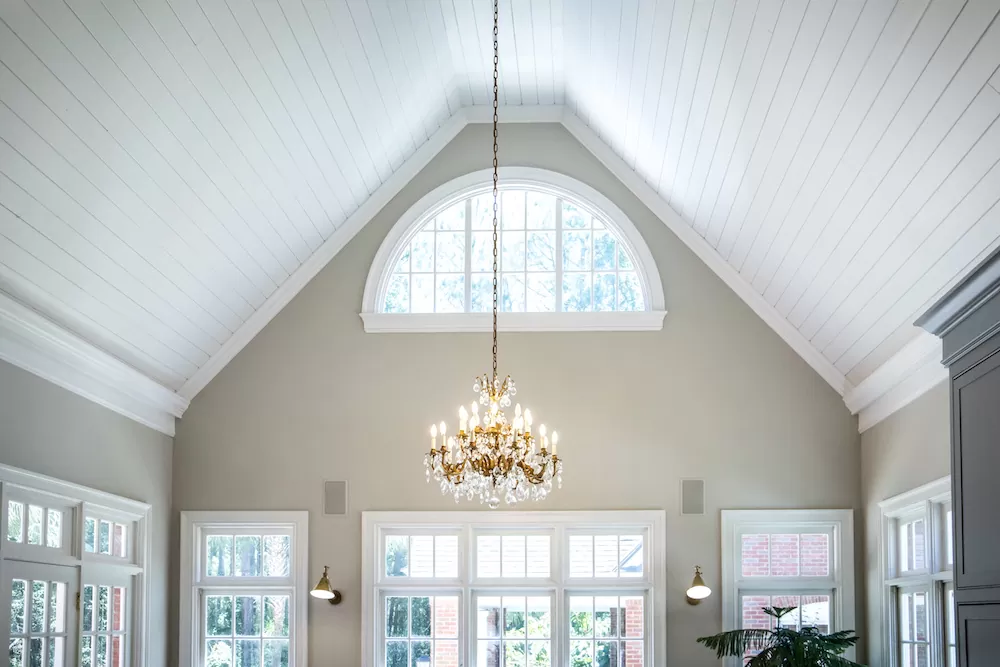
Cathedral ceilings create a sense of openness and height in a room. They follow the roof’s pitch, forming a symmetrical peak. These ceilings add a dramatic and elegant look to any space. Many homes use cathedral ceilings to make rooms feel larger and more inviting.
Understanding their design and effects helps you choose the right ceiling style for your home.
Design Features
Cathedral ceilings rise steeply from both sides of a room. They meet at a central ridge, creating a pointed shape. This design often shows exposed beams or woodwork. The shape allows windows or skylights to be installed high on walls. These features bring more natural light inside. The symmetrical design suits traditional and modern homes alike.
Materials And Construction
Wood is a popular material for cathedral ceilings. It adds warmth and texture to the space. Drywall is also common for a smooth finish. Construction requires strong support beams due to the height. Builders must ensure proper insulation and ventilation. These steps prevent heat loss and moisture problems. Quality materials help maintain the ceiling’s beauty and strength over time.
Impact On Room Atmosphere
Cathedral ceilings create an airy and spacious feeling. They make rooms look bigger and less crowded. The high ceiling draws the eye upward, adding visual interest. Light from windows and skylights brightens the space. Sounds may echo more than in rooms with flat ceilings. Soft furnishings and rugs can help reduce noise. Overall, cathedral ceilings add charm and character.
Energy Efficiency Considerations
Tall ceilings can increase heating and cooling costs. Warm air rises, making it harder to heat the room. Proper insulation is essential to keep energy use low. Ceiling fans help circulate air and balance temperatures. Energy-efficient windows reduce heat loss through the walls. Thoughtful design can make cathedral ceilings more eco-friendly. Planning these factors saves money and energy year-round.
Credit: usihome.com
Vaulted Ceilings
Vaulted ceilings create a sense of space and openness in any room. They rise higher than standard ceilings and add a dramatic effect. These ceilings can make small rooms feel larger and grander. Many homeowners choose vaulted ceilings to add style and light.
Architectural Characteristics
Vaulted ceilings slope upward from the walls to a peak. They do not follow the roofline exactly. This design allows for an open, airy feel. The height varies, creating a spacious atmosphere. Vaulted ceilings often expose beams or rafters. These elements add texture and interest.
Common Styles And Shapes
Popular vaulted ceiling shapes include cathedral, barrel, and dome. Cathedral vaults have two sloping sides meeting in the middle. Barrel vaults form a smooth, curved arch. Dome vaults create a rounded, bowl-like ceiling. Each style offers a unique look and feel. The choice depends on the room’s design and size.
Lighting And Ventilation Effects
Vaulted ceilings allow natural light to flow freely. Skylights and large windows fit well in the slopes. This brightens the room and reduces the need for artificial light. Air circulates better with higher ceilings. This improves ventilation and keeps the space fresh. Proper lighting and airflow enhance comfort and energy use.
Structural Challenges
Building vaulted ceilings requires careful planning and support. The higher ceiling puts extra stress on walls and roof. Strong beams and trusses are necessary to hold the weight. Insulation can be tricky due to the angled surfaces. Heating and cooling costs may rise with larger air volume. These challenges need expert attention for safety and efficiency.
Comparing Aesthetics
Comparing the aesthetics of cathedral ceilings and vaulted ceilings helps homeowners choose the right style. Both create a sense of height and space but differ in shape and feel. Understanding their visual impact guides better design decisions.
Visual Appeal
Cathedral ceilings have two equal slopes that meet at a central ridge. This creates a strong, symmetrical look that feels grand and open. Vaulted ceilings rise at different angles and often follow the roof’s shape. They offer a more varied and dynamic appearance. Each style brings unique charm to a room’s design.
Suitability For Different Spaces
Cathedral ceilings work well in large rooms with wide floor plans. They enhance living rooms, great rooms, and master bedrooms. Vaulted ceilings fit smaller or irregular spaces better. They add interest without overwhelming the room. Choosing the right type depends on room size and shape.
Effect On Perceived Space
Both ceilings increase the perceived space by adding height. Cathedral ceilings create a dramatic vertical lift that draws the eye upward. Vaulted ceilings offer a softer rise, making spaces feel cozy yet open. Each affects how spacious and inviting a room feels.
Cost And Installation
Choosing between cathedral ceilings and vaulted ceilings affects your budget and installation process. Both styles add height and space to a room but differ in cost and complexity. Understanding these differences helps you plan better and avoid surprises.
Budget Factors
Cathedral ceilings often cost more due to extra materials. The steep slope and height require more lumber and drywall. Vaulted ceilings usually need less material and are simpler to build. Labor costs rise with ceiling height and roof complexity. Expect cathedral ceilings to add 10% to 20% more to your budget than vaulted ceilings.
Construction Timeframes
Building cathedral ceilings can take longer. The sharp angles and high peaks need precise framing. Vaulted ceilings have gentler slopes and simpler framing, speeding up construction. More time also means higher labor costs. Plan for extra days or weeks if choosing cathedral ceilings.
Maintenance Requirements
Cathedral ceilings may need more upkeep. Their steep slopes make cleaning and painting harder. Checking for leaks can be tricky in high corners. Vaulted ceilings are easier to maintain due to simpler shapes. Consider future upkeep costs before deciding.
Choosing The Right Ceiling
Choosing the right ceiling can change the entire look of your room. Cathedral and vaulted ceilings both add height and space. Each creates a different feeling and suits different homes. Think about your home style, how you will use the space, and what you like best.
Matching Home Style
Cathedral ceilings work well with traditional and classic homes. Their equal slopes create a balanced look. Vaulted ceilings fit modern or rustic homes better. They have one slope higher than the other. Choose a ceiling that fits your home’s design for a natural look.
Functional Needs
Cathedral ceilings help with air flow and light. They make rooms feel open and airy. Vaulted ceilings add drama and space but can be harder to heat. Think about your climate and room use. Choose a ceiling that fits your practical needs.
Personal Preferences
Some people like the symmetry of cathedral ceilings. Others enjoy the unique angles of vaulted ceilings. Your taste matters most. Picture yourself living with each style. Pick the ceiling that makes you feel comfortable and happy.

Credit: remodeling-consultants.com
Popular Design Ideas
Popular design ideas make cathedral and vaulted ceilings stand out. These ceilings add space and style to any room. Choosing the right design can change the whole look. Simple touches bring warmth and charm. Here are some popular ways to enhance these ceiling styles.
Incorporating Beams
Beams add character and depth to both ceiling types. Wood beams create a rustic, cozy feel. Dark beams contrast well with light ceilings. Painted beams offer a modern, clean look. You can use real wood or faux beams. They draw the eye upward, highlighting the ceiling height.
Painting And Finishing Tips
Light colors open up the space and feel airy. White and soft pastels work well for cathedral ceilings. Vaulted ceilings can handle bold colors for a dramatic effect. Matte finishes reduce glare and add softness. Glossy finishes reflect light and create shine. Choose paint that protects wood or drywall from wear.
Lighting Options
Lighting shapes the mood in rooms with high ceilings. Recessed lights keep the look clean and simple. Chandeliers add elegance and a focal point. Pendant lights bring style and direct light downwards. Wall sconces highlight texture and architectural details. Use dimmers to adjust brightness for different times.
Frequently Asked Questions
What Is The Main Difference Between Cathedral And Vaulted Ceilings?
Cathedral ceilings have two equal sloping sides that meet at a peak. Vaulted ceilings also slope but may have different shapes and angles.
Which Ceiling Style Makes A Room Feel Larger?
Both ceilings add height and space, but cathedral ceilings often create a more open feel. Vaulted ceilings vary and can feel cozier or spacious.
Do Cathedral Ceilings Cost More Than Vaulted Ceilings?
Cathedral ceilings usually cost more due to their complex structure and materials. Vaulted ceilings can be simpler and less expensive to build.
How Do Cathedral Ceilings Affect Home Heating And Cooling?
High ceilings can make heating and cooling less efficient. Proper insulation and ventilation are needed for both styles.
Can Vaulted Ceilings Have Exposed Beams Like Cathedral Ceilings?
Yes, vaulted ceilings can have exposed beams for a rustic look. This adds character and style to both ceiling types.
Which Ceiling Style Suits Modern Homes Better?
Vaulted ceilings often fit modern designs with varied shapes. Cathedral ceilings tend to suit traditional or classic homes.
Conclusion
Choosing between cathedral and vaulted ceilings shapes your home’s feel. Cathedral ceilings bring grand, open space with strong angles. Vaulted ceilings offer height but keep a cozy touch. Both types add beauty and character to rooms. Consider your style and room size before deciding.
Each ceiling style changes light and air flow differently. Think about what fits your home’s look and comfort. Either choice can improve your living space’s charm and value. Take time to pick the ceiling that suits you best.