
When you need to chop wood, clear branches, or tackle outdoor tasks, choosing the right tool makes all the difference. You’ve probably heard about axes and hatchets, but which one is truly best for your needs?
Understanding the key differences between an axe and a hatchet can save you time, effort, and frustration. You’ll discover what sets these tools apart, how to pick the perfect one for your job, and tips to use them safely and effectively.
Keep reading, and you’ll never hesitate again when deciding between an axe and a hatchet.
Credit: reha-vital.com.pl
Key Differences
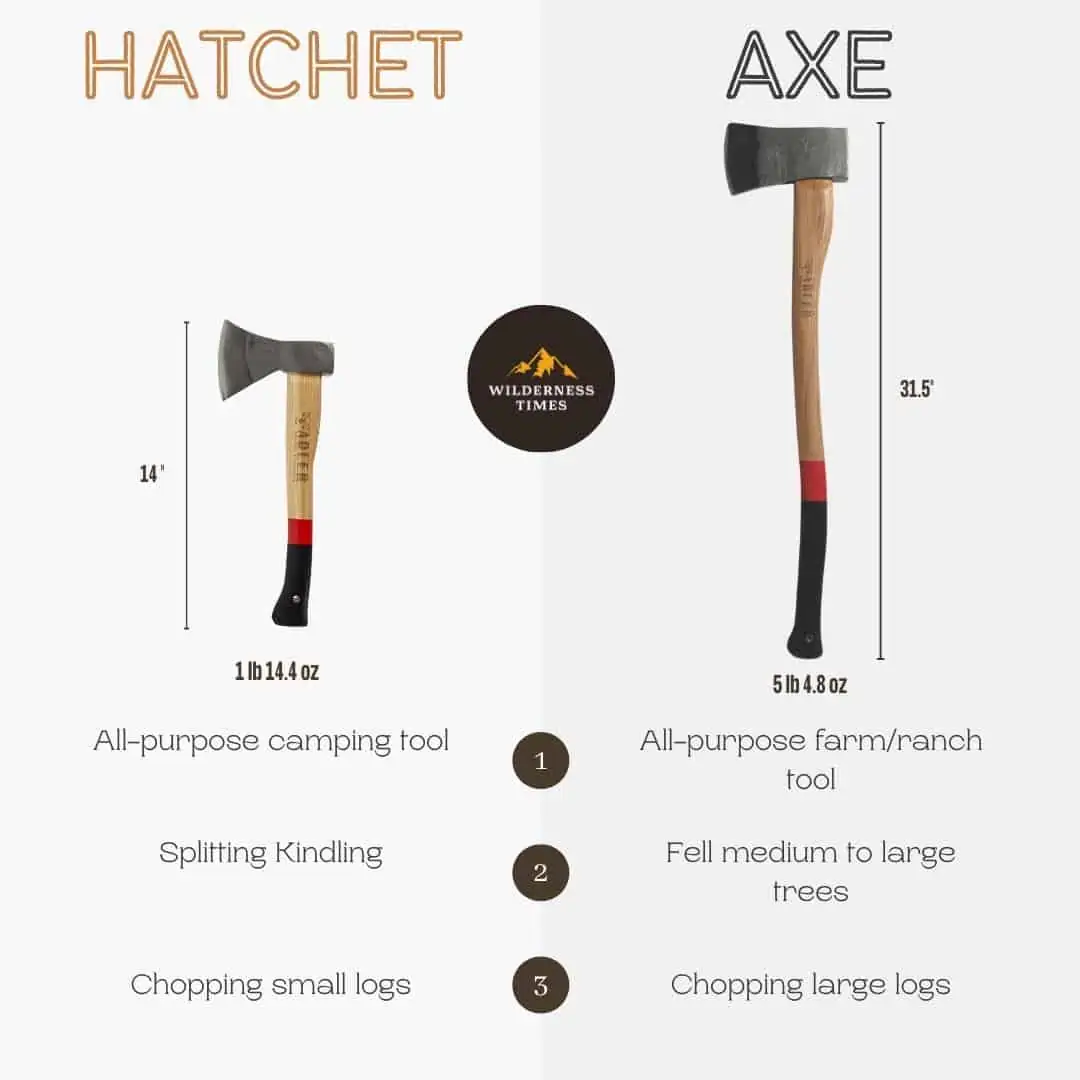
The key differences between an axe and a hatchet affect how each tool works. Understanding these differences helps you choose the right one for your tasks. Both tools cut wood but serve slightly different purposes.
Below, we break down the main differences in size, blade shape, and handle design.
Size And Weight
An axe is larger and heavier than a hatchet. It weighs between 3 to 6 pounds and has a long handle. This size gives more power for chopping big trees.
A hatchet is smaller and lighter, usually under 2 pounds. It fits in one hand and is easy to carry. This makes it good for small jobs and camping.
Blade Shape
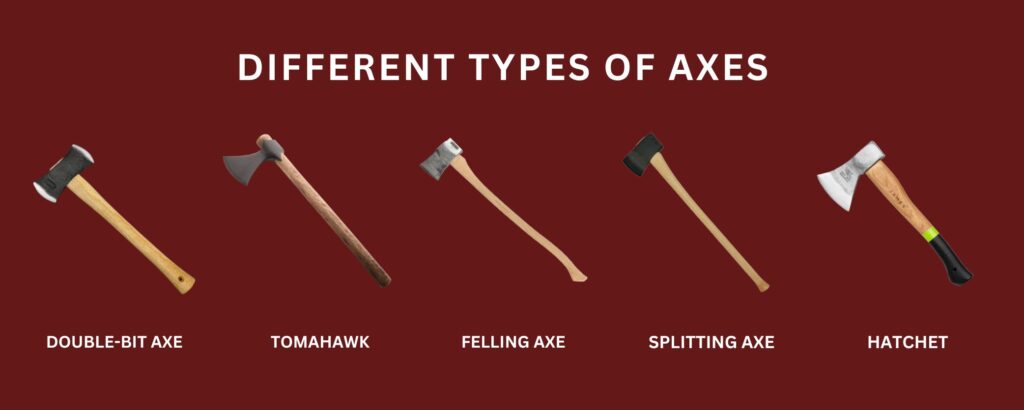
The axe blade is wide and curved. It slices wood deeply and splits logs easily. The shape helps deliver strong, heavy hits.
The hatchet blade is narrower and straighter. It is sharp for precise cuts and shaping wood. This blade suits detailed work better.
Handle Design
An axe has a long handle, often 28 to 36 inches. The length helps with swinging and adds power. Handles are usually made of wood or fiberglass.
Hatchets have short handles, about 12 to 18 inches long. This makes them easy to hold with one hand. The short handle helps in close, controlled cuts.
Common Uses
The axe and the hatchet are both useful tools with different strengths. Knowing their common uses helps choose the right one for the task. Each tool fits specific jobs better. Understanding this difference saves time and effort.
Chopping Wood
An axe is ideal for chopping wood. It has a long handle and heavy blade. This design creates powerful swings. It cuts large logs quickly. The hatchet is smaller and less powerful. It works well for light chopping and small branches.
Splitting Tasks
The axe excels at splitting wood. It can split thick logs into firewood. The sharp edge and weight do the job fast. The hatchet can split smaller pieces. It is good for kindling and thin wood. Both tools help prepare wood for fires.
Camping And Survival
Both tools are useful for camping. The hatchet is easy to carry. It can cut branches for shelter and firewood. The axe is better for bigger tasks. It helps clear paths and chop larger wood. Each tool fits different survival needs.
Performance Factors
Performance matters a lot when choosing between an axe and a hatchet. It affects how well each tool works for different tasks. Understanding key performance factors helps pick the right tool for cutting wood or other jobs. These factors include cutting efficiency, durability, and ease of use.
Cutting Efficiency
An axe usually cuts larger wood pieces faster. Its bigger blade and longer handle give more power. This helps split thick logs with fewer swings. A hatchet has a smaller blade and shorter handle. It suits light cutting like trimming branches or kindling. The smaller size means less force but more control. Both tools can cut well, but efficiency depends on the task.
Durability
Axes tend to be more durable due to their size and build. They often have stronger steel heads and solid handles. This makes them last longer under heavy use. Hatchets are lighter and less tough. They can wear out quicker if used on hard wood or rocks. Proper care, like cleaning and sharpening, improves durability for both tools.
Ease Of Use
Hatchets are easier to carry and handle for beginners. Their small size makes them good for one-handed use and camping. Axes require more strength and skill. Their weight and length need practice to swing safely. Choosing the right tool depends on your strength and the job size. Ease of use affects comfort and safety during work.
Credit: keeneaxehouse.com
Choosing Based On Needs
Choosing between an axe and a hatchet depends on what you need it for. Each tool has a clear purpose. Understanding your needs helps pick the right one. The right tool makes tasks easier and safer. Below, find guidance for different uses.
For Outdoor Activities
Hatchets are great for camping and hiking. They are small and easy to carry. You can use them to chop small branches and kindling. Axes are better for bigger jobs like cutting down trees. But they are heavier and less portable. Choose a hatchet for light outdoor work.
For Home Use
In the home, hatchets work well for small wood projects. They handle trimming and splitting small logs. Axes suit larger yard work and chopping firewood. They offer more power but need space to swing. Pick the tool that fits your yard size and tasks.
For Professional Use
Professionals often choose axes for heavy-duty work. Logging and construction require strong, sharp axes. Hatchets are handy for quick jobs and tight spaces. Professionals may carry both tools for different needs. Choose based on the job’s size and frequency.
Safety Tips
Using an axe or hatchet requires care to stay safe. Both tools can cause serious injury without proper safety steps. Follow these tips to handle, maintain, and store your tool safely. Safety should always come first.
Proper Handling
Hold the axe or hatchet with a firm grip. Keep your hands dry to avoid slipping. Always swing the tool away from your body. Stand with your feet apart for balance. Clear the area of people and pets before use. Wear safety gloves and eye protection. Never use a damaged or loose tool.
Maintenance Tips
Check the blade for sharpness regularly. A dull blade can slip and cause accidents. Clean the blade after each use to remove sap and dirt. Use oil to prevent rust on metal parts. Tighten the handle if it becomes loose. Replace the handle if it cracks or splinters. Regular care keeps your tool safe and effective.
Storage Advice
Store your axe or hatchet in a dry place. Keep it out of reach of children. Use a blade cover or sheath to protect the edge. Avoid leaving the tool on the ground or outside. Proper storage prevents damage and accidents. A safe place extends the tool’s life.

Credit: www.youtube.com
Popular Brands And Models
Choosing the right axe or hatchet depends on trusted brands and popular models. These tools come in many styles, each designed for different tasks. Reliable brands offer quality, durability, and good performance. Knowing top brands helps pick the best tool for your needs.
Many users prefer well-known names for their proven track record. These brands focus on safety and comfort, making work easier. The most popular models balance weight, size, and sharpness. This section highlights some top options for both axes and hatchets.
Axe Brands And Models
Fiskars is famous for its lightweight and strong axes. Their X27 model is ideal for heavy chopping. Gränsfors Bruk offers hand-forged axes with great sharpness and balance. The Scandinavian pattern axe from Gränsfors is a favorite for woodcutting. Husqvarna makes durable axes suited for outdoor use. Their splitting axe is a solid choice for splitting logs.
Hatchet Brands And Models
Estwing is popular for one-piece steel hatchets that last long. Their Camper’s Hatchet is compact and sharp. Wetterlings makes high-quality hatchets with traditional designs. The Hunting Hatchet from Wetterlings works well for camping tasks. Council Tool produces affordable hatchets with solid handles. Their Sportsman’s Hatchet is good for light chopping.
Frequently Asked Questions
What Is The Main Difference Between An Axe And A Hatchet?
An axe is larger and used with two hands for big tasks. A hatchet is smaller, one-handed, and good for light chopping.
Which Tool Is Better For Chopping Firewood, Axe Or Hatchet?
An axe is better for chopping large firewood pieces fast. Hatchets work well for small wood or kindling preparation.
Can A Hatchet Be Used For Camping And Survival?
Yes, a hatchet is ideal for camping due to its size. It can cut wood, build shelters, and even be used for light hammering.
What Materials Are Axes And Hatchets Usually Made From?
Axes and hatchets often have steel heads for sharpness and durability. Handles can be wood, fiberglass, or metal for strength and grip.
How Should I Choose Between An Axe And A Hatchet?
Choose an axe for heavy chopping or felling trees. Pick a hatchet for portability and small cutting jobs.
Are Axes Or Hatchets Easier To Carry On Hikes?
Hatchets are easier to carry because they are smaller and lighter. Axes can be bulky and heavy, making hikes harder.
Conclusion
Choosing between an axe and a hatchet depends on your task. Axes work best for heavy chopping and splitting wood. Hatchets are great for small jobs and easy to carry. Both tools have unique strengths and uses. Think about what you need before picking one.
Using the right tool makes work easier and safer. Keep your tools sharp for better results. Simple tools, smart choices.