
Choosing the right windows for your home can feel overwhelming, especially when faced with options like awning and casement windows. You want windows that not only look great but also offer the best ventilation, security, and energy efficiency.
But which one fits your needs best? You’ll discover the key differences between awning and casement windows. By the end, you’ll feel confident making a choice that enhances your home’s comfort and style. Keep reading—you might be surprised by what you learn!
Awning Windows Features
Awning windows bring a unique style and function to homes. They open outward from the bottom, creating a small roof-like effect. This design helps protect your home from rain and allows fresh air in. Let’s explore the main features of awning windows.
Design And Operation
Awning windows have a simple, clean look. They are hinged at the top and open outward from the bottom. This makes them easy to operate with a crank or handle. Their compact size fits well in small spaces or above doors.
Ventilation And Airflow
These windows offer great airflow even during rain. The outward opening shape directs air inside while keeping water out. You can open them slightly for constant fresh air without letting bugs or debris enter.
Weather Resistance
Awning windows seal tightly when closed. Their design helps block wind and rain effectively. The sloped opening creates a natural shield, making them ideal for rainy or windy areas. They also provide good insulation to keep your home comfortable.

Credit: nordenseal.ca
Casement Windows Features
Casement windows have unique features that make them popular in many homes. They offer a blend of style, function, and efficiency. These windows open outward with a crank, giving full control over airflow. Their simple design fits many building styles, from classic to modern.
Understanding their key features can help decide if casement windows suit your needs. Below, we explore their design, ventilation, and energy-saving benefits.
Design And Operation
Casement windows have a single sash attached to hinges on one side. They open outward like a door using a crank handle. This design provides a clear, unobstructed view. The tight seal when closed keeps air and water out. Their slim frames allow more glass area, letting in more light.
Ventilation And Airflow
These windows open fully, allowing maximum airflow into the room. You can angle the window to catch breezes from different directions. This helps cool your home naturally. The outward opening directs fresh air inside while pushing stale air out. It improves room ventilation better than many other window types.
Energy Efficiency
Casement windows seal tightly when closed, reducing air leaks. This helps keep your home warmer in winter and cooler in summer. Many models use double or triple-pane glass to boost insulation. The sturdy frames reduce heat transfer, saving on energy bills. Properly installed casement windows add energy savings and comfort.
Material Options
Choosing the right material for windows affects their look and how long they last. Both awning and casement windows come in various materials. Each material offers different benefits like durability, maintenance, and style. Understanding these options helps in picking the best fit for your home.
Common Materials For Awning Windows
Awning windows often use vinyl. Vinyl is affordable and resists moisture well. It does not need much upkeep and keeps its color over time.
Aluminum is another choice. It is strong and slim, offering a modern look. Aluminum frames handle weather changes but may need painting to avoid rust.
Wood is popular for its classic style. It provides good insulation but needs regular painting or staining. Wood can be combined with aluminum on the outside for extra protection.
Common Materials For Casement Windows
Casement windows also come in vinyl. This material suits many budgets and resists fading. Vinyl frames are easy to clean and maintain.
Wood frames add warmth and charm. They offer good insulation but require upkeep to prevent damage. Wood windows are often chosen for traditional homes.
Fiberglass is a strong option. It handles weather well and stays stable over time. Fiberglass frames can look like wood but need less care.
Installation And Maintenance
Choosing the right windows involves thinking about how easy they are to install and maintain. Both awning and casement windows have unique features that affect these tasks. Understanding these differences helps make a better choice for your home.
Ease Of Installation
Awning windows usually come in smaller sizes, making them lighter and easier to handle. This helps reduce installation time and effort. Their design often fits well in tight spaces and above doors or larger windows.
Casement windows are larger and may require more care during installation. They open outward with a crank, so the frame must be sturdy. This can take longer to install and may need professional help.
Maintenance Tips
Awning windows need regular cleaning of the hinges and seals. This keeps them working smoothly and prevents leaks. Use mild soap and water to clean the glass and frames.
Casement windows need attention to the crank mechanism. Lubricate it often to avoid stiffness. Check the weatherstripping to keep air and water out. Clean the glass and frame with gentle cleaners.
Security And Durability
Security and durability are key factors when choosing windows for your home. Both awning and casement windows offer unique benefits in these areas. Understanding their features helps you decide which suits your needs best.
Locking Mechanisms
Awning windows usually have simple locking handles. These locks press the window tightly against the frame. This tight seal adds extra security and stops drafts.
Casement windows use multi-point locking systems. These locks secure the window at several points. This makes it harder for intruders to force the window open.
Both window types provide strong locks. Casement windows offer slightly better security due to multiple lock points.
Resistance To Elements
Awning windows open outward from the bottom. This design helps shield the window opening from rain. Water runs off the glass, keeping the interior dry.
Casement windows open outward on side hinges. They close tightly, pressing against weatherstripping for a strong seal. This prevents air leaks and water intrusion.
Both windows resist wind and rain well. Awning windows perform better in heavy rain due to their top-hinged design.
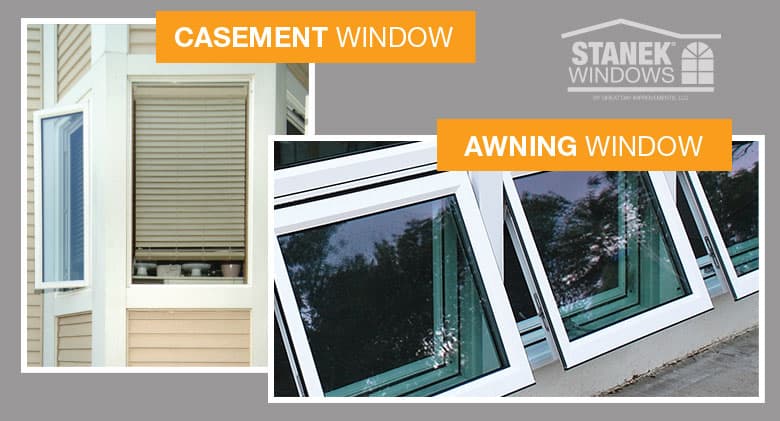
Credit: www.stanekwindows.com
Cost Comparison
Comparing the costs of awning and casement windows helps you decide wisely. Understanding both the upfront and ongoing expenses reveals which option suits your budget best. Cost affects your choice as much as style or function. Let’s explore these costs carefully.
Initial Investment
Awning windows usually cost less to buy and install. Their simple design uses fewer parts, lowering price. Casement windows often have higher prices due to complex hardware and bigger glass areas. Installation for casement windows can take more time and skill, adding to cost. Budget buyers might prefer awning windows for this reason.
Long-term Savings
Both window types offer energy efficiency, but casement windows seal tighter. This tight seal helps cut heating and cooling bills. Awning windows also save energy but may allow slight air leaks. Maintenance costs for awning windows tend to be lower. Casement windows need occasional adjustments to keep seals strong. Think about energy and upkeep costs over many years.
Ideal Room Applications
Choosing the right window type depends on the room’s needs. Each window style suits different spaces and uses. Understanding ideal room applications helps pick the best option for comfort and function.
Best Uses For Awning Windows
Awning windows work well in rooms that need fresh air and rain protection. They open outward from the bottom, letting air in even during light rain. Bathrooms benefit from awning windows because they provide ventilation without letting water inside. They also fit well in kitchens where you want air flow but limited space for large openings. Awning windows are great for basements and utility rooms too. They allow air without taking up extra wall space.
Best Uses For Casement Windows
Casement windows open fully outward on a side hinge. They are perfect for rooms that need strong ventilation and wide views. Living rooms and bedrooms often use casement windows to bring in fresh air and natural light. These windows also work well in dining areas to connect indoor and outdoor spaces. Casement windows seal tightly when closed, making them energy efficient. They are ideal for rooms where you want to control air flow easily.
Style And Aesthetic Impact
Windows shape the look of any home. Choosing the right style affects the entire house’s feel. Awning and casement windows offer unique styles and impacts. Both add charm, but their design suits different homes and tastes.
Understanding their style and aesthetic impact helps pick the best fit. It is not just about function but also how windows blend with home design.
Design Compatibility
Awning windows open outward from the bottom. Their horizontal shape fits modern and contemporary homes well. They work great in tight spaces or above other windows.
Casement windows open like doors, swinging outward from the side. Their tall, narrow style suits traditional and classic house designs. They offer a clean and simple look.
Both styles come in many frame colors and finishes. This variety helps match any home’s exterior and interior style.
Enhancing Curb Appeal
Awning windows add a sleek, streamlined look to a home. Their unique shape creates visual interest on plain walls. These windows highlight modern architecture with subtle elegance.
Casement windows bring a timeless charm. Their classic lines stand out and add character. They give homes a welcoming and warm appearance.
Choosing the right window style can boost a home’s value. It creates a strong first impression and improves overall beauty.
Common Myths
Many people think awning windows always let in more air than casement windows. Some believe casement windows are harder to clean. Both ideas are not always true and depend on design and placement.
Common Myths About Awning Windows
Many people have wrong ideas about awning windows. Some believe they are hard to open or close. This is not true. Awning windows open outward with a simple crank. They can stay open even during light rain because of their design.
Another myth is that awning windows block the view. Actually, they offer good ventilation and a clear line of sight. Their size also allows more natural light into rooms. Awning windows fit well in small or awkward spaces.
Common Myths About Casement Windows
People often think casement windows are difficult to clean. This is false. Casement windows open fully, making cleaning easy from inside the house. Some say they are not energy efficient. In reality, their tight seal helps keep air out and reduces energy costs.
There is also a belief that casement windows are expensive to install. While costs vary, many options fit different budgets. Casement windows provide excellent ventilation and security. Their crank mechanism is simple and reliable.
Choosing Based On Climate
Choosing the right window type depends on the climate where you live. Different windows handle weather in unique ways. This affects their performance and your comfort. Understanding these differences helps pick the best option for your home.
Suitability For Wet Climates
Awning windows work well in wet climates. They open outward from the bottom, creating a small roof. This design keeps rain from entering even when the window is open. It allows fresh air without letting water inside.
Casement windows also seal tightly against rain. Their side hinges create a strong barrier when closed. Yet, they do not shield from rain when open as well as awnings do. Awning windows often offer better ventilation during rain.
Suitability For Windy Areas
Casement windows perform better in windy places. The strong frame and side hinges hold the window firmly against the wind. They lock tightly, preventing drafts and air leaks.
Awning windows are less sturdy in high winds. Their outward opening can catch the wind and cause damage. They may not close as tightly as casement windows in strong gusts.

Credit: www.hawkeyewindows.com
Frequently Asked Questions
What Are The Main Differences Between Awning And Casement Windows?
Awning windows open outward from the bottom, while casement windows open from the side. Awning windows offer better rain protection when open. Casement windows provide wider ventilation.
Which Window Type Is Better For Ventilation, Awning Or Casement?
Casement windows allow more air because they open fully from the side. Awning windows provide airflow but are smaller openings. Choose casement for maximum fresh air.
Are Awning Windows More Energy Efficient Than Casement Windows?
Both types can be energy efficient with good seals and glass. Awning windows close tightly, helping to block drafts well. Casement windows also seal tightly but may vary by model.
Can Awning And Casement Windows Be Used In All Home Styles?
Yes, both window types fit many home styles, from modern to traditional. Awning windows suit areas needing rain protection. Casement windows work well where wide views are desired.
Which Window Is Easier To Clean, Awning Or Casement?
Casement windows usually open fully, making cleaning the outside easier. Awning windows can be harder to reach when open. Cleaning ease depends on window placement and size.
Do Awning Or Casement Windows Cost More To Install?
Installation costs are similar for both window types. Casement windows might be slightly more expensive due to hardware. Prices vary based on size, material, and labor.
Conclusion
Awning and casement windows each have clear benefits. Awning windows keep rain out while open. Casement windows offer wide views and strong ventilation. Both add style and function to any room. Choose based on your needs and space. Either option improves home comfort and light.
Simple decisions can make a big difference. Think about how you use your windows daily. This helps pick the best fit for your home.