
When it comes to caring for your animals or planning your garden, choosing between straw and hay can be confusing. You might wonder which one is better for your needs, or if it even makes a difference.
Understanding the key differences can save you time, money, and effort. You’ll discover exactly what sets straw and hay apart, and how to pick the right option for your home or farm. Keep reading, because the answer might be simpler—and more important—than you think.
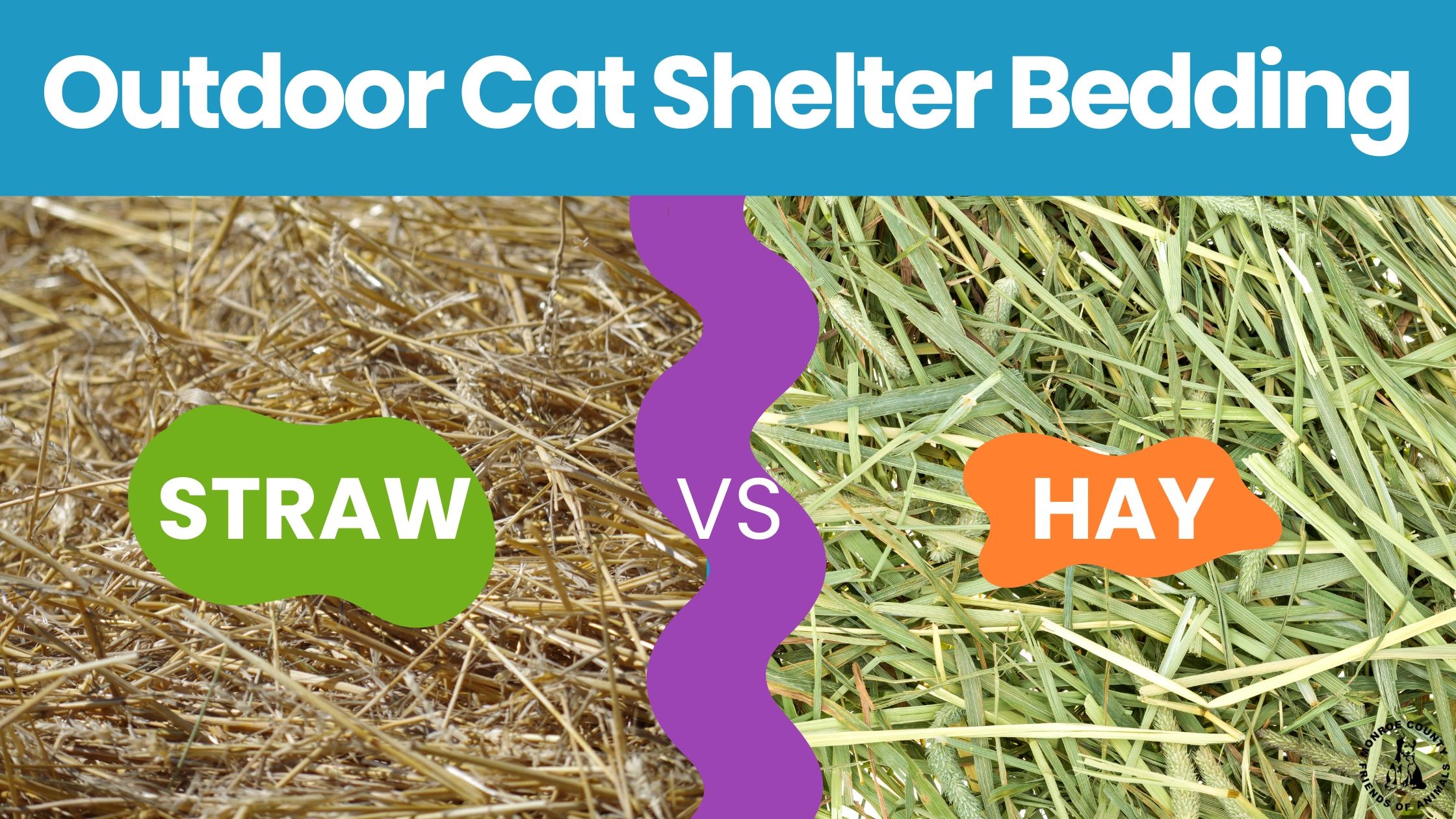
Credit: mcfriendsofanimals.org
Composition And Source
Understanding the composition and source of straw and hay helps to know their uses better. Both come from plants but serve different purposes. Their make-up affects how animals eat them and how farmers use them.
Straw and hay look alike but have different origins and nutrients. Knowing what each is made of can help in choosing the right one for your needs.
What Is Straw Made Of
Straw is the dry stalk left after harvesting grain crops. It does not include the seeds or leaves. Straw is mostly hollow and has little nutritional value. It is mainly used for bedding or mulch, not food.
What Is Hay Made Of
Hay is grass or legumes cut and dried for animal feed. It contains leaves, stems, and seed heads. Hay is rich in nutrients and good for feeding livestock. It is greenish and softer than straw.
Common Crops Used
Straw usually comes from wheat, barley, oats, or rye. These are grain crops harvested for their seeds. Hay comes from grasses like timothy, alfalfa, clover, and ryegrass. These plants are grown mainly to feed animals.
Nutritional Value
Nutritional value plays a big role in choosing between straw and hay. Both serve different purposes for animals. Knowing their nutrient content helps keep livestock healthy and strong. Let’s explore the differences in detail.
Nutrient Content In Hay
Hay is full of nutrients. It contains protein, fiber, vitamins, and minerals. These nutrients help animals grow and stay healthy. Quality hay has enough energy to meet daily needs. It supports digestion and boosts immunity. Animals enjoy eating hay because it is soft and tasty.
Nutrient Content In Straw
Straw has low nutrient content. It mostly consists of dry stalks left after grain harvest. Straw has little protein and vitamins. It contains mostly fiber but less digestible. Animals cannot get much energy from straw. It is best used as bedding or roughage, not main food.
Impact On Livestock Health
Hay promotes good health in livestock. It provides essential nutrients for growth and repair. Animals fed on hay show better weight and energy. Straw alone can cause poor nutrition. Too much straw may lead to weight loss and weakness. Mixing straw with hay or supplements can help balance diet.
Uses On The Farm
Straw and hay are common materials on farms. Each has special uses that help farmers and animals. Knowing their roles can improve farm work and animal care. Below are key ways farmers use straw and hay.
Straw For Bedding And Mulch
Straw is dry stalks left after grain harvest. Farmers use straw as bedding for animals. It keeps animals warm and dry. Straw also absorbs moisture and waste. This helps keep barns clean and healthy.
Straw works well as mulch in gardens and fields. It protects soil from erosion and retains moisture. Mulching with straw helps control weeds. It breaks down slowly, adding organic matter to soil.
Hay As Animal Feed
Hay is cut grass or legumes dried for animal food. It provides important nutrients for livestock like cows, horses, and goats. Hay supplies fiber and energy animals need daily.
Farmers store hay for winter when fresh grass is unavailable. Good hay keeps animals healthy and strong all year. Quality hay is crucial for dairy and meat production.
Other Practical Applications
Straw can also be used to build temporary fences or garden paths. It is a natural material that decomposes easily. Straw bales sometimes serve as windbreaks or sound barriers.
Hay leftovers may be composted to improve soil fertility. Both materials support sustainable farming practices. Using straw and hay wisely benefits the entire farm ecosystem.

Credit: ilfbpartners.com
Harvesting And Storage
Harvesting and storing straw and hay require different methods. These differences affect quality and usability. Proper care during these steps ensures good results and longer storage life. Understanding these basics helps farmers and gardeners handle both materials better.
Harvesting Techniques
Straw is collected after grain crops like wheat are harvested. Farmers cut the stalks and let them dry in the field. Once dry, they gather the stalks into bundles or bales. Hay is cut when grasses or legumes reach peak growth. It is cut, dried quickly, and then baled to keep nutrients.
Storage Requirements
Straw needs dry, well-ventilated storage to prevent mold. It should stay off the ground on pallets or tarps. Hay requires even more care to avoid moisture. Wet hay can spoil or cause fires. Storing hay in covered barns or sheds is best.
Shelf Life Differences
Straw lasts longer because it is drier and less rich in nutrients. It can stay usable for years if stored well. Hay has a shorter shelf life. Nutrients break down over time, and moisture can ruin it quickly. Proper storage extends hay’s useful life by months.
Cost And Availability
Cost and availability are key factors when choosing between straw and hay. Both materials serve different purposes, but their price and supply vary widely. Understanding these aspects helps in making smart buying choices.
Price Comparisons
Straw usually costs less than hay. This is because straw is a byproduct of grain crops. Hay is grown specifically for animal feed, making it pricier. Prices can change based on quality and season. Bulk purchases often lower the cost per bale.
Regional Availability
Availability depends on the region’s climate and farming. Straw is common in areas growing wheat, barley, or oats. Hay is more available where grass or alfalfa grow well. Some places may have one option but not the other. Transport costs affect availability too.
Factors Affecting Supply
Weather affects crop growth and supply. Droughts can reduce both straw and hay. Harvest timing matters for fresh, quality material. Demand from farmers and gardeners influences supply levels. Storage conditions also impact availability through the year.
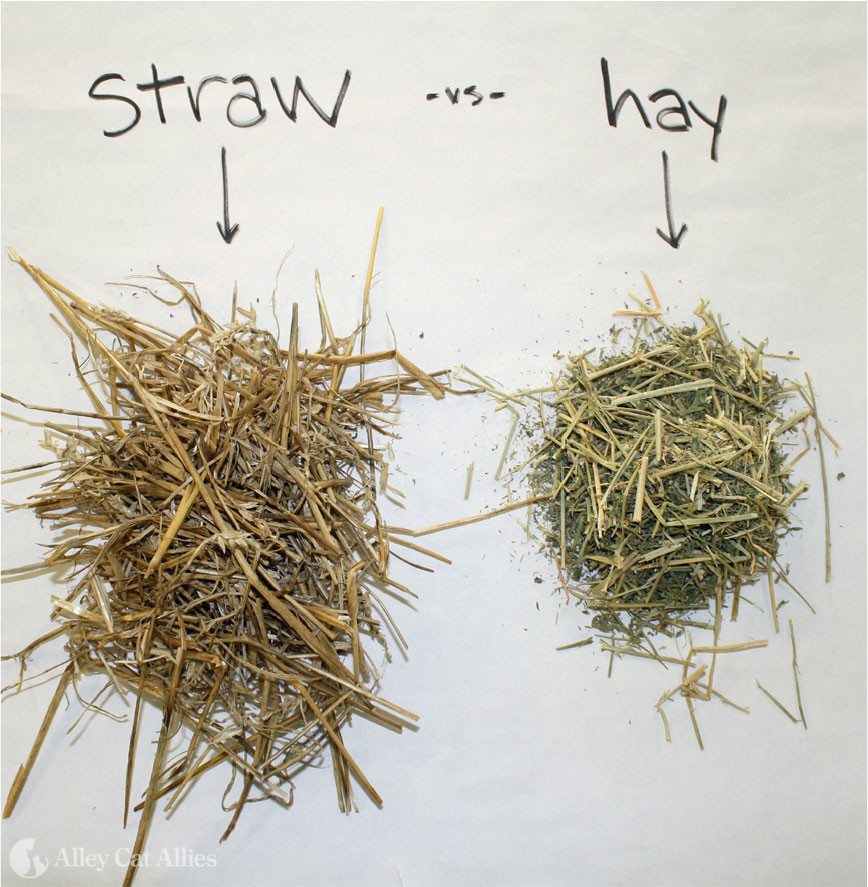
Credit: www.alleycat.org
Choosing Between Straw And Hay
Choosing between straw and hay depends on what you need them for. Both have uses on farms and in gardens. Knowing their differences helps in picking the right one. The choice can affect animal health, costs, and environmental care.
Matching Needs To Material
Straw is dry stalks left after grain harvest. It is light and less nutritious. Use straw mainly for bedding or mulch. Hay is cut grasses or legumes. It is green and full of nutrients. Feed hay to animals needing nutrition. Choose straw to keep animals dry and comfortable.
Considerations For Different Livestock
Cows, horses, and goats eat hay for energy. They need the vitamins and minerals hay provides. Straw suits animals needing bedding, like pigs or chickens. It keeps pens clean and dry. Some animals may eat straw, but it lacks enough food value. Know what your livestock needs before choosing.
Environmental Impact
Straw uses leftover plant parts, reducing waste. It breaks down slowly in soil. Hay cutting can affect plant regrowth if not managed well. Both materials help stop soil erosion. Choosing local straw or hay cuts transport pollution. Use them wisely to protect the land.
Frequently Asked Questions
What Is The Main Difference Between Straw And Hay?
Straw is dry stalks left after grain harvest. Hay is dried grass used as animal feed. Straw is mostly for bedding, hay is for nutrition.
Can Animals Eat Straw Like Hay?
Most animals cannot eat straw for nutrition. Straw lacks the nutrients found in hay. It is mainly used for bedding or mulch.
Why Is Hay Better For Feeding Animals?
Hay contains leaves and seeds rich in nutrients. It helps animals get essential vitamins and fiber. Straw does not provide enough food value.
How Do Straw And Hay Look Different?
Straw is yellow, dry, and hollow stems. Hay is greenish, leafy, and softer to touch. The color and texture help tell them apart.
Is Straw Useful For Gardening And Farming?
Straw is good for mulch and soil cover. It protects plants and keeps moisture in soil. Hay is not ideal for mulching due to seeds.
How To Store Straw And Hay Properly?
Keep both in a dry, ventilated place to avoid mold. Straw stores longer since it has less moisture. Hay needs careful storage to keep its nutrients.
Conclusion
Straw and hay serve different purposes on farms and gardens. Straw mainly provides bedding and mulch, keeping animals warm and soil protected. Hay offers nutritious food for animals, rich in vitamins and minerals. Choosing the right one depends on your specific needs.
Knowing their uses helps you care better for plants and animals. Both are natural, useful materials that support farm life. Use them wisely to get the best results. Simple choices bring big benefits.