
Are you thinking about adding a stylish outdoor structure to your garden but feeling confused between a pergola, an arbor, and a trellis? You’re not alone.
Each option has its own charm and purpose, and choosing the right one can transform your outdoor space in unique ways. You’ll discover the key differences, benefits, and uses of pergolas, arbors, and trellises. By the end, you’ll feel confident about which one fits your style and needs perfectly.
Keep reading to unlock the secret to making your garden look amazing!
Garden Structures At A Glance
Garden structures add charm and function to outdoor spaces. They create shade, support plants, and define areas. Pergolas, arbors, and trellises are popular choices. Each has unique features and uses. Understanding their differences helps select the right one for your garden.
Pergola: Open Roof For Shade And Style
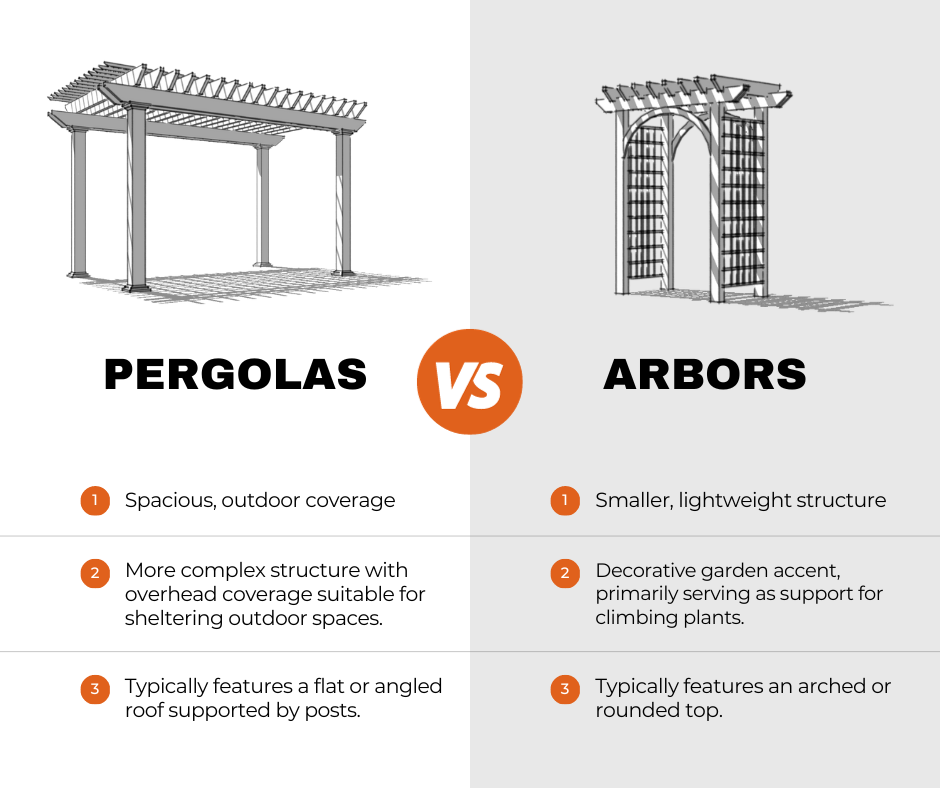
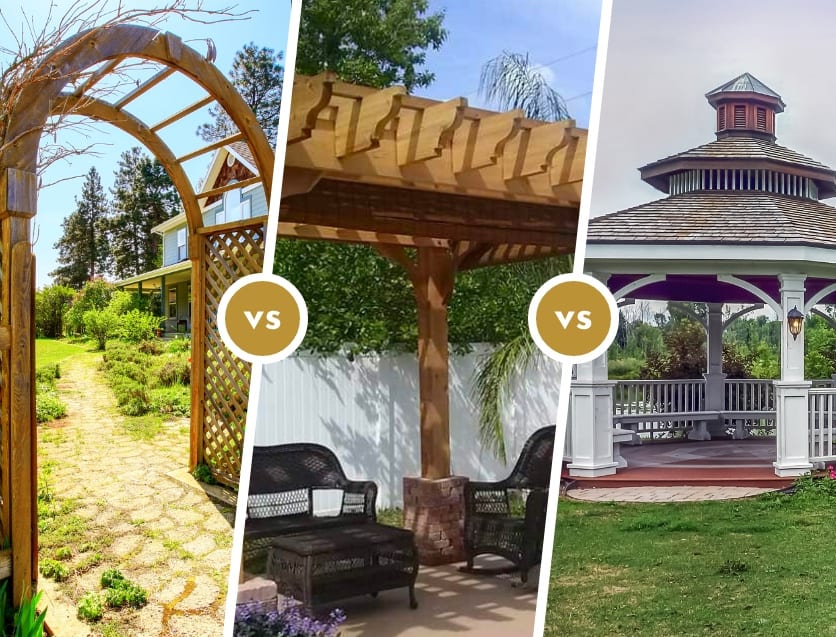
Pergolas have a flat, open roof made of beams. They offer partial shade and let sunlight through. People often use them for seating or dining areas. Pergolas support climbing plants like vines or roses. They create a cozy, inviting space outdoors.
Arbor: A Decorative Garden Gateway
Arbors are smaller and usually have a curved or arched top. They often serve as entrances or pathways in gardens. Arbors support climbing plants and add height to the landscape. They make a beautiful focal point or a romantic spot in the garden.
Trellis: Vertical Plant Support
Trellises are flat or slightly angled panels. They help plants climb and grow vertically. Trellises save space and create privacy walls. They work well for vines, flowers, and vegetables. Trellises add structure without blocking light.
Key Features Of Pergolas
Pergolas stand out for their unique structure and charm. They create an open, airy space outdoors. Many homeowners choose pergolas to enhance their gardens or patios. Understanding their key features helps in deciding if a pergola suits your space.
Design And Materials
Pergolas usually have four posts and a slatted roof. The roof may be flat or slightly curved. Common materials include wood, metal, and vinyl. Wood offers a natural, classic look. Metal brings modern style and durability. Vinyl is low-maintenance and weather-resistant. The design allows sunlight while providing partial shade.
Function And Uses
Pergolas create a defined outdoor area for relaxing or dining. They support climbing plants like vines and flowers. People use them to frame walkways or patios. Pergolas also improve airflow and light. They do not fully block rain or sun but soften the outdoor environment. This makes them ideal for mild weather spaces.
Benefits In Garden Spaces
Pergolas add beauty and structure to gardens. They invite outdoor living by making spaces cozy. Climbing plants grow well with pergolas, enhancing greenery. They increase property value by improving curb appeal. Pergolas also help separate garden zones naturally. This adds order and interest without walls.
Characteristics Of Arbors
Arbors are charming garden structures that add beauty and function. They serve as gateways or sitting spots. Their design offers shade and a frame for climbing plants. Arbors create a cozy, inviting space outdoors. Understanding their characteristics helps in choosing the right one for your garden.
Typical Shapes And Sizes
Arbors often have curved tops or flat roofs. Common shapes include rounded, square, or arched frames. Sizes vary but usually fit two people comfortably underneath. Some arbors are small, just for decoration. Others are large enough for seating or a small table.
Common Materials
Wood is the most popular material for arbors. It gives a natural and warm look. Metal arbors offer durability and modern style. Vinyl arbors need less maintenance and resist weather well. Each material affects the arbor’s weight and lifespan.
Ideal Placement In Gardens
Place arbors at garden entrances or along pathways. They work well near patios or seating areas. Arbors highlight views and create inviting garden rooms. Positioning near climbing plants enhances their beauty. They also mark transitions between garden sections clearly.

Credit: northeasterngroup.com
Trellises Explained
Trellises are popular garden structures that support plants and add charm. They come in many shapes and sizes, fitting well in small or large spaces. Trellises help vines climb, creating green walls or cozy corners. They can be simple or decorative, serving both function and style.
Structure And Style
A trellis usually has a grid or lattice design. It stands upright and can be placed against walls or alone. The open spaces let plants weave through easily. Trellises can be tall or short, narrow or wide. Some have curved tops for a soft look. Their design adds texture and depth to any garden.
Plant Support Functions
Trellises guide climbing plants like ivy, roses, or beans. They keep plants off the ground, improving air flow. This reduces plant disease and makes harvesting easier. A trellis also helps plants get more sunlight. It shapes growth, preventing tangled or messy vines. This support promotes healthy and strong plants.
Material Choices
Trellises come in wood, metal, or plastic. Wood offers a natural, warm look but needs regular care. Metal is sturdy and lasts long but can get hot in sun. Plastic is lightweight and affordable but less durable. Choose material based on climate, style, and budget. Each option affects the trellis’s strength and appearance.
Comparing Pergolas, Arbors, And Trellises
Comparing pergolas, arbors, and trellises helps choose the right garden structure. Each offers unique benefits and styles. Understanding these differences guides your decision for outdoor spaces.
Visual Appeal And Aesthetics
Pergolas create a strong architectural statement. They often have wide, open roofs that provide partial shade. Arbors are smaller with curved tops, offering a cozy, romantic look. Trellises focus on vertical support for climbing plants. They add texture and greenery to walls or fences. Each structure enhances garden beauty differently.
Space And Size Considerations
Pergolas require more space due to their larger size. They work well over patios or walkways. Arbors fit smaller garden entrances or paths nicely. Trellises take up the least space, perfect for narrow spots. Measure your area carefully before choosing a structure.
Maintenance Needs
Wood pergolas and arbors need regular sealing to prevent damage. Metal options require less upkeep but might rust over time. Trellises often have the lowest maintenance, especially if made of durable materials. Clean and inspect all structures yearly to extend life.
Cost Differences
Pergolas generally cost more due to size and complexity. Arbors are less expensive but still add charm. Trellises are the most affordable choice. Material and installation affect final prices. Set a clear budget to find the best option.
Choosing The Right Structure
Choosing the right outdoor structure can change your garden’s look and feel. Pergolas, arbors, and trellises all have unique styles and uses. Picking the best one depends on your needs, space, and budget. This guide helps you make the best choice for your home and garden.
Matching Purpose With Design
Think about what you want from the structure. Pergolas provide shade and a place to relax. Arbors serve as entrances or garden accents. Trellises support climbing plants and add vertical interest. Choose the design that fits your garden’s function and style. A structure should blend well with your outdoor space.
Climate And Durability Factors
Check your local weather before buying. Pergolas made of wood may need more care in rainy or humid areas. Metal structures last longer in harsh climates. Trellises and arbors should be strong enough to hold plants and resist wind. Pick materials that stand up to your environment and need little upkeep.
Budget Tips
Set a clear budget before starting your project. Trellises are usually the cheapest option. Arbors cost a bit more due to their size and design. Pergolas tend to be the most expensive but add great value. Consider DIY kits or simple designs to save money. Quality materials may cost more but last longer.
Installation And Care Tips
Installing a pergola, arbor, or trellis takes some planning and care. Proper setup ensures they last long and look great. Regular maintenance keeps these garden features strong and beautiful. Small efforts can prevent big problems later. Adding plants and decor can make them even more charming. Here are some easy tips to help with installation and care.
Placement And Setup
Choose a spot with good sunlight for most plants. Make sure the ground is flat and stable. Use strong materials like treated wood or metal. Secure posts deep into the ground for safety. Follow instructions carefully if you buy a kit. Check local rules for any permits needed. Take time to level and align all parts. This prevents wobbling and keeps the structure safe.
Seasonal Maintenance
Inspect your structure at the start of each season. Look for cracks, loose screws, or signs of rot. Clean dirt and leaves off regularly with a soft brush. Apply paint or sealant to wooden parts every year. Remove snow buildup in winter to avoid damage. Trim plants that may weigh down the structure. Small fixes early stop bigger repairs later.
Enhancing With Plants And Decor
Choose climbing plants that suit your climate. Vines like clematis or ivy add color and shade. Use hooks or ties to guide plants gently. Add string lights or lanterns for a cozy feel. Place pots or hanging baskets nearby for extra green. Keep decor light to avoid stress on the frame. Change plants or decorations with seasons for freshness.
Credit: www.apolloopeningroof.com
Credit: pergoladepot.com
Frequently Asked Questions
What Is The Main Difference Between A Pergola And An Arbor?
A pergola is larger with open sides and a slatted roof for shade. An arbor is smaller, often arched, and used as a garden entryway.
How Does A Trellis Differ From A Pergola And Arbor?
A trellis is a flat or angled panel used to support climbing plants. Pergolas and arbors are structures you can walk under or through.
Which Structure Offers The Most Shade: Pergola, Arbor, Or Trellis?
Pergolas provide the most shade due to their larger size and slatted roofs. Arbors and trellises offer little to no shade.
Can All Three Structures Support Climbing Plants Effectively?
Yes, pergolas, arbors, and trellises all support climbing plants. Trellises are best for vertical growth, while pergolas and arbors offer overhead support.
Which Structure Is Best For Creating A Garden Entrance?
Arbors work best as garden entrances because of their smaller size and arch shape. Pergolas are better for open seating areas.
Are Pergolas, Arbors, And Trellises Easy To Build And Install?
All three can be built with basic tools and materials. Trellises are the simplest, while pergolas usually require more work and space.
Conclusion
Choosing between a pergola, arbor, or trellis depends on your needs. Pergolas offer shade and style for bigger spaces. Arbors create charming entryways or garden accents. Trellises support climbing plants and save space. Each structure adds beauty and function in its own way.
Think about your garden size and purpose. This will help you pick the best fit. Enjoy creating a lovely outdoor area that suits you well.