
Your RV water heater is one of the most important parts of your travel setup. It gives you warm showers after a long day on the road and keeps your water ready for cooking and cleaning.
But have you ever thought about how clean your RV water heater really is? Over time, minerals and debris build up inside, affecting its performance and even your health. If you want to enjoy hot water without worry and keep your RV running smoothly, learning how to clean your RV water heater is a must.
Keep reading, and you’ll discover simple, effective steps to keep your water heater spotless and working like new.

Credit: www.loveyourrv.com
Why Clean Your Rv Water Heater
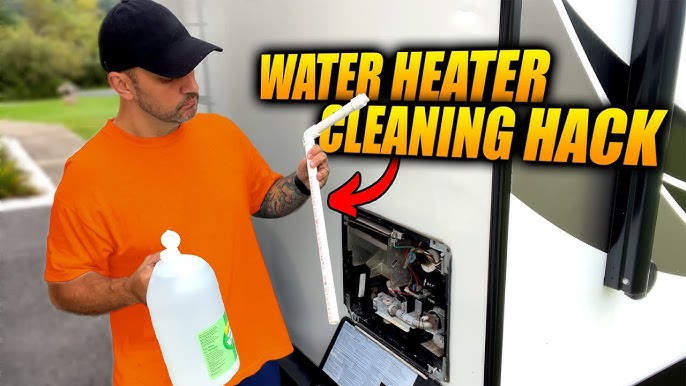
Cleaning your RV water heater is important for many reasons. Dirt, rust, and minerals build up inside the tank. This build-up can cause problems with your water and the heater itself. Regular cleaning keeps the water safe and the heater working well. It saves you money and avoids repairs. Here are the main reasons to clean your RV water heater.
Health Risks Of Dirty Water
Dirty water can carry harmful bacteria and germs. These can cause skin rashes or stomach problems. A clean water heater stops bacteria from growing. It keeps your water fresh and safe to use. Drinking and bathing with clean water protects your health.
Maintaining Heater Efficiency
Mineral deposits reduce the heater’s ability to warm water. The heater works harder and uses more energy. Cleaning removes these deposits and improves heating. Your water heats faster and uses less fuel. This means better performance and lower costs.
Extending Water Heater Lifespan
Rust and scale damage the inside of your heater. This can cause leaks or parts to break. Cleaning stops this damage and keeps the heater in good shape. A well-maintained heater lasts longer and needs fewer repairs. Protect your investment with regular cleaning.
Credit: www.youtube.com
Signs Your Water Heater Needs Cleaning
Knowing when to clean your RV water heater helps keep it working well. Over time, dirt and minerals build up inside the tank. This buildup can cause problems and reduce the heater’s life. Watch for certain signs that show the heater needs cleaning.
Unusual Odors Or Tastes
Water with strange smells or tastes can mean the heater is dirty. Bacteria grow in dirty tanks, causing bad odors. The water may taste metallic or sour. This makes drinking or using the water unpleasant.
Reduced Hot Water Supply
The heater may not give enough hot water. Sediment blocks heat transfer inside the tank. This slows down heating and lowers water temperature. You might run out of hot water faster than before.
Noisy Operation
Loud popping or banging sounds from the heater are warning signs. Sediment at the bottom traps water under it. The water heats and creates steam bubbles. These bubbles cause noise and may damage the heater.
Tools And Supplies Needed
Cleaning your RV water heater requires the right tools and supplies. Having everything ready makes the job easier and safer. This guide lists the essential items you need for a smooth cleaning process.
Basic Cleaning Tools
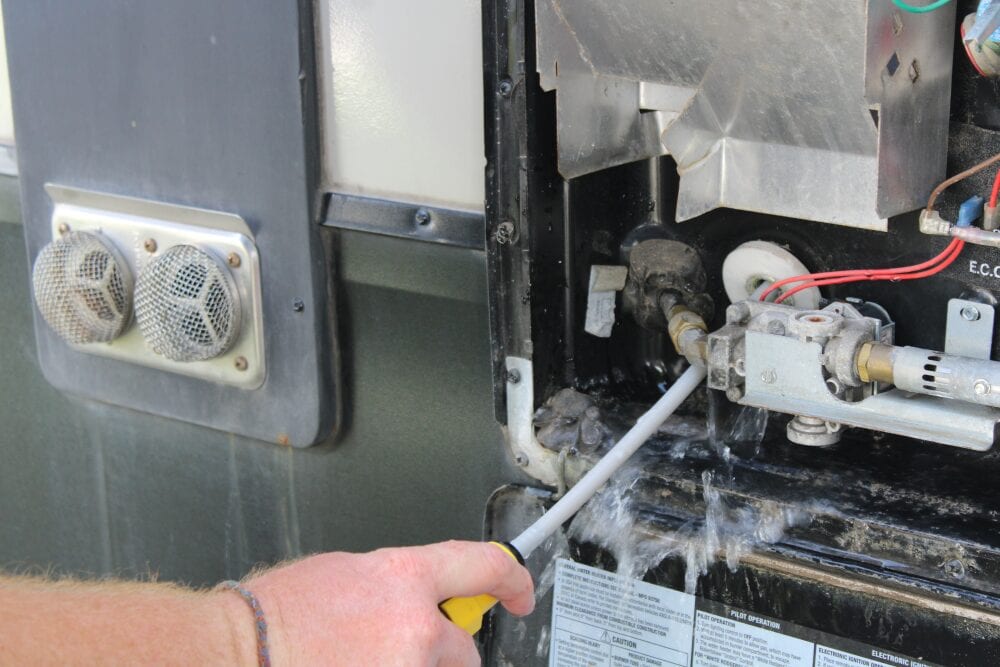
Start with basic tools like a wrench and a screwdriver. A bucket helps collect draining water. Soft cloths and brushes clean surfaces without damage. A garden hose is useful for flushing the tank. Keep a flashlight handy for better visibility inside tight spaces.
Recommended Cleaning Agents
Use mild dish soap for general cleaning. White vinegar helps remove mineral buildup naturally. Baking soda works well to neutralize odors. Avoid harsh chemicals that can harm the heater or plumbing. Choose eco-friendly products to protect the environment.
Safety Equipment
Wear gloves to protect your hands from chemicals and hot surfaces. Safety goggles shield your eyes from splashes. Use a mask if you work with strong cleaning agents. Ensure good ventilation to avoid breathing harmful fumes. Dress in old clothes to stay clean and safe.
Credit: www.travelswithted.com
Step-by-step Cleaning Process
Cleaning your RV water heater keeps it working well and extends its life. The process takes a few simple steps. Each step removes dirt, scale, and germs. Follow the steps carefully for the best results.
Draining The Water Heater
Turn off the water heater and let it cool. Open the drain valve at the bottom. Let all the water flow out completely. This removes old water and loose dirt inside.
Flushing Out Sediment
Close the drain valve. Open the cold water supply valve. Let fresh water flow through the heater. This flushes out sediment and small debris. Repeat until the water runs clear.
Descaling And Disinfecting
Mix a descaling solution with water. Pour it into the water heater tank. Let it sit to dissolve mineral build-up. Then add a disinfectant to kill bacteria. Wait for the solution to work well.
Refilling And Testing
Close all valves and refill the tank with fresh water. Turn on the water heater and check for leaks. Make sure the water heats properly. Your clean water heater is ready to use.
Tips For Regular Maintenance
Keeping your RV water heater clean is key to its long life and good work. Regular care stops problems before they start. Follow simple steps to keep water clean and heat steady.
These tips help save money on repairs. They keep water safe and taste fresh on every trip.
Scheduling Cleanings
Plan to clean your RV water heater twice a year. Pick a time before and after heavy use. Cleaning removes dirt and minerals inside the tank. This stops clogs and rust from forming. Set reminders on your phone or calendar. Stick to the schedule for best results.
Using Water Filters
Install a water filter at the water entry point. Filters catch dirt, sand, and other particles. Clean water helps your heater work well and last longer. Replace filters every few months. Choose filters made for RV water systems. This keeps water pure and safe for use.
Protecting Against Hard Water Damage
Hard water causes scale buildup inside the heater. Scale blocks heat and wastes energy. Use a water softener to reduce hardness. Softeners lower minerals like calcium and magnesium. Check your water hardness level regularly. Take action early to protect your heater and save energy.
Common Mistakes To Avoid
Cleaning your RV water heater is important for good water quality and heater performance. Many make simple mistakes that harm the heater or reduce its life. Avoiding these errors keeps your water heater working well and safe. Learn key mistakes to avoid during the cleaning process.
Skipping Safety Precautions
Safety is the first step in cleaning an RV water heater. Never skip turning off the power or gas supply. Hot water and electricity together can cause injury. Always wear gloves and eye protection. Wait for the water heater to cool before starting. These steps protect you and your RV.
Using Harsh Chemicals
Harsh chemicals can damage the water heater’s parts. Avoid bleach, ammonia, or strong acids. These can corrode metal and harm seals inside the heater. Use only cleaners made for water heaters. Mild vinegar or specially designed RV cleaners work well. Gentle cleaning keeps your heater safe and lasting longer.
Ignoring Manufacturer Guidelines
Each water heater model has specific cleaning instructions. Ignoring the manual risks damage and voids warranty. Follow the manufacturer’s steps for flushing and cleaning. Use recommended tools and cleaners. This ensures proper care and helps the heater run efficiently. Manuals provide the best advice for your exact unit.
When To Seek Professional Help
Knowing when to seek professional help for your RV water heater can save time and prevent damage. Some problems need expert skills to fix properly. Identifying these signs early keeps your heater working well and your water clean.
Persistent Water Quality Issues
Dirty or bad-smelling water may mean deeper problems. If cleaning does not fix the water quality, call a professional. They can check the tank and pipes for hidden issues. Clear, fresh water is essential for your RV comfort.
Heater Malfunctions
Water not heating or heating unevenly signals trouble. Strange noises or leaks from the heater also need expert attention. Professionals can diagnose electrical or mechanical faults safely. Avoid risking further damage by ignoring these signs.
Complex Repairs And Replacements
Some repairs require special tools and knowledge. Replacing parts or the entire water heater is tricky. Professionals handle these tasks correctly, ensuring safety and efficiency. Trust experts to keep your RV water heater in top shape.
Frequently Asked Questions
How Do I Clean An Rv Water Heater Safely?
Turn off power and water. Drain tank fully. Use a water heater cleaner as directed.
Why Is Cleaning My Rv Water Heater Important?
It removes minerals and dirt. Keeps water hot and extends heater life.
How Often Should I Clean My Rv Water Heater?
Clean it at least once a year, or more if you use hard water.
Can I Use Vinegar To Clean My Rv Water Heater?
Yes, white vinegar helps dissolve mineral build-up safely inside the tank.
What Tools Do I Need To Clean My Rv Water Heater?
You need a wrench, bucket, water heater cleaner or vinegar, and gloves.
How Long Does Cleaning An Rv Water Heater Take?
Usually, about 1 to 2 hours, including draining, cleaning, and refilling.
Conclusion
Keeping your RV water heater clean helps it work well and last longer. Dirt and minerals can cause damage and reduce heat. Regular cleaning stops buildup and keeps water fresh. It also saves money by avoiding repairs. Simple steps make the job easy and quick.
Take time to check your heater often. Clean water means better trips and comfort on the road. A clean RV water heater is key to happy camping.