
Choosing the right flooring can change the look and feel of your home. You want something that looks great, lasts long, and fits your budget.
Vinyl and laminate flooring are two popular options, but which one is best for you? This guide will help you understand the key differences so you can make the smartest choice for your space. Keep reading to find out what suits your style, needs, and lifestyle perfectly.
Flooring Basics
Choosing the right flooring is important for any home. It affects the look, feel, and comfort of your space. Understanding the basics of flooring helps make a better choice. Two popular options are vinyl and laminate flooring. Both have unique features and benefits.
This section explains what vinyl and laminate flooring are. It helps you learn the key differences and what to expect from each type.
What Is Vinyl Flooring
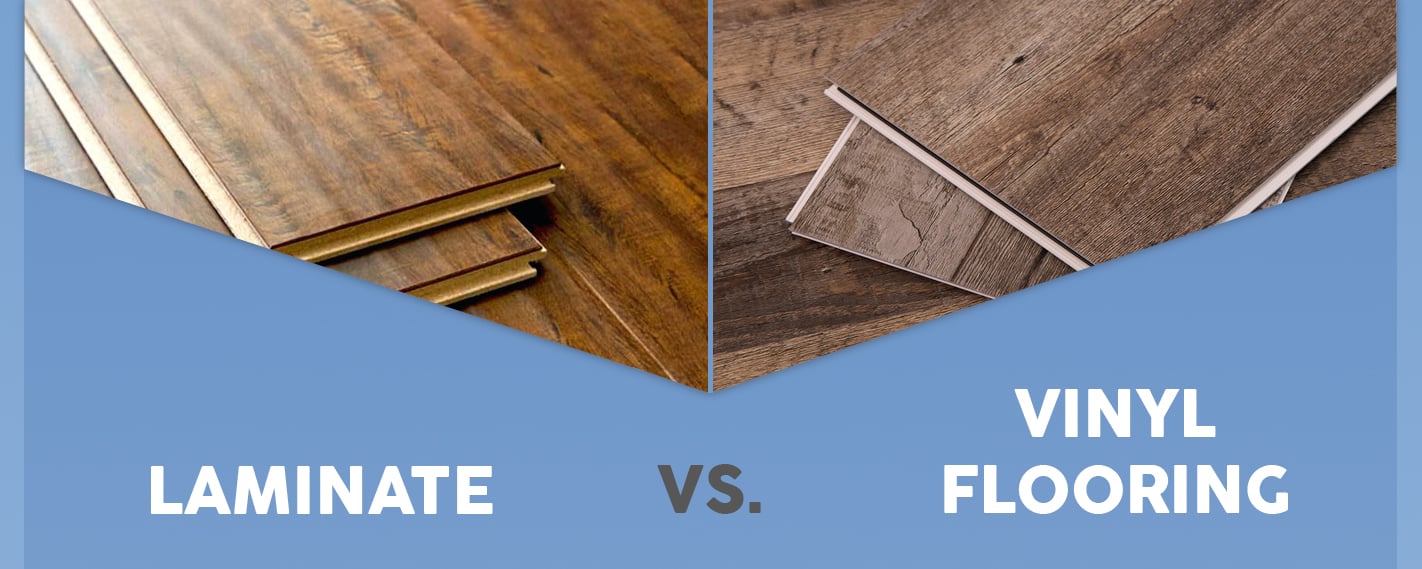
Vinyl flooring is made from synthetic materials. It often comes in sheets or tiles. The surface looks like wood, stone, or tile. It feels soft underfoot and is water-resistant.
Vinyl is easy to clean and maintain. It works well in kitchens, bathrooms, and basements. It can handle moisture better than many other floor types. Vinyl is also affordable and durable.
What Is Laminate Flooring
Laminate flooring is made of several layers. The top layer shows a photo of real wood or stone. It has a clear protective coat to resist scratches and stains.
Laminate floors are sturdy and harder than vinyl. They are easy to install with a click-lock system. They work well in living rooms and bedrooms. Laminate is less water-resistant and can swell if wet.

Credit: www.lamiwood.in
Material Composition
Understanding the material composition of vinyl and laminate flooring helps in choosing the right option. Each type has a unique structure that affects durability, appearance, and comfort. Knowing these layers gives insight into how the floors perform in different settings.
Vinyl Layers And Construction
Vinyl flooring consists of several layers. The top layer is a clear wear layer that protects against scratches and stains. Below this, a printed design layer shows the floor’s pattern or texture.
The core layer is made of PVC (polyvinyl chloride), providing flexibility and water resistance. Finally, a backing layer adds stability and support, keeping the floor flat and secure.
Laminate Layers And Construction
Laminate flooring has a different build. Its top layer is a tough, clear wear layer that guards against scratches and fading. Underneath is a high-resolution image layer, mimicking wood or stone.
The core is made of fiberboard, which gives strength and durability but is less water-resistant than vinyl. The bottom layer acts as a stabilizer, preventing warping and moisture damage.
Appearance And Style
Appearance and style are key factors in choosing flooring. They set the tone for the entire room. Both vinyl and laminate offer many looks. Each has unique features that affect the room’s feel. Understanding design options helps pick the best fit.
Design Options For Vinyl
Vinyl flooring comes in many colors and patterns. It can mimic wood, stone, or tile quite well. Some vinyl has a shiny finish. Others are matte or textured for realism. Vinyl allows bold colors and modern designs too. It fits both classic and trendy spaces. The variety suits any room or style.
Design Options For Laminate
Laminate flooring mainly imitates natural wood grains. It offers many shades from light oak to dark walnut. Some laminates show fine wood knots and textures. Others have smooth, uniform looks for simplicity. Laminate flooring can also mimic stone or tile. It often has a matte or semi-gloss finish. The style suits traditional or contemporary rooms.
Durability And Maintenance
Durability and maintenance play a big role in choosing between vinyl and laminate flooring. Both types must handle daily use and stay easy to care for. Understanding their strengths helps pick the right floor for your home.
Resistance To Wear And Tear
Vinyl flooring resists scratches and dents well. It can handle heavy foot traffic and moisture. This makes vinyl a good choice for kitchens and bathrooms.
Laminate flooring has a tough top layer that protects against scratches. It is less resistant to water than vinyl. Spills must be cleaned quickly to avoid damage.
Cleaning And Upkeep Tips
Vinyl floors are easy to clean. Sweep or vacuum regularly to remove dirt. Mop with a gentle cleaner to keep the floor shiny.
Laminate floors need careful cleaning. Use a dry mop or vacuum without a beater bar. Avoid soaking with water to prevent swelling.
Installation Process
The installation process plays a big role in choosing between vinyl and laminate flooring. Both types have unique steps and tools. Knowing these helps you decide which fits your skills and time.
Vinyl flooring usually comes in sheets, tiles, or planks. It can be glued down or placed loosely over the floor. Laminate flooring uses a click-lock system where planks snap together. This system creates a floating floor above the subfloor.
Diy Friendly Methods
Vinyl planks are easy to cut and fit by hand. Many vinyl types only need adhesive or can be placed without glue. This makes vinyl great for beginners.
Laminate flooring snaps together with a click system. You do not need glue or nails. The planks float above the floor, which allows easy repairs later.
Both vinyl and laminate come with detailed instructions. Tools needed include a saw, measuring tape, and spacers. Careful measuring ensures a smooth, even floor.
Professional Installation Considerations
Professionals prepare the subfloor to avoid bumps and moisture issues. This step is crucial for lasting results. They use special tools for precise cuts and fitting.
Vinyl installation may require spreading adhesive evenly. This process needs skill to prevent bubbles or wrinkles. Professionals can also weld seams for a waterproof finish.
Laminate installation by experts ensures tight joints and correct expansion gaps. Proper installation stops the floor from buckling or warping. Pros also handle tricky areas like stairs or corners smoothly.
Cost Comparison
Cost plays a big role when choosing between vinyl and laminate flooring. Understanding the price differences helps you make a smart decision. Both materials have upfront costs and long-term expenses. Let’s break down these costs to see which fits your budget better.
Material And Installation Costs
Vinyl flooring usually costs less per square foot than laminate. Basic vinyl planks start around $2 to $5 per square foot. Laminate prices range from $3 to $7 per square foot. Higher-end options for both can cost more.
Installation for vinyl tends to be cheaper. It is lighter and easier to cut. Many homeowners can install vinyl themselves. Laminate requires more tools and skill for a good fit. Professional installation for laminate can add $2 to $5 per square foot.
Long-term Value
Vinyl is water-resistant and holds up well in wet areas. It lasts about 10 to 20 years with good care. Laminate can last 15 to 25 years but is less water-friendly. Damaged laminate may need full plank replacement.
Vinyl often needs less maintenance and repair. It resists stains and scratches better. Laminate may require more upkeep to avoid damage. Over time, vinyl’s durability can save money on repairs.
Comfort And Noise
Comfort and noise are key factors to think about when choosing flooring. Both vinyl and laminate have different qualities that affect how they feel underfoot and how much sound they make. These differences can change your home’s atmosphere.
Foot Feel And Warmth
Vinyl flooring feels softer and warmer to walk on. It has a slight cushion that makes steps gentle. This makes vinyl a good choice for bare feet or kids playing on the floor. Laminate feels harder and cooler. It can feel like walking on wood or tile. This might be less cozy in colder months.
Sound Absorption Qualities
Vinyl absorbs sound better than laminate. It reduces noise from footsteps and moving furniture. This helps keep rooms quieter. Laminate can sound hollow or echo when you walk on it. Adding underlayment can improve laminate’s sound absorption. Still, vinyl usually stays quieter overall.
Credit: 50floor.com
Water Resistance
Water resistance is a key factor when choosing between vinyl and laminate flooring. Both have different properties that affect their use around water. Understanding these differences helps pick the right floor for your space.
Suitability For Wet Areas
Vinyl flooring is highly water-resistant. It can handle wet environments like bathrooms and kitchens well. Vinyl does not absorb water, so it won’t warp or swell.
Laminate flooring is less water-resistant. It can suffer damage if exposed to water for long. This makes laminate less suitable for areas with heavy moisture or standing water.
Handling Spills And Moisture
Vinyl floors manage spills easily. You can wipe water or liquids without worry. The surface resists stains and damage from moisture.
Laminate floors need quick cleanup of spills. Water can seep into seams and cause swelling. Prolonged moisture may lead to permanent damage or warping.
Environmental Impact
The environmental impact of flooring choices matters to many homeowners. Vinyl and laminate flooring affect the environment in different ways. Understanding these impacts helps make better decisions for your home and the planet.
Sustainability Factors
Vinyl flooring is made from PVC, a plastic derived from fossil fuels. Its production uses energy and releases chemicals. This process affects air and water quality. Laminate flooring uses wood byproducts and resins. It can use less energy to produce than vinyl.
Laminate often comes from trees grown on farms. These farms can be managed to grow more trees. This makes laminate more sustainable in some cases. Vinyl does not come from renewable resources. It relies on oil, a non-renewable resource.
Recyclability And Waste
Vinyl flooring is hard to recycle. Few facilities accept it for recycling. Most vinyl ends up in landfills. It can take hundreds of years to break down. Laminate flooring is also difficult to recycle. It contains wood and plastic layers fused together.
Both types create waste when installed or removed. Choosing options with recycling programs helps reduce waste. Some companies offer take-back programs for laminate. Proper disposal reduces harm to the environment.
Best Uses For Each
Choosing the right flooring depends on the room’s use and conditions. Vinyl and laminate have different strengths. Each fits certain spaces better. Knowing the best uses helps you pick the right one.
Ideal Rooms For Vinyl
Vinyl works well in moist or wet areas. Kitchens and bathrooms are great spots. Vinyl resists water and does not warp easily. Laundry rooms and basements also suit vinyl floors. It handles spills and humidity without damage. Vinyl is soft underfoot, making it comfy in busy spaces.
Ideal Rooms For Laminate
Laminate fits dry areas with moderate foot traffic. Living rooms and bedrooms are perfect choices. It offers a warm look like wood at a lower cost. Laminate is durable and easy to clean. Hallways and dining rooms benefit from its toughness. Avoid placing laminate in wet or damp places to prevent swelling.

Credit: homeguide.com
Frequently Asked Questions
What Is The Main Difference Between Vinyl And Laminate Flooring?
Vinyl is made from plastic, making it water-resistant and flexible. Laminate uses wood fibers and a photographic layer for a wood look.
Which Flooring Is Better For Wet Areas Like Kitchens?
Vinyl flooring is better for wet areas since it resists water and moisture well. Laminate can swell and warp if water seeps in.
How Do Vinyl And Laminate Compare In Durability?
Vinyl is softer but resists scratches and dents well. Laminate is harder but can chip or swell if exposed to water.
Is Vinyl Or Laminate Easier To Install For Beginners?
Vinyl often comes in peel-and-stick or click-lock planks, making it easy to install. Laminate also clicks together but may need underlayment.
Which Flooring Type Is More Comfortable To Walk On?
Vinyl tends to feel softer and warmer underfoot. Laminate can feel harder and colder without added underlayment.
How Do Vinyl And Laminate Compare In Price?
Vinyl is usually less expensive upfront and costs less to maintain. Laminate can be pricier but may add more value to homes.
Conclusion
Choosing between vinyl and laminate flooring depends on your needs and style. Vinyl works well in wet areas and is easy to clean. Laminate gives a natural wood look and feels sturdy underfoot. Both options offer good value and durability.
Think about your budget, room use, and design preference. Either way, you get a fresh, attractive floor that suits your home. Take your time to decide what fits best for your space and lifestyle. Simple choices lead to happy homes.