
Are you ready to make your RV adventures smoother and safer? Understanding the different types of RV plugs is key to connecting your vehicle to power sources without hassle.
Whether you’re camping for a weekend or hitting the road for months, knowing which plug fits your setup can save you time, money, and frustration. You’ll discover the main types of RV plugs, how they work, and why choosing the right one matters for your trip.
Keep reading to power up your RV knowledge and enjoy worry-free travels!
Common Rv Plug Types
Understanding common RV plug types helps ensure safe and reliable power connections. Different plugs serve different power needs. Knowing these types makes camping easier and more enjoyable.
30 Amp Plugs
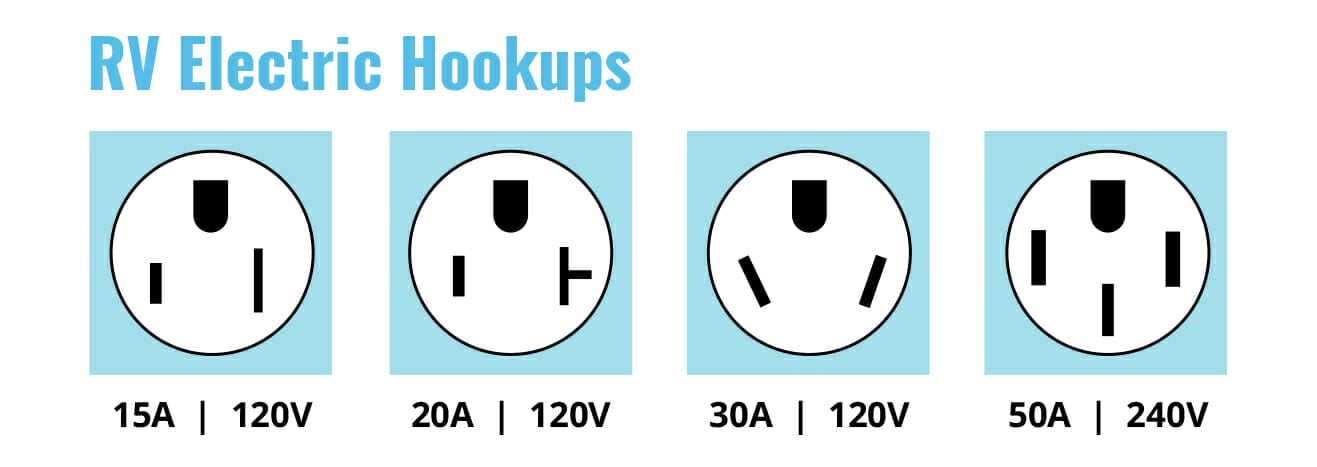
30 amp plugs are the most common for smaller RVs. They supply up to 3,600 watts of power. This type powers basic appliances like lights, fans, and small kitchen devices. The plug has three prongs and fits specific RV outlets. It balances power use without overloading circuits.
50 Amp Plugs
50 amp plugs provide more power for larger RVs. They supply up to 12,000 watts. This plug supports multiple air conditioners, microwaves, and other heavy appliances. It has four prongs and requires a compatible outlet. These plugs are common at many RV parks and campgrounds.
15 And 20 Amp Plugs
15 and 20 amp plugs are standard household types used for small devices. They supply less power, suitable for chargers and low-energy appliances. These plugs have two or three prongs. They connect easily to regular outlets but are not for full RV power supply. These plugs offer convenience for minor electric needs.
Credit: www.parkedinparadise.com
Plug Design And Features
RV plugs differ in design and features to meet various power needs. Understanding these aspects helps choose the right plug for your RV. Designs focus on safety, ease of use, and compatibility with power sources.
Blade And Pin Configurations
RV plugs use blades or pins to connect to power. The shape and number of blades vary by type. Some plugs have flat blades, while others have round pins. This design ensures the plug fits only specific outlets. It prevents wrong connections and improves safety.
Voltage And Current Ratings
Each RV plug supports certain voltage and current levels. Common ratings include 30 amps or 50 amps and 120 or 240 volts. Knowing these ratings is key to matching your RV’s power needs. Using the wrong rating can cause damage or power failure.
Weatherproofing And Durability
RV plugs often face outdoor conditions. Weatherproof designs protect plugs from water, dust, and dirt. Durable materials resist cracking and wear from frequent use. This makes the plug reliable for camping and travel. Look for plugs with seals and tough casings.
Choosing The Right Plug For Your Rv
Choosing the right plug for your RV is important for safety and convenience. The plug connects your RV to power sources at campgrounds or other locations. Selecting the correct plug type avoids electrical issues and damage to your RV’s systems. Understanding your RV’s electrical needs and the types of plugs available helps you make the best choice.
Matching Rv Electrical Requirements
Check your RV’s electrical system before picking a plug. Most RVs use 30-amp or 50-amp service. The plug must match this rating to work properly. Using a plug with a lower amp rating can cause power loss. A higher amp plug may not fit or could be unsafe. Always confirm the voltage and amps your RV requires.
Compatibility With Campground Power Sources
Campgrounds use various power outlet types. Some offer 15-amp, 30-amp, or 50-amp connections. Your RV plug must fit the campground’s power source. Otherwise, you can’t connect safely. Research campgrounds you plan to visit. Know what plug types they provide. This saves time and prevents problems during your trip.
Adapters And Converters
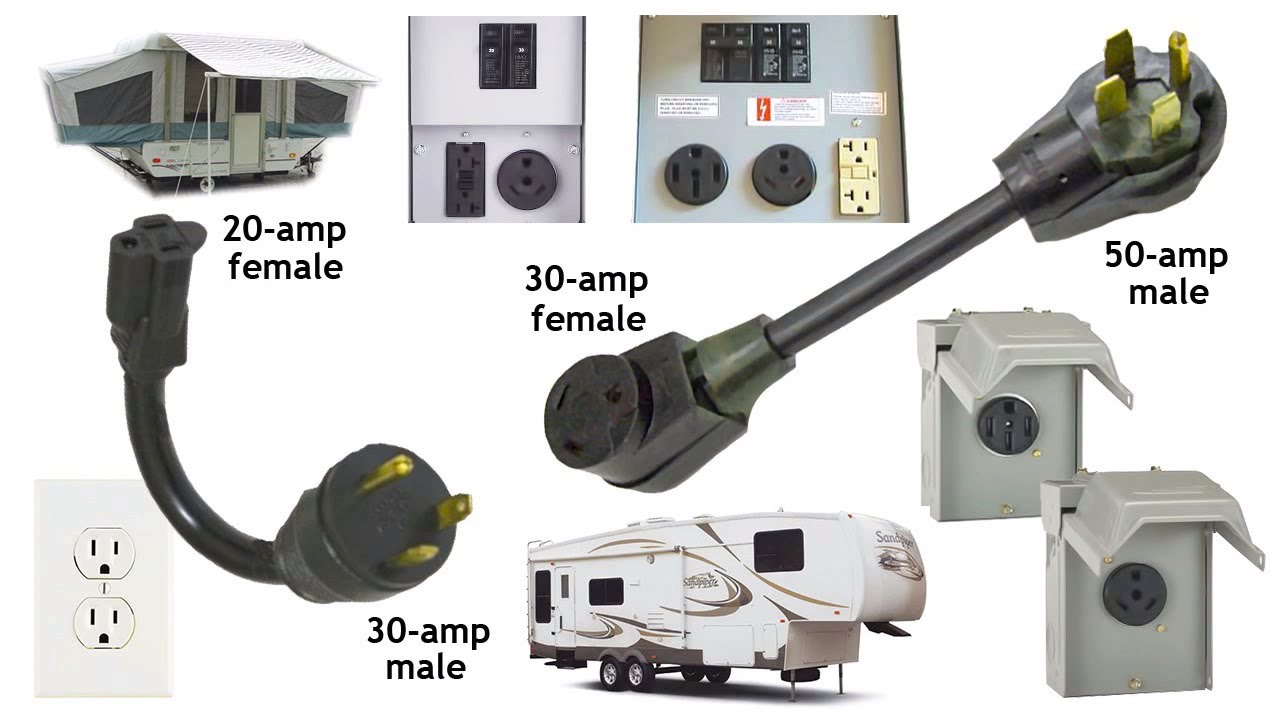
Adapters help connect different plug types. They allow your RV to use various campground outlets. Converters change voltage or amps if needed. Use adapters and converters that meet safety standards. Avoid cheap or uncertified products. Proper adapters ensure your RV gets the right power safely. Carry a few adapters for flexibility on the road.
Credit: www.youtube.com
Installation Tips And Safety
Installing RV plugs properly is key for safe and reliable power. Careless wiring can cause damage or even accidents. Follow clear steps and respect safety rules for the best results.
Use the right tools and parts. Double-check all connections. Take your time to ensure everything fits and works well.
Proper Wiring Practices
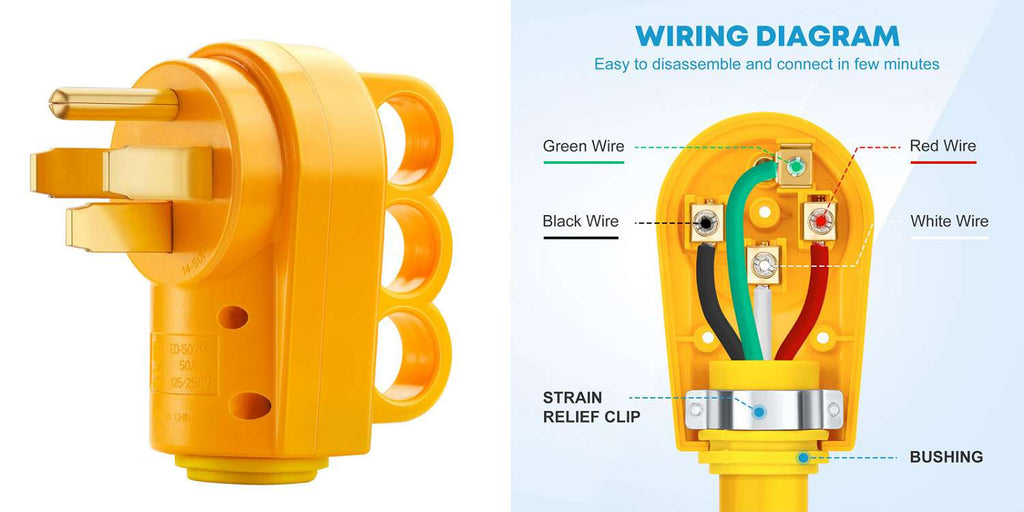
Start by turning off power sources before working on wiring. Use wires that match the plug’s amperage. Connect wires to the correct terminals—black to brass, white to silver, green to ground.
Keep wires tight in terminals to avoid loose connections. Use wire strippers to remove insulation without damaging wires. Secure cables to prevent movement and wear.
Avoiding Common Mistakes
Never mix plugs of different amperages or voltages. Avoid using damaged or frayed wires. Do not skip grounding; it protects against shocks.
Check polarity before finalizing connections. Don’t force plugs into incompatible sockets. Avoid twisting wires together without proper connectors.
Safety Precautions
Wear insulated gloves and safety glasses during installation. Work in dry conditions to reduce shock risk. Test the plug with a voltage tester before use.
Keep a fire extinguisher nearby just in case. Follow local codes and regulations for electrical work. Consult a professional if unsure about any step.
Maintaining Rv Plugs
Maintaining RV plugs is essential for safe and reliable power connection. Regular care helps avoid electrical problems and extends plug life. Simple checks and cleaning keep your RV ready for any trip.
Cleaning And Inspection
Start by unplugging your RV from power sources. Use a soft brush or cloth to remove dirt and debris. Check the prongs and sockets for corrosion or damage. Clean contacts improve electrical flow and prevent shorts. Inspect the plug housing for cracks or wear that can expose wires.
Troubleshooting Connection Issues
Loose connections cause flickering or no power. Make sure the plug fits tightly in the outlet. Wiggle the plug gently to find bad contacts. Test the power source with a meter if needed. Look for burnt smells or discoloration, signs of overheating. Fix minor issues by tightening or cleaning connections.
When To Replace
Replace plugs showing corrosion or broken parts. Cracked housing or bent prongs are safety risks. Frequent connection problems signal a worn-out plug. Using damaged plugs can cause electrical fires or shocks. Buy replacements that match your RV’s power requirements exactly.
Credit: www.kohree.com
Frequently Asked Questions
What Are The Common Types Of Rv Plugs Used?
RV plugs mainly include 30-amp, 50-amp, and 15/20-amp types for different power needs.
How Do 30-amp And 50-amp Rv Plugs Differ?
30-amp plugs provide less power and have three prongs; 50-amp plugs offer more power with four prongs.
Can I Use A 50-amp Plug In A 30-amp Rv Socket?
No, 50-amp plugs do not fit 30-amp sockets due to size and prong differences.
What Is A Tt-30 Rv Plug?
TT-30 is a 120V 30-amp plug often used for smaller RVs and camping sites.
Why Are 15/20-amp Rv Plugs Important?
They allow connection to standard household outlets for low power needs or emergencies.
How Do I Choose The Right Rv Plug Type?
Match the plug to your RV’s power requirements and the campground’s available outlets.
Conclusion
Knowing different types of RV plugs helps keep your trips safe. Each plug fits specific power needs and RV models. Choosing the right plug avoids damage and power issues. Always check your RV’s power requirements before plugging in. Understanding plugs makes camping easier and more fun.
Stay prepared and enjoy your RV adventures with confidence.