
Have you ever paused to wonder what really sets moths and butterflies apart? At first glance, they might seem almost the same—but once you look closer, fascinating differences start to emerge.
Understanding these differences can change the way you see your garden, your night walks, or even those fluttering creatures near your porch light. If you’ve ever been curious about which is which, or why they behave differently, this article will clear up the mystery.
By the end, you’ll not only spot the difference with ease but also appreciate these incredible insects in a whole new light. Ready to discover the secrets behind moths vs butterflies? Let’s dive in.

Credit: www.familyhandyman.com
Physical Differences
Moths and butterflies may look alike at first glance. Their physical differences help tell them apart. These differences include wing shape, color, antennae, and body build. Understanding these traits makes identifying them easier. Below are the key physical features to notice.
Wing Shape And Color
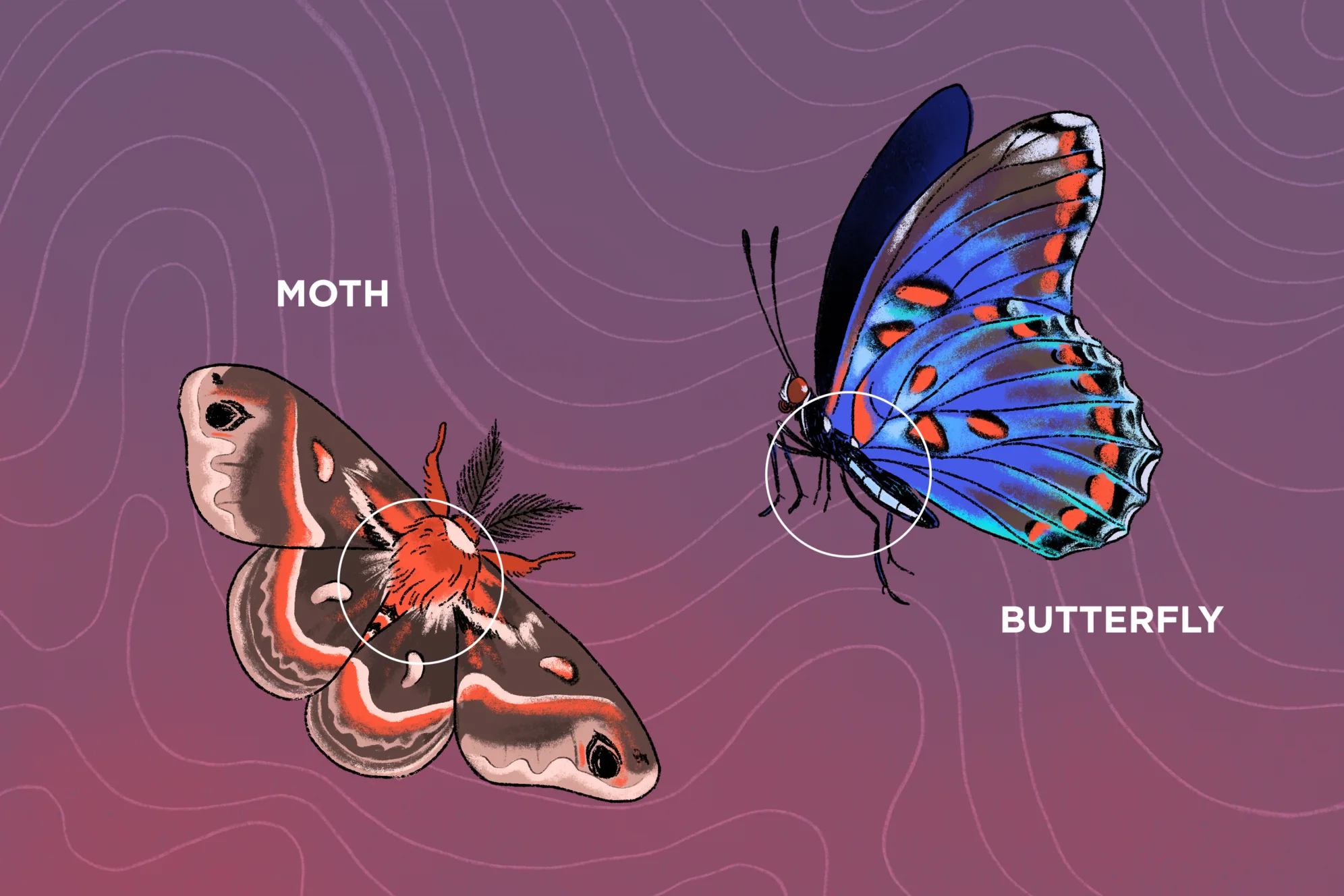
Butterflies usually have slender wings with smooth edges. Their wings are bright and colorful. Moths often have wider wings with jagged or feathery edges. Their colors tend to be dull, like browns or grays. These colors help moths hide during the day.
Antennae Structure
Butterflies have thin antennae with small clubs at the tips. These help them sense smells and navigate. Moths have feathery or comb-like antennae. This shape helps them detect pheromones from far away. Antennae style is a clear way to tell them apart.
Body Build
Butterflies have thin, smooth bodies. Their bodies look sleek and light. Moths usually have thick, furry bodies. Their fur helps keep them warm at night. Body size and texture differ a lot between moths and butterflies.
Behavioral Traits
Behavioral traits help us tell moths and butterflies apart. These insects act differently in many ways. Their habits show how they live and survive. Understanding these behaviors reveals their unique lives.
Here are some key behaviors that set moths and butterflies apart.
Activity Patterns
Butterflies usually fly during the day. They are active when the sun shines. Moths mostly fly at night. They come out after dark to avoid predators. Some moths can also be active at dusk or dawn. These patterns help them find food and mates safely.
Resting Postures
Butterflies rest with their wings closed up. They fold wings above their backs like a book. Moths rest with wings spread flat or tent-like over their bodies. This difference helps identify them easily. Resting postures also protect them from harm.
Flight Styles
Butterflies have smooth, gliding flights. They move slowly and look graceful. Moths fly in quick, jerky motions. Their flight appears more erratic and fast. Flight style suits their needs for escaping predators or finding food.
Life Cycle Variations
The life cycles of moths and butterflies show clear differences. These differences affect their growth, appearance, and behavior. Understanding these changes helps us see how each insect lives and survives.
Cocoon Vs Chrysalis
Moths spin cocoons to protect themselves during transformation. The cocoon is made of silk and sometimes other materials.
Butterflies form a chrysalis, a hard shell without silk. The chrysalis is smooth and often camouflaged.
The cocoon covers the moth completely. The chrysalis hangs openly on branches or leaves.
Larval Differences
Moth larvae, or caterpillars, often have more hair or bristles. These hairs can protect them from predators.
Butterfly larvae usually have smooth bodies and bright colors. Their appearance warns predators they may taste bad.
Both larvae eat leaves but prefer different plants. This helps reduce competition for food.
Metamorphosis Timing
Moths may spend weeks or months inside their cocoons. Some species stay longer during cold seasons.
Butterflies usually complete metamorphosis faster. They spend fewer days in the chrysalis stage.
Timing depends on the environment and species. It helps each insect survive in its habitat.

Credit: www.geeksforgeeks.org
Habitat And Distribution
Moths and butterflies share many traits but differ in where they live and how they spread. Their habitats and distribution reveal unique patterns that affect their survival. Understanding these differences helps us appreciate their roles in nature.
Preferred Environments
Butterflies favor sunny and open areas. They thrive in gardens, meadows, and forests with lots of flowers. These spots provide nectar and warmth, essential for their activity.
Moths prefer darker, cooler places. Many live in forests, fields, and near water sources. Some moths rest on tree bark or under leaves during the day.
Global Presence
Butterflies appear on every continent except Antarctica. Their colorful wings make them easy to spot. Tropical regions host the most species.
Moths have an even wider range. They inhabit almost all parts of the world, including cold and dry areas. Their nocturnal habits help them avoid predators.
Adaptability
Butterflies adapt by migrating or changing their diet slightly. Some species move to warmer places during cold seasons.
Moths show strong adaptability. They adjust to various climates and food sources. Many species thrive near human homes and artificial lights.
Role In Ecosystem
Moths and butterflies play important roles in nature. They help plants grow and support many animals. Their presence keeps the environment healthy. Understanding their role helps us protect these insects and the world around us.
Pollination Impact
Both moths and butterflies carry pollen from flower to flower. This helps plants make seeds and fruit. Butterflies usually pollinate during the day. Moths often work at night. Their activity supports many wildflowers and crops.
Food Chain Position
Moths and butterflies serve as food for many animals. Birds, bats, and spiders rely on them for energy. Their larvae, called caterpillars, feed many small animals too. Without them, many creatures would struggle to survive.
Interaction With Humans
Humans benefit from moths and butterflies in many ways. They improve crop yields by pollination. People enjoy watching butterflies for beauty and calmness. Some moths help scientists study nature and ecology. Protecting these insects helps humans and the planet.
Credit: aqua.org
Frequently Asked Questions
What Are The Main Differences Between Moths And Butterflies?
Moths are mostly active at night, while butterflies are active during the day. Moths have feathery antennae; butterflies have thin, clubbed antennae. Their resting wing positions also differ.
How Can You Tell A Moth From A Butterfly By Their Wings?
Butterflies usually fold their wings vertically when resting. Moths tend to spread their wings flat or wrap them around their bodies. Wing texture is also different; moths often have fuzzier wings.
Why Do Moths And Butterflies Have Different Antenna Shapes?
Moths have feathery or comb-like antennae to detect pheromones at night. Butterflies’ antennae end in small clubs, which help with navigation in daylight. These shapes suit their lifestyles and activity times.
Are Moths Or Butterflies Better Pollinators?
Butterflies mainly pollinate flowers during the day, visiting bright, open flowers. Moths pollinate night-blooming flowers that are often pale or white. Both play important roles in ecosystems.
Do Moths And Butterflies Eat The Same Types Of Food?
Adult butterflies feed mostly on nectar from flowers using a long proboscis. Many moths also feed on nectar, but some do not eat as adults. Caterpillars of both species eat leaves but prefer different plants.
Why Do Moths Usually Fly At Night, Unlike Butterflies?
Moths are adapted to avoid daytime predators by flying at night. Their eyes are more sensitive to low light, helping them navigate in the dark. Butterflies rely on sunlight for warmth and activity.
Conclusion
Moths and butterflies share many traits but also differ a lot. Both belong to the same insect group but live different lives. Moths are mostly active at night, while butterflies prefer daytime. Their colors, shapes, and habits help tell them apart easily.
Knowing these differences makes nature more interesting to watch. Next time you see one, try to spot if it’s a moth or a butterfly. Nature’s small wonders, both deserve our attention and care. Understanding them helps us appreciate the world better.
Simple, yet fascinating creatures all around us.