
Have you ever woken up with itchy red spots and wondered, “Is this from bed bugs or mosquitoes?” It’s frustrating when you can’t tell the difference. Knowing what bit you is important because it helps you take the right action fast.
You’ll discover clear ways to spot the differences between bed bug bites and mosquito bites. By the end, you’ll feel confident in identifying the culprit and protecting yourself better. Keep reading—your skin will thank you!
Appearance Of Bites
Understanding the appearance of bed bug bites and mosquito bites helps identify the pest causing the problem. Each bite type shows distinct signs on the skin. These signs include size, shape, color, and how the bites group together. This knowledge aids quick and accurate bite recognition.
Size And Shape
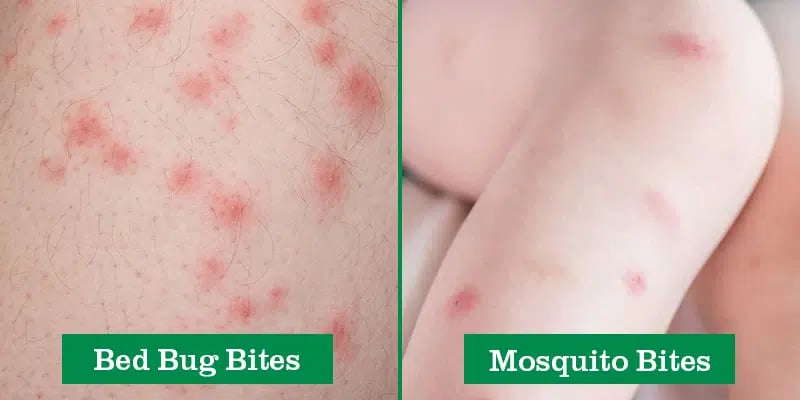
Bed bug bites often appear small and flat at first. They may swell into raised bumps later. Mosquito bites usually form round, puffy bumps. Bed bug bites can be irregular in shape. Mosquito bites tend to be more uniform and circular.
Color Variations
Both bites cause redness around the affected area. Bed bug bites may have a darker red center. Mosquito bites usually show a lighter red or pink color. The color can change with skin type and bite age. Bed bug bites might look more bruised or blotchy.
Pattern And Grouping
Bed bug bites often appear in clusters or lines. This happens because bed bugs feed multiple times along the skin. Mosquito bites usually appear as single, scattered spots. Grouped bites can help point to bed bugs as the cause.
Common Locations On Body
Bites from bugs can cause red, itchy spots on your skin. Knowing where these bites usually appear helps you identify the cause. Bed bug bites and mosquito bites often show up in different parts of the body. This section explains the common areas where each type of bite appears.
Bed Bug Bite Areas
Bed bug bites often appear on skin that is exposed while you sleep. Common spots include the face, neck, arms, and hands. These bugs tend to bite in a line or cluster. Areas covered by clothing usually remain bite-free. Bites can also appear on the shoulders and back. Bed bugs prefer warm, soft skin to feed on.
Mosquito Bite Areas
Mosquito bites mostly occur on parts of the body that are uncovered. The arms, legs, and ankles are typical areas. Mosquitoes can bite anywhere, but they like places with thin skin. Bites often show up on the feet and behind the knees. Unlike bed bugs, mosquitoes bite both day and night. They do not leave a pattern but appear randomly.
Timing And Frequency
Timing and frequency play a big role in telling apart bed bug bites from mosquito bites. Each insect bites at different times and in unique patterns. These differences help identify the source of your itchy skin. Understanding when and how often these bites happen can guide your next steps.
When Bed Bugs Bite
Bed bugs usually bite at night. They come out while you sleep. Their bites often appear in clusters or lines. You may notice several bites close to each other. These bugs feed quietly and quickly. Morning often reveals new bites from the night before.
When Mosquitoes Bite
Mosquitoes bite mostly during dawn and dusk. They can also bite in the day if shade is near. Mosquito bites are usually scattered, not in groups. You might feel a bite right away. Mosquitoes bite more randomly and less often than bed bugs.
Symptoms And Reactions
Understanding the symptoms and reactions of bed bug bites versus mosquito bites helps in identifying the cause. Both bites cause discomfort but show different signs on the skin. Recognizing these differences aids in treating the bites properly and avoiding further problems.
Itching And Swelling
Both bed bug and mosquito bites cause itching. Bed bug bites often appear in clusters or lines. The swelling is usually small but can spread over time. Mosquito bites tend to be single spots with a round, raised bump. The itching from mosquito bites can last a few days. Bed bug bites may itch longer and feel more irritated.
Allergic Responses
Some people have allergic reactions to both types of bites. Bed bug bites can cause larger red welts and severe itching. Mosquito bites may cause mild to moderate swelling and redness. In rare cases, mosquito bites can trigger strong allergic reactions. Allergic reactions from bed bugs are less common but can be intense. Knowing your body’s response helps in managing symptoms quickly.
Infection Risks
Scratching bites can lead to infections in both cases. Bed bug bites rarely carry diseases but can become infected if scratched too much. Mosquito bites have a higher risk since mosquitoes can carry diseases. Keeping the bite clean and avoiding scratching reduces infection chances. Seek medical help if swelling or pain increases after a bite.
Identifying The Source
Identifying the source of bites is important to treat and prevent further problems. Bed bug bites and mosquito bites look similar but come from very different pests. Knowing how to spot signs of each helps find the cause fast. You can check your home and surroundings for clues. This makes it easier to stop bites and protect your skin.
Signs Of Bed Bug Infestation
Bed bugs hide in small cracks and crevices near beds. Look for tiny dark spots on sheets or mattresses. These spots are bed bug droppings. You may also see shed skins or small blood stains. Bed bug bites often appear in lines or clusters on the skin. They cause red, itchy bumps that can last for days. A musty or sweet smell near the bed can also signal bed bugs.
Detecting Mosquito Presence
Mosquitoes are most active at dawn and dusk. You might hear a soft buzzing sound near your ears. They breed in standing water like ponds, buckets, or clogged gutters. Mosquito bites are usually random and scattered on exposed skin. These bites swell quickly and itch intensely. Mosquitoes often fly around outside and near open windows. Removing standing water reduces mosquito numbers around your home.

Credit: www.atoncepest.com
Treatment Options
Treating bed bug bites and mosquito bites involves reducing itching and preventing infection. Both bites cause discomfort, but treatment methods can help ease symptoms quickly. Understanding the best options helps manage bites effectively at home or with medical help.
Home Remedies
Apply a cold compress to reduce swelling and itchiness. Use over-the-counter creams with hydrocortisone or calamine lotion. These help soothe irritated skin. Taking an antihistamine pill can lower allergic reactions. Keep the bite area clean and avoid scratching. Use aloe vera gel for natural cooling and healing. Baking soda paste also helps calm itching. These remedies provide quick relief and are easy to use.
Medical Treatments
See a doctor if bites cause severe pain or infection. Prescription creams with stronger steroids may be needed. Antibiotics treat infected bites. Oral corticosteroids reduce serious inflammation. Doctors may recommend antihistamines for bad allergic reactions. Medical care is important for persistent or worsening symptoms. Early treatment stops complications and speeds recovery.
Prevention Tips
Preventing bites from bed bugs and mosquitoes reduces discomfort and health risks. Both pests leave itchy marks but require different prevention methods. Knowing how to avoid them keeps your home and skin safe.
Avoiding Bed Bugs
Check secondhand furniture before bringing it inside. Bed bugs hide in cracks and seams. Use protective covers on mattresses and pillows. Wash bedding in hot water regularly. Keep clutter low to reduce hiding places. Inspect hotel rooms during travel, especially beds. Seal cracks in walls and furniture. Vacuum floors and furniture often to remove bugs.
Mosquito Protection Strategies
Wear long sleeves and pants outdoors, especially at dawn and dusk. Use insect repellent containing DEET or picaridin. Install window screens and doors to keep mosquitoes out. Remove standing water where mosquitoes breed. Use mosquito nets when sleeping outside. Keep yard clean and free from leaves and debris. Use fans outdoors to keep mosquitoes away.
Credit: www.greenpestsolutions.com

Credit: protectpestcontrol.sg
Frequently Asked Questions
What Are The Main Differences Between Bed Bug And Mosquito Bites?
Bed bug bites often appear in clusters or lines, while mosquito bites are usually single. Bed bug bites can itch more and may cause red welts. Mosquito bites tend to swell up quickly and feel itchy too.
How Can I Tell If A Bite Is From A Bed Bug?
Bed bug bites are small, red, and often grouped in a row. They usually appear on exposed skin at night. Mosquito bites are more random and not in patterns.
Do Bed Bug Bites Cause Allergic Reactions Like Mosquito Bites?
Yes, both can cause allergic reactions, but bed bug bites often cause stronger itching and swelling. Some people may get blisters from bed bugs. Mosquito bites usually cause mild redness and itching.
Where Do Bed Bugs And Mosquitoes Usually Bite On The Body?
Bed bugs bite areas exposed while sleeping, like arms, neck, and face. Mosquitoes bite anywhere on exposed skin, often legs and arms. Bed bug bites are mostly on the upper body.
How Long Do Bed Bug Bites Last Compared To Mosquito Bites?
Bed bug bites can last up to two weeks or more if scratched. Mosquito bites usually heal within a few days. Both can become infected if scratched too much.
Can Bed Bug Bites Transmit Diseases Like Mosquito Bites?
Mosquitoes can carry diseases like malaria and dengue. Bed bugs are not known to spread diseases but can cause skin infections from scratching. Both bites need care to avoid infection.
Conclusion
Bed bug bites and mosquito bites look similar but feel different. Bed bug bites often appear in lines or clusters. Mosquito bites usually show up as single, round bumps. Both cause itching, but bed bug bites may last longer. Knowing the difference helps you treat bites quickly and correctly.
Watch your skin after being outdoors or sleeping. If bites worsen or cause pain, see a doctor. Stay calm and keep your home clean to avoid bugs. Understanding these bites keeps you healthy and comfortable.