
When building or renovating your home, choosing the right roof support is crucial. You might be wondering: should you go with rafters or trusses?
This decision affects not only the strength and style of your roof but also your budget and timeline. Understanding the key differences between rafters and trusses will help you make the best choice for your project. Keep reading to discover which option suits your needs perfectly and why this simple choice can save you time, money, and headaches down the road.
Rafters Basics
Understanding rafters is key to grasping roof construction. Rafters are the sloped beams that support the roof deck. They shape the roof and hold its weight. Rafters have been used in building for centuries. Their simplicity and strength make them a popular choice for many homes.
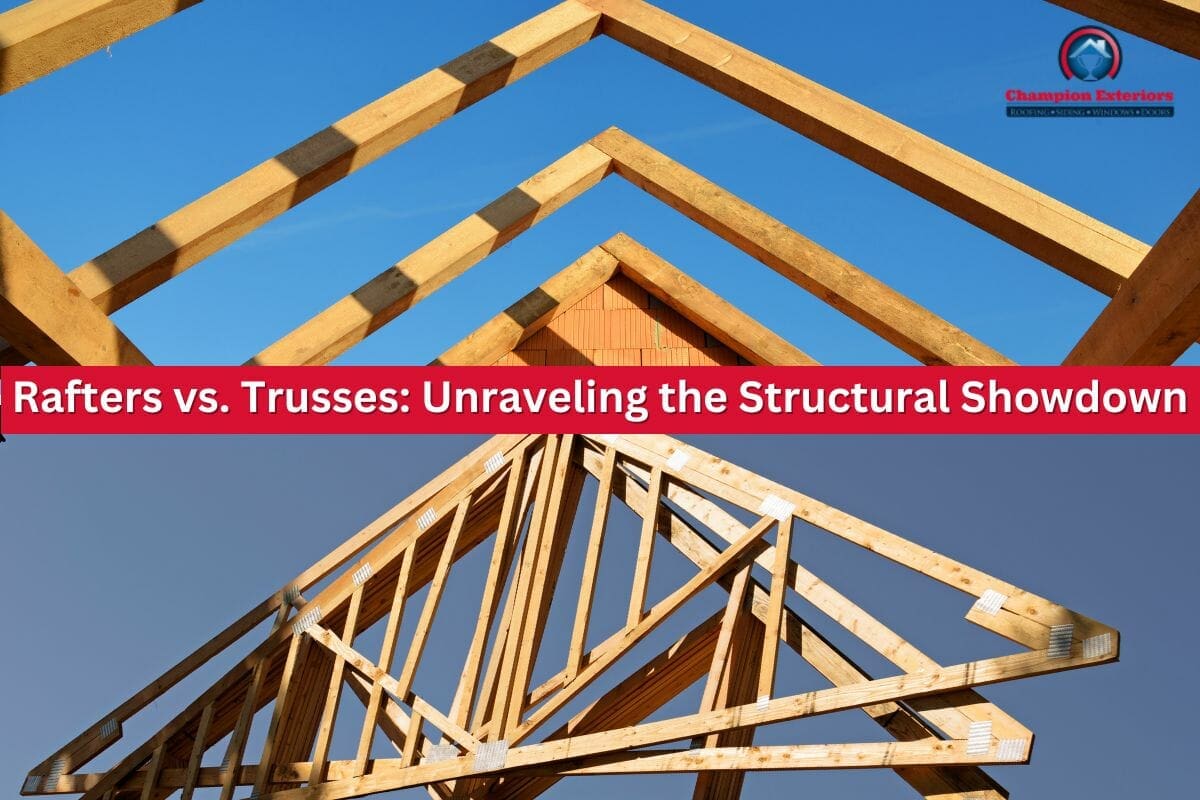
Rafters run from the ridge beam at the top to the wall plate at the bottom. They form a triangle, which is a strong shape. This triangle helps distribute the roof load evenly. Rafters provide a solid framework for roofing materials. They also allow for attic space and ventilation.
What Are Rafters
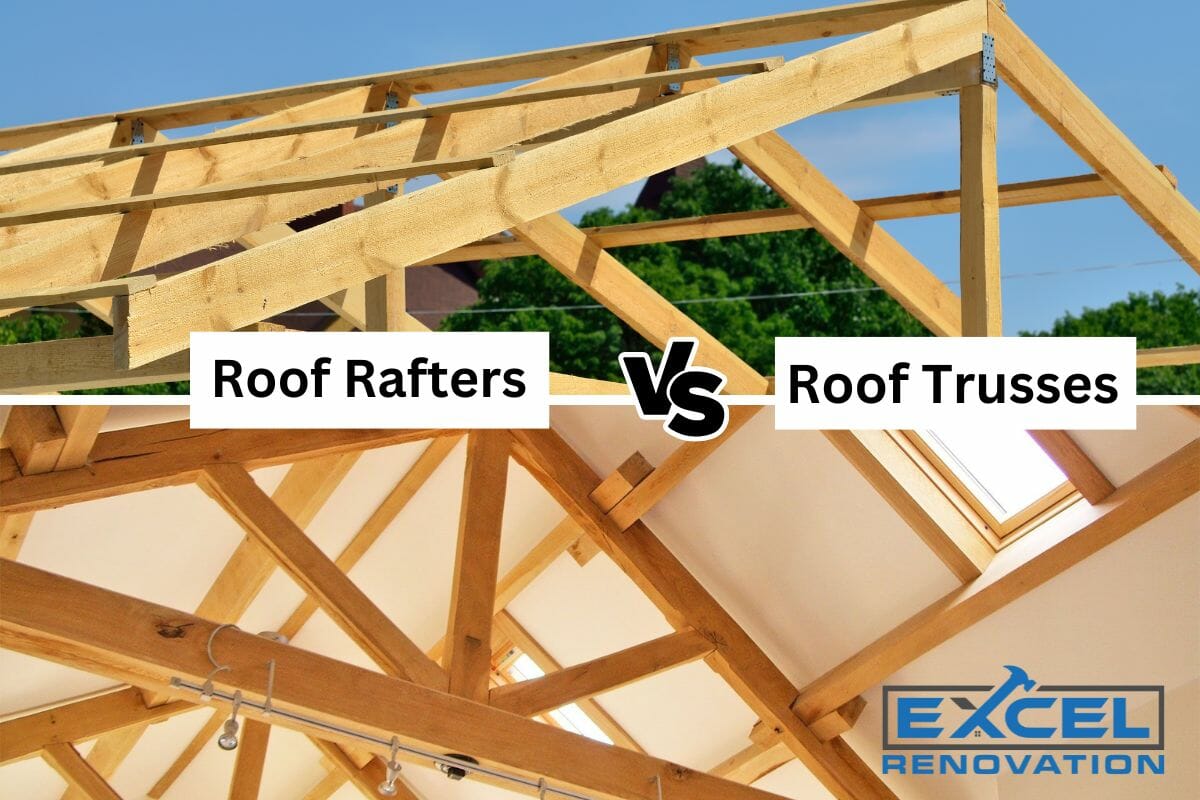
Rafters are long, angled wooden or metal beams. They support the roof deck and roofing materials. Each rafter is spaced evenly to carry the roof’s weight. Rafters connect the top ridge to the walls below. They create the roof’s slope and shape.
Common Materials
Wood is the most common rafter material. Pine and fir are popular choices for strength and availability. Metal rafters are used in some modern buildings. They resist pests and fire better than wood. Wood rafters are easier to cut and install. Both materials can support typical roof loads well.
Installation Process
First, measure the roof span and slope. Cut rafters to the correct length and angle. Place the first rafter at the ridge and wall plate. Use temporary supports to hold rafters in place. Secure rafters with nails or metal connectors. Space rafters evenly for balanced support. Add collar ties or braces for extra strength. Finally, install the roof deck over the rafters.
Trusses Basics
Understanding trusses is key in choosing the right roof support. Trusses are common in modern construction. They offer strength and save time. Their design spreads weight evenly across the structure. This makes roofs safer and more stable.
Let’s explore the basics of trusses, including what they are, the materials used, and how they are made and delivered.
What Are Trusses
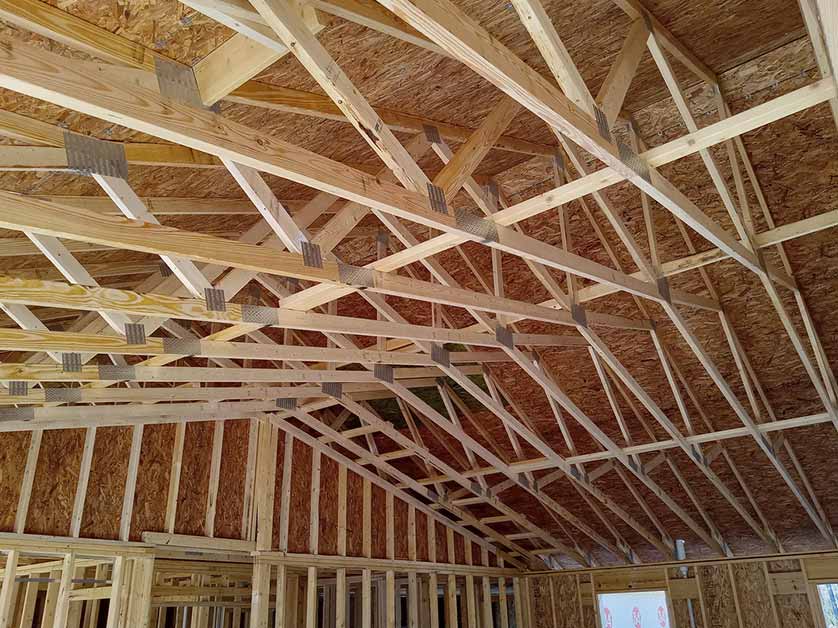
Trusses are pre-made frameworks of triangles. These triangles form strong shapes that hold up roofs. They replace traditional rafters and beams. Builders use trusses to cover large spaces without extra support. This keeps the roof lightweight and sturdy.
Materials Used
Wood is the most common material for trusses. It is easy to work with and strong. Steel trusses are used for heavy or wide roofs. Steel adds extra strength and lasts longer. Some trusses mix wood and metal parts. This balance helps with cost and durability.
Manufacturing And Delivery
Trusses are made in factories, not on-site. This method ensures accuracy and quality control. Each piece is cut and joined precisely. Factories use machines to speed up the process. Once made, trusses are transported to the building site. Delivery is planned to avoid damage. Builders then install trusses quickly and safely.
Strength And Durability
Strength and durability are key factors in choosing between rafters and trusses. Both support the roof, but their designs affect how well they hold up over time. Understanding these differences helps in picking the right option for your building needs.
Load-bearing Capacity
Trusses spread weight evenly across the structure. This design makes them strong and able to hold heavy loads without bending. Rafters carry weight directly to the walls, which can limit their capacity. For large roofs, trusses often handle weight better.
Resistance To Weather
Trusses often resist weather damage well because of their tight, connected design. Rafters have more open spaces that can let in moisture if not sealed properly. Proper treatment and maintenance are needed for rafters to withstand rain, wind, and snow.
Longevity Factors
Both rafters and trusses last long with good care. Trusses require less maintenance due to their stable design. Rafters need regular checks for cracks or rot. Wood quality and protection from pests affect how long either option lasts.
Design Flexibility
Design flexibility plays a key role in choosing between rafters and trusses. It affects how your roof looks and functions. Each option offers unique benefits for different building needs. Understanding these differences helps in making the right choice for your project.
Customization Options
Rafters allow more customization during construction. Builders can adjust sizes and angles on-site. This flexibility suits unique roof shapes and sizes. Trusses come pre-made and follow specific designs. They offer less room for last-minute changes.
Architectural Styles
Rafters support a wide range of architectural styles. They fit well with traditional and complex roof designs. Trusses work best with modern and simple styles. Their uniform shapes limit creative roof patterns. Rafters give more freedom to create a unique look.
Space Utilization
Rafters often take up more attic space. They allow for higher ceilings and open areas. Trusses use a web-like structure that can reduce usable space. Still, trusses can support large spans without extra support. Choosing rafters or trusses affects interior space layout.
Cost Comparison
Choosing between rafters and trusses often depends on cost. Understanding the cost differences helps make the best choice for your project. This section breaks down the costs into three main parts: material costs, labor expenses, and long-term savings.
Material Costs
Rafters usually require more wood than trusses. Each rafter is cut and shaped on site, which can increase waste. Trusses are made in factories with precise cuts, reducing material waste. This process often makes trusses cheaper for materials.
Labor Expenses
Installing rafters takes more time and skill. Carpenters must measure and cut each piece on site. Trusses come pre-built and can be installed faster. Faster installation lowers labor costs and reduces the chance of mistakes.
Long-term Savings
Trusses provide better structural support and use wood efficiently. This can mean fewer repairs in the future. Rafters might need more maintenance over time. Energy efficiency can also improve with trusses, saving money on heating and cooling.
Credit: champion-exteriors.com
Installation Time
Installation time plays a big role in choosing between rafters and trusses. It affects how fast the roof takes shape and how soon the project finishes. Understanding the setup speed helps plan better and saves money.
Rafters Setup Duration
Rafters take more time to install. Each piece must be measured and cut on site. Workers align and secure rafters one by one. This process can slow down the build. Weather and skill level also affect the speed.
Trusses Assembly Speed
Trusses arrive pre-made from the factory. This cuts down on cutting and measuring time. Installation is quicker since trusses are lifted into place as whole units. Fewer workers can finish the roof faster. This method suits tight schedules well.
Impact On Project Timeline
Faster installation means the project moves ahead quicker. Trusses speed up the roof framing phase. Rafters might extend the timeline due to detailed work. Choose trusses for quicker completion and less on-site labor. Rafters suit projects where custom fits matter more.
Maintenance Needs
Understanding the maintenance needs of rafters and trusses helps keep your roof strong. Both have different care requirements. Knowing these can save money and avoid damage.
Inspection Frequency
Rafters need regular checks for cracks and rot. They can suffer from weather damage faster. Trusses are usually inspected less often. Their design spreads weight evenly. Still, look for signs of wear twice a year.
Repair Challenges
Fixing rafters can be tricky. Each rafter is a separate piece. This makes repairs slower and costlier. Trusses are built in sections. Repair may require replacing a whole part. This can be faster but expensive.
Preventive Measures
Keep rafters dry to prevent wood rot. Use sealants and paint to protect them. For trusses, check metal connectors for rust. Clear debris from roof valleys. Both need good attic ventilation. This stops moisture buildup and prolongs life.
Credit: excel-reno.com
Environmental Impact
Choosing between rafters and trusses affects the environment in many ways. Builders and homeowners often consider the environmental impact of their roofing choice. This section explores how rafters and trusses compare in sustainability, energy use, and waste production.
Sustainability Of Materials
Rafters usually use solid wood, often from older trees. This means more cutting of large trees, which can hurt forests. Trusses use smaller wood pieces, often from faster-growing trees. This makes trusses a greener choice because they use wood more efficiently. Some trusses also use engineered wood, which reduces waste further.
Energy Efficiency
Trusses create strong, uniform shapes that fit well with insulation. This can help keep homes warmer in winter and cooler in summer. Rafters may leave gaps that let heat escape. Trusses often support better roof designs that reduce energy use. Lower energy use means less pollution from heating and cooling.
Waste Generation
Rafter construction tends to produce more wood scraps and offcuts. These pieces often go to landfill or need special disposal. Trusses are made in factories with exact measurements. This reduces waste during building. Less waste means less harm to the environment and lower cleanup costs.
Choosing The Right Option
Choosing between rafters and trusses is an important step in building. Both have strengths and suit different needs. Understanding your project will help make the right choice. Consider what fits best for your home or structure.
Think about space, design, and how long the structure will last. These points guide you to pick the right method. Clear choices save money and time during construction.
Project Requirements
Assess the size and shape of your roof. Rafters work well for simple, small roofs. Trusses support larger spans and complex designs. Think about attic space. Rafters allow more room for storage or rooms. Trusses often use all space under the roof for support.
Budget Considerations
Rafters usually cost more in labor because they take longer to build. Trusses are made in factories and can be cheaper to install. Material costs vary. Trusses often use less wood due to their design. Factor in long-term costs like maintenance and repairs.
Expert Recommendations
Consult a builder or architect early in your planning. Experts know local building codes and best materials. They can suggest what fits your climate and soil. Their advice reduces risks and unexpected expenses. Trust their experience to guide your choice wisely.
Credit: www.johnstonroofing.com
Frequently Asked Questions
What Are The Main Differences Between Rafters And Trusses?
Rafters are individual sloped beams supporting a roof’s weight. Trusses are pre-made triangular frames that hold the roof. Trusses are quicker to install and use less wood.
Which Is Stronger: Rafters Or Trusses?
Trusses are generally stronger because of their triangular design. They spread weight evenly across the roof structure. Rafters can be strong but need more wood and support.
Are Rafters Or Trusses More Cost-effective?
Trusses often cost less due to faster installation and less material waste. Rafters may be more expensive because they take longer to build. Labor costs for rafters tend to be higher.
Can Rafters And Trusses Be Mixed In One Roof?
Mixing rafters and trusses is possible but not common. It requires careful design to ensure stability and load balance. Most builders choose one system for the entire roof.
Which Roof Type Offers Better Attic Space: Rafters Or Trusses?
Rafters usually provide more attic space because they don’t use webbing inside. Trusses have built-in supports that reduce usable attic room. Rafters allow easier customization for storage or rooms.
How Do Rafters And Trusses Affect Roofing Design Options?
Rafters offer more flexibility for unique roof shapes and angles. Trusses are limited to pre-designed shapes but are faster to build. Complex roofs might need rafters for full design freedom.
Conclusion
Choosing between rafters and trusses depends on your project needs. Rafters offer more flexibility but take longer to build. Trusses save time and cost with factory-made parts. Both provide strong roof support in different ways. Think about budget, design, and construction speed.
Talk with a builder to pick the best option. A good roof starts with the right choice. Simple and smart decisions lead to lasting results.