
Are you thinking about adding a cozy outdoor spot to your home but can’t decide between a pergola and a gazebo? Choosing the right structure can change how you enjoy your backyard, whether it’s for relaxing, entertaining, or simply soaking up the sun.
Both pergolas and gazebos offer unique benefits, but which one fits your style and needs best? Keep reading to discover the key differences that will help you make the perfect choice for your outdoor space. Your ideal backyard oasis is just a few steps away!
Pergola Features
Pergolas offer a blend of style and function to outdoor spaces. Their features make them a popular choice for gardens and patios. Understanding these features helps in choosing the right outdoor structure.
Design And Structure
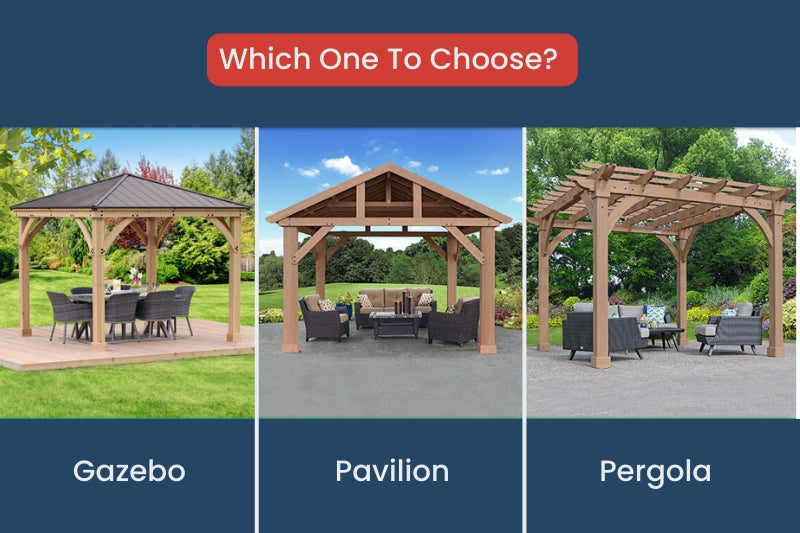
Pergolas have an open roof made of cross beams and rafters. They usually stand on four or more posts. The design allows sunlight and air to flow freely. This creates a shaded, yet breezy area. Pergolas often have climbing plants growing on them for extra shade.
Materials Used
Wood is the most common material for pergolas. Cedar and redwood resist rot and insects well. Metal pergolas use aluminum or steel for durability. Vinyl is another option, needing less maintenance. Each material has its own look and lifespan.
Common Uses
Pergolas provide shade for outdoor seating and dining areas. They create a cozy spot for relaxation or gatherings. Gardeners use pergolas to support vines and flowers. Some use them as walkways or entrance features. Pergolas add charm and comfort to any yard.

Credit: www.backyarddiscovery.com
Gazebo Features
A gazebo is a popular outdoor structure that offers shade and shelter. It creates a cozy spot for relaxation or social gatherings. Gazebos come in various styles and sizes. They add charm and function to any garden or backyard.
Understanding the features of a gazebo helps in choosing the right one for your space. Below are key aspects to consider.
Design And Structure
Gazebos usually have a solid roof and open sides. The roof is often pointed or dome-shaped. This design protects from sun and rain. Some gazebos have railings or screens around the sides. They provide extra safety and keep bugs away.
The structure is freestanding and stable. It often includes posts or columns to hold the roof. This design makes gazebos easy to place anywhere in a yard.
Materials Used
Common materials for gazebos include wood, metal, and vinyl. Wood gives a natural, classic look but needs regular care. Metal, like aluminum or steel, is strong and low-maintenance. Vinyl is lightweight and resistant to weather damage.
Roof materials vary from shingles to metal sheets. These choices affect durability and appearance. Selecting the right material depends on climate and personal taste.
Common Uses
People use gazebos for dining, relaxing, or parties. They create a sheltered spot for outdoor meals. Gazebos also serve as a quiet place for reading or meditation.
Many choose gazebos for weddings or special events. Their elegant look adds beauty to celebrations. Gazebos can also be a focal point in garden design.
Comparing Durability
Durability is a key factor when choosing between a pergola and a gazebo. Both structures offer outdoor shelter, but their strength varies. Understanding their durability helps you pick the best fit for your space and climate.
Weather Resistance
Pergolas usually have open roofs made of beams. This design allows sunlight and rain through. They may not protect well in heavy rain or snow. Materials like metal or treated wood improve their resistance.
Gazebos come with solid roofs that shield from rain and sun. This makes gazebos better for harsh weather. They often use strong materials like metal, vinyl, or treated wood. Gazebos stand up well against wind and storms.
Maintenance Needs
Pergolas need regular care to last longer. Wood pergolas require sealing or painting to prevent rot. Metal pergolas need rust protection. Cleaning debris from beams is also important.
Gazebos usually need less upkeep because of their solid roof. Vinyl gazebos require minimal maintenance. Wooden gazebos still need sealing but less often than pergolas. Checking for leaks and cleaning gutters keeps gazebos durable.
Aesthetic Appeal
Pergolas and gazebos both add charm to outdoor spaces. Their aesthetic appeal can change the look of your garden or patio. Each offers unique design features that catch the eye. Understanding these differences helps you pick the best option for your style.
Style Options
Pergolas have open, slatted roofs that create a light, airy feel. They often come in simple, modern designs or classic wooden styles. Gazebos usually have solid roofs and enclosed sides. They offer a more formal, traditional look. Both can complement different garden themes. Your choice depends on whether you want openness or shelter.
Customization Possibilities
Pergolas allow easy additions like climbing plants or fabric covers. These add color and texture to the space. You can paint or stain pergolas in many colors. Gazebos can be customized with screens, windows, or lighting. This makes them usable in different weather conditions. Both structures can match your home’s architecture with the right tweaks.
Functionality And Space
Pergolas and gazebos both improve outdoor spaces. They offer different functions and fit in various areas. Understanding their space and functionality helps pick the right one for your needs.
Shade And Shelter
A pergola mainly provides partial shade. Its open slats let sunlight and air pass through. It is perfect for mild sun protection and airflow. A gazebo gives full shelter with solid roofs. It protects from rain and strong sun. Gazebos create a cozy space for outdoor activities.
Size And Placement
Pergolas are often larger and can cover patios or decks. They add structure without blocking views. Pergolas suit long, narrow spaces well. Gazebos are usually smaller and freestanding. They fit well in gardens or open yards. Gazebos need more ground space and stable placement.

Credit: www.homedit.com
Cost Considerations
Cost plays a big role when choosing between a pergola and a gazebo. Both options vary in price depending on size, materials, and design. Understanding the costs can help you make the best choice for your budget.
Initial Investment
Pergolas usually cost less to build than gazebos. They have an open design with fewer materials. Wood pergolas can be affordable but may need more care over time. Metal and vinyl options cost more but last longer.
Gazebos require more materials and labor. They often have roofs and walls, making them pricier upfront. The style and size affect the total cost. Custom designs increase the price further.
Long-term Expenses
Maintenance affects the overall cost. Pergolas need regular cleaning and sealing, especially wood types. Repairs are usually simple and cheap.
Gazebos need more upkeep due to their enclosed structure. Roof repairs and painting add to expenses. Weather damage can increase costs more than for pergolas.
Installation Process
The installation process of a pergola and a gazebo differs in complexity and effort. Both structures need a solid foundation and proper assembly. Understanding the installation steps helps in making the right choice for your outdoor space.
Installing a pergola often requires setting posts into the ground and assembling a roof frame. A gazebo usually comes with a full roof and walls, needing careful alignment and fastening. Each structure’s design affects the installation method.
Diy Vs Professional Help
Installing a pergola can be a good DIY project for people with basic tools. It involves measuring, digging post holes, and securing beams. A gazebo installation is more complex and may require professional skills. The roof and wall panels need precise fitting to ensure stability.
Professionals bring experience and proper equipment. They can complete the project faster and ensure safety. DIY can save money but may take longer and lead to mistakes. Consider your skills and time before choosing.
Time Required
A pergola usually takes one or two days to install for someone with experience. Digging post holes and assembling the frame take most of the time. Painting or staining may add extra hours.
A gazebo installation can take from two days to a week. The roof and walls need careful assembly and anchoring. Weather and site conditions can also affect the time needed.
Choosing Based On Climate
Choosing between a pergola and a gazebo depends a lot on the climate where you live. Both offer outdoor shade and style but work better in different weather conditions. Understanding how each structure handles sun, rain, and wind helps you pick the right one for your space.
Hot And Sunny Areas
Pergolas are great for hot, sunny places. They have open roofs with beams that let some sunlight through. This design creates shade but also allows air to flow freely. It keeps the area cooler without blocking all the light.
Adding climbing plants to a pergola can increase shade and lower temperatures. It makes the space feel cooler and more comfortable. Pergolas also provide a stylish look that fits well in sunny gardens.
Gazebos offer full roof coverage, blocking all direct sunlight. This can be useful but may trap heat underneath if not well-ventilated. In hot climates, a gazebo with open sides and good airflow works best to stay cool.
Rainy And Windy Regions
Gazebos are ideal for places with rain and wind. Their solid roofs protect you from rain and keep furniture dry. The sturdy frame also offers better shelter against strong winds.
Pergolas have open roofs, so they do not protect well from rain. Water passes through easily, which may limit outdoor use during wet weather. They are less suitable for very rainy or windy areas.
Gazebos provide a cozy, protected space. Enclosed or screened gazebos add even more comfort by blocking bugs and wind. This makes them a practical choice for harsh weather conditions.
Enhancing Outdoor Experience
Creating a great outdoor space adds comfort and style to your home. Both pergolas and gazebos improve your outdoor experience. They offer shade, shelter, and a place to relax. Choosing the right one depends on how you want to use your space. Lighting, furniture, and decorations all play a role in enhancing your outdoor area.
Lighting Options
Lighting sets the mood outside. Pergolas often support string lights or hanging lanterns. They create a soft and warm glow. Gazebos usually have built-in lighting or ceiling fans with lights. You can use solar lights around both structures. Good lighting makes the space usable at night and adds charm.
Furniture Compatibility
Pergolas suit casual furniture like sofas and lounge chairs. Their open design fits many styles. Gazebos work well with dining sets or heavier furniture. They provide full shade and protection from rain. Choose furniture based on your needs and space size. Comfort and style matter most.
Decor Ideas
Decorating a pergola can include climbing plants and curtains. These add privacy and color. Gazebos offer more walls to hang decorations or lights. You can add rugs or cushions for a cozy feel. Personal touches make your outdoor space inviting and unique.
Credit: hansohome.com
Frequently Asked Questions
What Is The Main Difference Between A Pergola And A Gazebo?
A pergola has an open roof with beams, while a gazebo has a solid, often dome-shaped roof. Pergolas offer partial shade, gazebos provide full shelter.
Which Structure Offers Better Protection From Rain?
Gazebos protect better from rain due to their solid roofs. Pergolas only provide shade and do not block rain.
Can Pergolas And Gazebos Be Used For Outdoor Dining?
Yes, both can be great for outdoor dining spaces. Gazebos offer more shelter, while pergolas create a light, airy atmosphere.
Which Is Easier To Customize, A Pergola Or Gazebo?
Pergolas are easier to customize with climbing plants and lights. Gazebos often require more complex construction for changes.
Are Pergolas Or Gazebos Better For Small Backyards?
Pergolas suit small backyards well because they take up less space. Gazebos need more room due to their full roof and walls.
How Do Maintenance Needs Differ Between Pergolas And Gazebos?
Pergolas need less maintenance but may require treatment for wood or metal. Gazebos need regular roof and wall care to stay durable.
Conclusion
Choosing between a pergola and a gazebo depends on your needs. Pergolas offer open, airy spaces with partial shade. Gazebos provide full shelter and protect from rain. Both add beauty and value to any garden or yard. Think about how you want to use the space.
Consider the weather and style you prefer. Either structure can create a cozy outdoor spot. Your choice will enhance your home’s outdoor living area. Enjoy your time outside, no matter what you pick.