
Are you staring at a scratch or hole in your wood and wondering which product will fix it best? Choosing between wood putty, wood filler, and spackle can be confusing.
Each one has a different purpose and works differently depending on your project. Knowing which to use can save you time, money, and frustration. You’ll discover the key differences and when to use each. By the end, you’ll feel confident picking the perfect solution for your wood repair needs.
Keep reading to get it right the first time!
Types Of Wood Repairs
Wood repairs vary by the type and size of damage. Small holes, deep cracks, and surface dents need different methods. Choosing the right repair type helps restore wood’s strength and look.
Understanding the types of wood repairs makes fixing easier. It saves time and gives better results. Let’s explore common repair materials and how to pick the best one.
Common Repair Materials
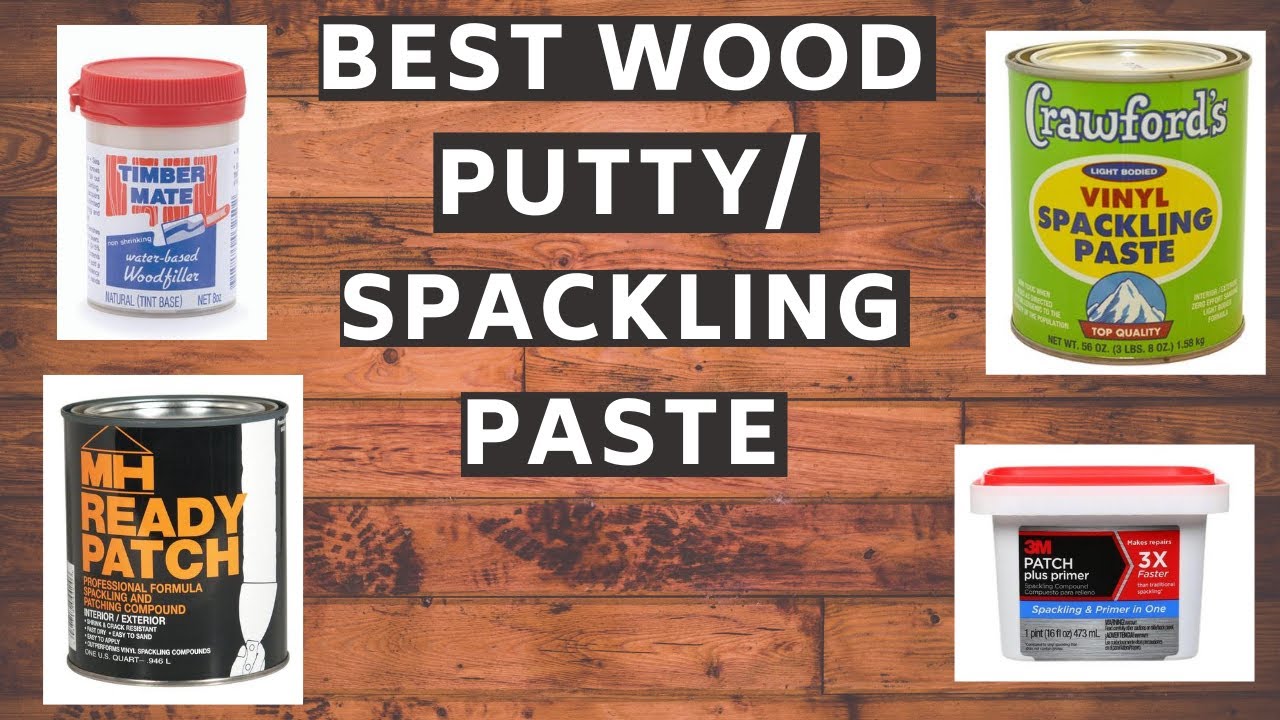
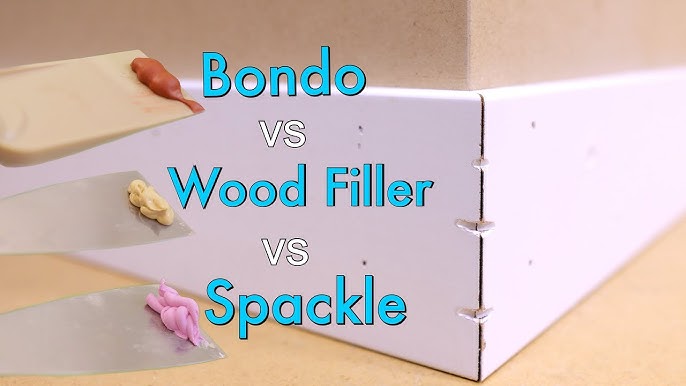
Wood putty fills small holes and minor surface flaws. It stays flexible and works well for finished wood. Wood filler is thicker and stronger, ideal for deep cracks and larger holes. It hardens to a solid form for sanding and painting. Spackle is mainly for walls but can fix small wood dents. It dries fast but is less durable on wood surfaces.
Choosing The Right Product
Match the repair material to the damage size and type. Use wood putty for small fixes on finished wood. Choose wood filler for bigger holes or cracks. Spackle suits tiny dents or quick fixes. Consider drying time and whether sanding is needed. The right choice ensures a smooth, lasting repair.
Credit: www.youtube.com
Wood Putty Features
Wood putty is a common product for fixing small holes and cracks in wood. It has special features that make it different from wood filler and spackle. Understanding these features helps choose the right product for your project.
Composition And Texture
Wood putty is made from a mix of wood particles and a flexible binder. This gives it a soft and smooth texture. It stays slightly soft after drying, allowing for some movement with the wood. This flexibility helps prevent cracks later.
Best Uses
Wood putty works best for small holes and minor surface cracks. It is ideal for finished wood surfaces like furniture and trim. It can be applied after painting or staining because it does not harden fully. It fills gaps without shrinking much.
Drying And Sanding
Wood putty dries slower than wood filler. It does not harden completely, so sanding is gentle and easy. You can shape and smooth it without much effort. Drying time varies based on temperature and thickness of the layer.
Wood Filler Features
Wood filler is a popular choice for fixing holes and cracks in wood surfaces. It has unique features that make it different from wood putty and spackle. Understanding these features helps you pick the right product for your project.
This section explains the key aspects of wood filler. Learn about its material properties, best uses, and how durable it is. This knowledge helps you get the best results for your wood repairs.
Material Properties
Wood filler is made from a mixture of wood fibers and binding agents. It usually comes in a paste form that hardens after drying. This material is designed to blend well with wood grain. It can be sanded, stained, or painted once dry.
Most wood fillers are water-based or solvent-based. Water-based fillers dry faster and have low odor. Solvent-based fillers tend to be stronger and more resistant to moisture.
Ideal Applications
Wood filler works best on small to medium-sized holes and cracks. It fills gaps caused by nails, screws, or wood damage. Use it on furniture, doors, and trim to restore smooth surfaces.
Wood filler is not flexible. Avoid using it on areas that bend or move often. For deep holes, apply filler in layers and let each dry before adding more.
Durability And Finish
Once dry, wood filler forms a hard and durable surface. It resists shrinking and cracking over time. This makes it suitable for both indoor and outdoor repairs.
The finish of wood filler matches the wood well. You can sand it smooth and stain or paint over it. This helps the repair blend in with the rest of the wood surface.
Credit: www.youtube.com
Spackle Characteristics
Spackle is a popular material for fixing small holes and cracks on walls. It is lightweight and easy to apply. Spackle dries quickly, making it a favorite for fast repairs. Understanding its traits helps choose the right product for your project.
Typical Ingredients
Spackle mainly contains gypsum powder mixed with binders. These binders help it stick to surfaces. Some types include vinyl or acrylic to improve flexibility. Water activates the powder to create a smooth paste. This simple mix makes spackle easy to sand and paint over.
Where It Works Best
Spackle works best on small holes, nail marks, and cracks in drywall. It is ideal for interior walls and ceilings. Use it on smooth surfaces only. It is perfect for quick fixes before painting. Spackle is not made for outdoor use or large gaps.
Limitations
Spackle is not strong enough for heavy repairs. It can crack or crumble in large holes. It is not suitable for wood or metal surfaces. Avoid using spackle in areas with moisture or high wear. For bigger jobs, wood filler or putty is better.
Comparing Performance
Comparing the performance of wood putty, wood filler, and spackle helps you pick the right product. Each product works differently on wood surfaces. Knowing their strengths and limits saves time and effort. Let’s explore how they perform in key areas.
Adhesion And Flexibility
Wood filler sticks well to wood surfaces and stays firm. It works best for deep holes and large repairs. Wood putty is softer and more flexible. It suits minor surface fixes and small cracks. Spackle is made for walls, not wood. It does not bond well to wood and may fall off.
Shrinkage And Cracking
Wood filler can shrink as it dries, causing cracks in large fills. It needs careful application in thick layers. Wood putty shrinks less and stays pliable for longer. It resists cracking in small repairs. Spackle dries hard and can crack on wood due to movement. It is best for drywall, not wood.
Paint And Stain Compatibility
Wood filler accepts paint and stains well. It blends with wood color after sanding. Wood putty usually does not take stain evenly. It works better with paint on top. Spackle can be painted but will not stain like wood. It is best for painting over repairs on drywall.
Application Tips
Applying wood putty, wood filler, or spackle correctly ensures strong repairs and a smooth finish. Each product has unique properties and best uses. Follow these tips to get the best results for your project.
Surface Preparation
Clean the area thoroughly before applying any filler. Remove dust, dirt, and loose wood particles. Sand rough edges to create a smooth surface. Dry the surface completely to help the filler stick well. For wood putty, make sure the wood is slightly damp for better adhesion.
Applying Techniques
Use a putty knife or scraper for even application. Press the filler firmly into cracks or holes. Apply in thin layers to avoid shrinking or cracking. Smooth the surface with the knife for a neat finish. For deep holes, fill in layers and let each dry before adding more.
Drying Times
Drying time varies by product and thickness. Wood putty dries slower and stays flexible, usually hours to days. Wood filler dries faster, often within 30 minutes to an hour. Spackle dries quickest, sometimes in 15 to 30 minutes. Always follow the manufacturer’s drying time for best results.
Cost And Availability
Cost and availability play a big role when choosing between wood putty, wood filler, and spackle. Each product suits different needs and budgets. Knowing their price ranges and where to buy helps pick the right one for your project.
Price Ranges
Wood putty usually costs more than wood filler or spackle. It is often sold in small tubs or tubes. Prices range from $5 to $15 per container, depending on size and brand.
Wood filler is generally affordable. It comes in tubs or sticks and costs between $3 and $10. It covers larger holes and cracks well.
Spackle is the cheapest option. It is sold in small tubs or tubes and costs around $2 to $8. It works best for small wall repairs.
Where To Buy
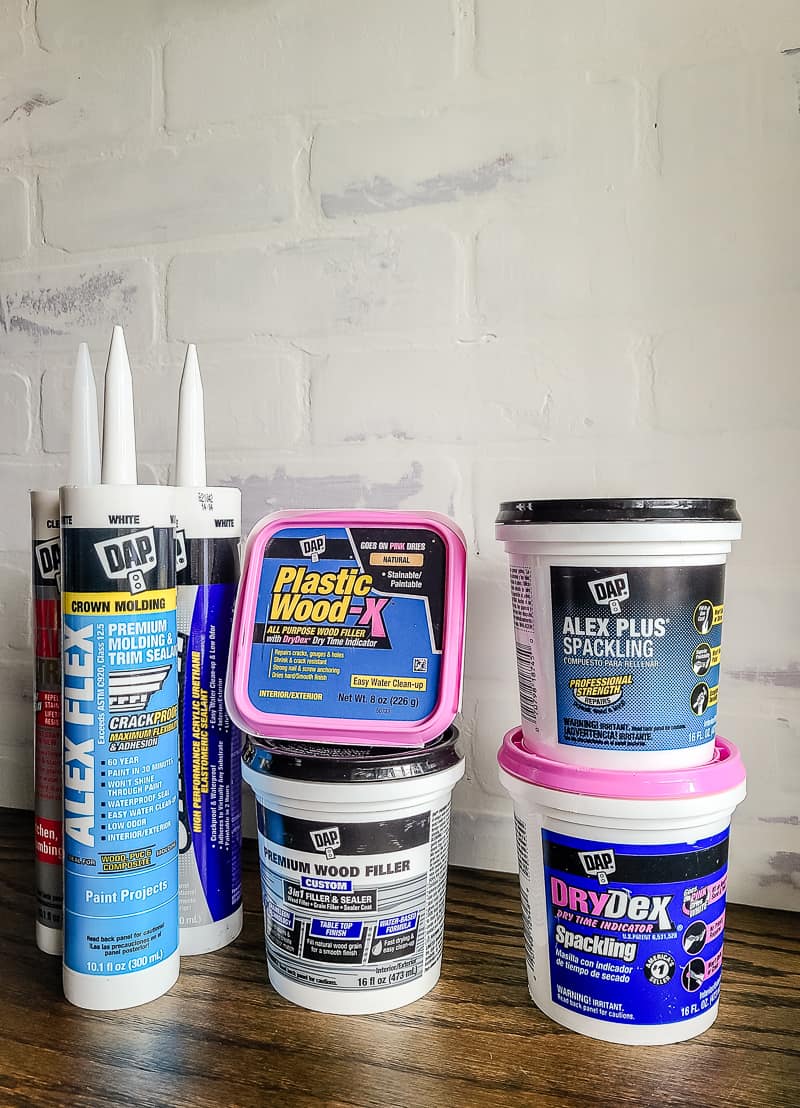
Wood putty and wood filler are available at hardware stores and home improvement centers. Most big chains and local stores carry them.
Spackle is easy to find in paint sections of hardware stores. It is also available at general stores and online shops.
Online retailers offer a wide variety of all three products. They often provide customer reviews and detailed descriptions.
Credit: www.makingmanzanita.com
Choosing The Best Repair Material
Choosing the best repair material is important for a smooth, lasting fix. Wood putty, wood filler, and spackle serve different purposes. Each works best for certain types of repairs. Picking the right one saves time and gives better results. Understanding how each material behaves helps you decide.
Project Type Considerations
Wood putty suits small holes and surface cracks on finished wood. It stays soft and flexible. Wood filler works well for larger holes or deep gouges in bare wood. It hardens and can be sanded smooth. Spackle is ideal for walls and drywall repairs. It dries fast but is not strong for wood. Choose based on surface and size of damage.
Long-term Results
Wood filler offers strong, durable repairs that last years. It holds paint and stain well. Wood putty may shrink or crack over time. Best for minor touch-ups only. Spackle can crumble or peel if used on wood. It suits indoor wall repairs only. Think about how long you want the repair to last.
Frequently Asked Questions
What Is The Main Difference Between Wood Putty And Wood Filler?
Wood putty stays soft and flexible after drying, while wood filler hardens and sands well. Wood filler is better for deep holes; putty suits small cracks and nail holes.
Can Spackle Be Used Instead Of Wood Filler?
Spackle is meant for walls and drywall, not wood. It may crack or fall out on wood surfaces over time.
Which Product Is Best For Outdoor Wood Repairs?
Wood filler with waterproof properties works best outdoors. It resists moisture and holds up better in changing weather.
How Long Does Wood Putty Take To Dry?
Wood putty usually dries in a few hours but may stay slightly soft. Drying time depends on brand and thickness applied.
Can Wood Filler Be Painted Or Stained Easily?
Yes, wood filler can be sanded smooth and painted or stained. Choose a filler that matches your wood’s color for best results.
Is Spackle Suitable For Fixing Wood Furniture Dents?
Spackle is not ideal for wood furniture dents since it can crack. Wood filler or putty is a better choice for furniture repairs.
Conclusion
Choosing between wood putty, wood filler, and spackle depends on your project needs. Wood putty works best for small holes and scratches on finished wood. Wood filler suits larger holes and can be sanded or painted. Spackle is ideal for repairing drywall, not wood.
Each product has a clear role to play. Knowing their uses helps you fix surfaces correctly. This saves time and gives better results. Pick the right material to make your repairs last longer. Simple tools and the right product make a big difference.