
Are you worried about tiny bugs that could be hiding in your home or yard? Bed bugs and ticks might seem similar because they both bite and cause itching, but they are very different creatures.
Knowing how to spot the difference can protect you and your family from bites, infections, and sleepless nights. You’ll discover the key facts about bed bugs vs ticks—how to identify them, where they live, and what you can do to keep them away.
Keep reading to make sure you know exactly what’s biting you and how to stop it fast.
.2406270155077.webp)
Credit: www.nativepestmanagement.com
Physical Features
Bed bugs and ticks are small pests that cause many problems. Knowing their physical features helps identify and control them. Both bugs look different and have unique body parts.
Size And Shape
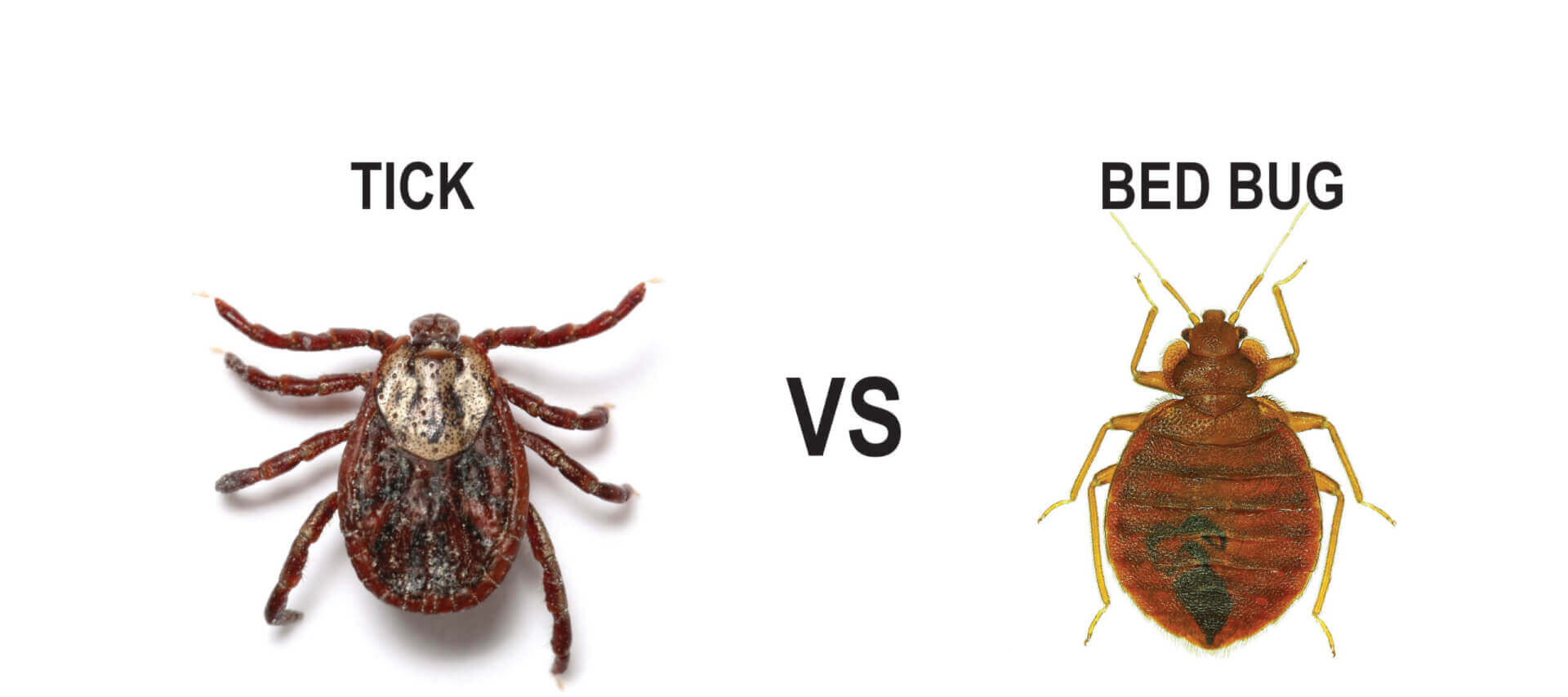
Bed bugs are flat and oval. They grow about 5 to 7 mm long. Their flat shape helps them hide in tight spaces.
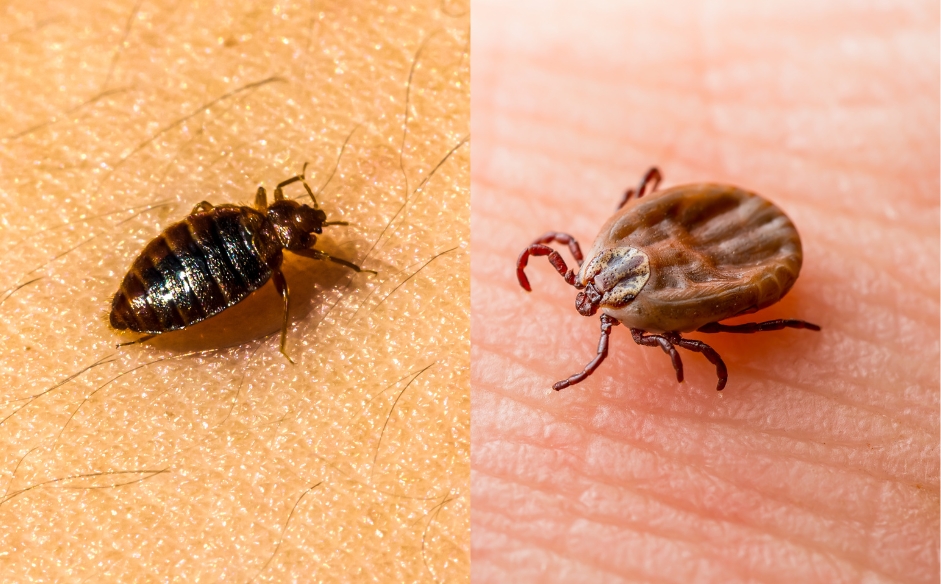
Ticks are rounder and can swell up when full of blood. They range from 3 to 5 mm but get bigger after feeding.
Color Variations
Bed bugs are reddish-brown. Their color darkens after feeding on blood. This change helps spot recent bites.
Ticks vary from brown to gray or black. Some have patterns on their backs. Color depends on the tick type.
Body Structure
Bed bugs have six legs and short antennae. Their bodies are segmented but smooth. They lack wings and cannot fly.
Ticks have eight legs and no antennae. Their bodies are tough and leathery. They attach firmly to skin to feed.
Credit: www.westernpest.com
Behavior Patterns
Behavior patterns of bed bugs and ticks differ in many ways. Knowing these differences helps in identifying and controlling them. Each has unique habits that affect how they feed, move, and hide.
Feeding Habits
Bed bugs feed on human blood. They bite exposed skin at night. Their bites are painless at first but can cause itching later. Bed bugs need to feed every few days to survive.
Ticks also feed on blood but from animals and humans. They latch onto the skin and stay attached for hours or days. Ticks can transmit diseases during feeding. They feed less often but for longer periods than bed bugs.
Activity Times
Bed bugs are mostly active at night. They come out to feed when people sleep. During the day, they hide in cracks and mattresses. This makes them hard to spot.
Ticks are active during the day. They wait on grass or bushes for a host to pass by. Ticks climb onto the host quickly. They do not hide indoors like bed bugs.
Movement And Hiding
Bed bugs move slowly and crawl. They stay close to their food source. They hide in mattress seams, furniture, and cracks. Bed bugs rarely move far from humans.
Ticks can crawl and climb plants easily. They drop from leaves onto hosts. Ticks hide in tall grass and shrubs. They do not live inside homes like bed bugs.
Habitats And Locations
Bed bugs and ticks are tiny pests that live in very different places. Knowing where they hide helps you avoid them. Their habitats and preferred locations affect how they spread and where you might find them.
Common Living Areas
Bed bugs mostly live inside homes. They hide in mattresses, bed frames, and furniture. Dark cracks and crevices offer perfect hiding spots. Ticks live outdoors. They stay in tall grass, bushes, and wooded areas. Ticks wait on leaves or plants to catch a passing host.
Preferred Hosts
Bed bugs feed on humans. They come out at night to bite skin. Ticks feed on animals and humans. They attach to skin and suck blood. Deer, rodents, and birds are common tick hosts. Bed bugs prefer places where people sleep or rest.
Environmental Conditions
Bed bugs thrive in warm, indoor environments. They avoid cold or very dry places. Ticks like humid, shady spots outdoors. They need moisture to survive. Hot, dry weather can reduce tick activity. Both pests avoid extreme conditions but find shelter to live and feed.
Health Risks
Bed bugs and ticks both bite humans and cause health problems. Their bites can lead to skin issues and sometimes spread diseases. Knowing the risks helps protect your health better.
Diseases Transmitted
Ticks are known to spread serious diseases. Lyme disease is the most common illness from ticks. Other infections include Rocky Mountain spotted fever and ehrlichiosis. Bed bugs do not spread diseases to humans. Their bites mainly cause itching and discomfort.
Bite Reactions
Bed bug bites often cause red, itchy bumps. These bites usually appear in lines or clusters. Ticks attach firmly and may go unnoticed for days. Tick bites can cause redness and swelling. Some people have allergic reactions to both bites.
Long-term Effects
Tick bites can lead to long-term health issues if infections are untreated. Lyme disease may cause joint pain and fatigue. Bed bug bites rarely cause lasting health problems. However, scratching bites can cause skin infections.
Detection And Signs
Detecting bed bugs and ticks early helps stop their spread. Both pests bite humans and cause discomfort. Knowing their signs makes control easier. Each pest leaves different marks and clues. Pay close attention to your body and home.
Bite Marks
Bed bug bites often appear in lines or clusters. They cause red, itchy bumps on the skin. The bites usually show up on arms, neck, or face. Ticks leave a single red spot. Sometimes a bullseye-shaped rash forms around the bite.
Physical Evidence
Bed bugs hide in mattress seams and furniture cracks. Look for small, rusty spots from their blood. Shed skins and tiny eggs may be nearby. Ticks attach firmly to skin. You might find a tick still stuck after a walk outdoors.
Sounds And Smells
Bed bugs make faint rustling sounds when disturbed. Some people notice a sweet, musty odor in infested rooms. Ticks do not produce noticeable sounds or smells. Detecting ticks relies mostly on checking skin after being outside.
Prevention Tips
Preventing bed bugs and ticks is essential to protect your health and home. Both pests cause discomfort and can spread diseases. Taking steps to avoid them helps maintain a clean and safe environment. Follow these simple prevention tips to keep your space pest-free.
Home Maintenance
Keep your home clean and clutter-free. Vacuum floors, carpets, and furniture often. Check mattresses, bed frames, and cracks for signs of bed bugs. Seal gaps and cracks in walls and windows. Use protective covers on mattresses and pillows. Regularly wash bedding in hot water. Dispose of infested items carefully to avoid spreading bugs.
Travel Precautions
Inspect hotel rooms before settling in. Look for bed bugs on mattresses and furniture. Keep luggage off the floor and bed. Use luggage racks or hard surfaces instead. After travel, unpack in a clean area. Wash clothes in hot water immediately. Vacuum suitcases and store them in sealed bags.
Pet Care
Check pets often for ticks, especially after outdoor walks. Use veterinarian-recommended tick preventatives. Groom pets regularly to spot any pests early. Keep pet bedding clean and dry. Avoid tall grass and bushy areas where ticks hide. Promptly remove any ticks found on pets to prevent infection.
Treatment Options
Treating bed bugs and ticks requires different approaches. Both pests cause discomfort and health risks. Effective treatment clears your home and protects your health. Knowing the right options helps you act fast and correctly.
Home Remedies
For bed bugs, washing bedding in hot water kills eggs and bugs. Vacuum furniture and floors to remove bugs and eggs. Use steam cleaners on mattresses and cracks. For ticks, check your skin after outdoor activities. Remove ticks carefully with tweezers. Clean the bite area with soap and water.
Professional Extermination
Bed bugs often need professional help. Experts use strong sprays and heat treatments. These treatments reach hiding spots bed bugs use. Professional exterminators also inspect your home carefully. Ticks usually do not require home extermination. Focus on yard care and pest control outside.
Medical Care
Bed bug bites rarely need medical care. Use creams to reduce itching and swelling. See a doctor if you have an allergic reaction. Tick bites can cause serious illness. Watch for fever, rash, or flu symptoms. Seek medical help if symptoms develop. Doctors may prescribe antibiotics for tick-borne diseases.
Credit: www.ninjapestcontrol.sg
Frequently Asked Questions
What Are The Main Differences Between Bed Bugs And Ticks?
Bed bugs live in beds and bite at night. Ticks attach to skin and feed on blood for hours. Bed bugs are flat and reddish; ticks are round and can swell.
Where Do Bed Bugs And Ticks Usually Hide?
Bed bugs hide in mattress seams, furniture, and cracks. Ticks wait on grass, bushes, or animals before attaching to skin. Both prefer warm, dark places.
How Can Bed Bug Bites And Tick Bites Be Identified?
Bed bug bites often appear in lines or clusters and itch a lot. Tick bites may cause redness and sometimes a rash or swelling. Tick bites can carry diseases.
Can Bed Bugs And Ticks Spread Diseases?
Ticks are known to spread diseases like Lyme disease and Rocky Mountain spotted fever. Bed bugs do not spread diseases but their bites can cause itching and discomfort. Both can cause allergic reactions.
How To Prevent Bed Bug And Tick Infestations?
Keep beds clean and check for bugs regularly to prevent bed bugs. Wear long clothes and use insect repellent outdoors to avoid ticks. Vacuum and wash bedding often.
What Is The Best Way To Remove Ticks And Bed Bugs?
Use fine-tipped tweezers to pull ticks out close to the skin slowly. For bed bugs, clean infested areas and consider professional pest control. Avoid crushing bugs to prevent skin irritation.
Conclusion
Bed bugs and ticks both cause discomfort and health risks. Bed bugs hide in beds, while ticks live outdoors on animals. Both can bite and cause itching or rashes. Knowing their habits helps you avoid them better. Use proper cleaning and check your skin after outdoor activities.
Early action stops bigger problems. Stay informed and protect yourself from these pests. Simple steps make a big difference. Keep your home and body safe from bites every day.