
Imagine waking up to a freezing cold shower in your RV just because your water heater froze overnight. It’s frustrating, uncomfortable, and can even cause costly damage.
But you don’t have to deal with that. You can take simple, effective steps to keep your RV water heater from freezing, no matter how low the temperature drops. You’ll discover easy tips that protect your water heater, save you money, and ensure your trips stay warm and enjoyable.
Keep reading to learn how to prevent this common winter problem before it happens to you.
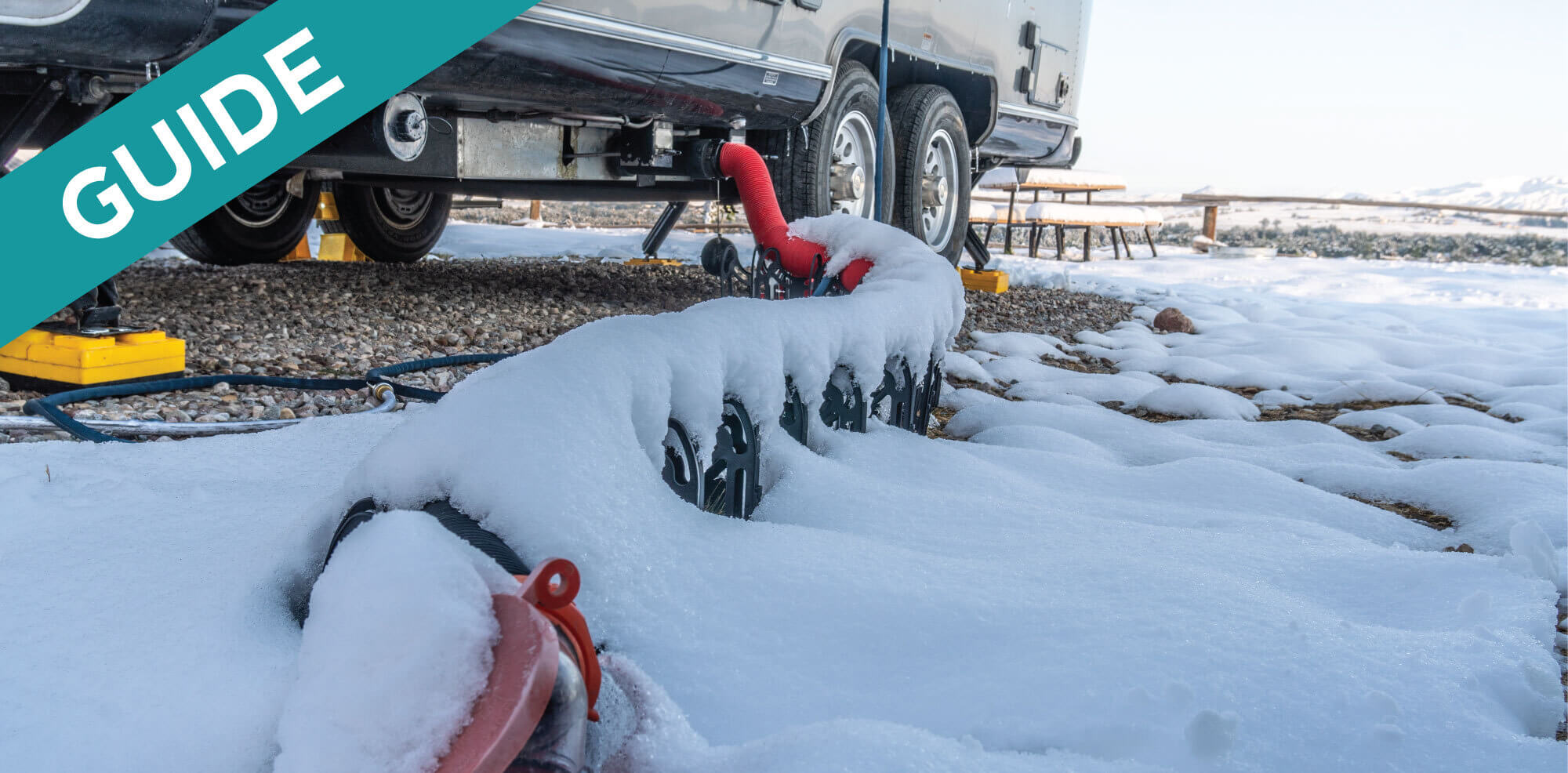
Credit: uniquecampingmarine.com
Winter Risks For Rv Water Heaters
Winter brings many challenges for RV owners. One major issue is the risk of the water heater freezing. Cold temperatures can cause serious damage to this important part of your RV. Protecting your water heater from freezing keeps your RV safe and comfortable all winter long.
Common Freezing Problems
Water left inside the heater can freeze and expand. This expansion cracks the tank or pipes. Broken pipes cause leaks that are hard to fix. Frozen parts stop the heater from working. Ice buildup can block water flow. These problems mean no hot water on cold days.
Impact On Rv Systems
A frozen water heater affects other systems too. Leaks can damage floors and walls. Electrical parts can short-circuit if wet. The plumbing system may lose pressure or burst. Repairing these damages costs time and money. Keeping the water heater warm protects the whole RV.

Credit: fogattiliving.com
Preparing Your Water Heater For Cold
Preparing your RV water heater for cold weather is important. It helps avoid damage caused by freezing. Taking simple steps can keep your water heater safe. This preparation saves money and stress during winter trips.
Drain And Flush Procedures
Start by draining the water heater tank. Open the drain valve and let all water flow out. This removes water that can freeze inside the tank.
Next, flush the tank with clean water. This clears out dirt and sediment. Sediment can cause blockages and damage the heater.
Use fresh water to rinse the tank well. Make sure no water stays inside. Dry the tank fully before closing the drain valve.
Insulation Techniques
Wrap the water heater with insulation blankets made for RVs. This helps keep heat inside the tank. Insulation reduces the risk of freezing.
Use foam pipe covers on all exposed pipes. Pipes are easy to freeze and crack. Covering them adds extra protection.
Seal any gaps around the heater area. Cold air can sneak in through cracks. Use weatherstripping or caulk to block drafts.
Using Antifreeze Safely
Using antifreeze safely in your RV water heater protects it from freezing damage. Antifreeze prevents water inside the heater from turning into ice. Ice can crack pipes and tanks, causing costly repairs. Follow simple steps to apply antifreeze the right way. Choose the right type of antifreeze for your RV. Use the correct amount to avoid waste or damage. Proper use keeps your water heater in good shape during cold weather.
Choosing Rv-safe Antifreeze
Select antifreeze made specifically for RV plumbing. Regular automotive antifreeze is toxic and unsafe for water systems. RV antifreeze is non-toxic and safe for drinking water lines. Pick a product labeled as “pink RV antifreeze” or “non-toxic.” Check the product’s freezing point to ensure it protects in your climate. Using the correct antifreeze avoids health risks and system damage.
Proper Application Steps
Drain all water from the heater and pipes before adding antifreeze. This prevents mixing and ensures full protection. Use a hand pump or antifreeze kit to push antifreeze into the system. Run hot water taps until you see pink antifreeze flowing out. Don’t forget to flush toilets and drains with antifreeze too. Avoid overfilling; follow the manufacturer’s instructions for amounts. Store unused antifreeze safely and dispose of old antifreeze properly.
Maintaining Heat In Your Rv
Keeping your RV warm is important during cold months. Heat helps stop water heaters from freezing. It also protects pipes and keeps your RV comfy. A few simple steps can keep heat steady inside your RV. This saves you trouble and costly repairs.
Optimal Thermostat Settings
Set your thermostat to at least 55 degrees Fahrenheit. This small heat level stops water from freezing. Keep the thermostat on even when you are away. Avoid turning it off overnight. Consistent warmth is key. Check your thermostat often to make sure it works well.
Heat Tape And Heating Pads
Heat tape wraps around water pipes to keep them warm. It uses electricity to give steady heat. Choose heat tape made for RV use. Follow all safety instructions when installing it. Heating pads can also keep water tanks warm. Place them under or around the tank. Use a thermostat-controlled pad for best results. These tools help stop freezing in cold weather.
Additional Protection Tips
Protecting your RV water heater from freezing is crucial during cold months. Basic steps help, but extra care offers better safety. These additional tips reduce risk and keep your water heater working well.
Sealing Drafts And Gaps
Cold air enters through drafts and gaps, making freezing more likely. Seal cracks around doors, windows, and vents. Use weatherstripping or foam tape for a tight seal. Check under the RV and near pipes. This stops cold air from reaching the water heater.
Regular System Checks
Inspect your water heater often in winter. Look for leaks, cracks, or signs of wear. Check the insulation around pipes and the heater itself. Test the heater to ensure it turns on and heats water properly. Early problem detection prevents freezing and costly repairs.
Credit: villageplumbing.com
Emergency Measures For Frozen Heaters
Frozen RV water heaters can cause big problems fast. Water inside the heater expands when frozen. This can crack pipes or damage the heater tank. Acting quickly helps limit damage and restore heat.
Emergency steps prevent more harm until you can fix the issue fully. These steps focus on safely thawing the heater and knowing when to get expert help.
Thawing Techniques
Start by turning off the water heater and power supply. Never use an open flame to thaw the heater. Use a hairdryer or heat lamp to warm frozen areas slowly. Move the heat source back and forth to avoid damage. Wrap towels soaked in warm water around pipes for gentle thawing. Check pipes often for leaks or cracks during thawing. Keep the RV well ventilated to avoid moisture buildup. Thawing may take several hours depending on the freeze severity.
When To Call A Professional
Call a professional if pipes burst or the heater leaks water. Do not try to repair cracked tanks on your own. A licensed technician can inspect and fix hidden damage. Seek help if you smell gas near the heater. Professionals have the right tools to safely restore your water heater. Early expert help can save costly repairs or replacements later. Always prioritize safety over quick fixes in emergencies.
Frequently Asked Questions
How Can I Prevent My Rv Water Heater From Freezing?
Keep the water heater warm by draining water or using heat pads during cold weather.
What Are Signs My Rv Water Heater Is Freezing?
Slow hot water flow or no hot water usually means the heater is freezing.
Is It Safe To Leave Water In The Rv Heater During Winter?
Leaving water can cause damage if it freezes; draining is safer in freezing temperatures.
Can Insulation Help Protect My Rv Water Heater?
Yes, wrapping the heater with insulation reduces heat loss and prevents freezing.
What Tools Help Keep The Rv Water Heater Warm?
Use heat tape, electric blankets, or portable heaters to keep the heater warm.
How Often Should I Check My Rv Water Heater In Winter?
Check daily during very cold weather to ensure it stays warm and works properly.
Conclusion
Protecting your RV water heater from freezing keeps your trips trouble-free. Use insulation and heating pads to stay safe. Drain water tanks before cold weather arrives. Check pipes for leaks or damage regularly. These simple steps save money and prevent repairs.
Enjoy warm showers even in winter. Stay prepared and keep your RV comfortable. Safe travels start with good maintenance. Keep your water heater working all season long.