
Planning your visit to Acadia National Park? You’re about to discover a place full of breathtaking views, peaceful trails, and unforgettable moments.
But with so much to see and do, it can feel overwhelming to decide where to start. This Acadia National Park itinerary is designed just for you—to help you make the most of your time and experience the park’s best highlights without missing a thing.
Keep reading, and soon you’ll have a clear, easy plan that turns your trip into an adventure you’ll remember forever.
Top Trails For Hiking
Acadia National Park offers some of the best hiking trails in the United States. Trails here vary in difficulty and scenery. Every hiker can find a path that suits their skill level and interests. From gentle walks to tough climbs, the park has it all. Exploring these trails lets you enjoy fresh air and stunning views.
Easy Hikes For Beginners
For those new to hiking, Acadia has several gentle paths. The Jordan Pond Path is flat and easy, with beautiful water views. The Ocean Path offers seaside scenes and a smooth walk. These trails are perfect for families and casual walkers. They provide a great way to enjoy nature without much effort.
Challenging Routes For Experts
Experienced hikers find tough routes that test their skills. The Precipice Trail climbs steep cliffs with iron rungs to hold. The Beehive Trail also has steep sections and narrow ledges. These trails require good balance and strength. They reward hikers with breathtaking views from high points.
Scenic Coastal Walks
Walking along the coast in Acadia is a unique experience. The Great Head Trail offers rocky shores and ocean vistas. The Ship Harbor Trail passes salt marshes and quiet coves. Coastal walks blend sea breezes with nature’s beauty. These paths are refreshing and peaceful for all hikers.
Best Spots For Wildlife Viewing
Acadia National Park offers many chances to see wildlife in their natural homes. Visitors can enjoy peaceful moments watching animals and birds. The park has a variety of habitats. These support many species to observe. Here are some of the best spots for wildlife viewing.
Each area offers a unique experience. From quiet forests to rocky shores, wildlife hides in many places. Prepare your binoculars and camera. Nature’s wonders wait to be discovered.
Birdwatching Locations
Acadia is a paradise for bird lovers. The park hosts many kinds of birds. Sieur de Monts Spring is a great place. It has trails near water and woods. Jordan Pond also offers good views. Waterfowl and songbirds appear here often. The rocky coast attracts sea birds like puffins. Early morning or late afternoon are best times.
Where To See Deer And Other Mammals
White-tailed deer roam the park’s forests and fields. Cadillac Mountain’s lower slopes are a good spot. Look quietly near dawn or dusk. Other mammals include foxes, raccoons, and porcupines. Schoodic Peninsula is a quiet area where animals come out. Stay still and watch for movement in the bushes. Keep a safe distance to avoid scaring them.
Marine Life Watching
The ocean around Acadia is full of life. Look for seals resting on rocky shores. Thunder Hole and Sand Beach are popular spots. Kayaking offers chances to see otters and seabirds. Boats tours often show whales and dolphins. Keep your eyes on the water’s surface. The sea reveals many surprises.
Water Activities To Try
Acadia National Park offers many water activities for visitors. The park’s lakes, rivers, and ocean make it a perfect place for adventure. Water lovers can enjoy calm paddling, refreshing swims, and exciting boat rides. Each activity shows a different side of this beautiful park.
Try these water activities to enjoy the park’s natural beauty and have fun outdoors.
Kayaking And Canoeing
Explore Acadia’s waters by kayak or canoe. Paddle through quiet lakes or along the rocky coastline. These activities offer close views of wildlife and scenic landscapes. Rentals are available nearby for beginners and experts. Kayaking and canoeing give a peaceful way to see the park.
Swimming Areas
Cool off at designated swimming spots in Acadia. Echo Lake and Sand Beach are popular for safe, fresh water swims. The water can be chilly but refreshing on warm days. Lifeguards watch over the main swimming areas. These spots are great for families and friends to relax and play.
Boat Tours And Fishing
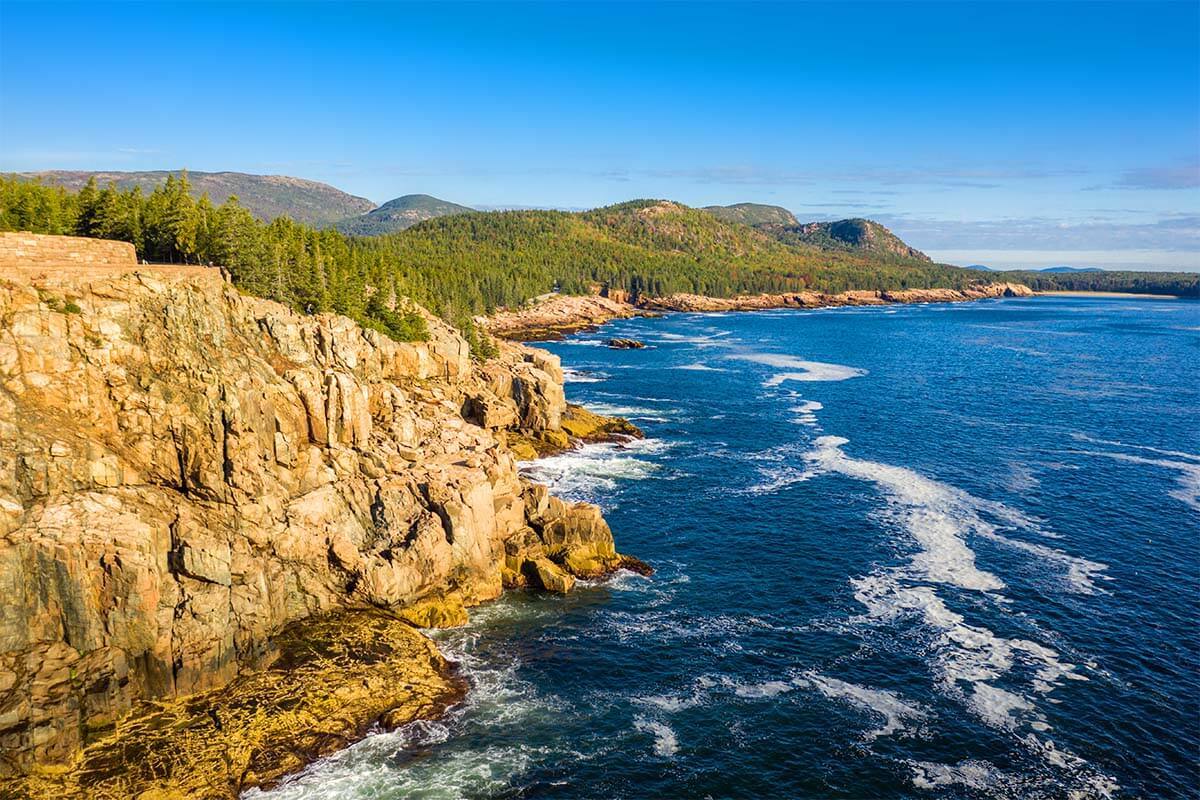
Take a boat tour to discover Acadia’s coastline and islands. Local guides share stories about the park’s history and wildlife. Fishing trips are also popular here. Catch lobster, bass, or trout in the park’s waters. Boats and equipment can be rented, or join a guided tour for a full experience.
Credit: fullsuitcase.com
Camping And Accommodation
Camping and accommodation options at Acadia National Park offer a chance to enjoy nature up close. Staying overnight lets visitors experience the park’s beauty in a quiet, peaceful setting. Whether you prefer a tent under the stars or a cozy room nearby, there are choices for every traveler.
Campgrounds Inside The Park
Acadia has several campgrounds with different features. Blackwoods Campground is the largest and closest to Bar Harbor. It offers many sites for tents and RVs. Seawall Campground is smaller and quieter, near the ocean. Schoodic Woods Campground is newer and less crowded, located on the Schoodic Peninsula. All sites have basic amenities like restrooms and water. Campfires are allowed only in designated areas. Book early; spots fill quickly in summer.
Nearby Lodging Options
Many inns, motels, and B&Bs surround the park. Bar Harbor has the most choices and is just minutes from the park entrance. These places range from budget to mid-range prices. For a quieter stay, towns like Southwest Harbor and Mount Desert offer charming lodges. Some places provide breakfast and free Wi-Fi. Staying nearby lets visitors rest comfortably after long park days.
Tips For Booking And Staying
Reserve campsites months ahead, especially for summer. Weekdays tend to be less crowded than weekends. Arrive early to claim good spots and avoid long lines. Pack warm clothes; nights can be chilly. Keep food stored safely to avoid wildlife visits. Follow park rules to protect nature and keep your stay safe. Respect quiet hours and other campers’ space.
Best Times To Visit
Choosing the best time to visit Acadia National Park helps you enjoy the park fully. Different seasons offer unique experiences and sights. Planning your trip around weather and crowds improves your visit.
Seasonal Highlights
Spring brings blooming flowers and fewer visitors. Trails become lively with fresh green leaves. Summer offers warm weather and long days for hiking. Fall is famous for colorful foliage and cool air. Winter turns the park into a snowy wonderland for quiet walks.
Weather Considerations
Acadia’s weather changes quickly. Summer temperatures range from 60°F to 80°F. Fall can be chilly, especially in the mornings. Winter is cold and snowy, with temperatures often below freezing. Spring may still be cold and wet, so dress in layers.
Crowd Avoidance Tips
Visit early in the morning to avoid crowds. Weekdays are less busy than weekends. Late spring and early fall have fewer visitors than summer. Avoid holidays and school vacations for a quieter experience. Park roads and trails are less crowded during these times.
Credit: nationalparkobsessed.store
Must-see Landmarks
Acadia National Park has many landmarks that show its natural beauty. Each spot has unique views and fun activities. These places are perfect for your trip plan.
Visit these must-see landmarks to enjoy the best of Acadia.
Cadillac Mountain
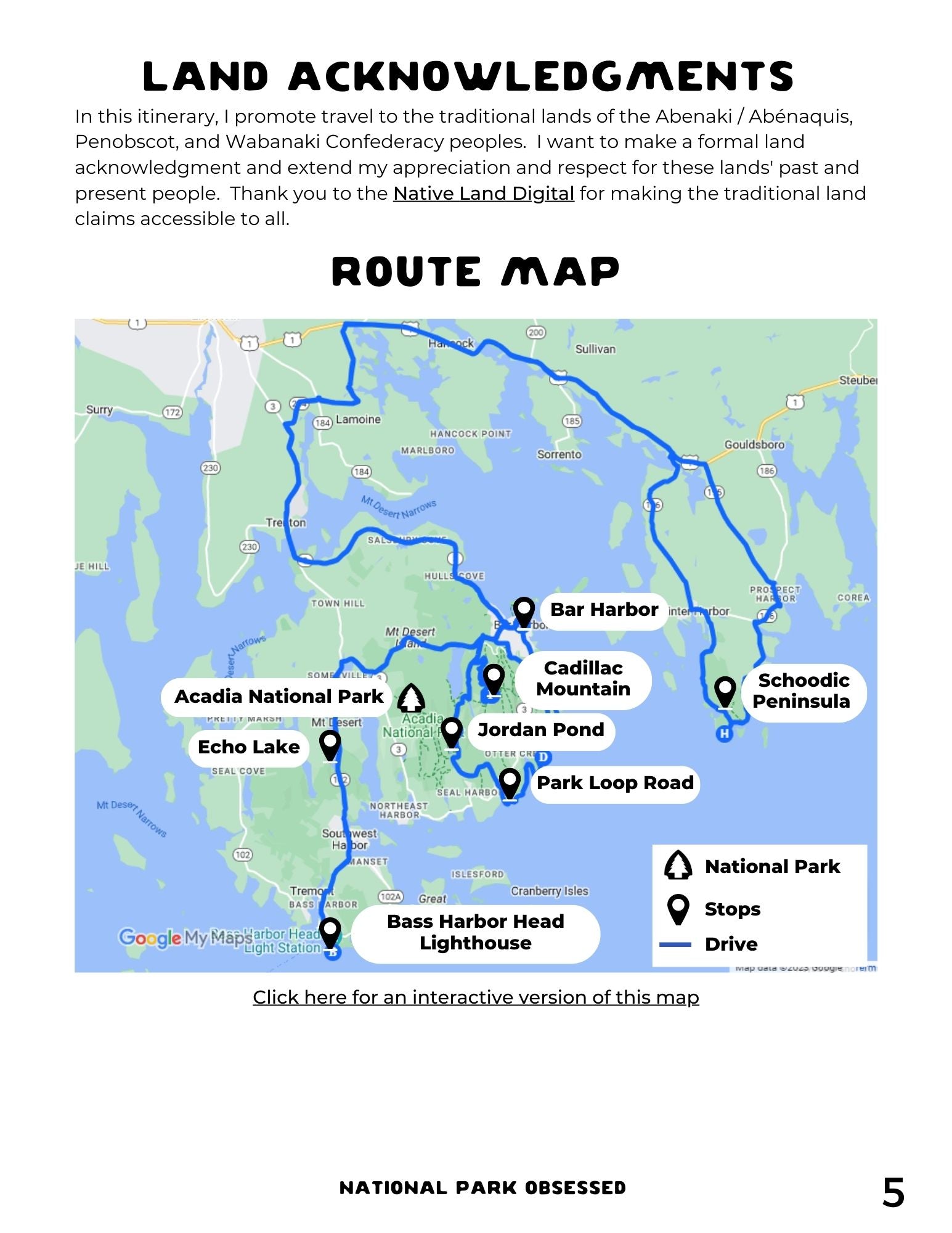
Cadillac Mountain is the highest point on the U.S. East Coast. It offers stunning views of the ocean and islands. Sunrise here is famous and attracts many visitors. Hiking or driving up is easy and rewarding. Don’t miss the clear skies and fresh air.
Jordan Pond
Jordan Pond is a peaceful lake with clear water and mountain views. Walking the Jordan Pond Path is a relaxing experience. You can see the famous Bubbles mountains nearby. Enjoy fresh air and calm nature sounds. The Jordan Pond House serves tasty popovers and tea.
Thunder Hole
Thunder Hole is a rocky inlet where waves crash loudly. The sound feels like thunder, exciting to hear and see. Visit during high tide for the best effect. Watch the powerful waves hit the rocks and spray water. It’s a great spot for photos and nature lovers.
Packing Essentials For Adventure
Packing right makes your Acadia National Park trip smooth and fun. You need gear that fits the park’s rugged trails and changing weather. Planning what to bring helps you stay safe and comfortable.
Choose items that are light but strong. Prepare for hiking, camping, and quick weather shifts. This guide shows what to pack for a great adventure.
Gear For Hiking And Camping
Bring a sturdy backpack to carry your gear. A reusable water bottle keeps you hydrated. Pack a compact tent and sleeping bag for camping nights. Hiking poles help on steep or rocky paths. Include a headlamp or flashlight for dark hours. Don’t forget a small first aid kit for minor injuries.
Clothing Recommendations
Wear layered clothes to adjust to temperature changes. Start with moisture-wicking shirts to stay dry. Add a warm fleece or jacket for cooler times. Waterproof outerwear protects from rain and wind. Choose sturdy hiking boots for rough trails. Bring extra socks to keep feet fresh and dry.
Safety And Navigation Tools
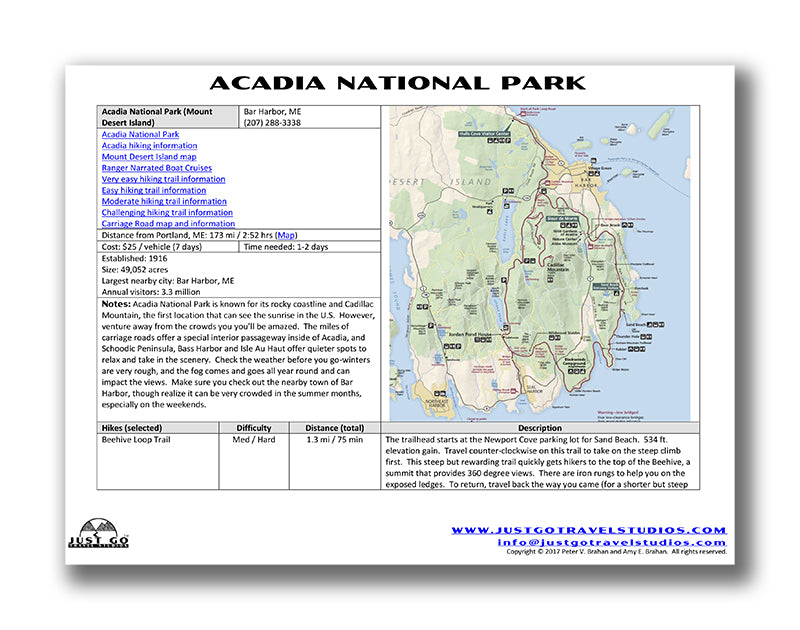
Carry a detailed map of Acadia National Park. A compass helps you find your direction. A GPS device or phone with offline maps is useful. Pack sunscreen and insect repellent for protection. Bring a whistle to signal for help if needed. Always inform someone about your hiking plan before you start.
Credit: www.justgotravelstudios.com
Frequently Asked Questions
What Is The Best Time To Visit Acadia National Park?
The best time is late spring to early fall for mild weather and open trails.
How Many Days Are Needed For Acadia National Park?
Two to three days allow you to see major sights and enjoy hikes.
What Are Must-see Spots In Acadia National Park?
Don’t miss Cadillac Mountain, Jordan Pond, Sand Beach, and Thunder Hole.
Can I Drive Through Acadia National Park?
Yes, the Park Loop Road offers easy driving to key attractions.
Are Pets Allowed In Acadia National Park?
Pets are allowed on some trails but must be leashed at all times.
What Activities Are Popular In Acadia National Park?
Hiking, biking, wildlife watching, and scenic drives are favorite activities.
Conclusion
Acadia National Park offers beauty in every corner. Each trail shows nature’s best views. Plan your days to enjoy hiking, biking, and relaxing. Watch the sunrise or sunset for stunning colors. Take time to explore lakes, mountains, and forests. This itinerary helps you see the park’s top spots.
Prepare well to make the most of your trip. Memories from Acadia will stay with you long after. A visit here brings peace and adventure all in one.