
Looking for the best 5th wheel hitch to make your towing safer and easier? You’ve come to the right place.
Whether you’re new to towing or a seasoned pro, choosing the right hitch can make all the difference in how smooth and secure your ride feels. You’ll discover top options that fit your needs and budget, helping you tow with confidence every time.
Keep reading to find the perfect match for your trailer and enjoy worry-free trips ahead.
Benefits Of 5th Wheel Hitches
5th wheel hitches offer many benefits for towing trailers. They provide better control, safety, and comfort. These hitches connect the trailer to the truck bed, creating a strong and stable link. This setup improves the towing experience on different roads and conditions.
Enhanced Stability
5th wheel hitches place the trailer’s weight over the truck’s rear axle. This balance reduces sway and shake during travel. The hitch design keeps the trailer steady on highways and curves. Drivers feel more secure and in control. It lowers the risk of accidents caused by trailer sway.
Increased Towing Capacity
These hitches handle heavier trailers than traditional ball hitches. They spread the load evenly across the truck’s frame. This allows trucks to tow larger campers, RVs, or heavy equipment. The stronger connection means safer and more efficient towing. It gives drivers confidence to tow bigger loads.
Improved Maneuverability
The hitch’s position near the truck bed improves turning ability. It allows tighter turns and easier parking with a trailer attached. Drivers can navigate narrow roads or campsites more easily. The setup reduces trailer jackknifing and damage risks. It makes towing less stressful and more enjoyable.

Credit: www.youtube.com
Key Features To Consider
Choosing the right 5th wheel hitch needs careful thought. Different hitches offer different features. Understanding these features helps pick the best hitch for your needs. Focus on key points that affect safety, ease, and performance.
Weight Ratings
Check the hitch’s weight capacity. It should match or exceed your trailer’s weight. Know both the gross trailer weight and pin weight. A correct rating ensures safe towing and avoids damage. Never use a hitch with a lower rating than needed.
Hitch Design Types
There are several hitch designs. Slide hitches allow adjustment for different truck beds. Fixed hitches are simpler but less flexible. Some hitches offer a round or square jaw. Pick a design that fits your truck and trailer setup.
Ease Of Installation
Simple installation saves time and effort. Some hitches come with clear instructions and needed hardware. Others may need professional help. Consider how much work you want to do yourself. A good hitch fits well without complex tools.
Durability And Materials
Look for hitches made from strong materials like steel. Powder coating protects against rust and weather. A durable hitch lasts longer and stays safe. Check reviews to see how well the hitch holds up over time.
Top 5th Wheel Hitches In 2024
Choosing the right 5th wheel hitch makes towing safer and easier. Each hitch offers different features that suit various needs. Here are the top 5th wheel hitches in 2024. They cover a range of budgets, load capacities, and installation types. Find the perfect hitch for your towing setup below.
Best Overall Hitch
The Reese Elite Series stands out for smooth towing and strong build. It fits most 5th wheel trailers and offers great stability. Its dual jaw system locks firmly around the kingpin. This reduces side-to-side play and improves safety. Many users praise its reliability and smooth turning. It balances performance with ease of use.
Best Budget Option
The Curt E16 is an affordable choice with solid features. It supports up to 16,000 pounds of trailer weight. This hitch has a simple design that works well for casual users. Installation is straightforward and does not require extra tools. Ideal for those who want value without sacrificing quality.
Best For Heavy Loads
The Andersen Ultimate Connection handles very heavy trailers up to 30,000 pounds. It offers excellent strength with a lightweight design. Its unique connection system reduces noise and vibration. This hitch suits frequent haulers who need top load capacity. It ensures safety and control on long drives.
Best For Easy Installation
The B&W Companion is known for quick and easy setup. It fits standard rails and drops into place without hassle. No special tools or modifications are needed. This hitch makes swapping between trucks simple. Perfect for users who want fast installation and removal.
Best For Long-term Durability
The Demco Hijacker II excels in rugged build quality and corrosion resistance. It uses heavy-duty steel and a powder-coated finish. This hitch withstands tough weather and frequent use. Its design reduces wear and tear over time. Great for those who want a hitch that lasts many years.
Installation Tips And Tricks
Installing a 5th wheel hitch correctly is essential for safe towing. Simple steps can make the process smooth and secure. Follow these tips to ensure your hitch is set up right and ready for the road.
Preparing Your Truck Bed
Start by cleaning the truck bed thoroughly. Remove any dirt, dust, or debris that might affect the hitch’s fit. Check for any rust or damage on the truck bed. Repair or treat these areas before installation. Gather all tools and parts needed for the hitch. Having everything ready saves time and reduces errors.
Aligning The Hitch Properly
Place the hitch in the truck bed and check its position. The hitch must be centered between the wheel wells. Use a tape measure to ensure exact placement. Adjust the hitch until it sits level and secure. Tighten bolts step-by-step, checking alignment as you go. Proper alignment prevents uneven wear and improves towing control.
Safety Checks Before Towing
Double-check all bolts and fasteners for tightness. Make sure the hitch lock is secure and functioning. Inspect the trailer connection for a firm fit without gaps. Test the safety chains and electrical connections. Perform a slow test drive to feel the hitch’s stability. Safety checks protect you and your cargo on the road.
Maintenance And Care
Proper maintenance and care extend the life of your 5th wheel hitch. Regular attention keeps it safe and reliable. Small actions prevent costly repairs and improve performance.
Follow simple steps to keep your hitch in top condition. Check parts often, clean dirt, and store it properly after use.
Regular Inspection Points
Check all bolts and nuts for tightness. Look for cracks or rust on the hitch body. Inspect the locking mechanism for smooth operation. Examine the pin box and mounting rails for damage. Make sure the hitch moves freely without sticking.
Lubrication And Cleaning
Apply grease to the hitch plate and moving parts. Use a lubricant made for metal and heavy equipment. Clean dirt, mud, and debris after every trip. Avoid using harsh chemicals that can damage surfaces. Wipe down the hitch with a damp cloth to keep it clean.
Storage Recommendations
Store the hitch in a dry place to avoid rust. Cover it with a protective tarp or case. Remove grease and dirt before storage. Keep it off the ground on a shelf or stand. Check the hitch again before each use after storage.
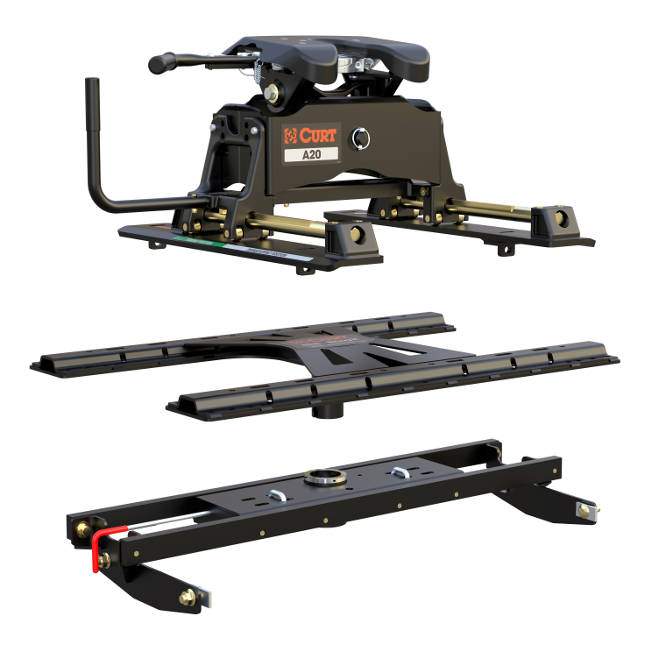
Credit: www.curtmfg.com
Common Towing Mistakes To Avoid
Towing with a 5th wheel hitch requires care and attention. Many drivers make mistakes that put their safety at risk. Avoiding common towing errors helps protect your vehicle and trailer.
Understanding these mistakes keeps your towing experience smooth and safe. Here are some key errors to watch out for.
Overloading The Hitch
Putting too much weight on the hitch is dangerous. It can cause trailer sway and damage your truck. Always check the hitch’s weight limit. Never exceed the maximum capacity. Overloading reduces control and increases accident risk.
Ignoring Weight Distribution
Uneven weight can make your trailer unstable. Proper weight distribution keeps the trailer balanced. Place heavy items low and near the trailer’s center. This helps maintain control and prevents fishtailing. Use a weight distribution system if needed.
Neglecting Regular Maintenance
Failing to maintain the hitch can cause problems on the road. Check bolts, pins, and locking mechanisms often. Lubricate moving parts to avoid rust and wear. Regular inspections catch issues before they become dangerous. Maintenance ensures your hitch works properly every trip.

Credit: www.youtube.com
Frequently Asked Questions
What Is A 5th Wheel Hitch And How Does It Work?
A 5th wheel hitch connects a trailer to a truck using a special plate inside the truck bed. It allows safe towing.
How Do I Choose The Best 5th Wheel Hitch?
Look for weight capacity, ease of installation, and smooth turning. Match the hitch to your truck and trailer size.
Can I Install A 5th Wheel Hitch Myself?
Yes, many hitches come with instructions. Basic tools and some help make installation easier and safer.
What Trucks Are Compatible With 5th Wheel Hitches?
Most pickup trucks with a flat bed can fit a 5th wheel hitch. Check your truck’s manual for details.
How Much Weight Can A 5th Wheel Hitch Safely Tow?
Weight limits vary by hitch model. Most can tow between 15,000 to 30,000 pounds safely.
Are 5th Wheel Hitches Safer Than Bumper Hitches?
Yes, 5th wheel hitches offer better stability and control by placing weight over the truck’s rear axle.
Conclusion
Choosing the right 5th wheel hitch makes towing safer and easier. A good hitch fits your truck and trailer well. It helps reduce sway and improves control on the road. Think about weight capacity and ease of use before buying.
This guide helps you find a hitch that suits your needs. Safe travels start with the best 5th wheel hitch. Your next trip will feel smoother and more secure.