
Are you torn between choosing a tiny home or an RV for your next big move or adventure? Both offer unique benefits, but which one fits your lifestyle better?
Imagine having a cozy space that feels just right, whether you’re parked by a lake or settled in a quiet neighborhood. This guide will help you discover the key differences, surprises, and perks of tiny homes and RVs—so you can make a choice that truly matches your needs and dreams.
Keep reading to find out which option could change the way you live and travel forever.
Benefits Of Tiny Homes
Tiny homes offer many benefits that make them popular. They provide a cozy living space that meets basic needs. Small size leads to lower costs and easier upkeep. Many people enjoy the freedom that tiny homes bring. These homes focus on smart design and a simpler lifestyle.
Space Optimization
Tiny homes use every inch wisely. Furniture often has more than one purpose. Foldable tables and beds save room. Clever storage solutions keep things neat. This design helps you live comfortably in less space.
Customization Options
Owners can design tiny homes to match their style. Choices include layout, colors, and materials. Custom features improve comfort and function. This makes each tiny home unique and personal.
Energy Efficiency
Smaller homes need less energy to heat and cool. Many use solar panels or energy-saving appliances. This reduces bills and helps the environment. Tiny homes can be a greener choice.
Community Living
Tiny home neighborhoods often have a strong sense of community. Shared spaces encourage social activities and support. Living close to others can reduce loneliness. This community feel appeals to many tiny home residents.
Benefits Of Rvs
RVs offer many benefits that make them a popular choice for travelers and adventurers. They combine comfort, convenience, and freedom in one package. People enjoy the ability to move easily and have everything they need on the road. This section explains why RVs stand out compared to tiny homes.
Mobility And Flexibility
RVs allow you to travel to different places without packing and unpacking. You can change your plans quickly and stay in new locations. This freedom suits those who love exploring and want to avoid being tied down to one spot. Mobility is a key advantage of RV life.
Built-in Amenities
RVs come with many built-in features like kitchens, bathrooms, and beds. These comforts make living on the road easier. You do not need to rely on public facilities or hotels. Having everything inside your vehicle means more privacy and convenience.
Ease Of Travel
Driving an RV is straightforward for most people. You can cover long distances without extra planning. RVs also allow you to stop whenever you want to rest or enjoy nature. This ease reduces travel stress and makes trips more enjoyable.
Variety Of Models
RVs come in many sizes and styles. From small camper vans to large motorhomes, there is an option for everyone. This variety helps find an RV that fits your budget and needs. You can pick one that matches your travel plans and comfort level.
Cost Comparison
Cost plays a big role when choosing between tiny homes and RVs. Understanding the different expenses helps make a smart decision. Both options have upfront costs and ongoing expenses. Some costs are easy to predict. Others can surprise you later.
Initial Purchase Price
Tiny homes usually cost more to buy than RVs. Building or buying a tiny home can range from $30,000 to over $100,000. RVs often start lower, around $10,000 for used models. New RVs can cost $50,000 or more. The price depends on size, features, and brand.
Maintenance Expenses
RV maintenance can be costly due to engine and travel parts. Regular checks on tires, brakes, and engines are needed. Tiny homes have fewer moving parts. Maintenance focuses on plumbing, roof, and utilities. Both require upkeep to stay safe and livable.
Insurance Costs
Insurance for RVs is usually higher. It covers both the vehicle and living space. Tiny home insurance may be cheaper if the home stays on a fixed site. Mobile tiny homes might need special policies. Insurance depends on location, use, and coverage level.
Resale Value
RVs tend to lose value faster than tiny homes. Depreciation happens quickly with vehicles. Tiny homes may keep value better if well maintained. Location and condition affect resale price. Both can offer good returns if cared for properly.
Lifestyle Considerations
Choosing between tiny homes and RVs involves more than size and cost. Lifestyle matters a lot. These choices shape daily life, routines, and social habits. Understanding lifestyle differences helps make better decisions.
Think about how you want to live, move, and connect. This section covers key lifestyle topics to consider.
Long-term Living
Tiny homes offer a more stable living space. They often have better insulation and utilities. People can stay in them year-round comfortably. RVs are more suited for short stays or seasonal use. They might lack space and comfort for permanent living.
Travel Frequency
RVs shine for travel lovers. They allow easy movement from place to place. Tiny homes are less mobile. Moving a tiny home takes planning and effort. Choose RVs if you want to travel often and explore new areas.
Community Interaction
Tiny home neighborhoods often form close-knit communities. People share resources and socialize more. RV parks offer community too, but it changes as people come and go. Consider how much social interaction you want daily.
Legal And Zoning Issues
Tiny homes face zoning and building code challenges in many areas. Some places restrict where they can be placed. RVs usually have fewer legal issues but must follow park rules. Check local laws before deciding on either option.
Space And Design Differences
Space and design shape the experience inside tiny homes and RVs. Both offer compact living but differ in layout and style. Understanding these differences helps decide which fits your lifestyle better.
Interior Layouts
Tiny homes often have open floor plans with flexible spaces. They use vertical space to create separate areas for living, sleeping, and cooking. RVs have fixed layouts designed for travel. Their spaces are more segmented and tailored for convenience on the road.
Storage Solutions
Tiny homes use built-in shelves, under-floor storage, and multi-purpose furniture. These maximize every inch of space. RVs rely on cabinets, overhead compartments, and slide-outs. Their storage focuses on easy access and securing items during travel.
Furniture And Fixtures
Tiny homes feature custom furniture made to fit their unique space. Many pieces fold or serve multiple purposes. RV furniture is lightweight and compact, designed for mobility. Fixtures often include durable materials suited for travel wear and tear.
Outdoor Living Spaces
Tiny homes may have decks, patios, or gardens to extend living space outdoors. They blend indoor and outdoor living naturally. RVs often use awnings or pop-out sections for outdoor areas. These spaces offer shade and protection while parked.
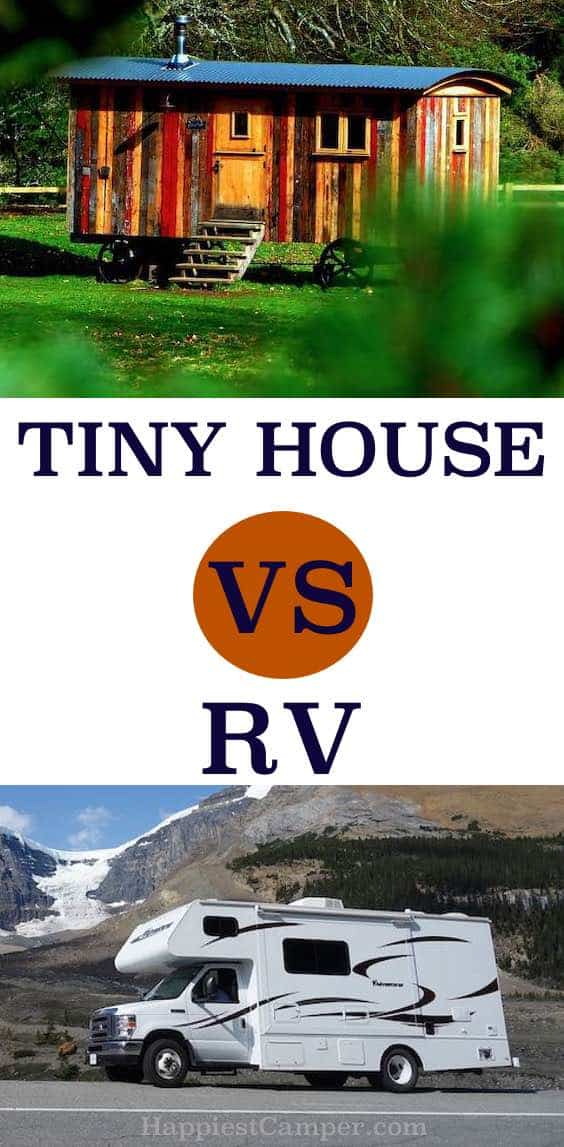
Credit: happiestcamper.com
Mobility And Transportation
Mobility and transportation are key factors when choosing between tiny homes and RVs. Each option offers different experiences on the road. Understanding these differences helps you pick the best fit for your lifestyle.
Driving And Parking
RVs are built for driving and easy to maneuver. They usually have a driver’s seat and controls inside. Tiny homes, on the other hand, are often stationary or need special vehicles for moving. Parking an RV is simpler because they are designed to fit in campgrounds and RV parks. Tiny homes can be harder to park due to their size and shape.
Towing Requirements
Most tiny homes need a truck or large vehicle to tow them. This adds cost and effort to transport. RVs do not require towing since they are self-propelled. Some RVs can be towed, but many are ready to drive right away. Towing a tiny home requires skill and proper equipment for safety.
Access To Remote Locations
RVs can reach many remote places with ease. They are designed to handle rough roads and off-grid sites. Tiny homes usually stay in one spot and cannot travel to remote areas often. Moving a tiny home to hard-to-reach places is difficult and expensive. RVs offer more freedom to explore nature and hidden spots.
Fuel Efficiency
Tiny homes do not use fuel when stationary. Moving them consumes fuel but not often. RVs use fuel regularly since they are driven like vehicles. Larger RVs consume more fuel than smaller ones. Fuel costs add up during long trips in an RV. Tiny homes can save money on fuel over time.
Maintenance And Upkeep
Maintenance and upkeep are key factors when choosing between tiny homes and RVs. Both require regular care to stay functional and safe. Proper maintenance ensures comfort and protects your investment over time. Understanding the differences helps you plan better and avoid surprises.
Routine Maintenance Tasks
Tiny homes need regular cleaning, checking for leaks, and inspecting plumbing. Roofs and windows require attention to prevent water damage. RVs demand engine checks, tire pressure monitoring, and battery care. Both need regular waste system emptying and water tank cleaning. Routine tasks keep your living space safe and efficient.
Repairs And Upgrades
Tiny homes often need repairs in siding, insulation, or electrical systems. Upgrades may include adding solar panels or better appliances. RV repairs focus more on mechanical parts like the engine and brakes. Upgrading an RV might involve improving the interior or adding new tech. Repair costs vary but planning ahead helps manage expenses.
Seasonal Preparation
Preparing for winter means insulating pipes and sealing gaps in tiny homes. RVs require winterizing the engine and plumbing to avoid freezing. Summer care might include extra ventilation and sun protection for both. Seasonal prep protects your home from harsh weather and extends its life. It also ensures comfort during extreme temperatures.
Longevity And Durability
Tiny homes are built to last with strong materials and solid foundations. They can handle weather better due to fixed placement. RVs face wear from travel and need more frequent repairs. Their lifespan depends on usage and maintenance quality. Choosing durable materials helps both tiny homes and RVs last longer.
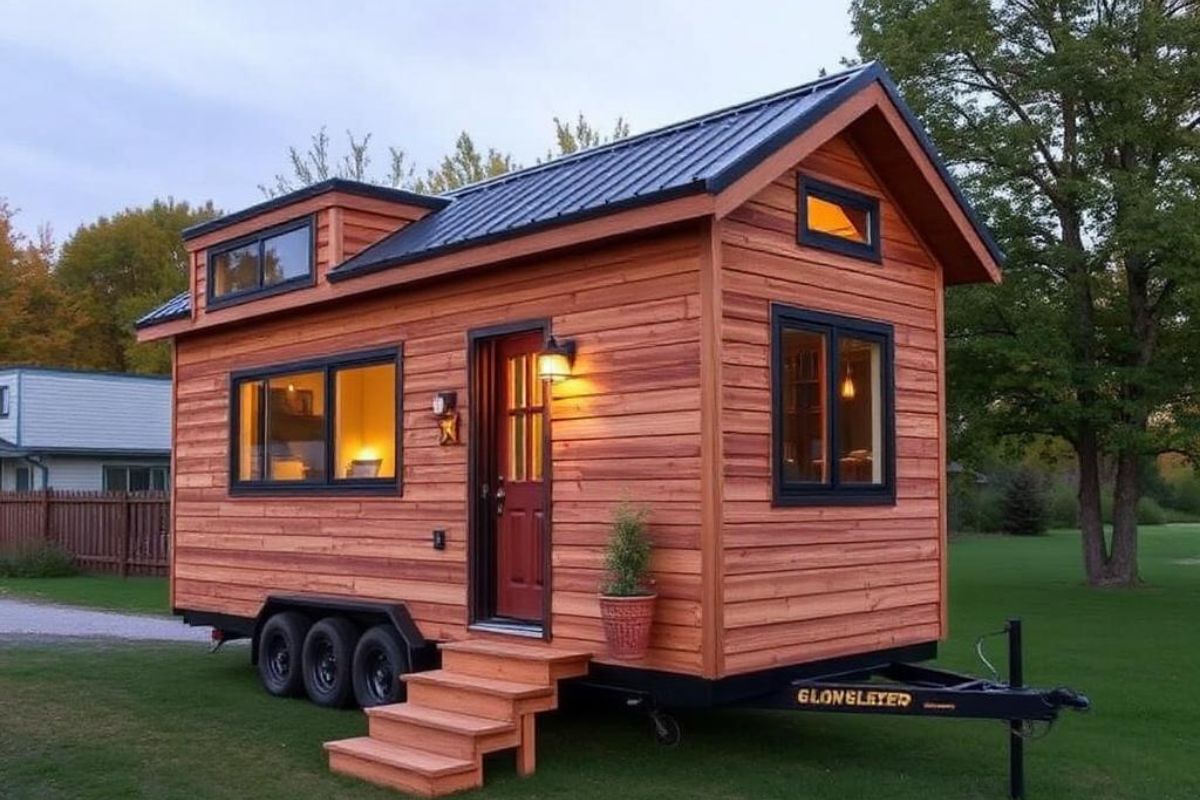
Credit: www.tinyhouseplans.com
Environmental Impact
Choosing between tiny homes and RVs involves thinking about their environmental impact. Both have smaller footprints than traditional houses. Yet, their effect on nature differs in several ways. Understanding these can help make a greener choice.
Sustainable Materials
Tiny homes often use wood, recycled steel, and eco-friendly insulation. Builders focus on materials that reduce harm to the environment. RVs mostly use lightweight metals and plastics to save weight. These materials can be less eco-friendly and harder to recycle.
Energy Consumption
Tiny homes usually have solar panels or energy-efficient appliances. They use less power because of their size and design. RVs rely on batteries or generators, which may burn fuel. This can increase energy use and pollution during travel.
Waste Management
Tiny homes can connect to regular sewage systems or compost toilets. This helps manage waste in an eco-friendly way. RVs use holding tanks for waste, which need emptying at special stations. Improper disposal can harm the environment.
Carbon Footprint
Tiny homes create fewer emissions over time due to less energy use. RVs produce emissions both from travel and energy sources. Driving an RV adds to carbon output. Stationary tiny homes have a smaller carbon footprint overall.
Choosing Based On Personal Needs
Choosing between tiny homes and RVs depends on personal needs. Each option suits different lifestyles and preferences. Understanding your priorities helps make the best choice. Consider factors like family size, budget, travel goals, and comfort. These aspects shape your living and travel experience.
Family Size
Tiny homes usually offer more space than RVs. They can fit small families comfortably. RVs work well for solo travelers or couples. Larger families may find RVs too cramped for long stays. Tiny homes provide more privacy and room for everyone.
Budget Constraints
RVs often cost less upfront than tiny homes. Maintenance and fuel expenses can add up with RVs. Tiny homes have higher initial costs but lower ongoing expenses. Decide based on what fits your financial plan best. Both options can be affordable with careful budgeting.
Travel Goals
RVs are designed for mobility and frequent travel. They suit people who want to explore many places. Tiny homes are more stationary and ideal for fixed locations. Choose RVs if you enjoy road trips and new destinations. Tiny homes offer stability and a permanent base.
Comfort Preferences
Tiny homes provide more home-like comfort and amenities. They often include full kitchens and bathrooms. RVs have compact spaces with limited facilities. Some prefer the cozy feel of tiny homes. Others like the simplicity and convenience of RV living.
/cdn.vox-cdn.com/uploads/chorus_image/image/51046289/comp.0.jpg)
Credit: archive.curbed.com
Frequently Asked Questions
What Are The Main Differences Between Tiny Homes And Rvs?
Tiny homes are stationary or semi-permanent, while RVs are mobile and built for travel.
Which Is More Affordable: Tiny Homes Or Rvs?
RVs usually cost less upfront but tiny homes often save money long-term on land and utilities.
Can I Live Full-time In A Tiny Home Or Rv?
Both options support full-time living, but tiny homes offer more space and stability.
How Do Tiny Homes And Rvs Handle Utilities?
Tiny homes often connect to local utilities; RVs use tanks and generators for water and power.
What About Maintenance Costs For Tiny Homes Vs Rvs?
RVs need frequent maintenance due to travel; tiny homes require less upkeep but may need repairs.
Which Option Offers Better Customization: Tiny Homes Or Rvs?
Tiny homes provide more design freedom and space to customize than most RVs.
Conclusion
Choosing between tiny homes and RVs depends on your lifestyle needs. Tiny homes offer a stable, permanent space. RVs provide mobility and freedom to travel. Both have benefits and challenges to consider. Think about your budget, space needs, and travel habits.
Your choice should fit your daily life and future plans. Both options can offer simple, cozy living. The key is to pick what feels right for you.