
Planning a trip to Yellowstone National Park? You’re about to explore one of the most breathtaking places on Earth.
But with so much to see and do, it can feel overwhelming to decide where to start. This Yellowstone National Park itinerary is designed just for you. It will help you make the most of your visit, so you don’t miss the must-see spots or hidden gems.
Keep reading, and you’ll discover a simple, easy-to-follow plan that turns your adventure into an unforgettable experience.
Best Time To Visit
Choosing the best time to visit Yellowstone National Park can shape your entire trip. The park offers unique experiences in every season. Weather, wildlife activity, and crowd sizes all change throughout the year. Planning your visit with these factors in mind helps you enjoy the park fully.
Seasonal Highlights
Spring brings blooming wildflowers and active animals. Baby bison and elk calves appear. Summer offers warm weather and long daylight hours. All park roads and facilities are open. Fall displays stunning colors. Animals prepare for winter, creating great wildlife viewing. Winter transforms Yellowstone into a quiet, snowy wonderland. Cross-country skiing and snowshoeing become popular.
Weather Tips
Summer days are warm but nights can be chilly. Pack layers for comfort. Spring and fall weather is unpredictable. Rain and snow are possible. Winter is very cold with heavy snow. Dress in insulated, waterproof clothing. Always check the weather forecast before heading out.
Crowd Patterns
Summer is the busiest season. Expect crowded trails and busy visitor centers. Spring and fall see fewer tourists. Enjoy more peace and quiet. Winter has the least visitors. Roads close except for guided tours and snowmobiles. Early morning or late afternoon visits reduce crowd encounters.
Top Attractions
Yellowstone National Park offers many attractions that amaze visitors. These highlights showcase the park’s natural beauty and unique features. Exploring these spots makes your trip memorable and full of adventure.
Geothermal Features
Yellowstone has the largest collection of geothermal features on Earth. Geysers like Old Faithful erupt regularly, thrilling crowds. Hot springs glow with vibrant colors from minerals. Mud pots bubble with rich, earthy scents. Walking among these wonders reveals the planet’s inner power.
Wildlife Watching
The park shelters many animals in their natural homes. Bison roam freely across wide grasslands. Elk graze near forest edges, often seen at dawn. Wolves, bears, and coyotes appear for the lucky few. Birdwatchers enjoy spotting eagles and osprey above lakes. Each sighting feels like a special gift.
Scenic Trails
Trails wind through valleys, forests, and along rivers. Easy paths suit families and casual walkers. Longer hikes lead to waterfalls and mountain views. Some trails follow old volcanic landscapes and wildlife habitats. Hiking in Yellowstone connects you deeply with nature.
Day-by-day Itinerary
Yellowstone National Park offers a lot to see and do. Planning your days helps you enjoy the park fully. This day-by-day itinerary guides you through the best spots and activities. Each day focuses on different highlights. You will experience geysers, wildlife, hiking, and stunning views.
Day 1: Arrival And Exploration
Arrive at Yellowstone and get settled in your accommodation. Start with a gentle walk around the nearby visitor center. Learn about the park’s history and wildlife. Visit the Old Faithful area to watch the famous geyser erupt. Explore the boardwalks and enjoy the fresh air. Take photos and relax before a busy day ahead.
Day 2: Geysers And Hot Springs
Spend the day exploring geysers and colorful hot springs. Visit the Upper Geyser Basin, home to many geysers. See Grand Prismatic Spring’s bright colors up close. Walk the trails around Fountain Paint Pot and Norris Geyser Basin. Remember to stay on the paths for safety. Enjoy the unique landscapes and bubbling waters.
Day 3: Wildlife And Hiking
Wake early to spot wildlife like bison, elk, and maybe bears. Head to Lamar Valley, known for frequent animal sightings. Take a moderate hike on a trail such as Mount Washburn. The views from the top are breathtaking. Carry water and wear sturdy shoes. Watch quietly and respect nature’s space.
Day 4: Waterfalls And Canyons
Explore Yellowstone’s dramatic waterfalls and deep canyons today. Visit the Grand Canyon of the Yellowstone first. See both the Upper and Lower Falls from lookout points. Walk along the rim trails to enjoy different views. Later, visit other falls like Tower Fall. Capture the beauty and calm of these natural wonders.
Accommodation Options
Choosing where to stay during your Yellowstone trip shapes your experience. The park offers many accommodation choices. From cozy lodges to outdoor camping and nearby town hotels, options fit every travel style and budget. Planning ahead helps secure your spot.
Lodges Inside The Park
Yellowstone has several lodges inside the park boundaries. These places offer comfort close to nature. Staying here means quick access to trails and sights. Popular lodges include Old Faithful Inn and Lake Hotel. Book months early to get a room.
Camping Sites
Camping is a favorite way to enjoy Yellowstone. The park has many campgrounds for tents and RVs. Some campsites require reservations; others are first-come, first-served. Camping lets you experience wildlife and night skies fully. Prepare for changing weather and park rules.
Nearby Towns
Towns near Yellowstone offer extra lodging options. West Yellowstone, Gardiner, and Cody have hotels, motels, and cabins. These towns provide restaurants and shops too. Staying here means a short drive to park entrances. Good for visitors wanting more amenities.
Packing Essentials
Packing for Yellowstone National Park requires smart choices. The park’s weather changes quickly. Prepare for sun, rain, and cold in one day. Pack light but bring important items. Focus on comfort and safety. Here are the must-have items for your trip.
Clothing Must-haves
Layering is key for Yellowstone. Start with a moisture-wicking base layer. Add a warm fleece or sweater. A waterproof jacket protects from rain and wind. Bring sturdy hiking boots for rough trails. Pack a hat and gloves for chilly mornings. Don’t forget extra socks to keep feet dry. Comfortable clothes for relaxing after hikes help too.
Gear And Gadgets
A good backpack holds your essentials. Carry a reusable water bottle to stay hydrated. A map or GPS device helps with navigation. Binoculars offer close views of wildlife. A camera captures memories of the stunning views. Portable phone charger keeps devices powered. Sunglasses protect eyes from bright sun. Trekking poles can ease hiking on steep paths.
Safety Items
Carry a first aid kit for minor injuries. Bear spray is vital for wildlife safety. A whistle signals for help in emergencies. Sunscreen shields skin from sunburn. Insect repellent keeps bugs away. Flashlight or headlamp is useful for low light. Always tell someone your plans before heading out.
Travel Tips
Yellowstone National Park offers amazing sights and adventures. Planning your visit well can make your trip smooth and fun. Travel tips help you enjoy the park and stay safe. Follow these tips to get the most from your Yellowstone itinerary.
Transportation Choices
Yellowstone is large, so choose transportation carefully. Renting a car is the best way to explore freely. Roads inside the park connect major spots. Some areas have shuttle buses, but they run on limited schedules. Walking and biking are good for short trips near visitor centers. Plan your routes and check road conditions before you start.
Park Rules
Respect Yellowstone’s rules to protect nature and yourself. Stay on marked trails to avoid harming plants and animals. Do not feed wildlife; it is dangerous and illegal. Keep a safe distance from animals to prevent accidents. Carry out all trash and leave no trace. Follow fire rules and do not smoke outside designated areas.
Avoiding Crowds
Yellowstone attracts many visitors, especially in summer. Visit early morning or late afternoon for fewer people. Weekdays are less busy than weekends. Explore less popular spots like Lamar Valley or Bechler region. Booking accommodations and tours in advance saves time. Enjoy quiet moments by planning your days carefully.
Food And Dining
Yellowstone National Park offers a variety of food options for every traveler. Whether you want a quick bite or a relaxing meal, choices are available. Planning your food stops helps you enjoy the park without hunger interruptions.
Onsite Restaurants
The park has several restaurants with different menus. Most serve classic American dishes and local specialties. Many restaurants feature fresh ingredients and hearty meals to fuel your adventures. Some popular spots include the Old Faithful Inn Dining Room and the Lake Yellowstone Hotel Restaurant. Reservations are recommended during busy seasons.
Picnic Spots
Yellowstone has many picnic areas perfect for a packed lunch. You can find tables near scenic spots like Yellowstone Lake and the Madison River. Bringing your own food allows flexibility and saves time. Remember to store food safely to protect wildlife and follow park rules.
Local Cuisine
Try local dishes inspired by the region’s flavors. Bison burgers, trout, and huckleberry jams are favorites. Many restaurants include these on their menus. Sampling local cuisine adds a special touch to your Yellowstone visit. It connects you with the park’s culture and nature.
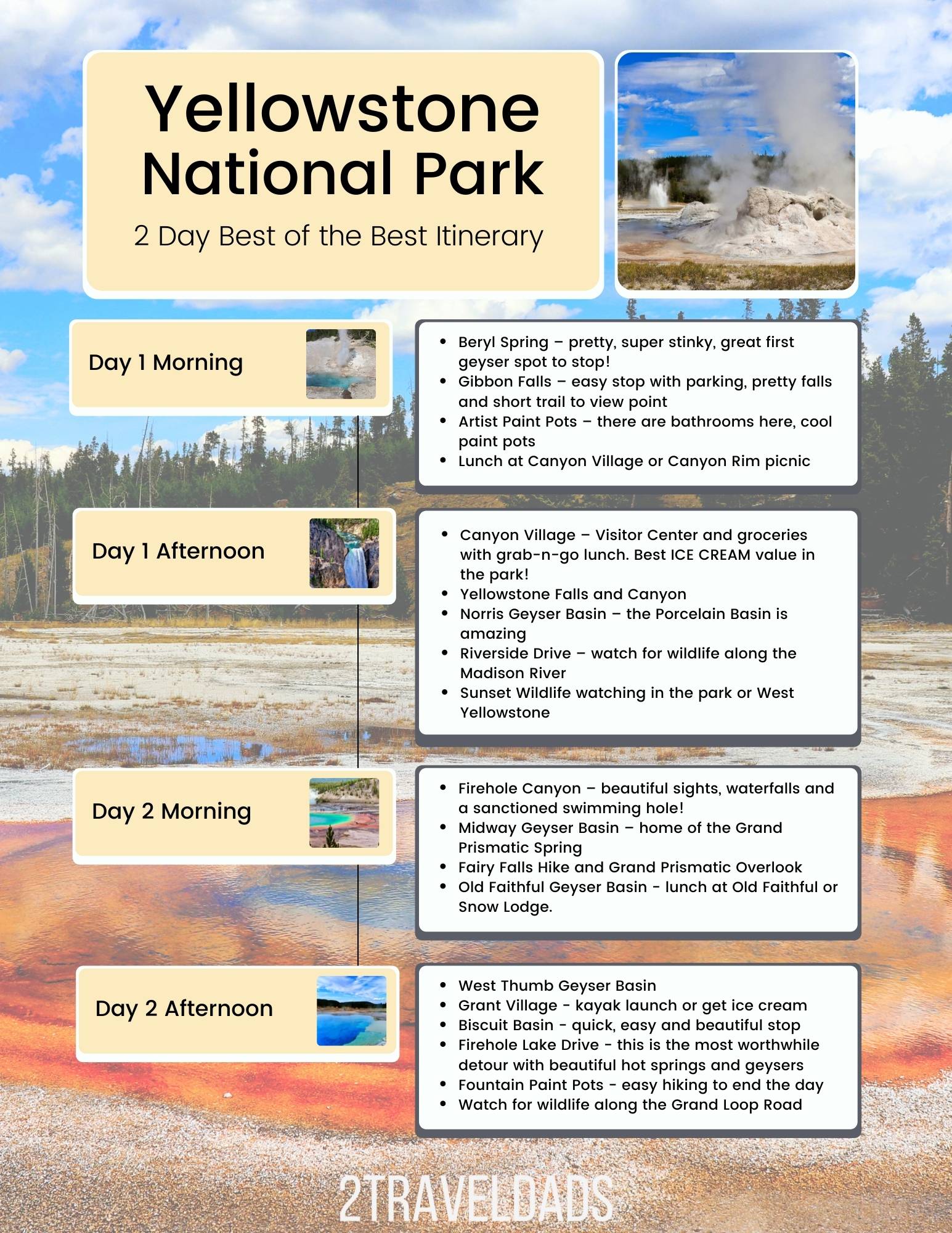
Credit: 2traveldads.com
Photography Spots
Yellowstone National Park offers many great places for photography. The park’s natural beauty is perfect for capturing stunning images. Visitors can find spots for sunrise, sunset, famous landmarks, and wildlife. These locations help create memorable photos of the park’s unique landscapes and animals.
Sunrise And Sunset Views
Sunrise and sunset bring soft, warm light to Yellowstone’s scenery. These moments highlight the colors of the sky and land. Popular spots include Artist Point and Lamar Valley. The changing light adds drama to rivers, mountains, and forests. Arrive early to catch the best light and quiet scenes.
Iconic Landmarks
Yellowstone has many famous landmarks that make excellent photo subjects. Old Faithful geyser is a must-see. Grand Prismatic Spring shows bright, vivid colors. Mammoth Hot Springs offers textured terraces. Each landmark shows a different side of Yellowstone’s natural wonders. These spots provide unique and powerful images.
Wildlife Photography
Yellowstone is home to diverse wildlife, perfect for nature photos. Bison, elk, and wolves often appear in open areas. Early morning and late evening are best times to spot animals. Use a zoom lens to keep distance and safety. Patience is key to capturing animals in natural behavior.
Nearby Attractions
Yellowstone National Park offers more than just its famous geysers and wildlife. Nearby attractions add extra adventure to your trip. Explore diverse landscapes and local culture close to the park. These spots give you a fuller experience of the region’s natural beauty and history.
Plan a day or two to visit these places. Each destination has something unique to offer. Nature lovers, art fans, and history buffs will find joy here.
Grand Teton National Park
Grand Teton National Park lies just south of Yellowstone. It shows dramatic mountain peaks and clear lakes. Hiking trails here suit all skill levels. Wildlife sightings include moose, bears, and eagles. The park’s calm beauty contrasts Yellowstone’s active geysers.
Jackson Hole
Jackson Hole is a lively town near Grand Teton. It has shops, restaurants, and art galleries. The town offers a taste of Western culture. Enjoy cowboy shows, local crafts, and fresh food. It is a perfect rest stop after exploring nature.
Local Museums
The area around Yellowstone has many museums. They tell stories about Native Americans and early settlers. Learn about wildlife, geology, and park history. Museums offer interactive exhibits and guided tours. They help visitors understand the land better.
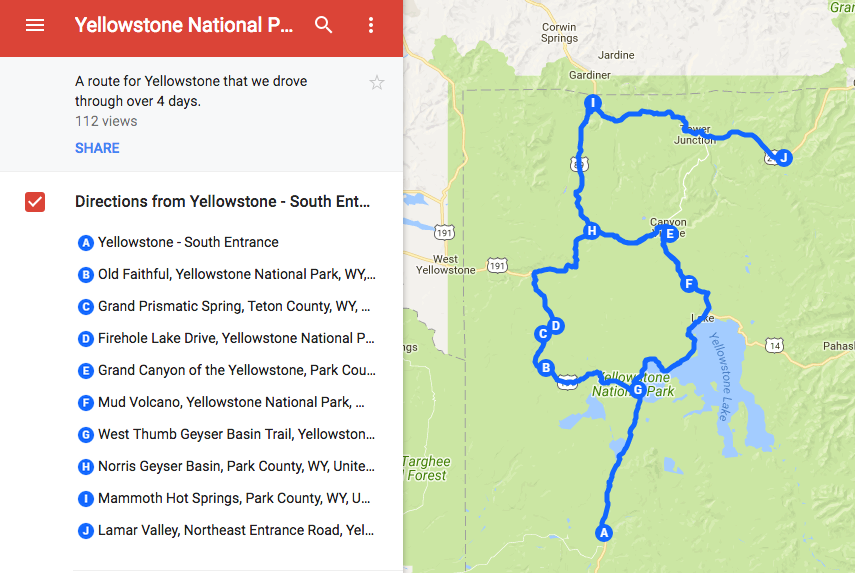
Credit: www.funtravelog.com

Credit: www.shakaguide.com
Frequently Asked Questions
What Is The Best Time To Visit Yellowstone National Park?
Summer offers warm weather and open roads, perfect for sightseeing and hiking.
How Many Days Are Needed For A Yellowstone Itinerary?
Three to four days allow you to see major attractions comfortably.
What Are Must-see Spots In Yellowstone National Park?
Old Faithful, Grand Prismatic Spring, and Yellowstone Lake are top highlights.
Can I See Wildlife On A Yellowstone Trip?
Yes, you can spot bison, elk, bears, and wolves in the park.
Are Guided Tours Worth It In Yellowstone?
Guided tours provide expert info and help explore safely and easily.
What Should I Pack For A Yellowstone Visit?
Bring layers, sturdy shoes, water, sunscreen, and a camera for photos.
Conclusion
Yellowstone National Park offers amazing sights and adventures. Plan your days to see geysers, wildlife, and scenic trails. Take time to enjoy the peaceful nature around you. This itinerary helps you make the most of your trip. Nature’s beauty waits in every corner of the park.
Prepare well and stay safe while exploring. Memories from Yellowstone will stay with you for years. A great trip begins with a simple plan. Ready to explore the wonders of Yellowstone?