
Is your RV water heater not working when you need it most? Nothing’s more frustrating than turning on the tap and getting cold water instead of a warm, comforting shower.
You rely on your RV’s water heater to keep your trips comfortable and stress-free. But when it stops working, your whole adventure can take a hit. Don’t worry—this article will guide you step-by-step to quickly find the problem and fix it.
By the end, you’ll know exactly what to do to get your water heater back in action and enjoy your travels without any chilly surprises. Keep reading—you’re closer to warm water than you think!

Credit: www.youtube.com
Common Causes Of Rv Water Heater Issues
RV water heaters can stop working for many reasons. Knowing the common causes helps in fixing the problem quickly. This section explains typical issues and their signs. It guides you to find the right solution for your RV water heater troubles.
No Hot Water
One common problem is no hot water at all. This happens if the heater does not turn on. A broken heating element or a tripped circuit breaker often causes this. Sometimes, a faulty thermostat stops the heater from warming water. Checking these parts can show where the issue lies.
Water Takes Too Long To Heat
Water that heats slowly can be frustrating. Sediment build-up inside the tank reduces heating efficiency. Low propane or electric power also slows heating. A weak heating element may cause this problem. Cleaning the tank and checking power sources helps restore fast heating.
Pilot Light Won’t Stay Lit
The pilot light is crucial for gas water heaters. If it won’t stay lit, the heater won’t work. Dirt or debris can block the pilot light’s flame. A faulty thermocouple may stop the gas flow. Cleaning the pilot area or replacing parts often fixes this problem.
Water Heater Leaks
Leaks cause water damage and reduce heater performance. Loose connections or damaged seals are common leak sources. Cracks in the tank or pipes also cause leaks. Regularly inspecting the water heater helps catch leaks early. Tightening parts or replacing seals can stop leaks fast.
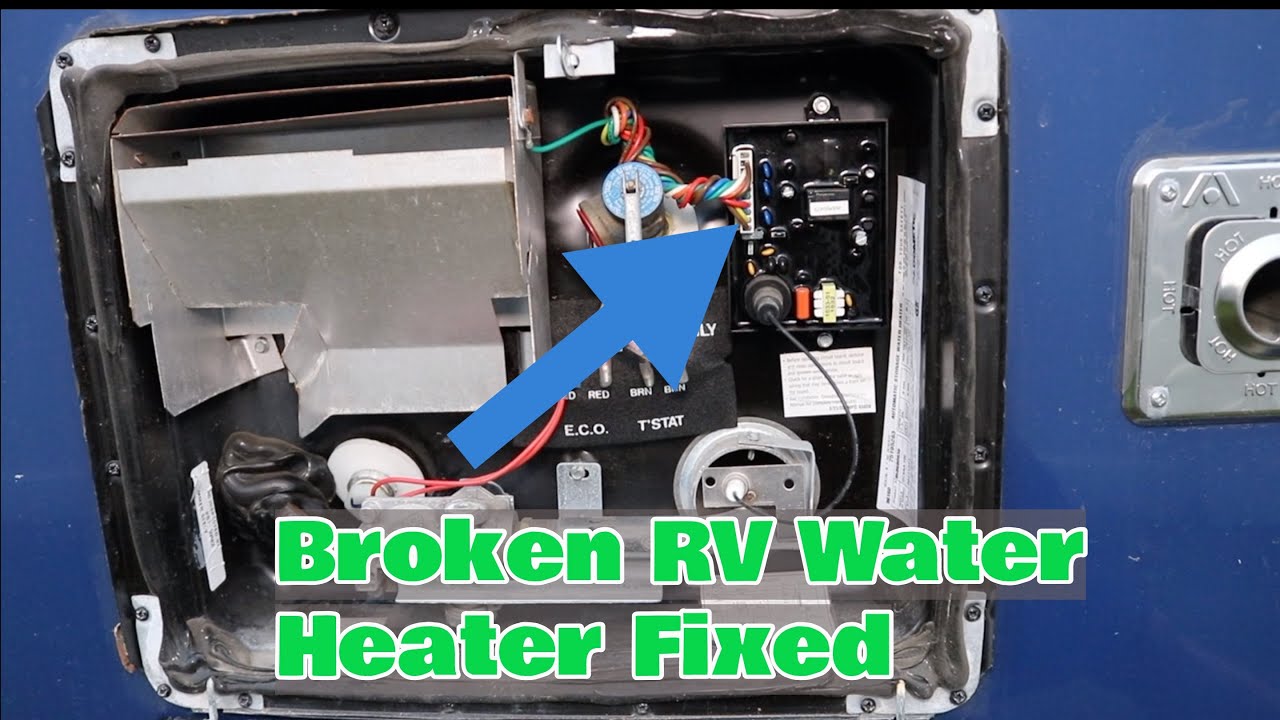
Credit: www.youtube.com
Basic Troubleshooting Steps
Basic troubleshooting helps find common problems fast. It saves time and effort before calling a technician. Follow these simple steps to check your RV water heater. Most issues can be fixed without special tools or skills. Stay safe and work carefully.
Check Power Supply
Start by confirming the water heater has power. Look for blown fuses or tripped breakers. Make sure the battery or shore power is connected. Use a multimeter to test voltage if possible. No power means the heater will not work at all.
Inspect Gas Supply
Many RV water heaters run on propane gas. Check the gas valve is open and supply is full. Look for leaks or damage in gas lines. Smell for gas odor, but do not light a flame. Proper gas flow is essential for heating water.
Reset The Water Heater
Resetting can clear error codes or minor faults. Locate the reset button on the unit. Hold it down for a few seconds then release. Wait a moment and try turning on the heater again. This step often fixes simple glitches.
Examine The Thermostat
The thermostat controls water temperature. Check if it is set correctly and not too low. A faulty thermostat can stop heating or cause overheating. Test it with a multimeter or replace if damaged. Proper thermostat function ensures warm water.
Quick Fixes For Electric Water Heaters
Electric water heaters in RVs can stop working for simple reasons. Quick fixes often solve these problems fast. This saves time and money before calling a technician. Check the power source, heating parts, and cleanliness of the tank. These steps help most electric water heaters work again.
Test Circuit Breaker
Start by checking the circuit breaker in your RV. A tripped breaker cuts power to the water heater. Flip the breaker off and on to reset it. Use a voltage tester to confirm power reaches the heater. Fixing the breaker restores electricity and may fix the problem instantly.
Replace Faulty Heating Element
The heating element warms the water inside the tank. Over time, it can burn out or break. Turn off the power before inspecting the element. Remove the old element and test it with a multimeter. Replace it with a new element if it shows no continuity. This fix returns heat to your water quickly.
Flush Sediment Buildup
Mineral deposits collect inside the water tank over time. Sediment blocks heat and lowers water temperature. Drain the tank fully, then flush it with clean water. Repeat until water runs clear. Flushing improves heater efficiency and water temperature. Keep the tank clean to avoid future problems.
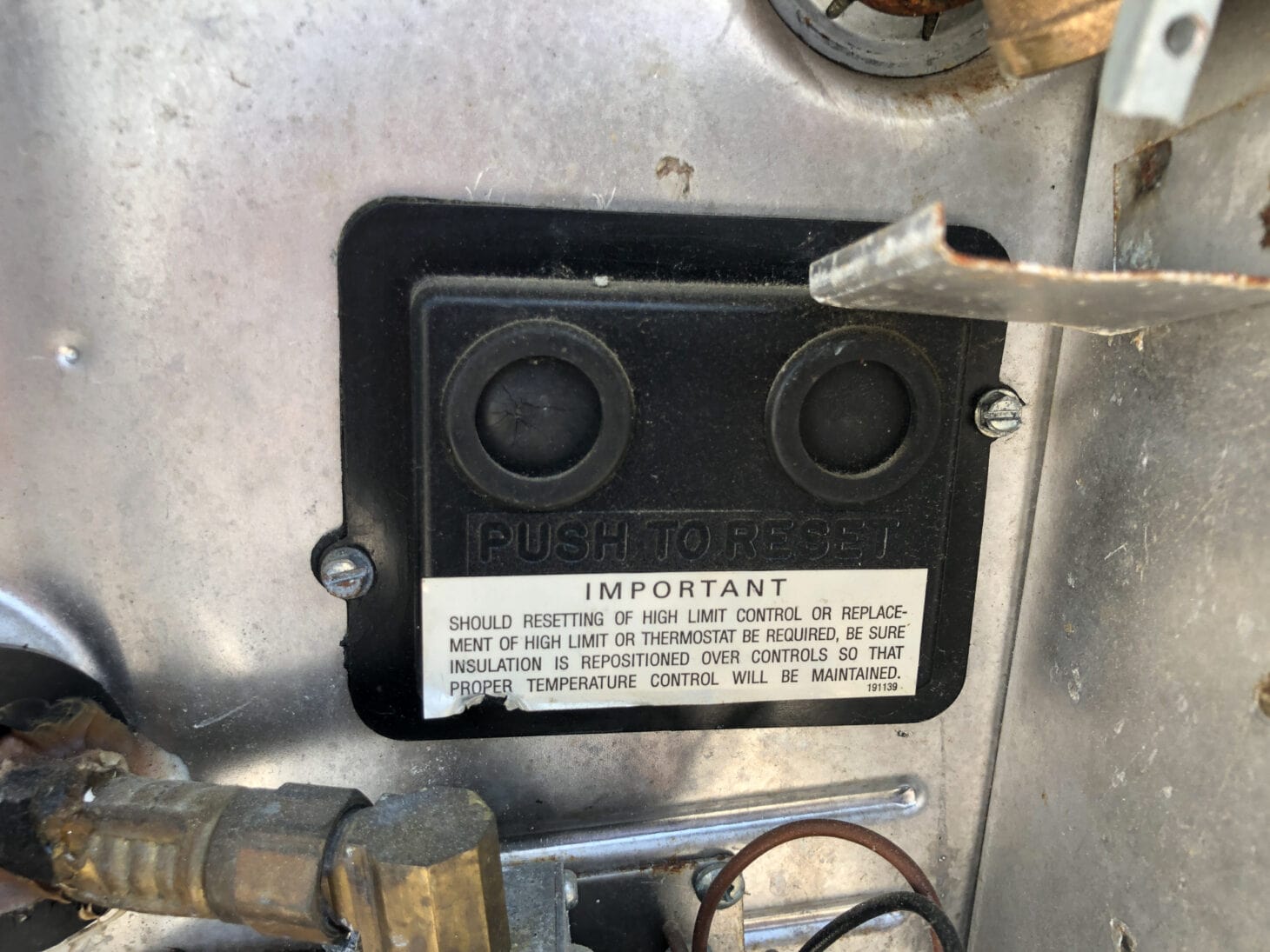
Credit: roadtrippers.com
Quick Fixes For Gas Water Heaters
Gas water heaters in RVs sometimes stop working. These quick fixes can help solve common problems fast. They save time and avoid expensive repairs. Most fixes need only basic tools and safety care. Follow these steps to get hot water again.
Relight The Pilot Light
The pilot light may go out due to wind or movement. Find the pilot light cover on your heater. Turn the gas control valve to “pilot.” Press and hold the button while lighting the pilot. Keep holding the button for 30 seconds. Release it slowly. The pilot should stay lit.
If the pilot won’t light or goes out quickly, try another fix below.
Clean Or Replace Thermocouple
The thermocouple senses if the pilot light is on. Dirt or wear can stop it from working. Turn off the gas and wait for cooling. Locate the thermocouple near the pilot light. Clean it gently with fine sandpaper or steel wool. If cleaning does not help, replace it. A new thermocouple is cheap and easy to install.
Check Gas Valve Function
The gas valve controls fuel flow to the burner. A faulty valve stops the heater from working. Listen for a clicking sound when you try to light the pilot. No sound might mean a broken valve. Use a multimeter to test for electrical continuity. If the valve fails tests, replace it. Always turn off gas before working on the valve.
Preventive Maintenance Tips
Preventive maintenance helps keep your RV water heater working well. It stops problems before they start. Regular care saves time and money. It also makes your water heater last longer.
Regular Flushing
Flush your RV water heater every few months. This removes minerals and dirt inside the tank. Use fresh water to flush out buildup. It helps keep the heater clean and efficient. Flushing prevents damage and improves heat transfer.
Inspect Anode Rod
Check the anode rod once a year. This rod protects the tank from rust. If it looks worn or thin, replace it. A good anode rod keeps your heater safe from corrosion. It extends the life of the water heater.
Monitor Water Pressure
Keep an eye on your water pressure. High pressure can harm the water heater parts. Use a pressure gauge to check regularly. Stay within the recommended pressure range. This protects your heater and plumbing system.
When To Call A Professional
Knowing when to call a professional for your RV water heater saves time and stress. Some problems need expert help to avoid damage or safety risks. Recognizing key signs can protect your RV and keep your water heater working well.
Persistent Leaks
Small leaks might seem easy to fix but can cause big issues. Water damage can ruin your RV’s structure. If leaks keep coming back, a professional should inspect the system. They can find hidden problems and fix them correctly.
Unusual Noises
Strange sounds from your water heater are a warning. Popping, banging, or hissing noises show something is wrong inside. These noises can mean sediment build-up or damaged parts. A professional can diagnose and repair the issue safely.
No Power Or Gas Flow
No power or gas means the heater won’t work at all. This problem can be dangerous and needs expert attention. A technician can check electrical connections and gas lines. They ensure everything is safe and operating properly.
Frequently Asked Questions
Why Is My Rv Water Heater Not Heating Water?
The water heater may have a faulty thermostat, broken heating element, or no power supply.
How Do I Reset An Rv Water Heater?
Locate the reset button on the heater and press it firmly to restart the system.
Can Low Propane Cause An Rv Water Heater To Stop?
Yes, low or empty propane tanks can prevent the water heater from functioning properly.
What Should I Check If My Rv Water Heater Won’t Ignite?
Check propane levels, pilot light, and electrical connections for any issues or blockages.
How Often Should I Flush My Rv Water Heater?
Flush the water heater at least once a year to remove mineral buildup and improve efficiency.
Is A Blown Fuse Causing My Rv Water Heater Problem?
A blown fuse can stop the heater from working; inspect and replace fuses as needed.
Conclusion
A broken RV water heater can spoil your trip. Check power supply and water flow first. Clean the burner and pilot light if needed. Tighten loose connections to avoid leaks. Small fixes save time and money. Regular maintenance helps prevent problems later.
Stay calm and take it step by step. Enjoy warm water again on your journey.