
Are you ready to keep your RV in top shape without the hassle? Your RV is more than just a vehicle—it’s your home on wheels, your getaway, your adventure starter.
But without proper care, unexpected problems can turn your dream trip into a stressful experience. That’s where the RV Maintenance Ebook comes in. This guide puts all the essential tips and tricks right at your fingertips, helping you save time, money, and headaches.
Stick with me, and you’ll discover simple steps to keep your RV running smoothly, so every trip feels like a breeze. Ready to become the pro your RV deserves? Let’s dive in!
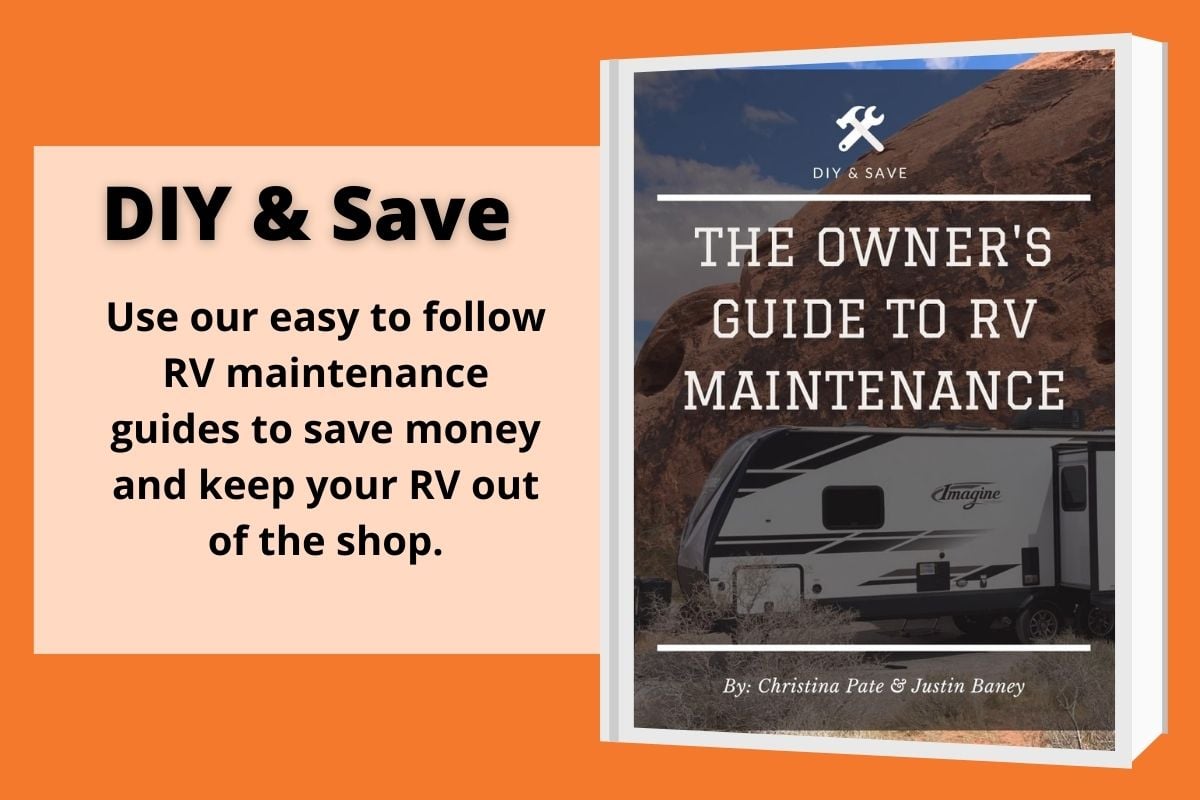
Credit: www.travelswithted.com
Choosing The Right Rv
Choosing the right RV is the first step to a great travel experience. The perfect RV fits your needs and lifestyle. It saves money and makes trips more fun. This guide helps you understand what to look for. It explains different types of RVs, key features, and budgeting tips.
Types Of Rvs
There are several types of RVs. Each type suits different travel styles. Class A motorhomes are large and luxurious. They offer many amenities and space. Class B motorhomes are smaller and easier to drive. They are perfect for quick trips and small groups. Class C motorhomes are mid-sized with extra sleeping space. Travel trailers and fifth wheels attach to a truck. They offer flexibility and can be detached at campsites. Knowing these types helps you pick the best fit.
Key Features To Consider
Look for features that match your travel plans. Sleeping space is important for comfort. Check the kitchen size and appliances. Bathroom facilities vary, so choose what you need. Storage space matters for gear and supplies. Consider the RV’s weight and length for driving ease. Heating and cooling systems affect comfort in different climates. Safety features keep you and your family secure. These details make your trip smooth and enjoyable.
Budgeting For Your Rv
Set a budget before you start shopping. RV prices vary greatly by type and features. Factor in insurance, maintenance, and fuel costs. Think about campground fees and travel expenses. Sometimes used RVs offer good value. New RVs come with warranties and fewer repairs. Plan for unexpected costs to avoid surprises. A clear budget helps you find an RV that suits your money.
Essential Rv Tools And Supplies
Keeping your RV in good shape needs the right tools and supplies. These items help fix small problems before they get big. A well-stocked kit saves time and money on the road. It also keeps your trip safe and smooth.
Basic Maintenance Tools
Start with simple tools like screwdrivers and wrenches. A set of pliers is very handy too. Include a hammer, utility knife, and a tape measure. A cordless drill makes many jobs easier. Keep a flashlight or headlamp for dark repairs.
Cleaning Supplies
Clean your RV often to avoid damage and bad smells. Use mild soap and soft sponges for the outside. A good glass cleaner keeps windows clear. Don’t forget brushes for tires and mats. Keep microfiber cloths for inside surfaces and screens.
Spare Parts To Keep Onboard
Carry essential spare parts like fuses and bulbs. Extra hoses and water filters are useful. Bring spare belts and small nuts and bolts. A tire repair kit is a must-have. These parts help fix common issues fast.
Routine Rv Maintenance Tasks
Routine RV maintenance keeps your vehicle safe and reliable. It prevents costly repairs and extends the life of your RV. Regular checks help spot problems early. This section covers key tasks to include in your routine.
Engine And Mechanical Checks
Check oil levels and change oil regularly. Inspect belts and hoses for cracks or wear. Replace air filters to keep the engine clean. Check coolant levels to avoid overheating. Test brakes and steering for smooth operation.
Tire Care And Inspection
Inspect tires for cracks, bulges, or uneven wear. Check tire pressure before every trip. Rotate tires to ensure even wear. Replace tires that are old or damaged. Use a pressure gauge for accurate readings.
Battery And Electrical System
Clean battery terminals to prevent corrosion. Check battery charge and recharge if needed. Test lights, signals, and interior electrical devices. Replace blown fuses promptly. Secure all wiring to avoid damage.
Plumbing And Water System
Inspect water lines for leaks or damage. Sanitize fresh water tanks regularly. Check the water pump for proper function. Drain and winterize pipes in cold weather. Test faucets and drains to avoid clogs.
Seasonal Rv Care Tips
Seasonal RV care is key to keeping your vehicle safe and ready. Each season demands specific steps to protect your RV from damage. Following clear, simple routines helps avoid costly repairs and keeps your trips smooth.
Proper care extends the life of your RV and improves your travel experience. This guide covers essential tasks for every season. Checklists make maintenance easier and more effective.
Preparing For Winter Storage
Drain all water tanks to prevent freezing. Use antifreeze in plumbing to protect pipes. Remove food and clean the interior thoroughly. Disconnect the battery and store it in a cool place. Cover your RV with a breathable cover to shield it from snow and ice. Check tires for proper inflation and support them off the ground if possible.
Spring Startup Checklist
Inspect the roof and seal any cracks. Test all appliances and electrical systems. Check the battery and recharge if needed. Flush the water system and sanitize tanks. Look for signs of pests or mold inside. Lubricate hinges and locks for smooth operation. Inflate tires to recommended pressure before hitting the road.
Summer Road Trip Prep
Check the air conditioning and cooling system. Inspect brakes and suspension for safety. Fill up all fluids, including oil and coolant. Pack extra water and emergency supplies. Clean and protect the exterior from sun damage. Test all lights and signals to ensure visibility. Secure all loose items inside to avoid damage while driving.
Fall Maintenance Routine
Clean the exterior and inspect for damage. Check seals around windows and doors. Empty and clean the holding tanks. Test the heating system before cold weather arrives. Inspect tires for wear and replace if needed. Store outdoor furniture and accessories safely. Review your RV insurance and update if necessary.
Troubleshooting Common Rv Issues
Traveling in an RV offers freedom and adventure. Yet, small problems can stop your journey fast. Troubleshooting common RV issues helps keep your trip smooth. This section covers simple fixes for typical troubles. Knowing these tips saves time and money.
Diagnosing Engine Problems
Start with checking the engine oil level. Low oil can cause serious damage. Listen for strange noises while the engine runs. Look for leaks or smoke under the hood. Check the battery and connections. A weak battery often causes starting trouble. Scan the dashboard for warning lights. These signals guide you to the issue.
Fixing Electrical Glitches
Test all lights and outlets inside the RV. Faulty fuses are common causes of electrical failure. Replace blown fuses quickly. Inspect wiring for loose or broken connections. Use a multimeter to check power flow. Reset the circuit breaker if it trips. Avoid overloading your RV’s electrical system. Regular checks help prevent surprises on the road.
Handling Plumbing Leaks
Look under sinks and around pipes for water stains. Tighten loose fittings and seals carefully. Use plumber’s tape to fix minor leaks. Empty and clean the water tanks regularly. Check the water pump for proper operation. Replace cracked or damaged hoses. Keep a small repair kit handy for quick fixes. Early leak detection prevents costly damage.
Dealing With Tire Damage
Inspect tires for cracks, cuts, or bulges. Check tire pressure before every trip. Use a gauge for accurate readings. Rotate tires to promote even wear. Replace tires worn beyond safe limits. Carry a spare tire and tools for emergency changes. Avoid driving on rough roads at high speeds. Proper tire care ensures safety and better mileage.

Credit: www.amazon.com
Cleaning And Interior Care
Keeping your RV clean inside makes every trip more enjoyable. A tidy interior feels fresh and welcoming. Regular cleaning protects your investment and keeps the space healthy.
Follow these simple tips to maintain your RV’s interior. Small efforts prevent big problems later.
Deep Cleaning Tips
Start with removing all loose dirt and dust. Sweep floors and wipe surfaces with a damp cloth. Use mild soap mixed with water for stubborn stains. Clean windows inside and out for better light. Don’t forget vents and ceiling fans. They collect dust and reduce air quality.
Maintaining Upholstery And Fabrics
Vacuum seats and cushions regularly to remove dust. Treat spills quickly with a clean cloth. Use fabric cleaner suitable for RV materials. Avoid harsh chemicals that damage fabric fibers. Let cushions dry completely in fresh air. Rotate cushions often to prevent uneven wear.
Preventing Mold And Mildew
Keep your RV well ventilated to stop moisture build-up. Use moisture absorbers in cabinets and closets. Wipe down wet areas after use, like sinks and showers. Check seals and windows for leaks regularly. Mold grows fast in damp, dark places. Clean mold spots immediately with a vinegar solution.
Safety Checks And Upgrades
Keeping your RV safe is a top priority. Regular safety checks and smart upgrades protect you and your vehicle. These steps reduce risks and give peace of mind on the road.
Fire Safety Measures
Check smoke detectors and replace batteries often. Have a fire extinguisher in easy reach inside the RV. Inspect gas lines for leaks to avoid fire hazards. Know how to turn off gas valves quickly. Keep a fire blanket in the kitchen area for emergencies.
Installing Security Systems
Install motion sensors around your RV to alert you of movement. Use cameras to monitor your RV when parked. Choose alarms that notify you on your phone. Secure doors and windows with strong locks. These upgrades help prevent theft and give you confidence.
Upgrading Lighting And Signals
Replace old bulbs with bright LED lights for better visibility. Check all signal lights, including brake and turn signals, regularly. Add extra marker lights for improved safety at night. Bright lights make your RV easier to see and help avoid accidents.
Planning For Long-term Rv Storage
Planning for long-term RV storage takes careful thought. It helps keep your RV safe and ready for your next trip. Proper planning stops damage and saves money on repairs. This section guides you through the key steps to store your RV well.
Choosing Storage Locations
Select a place that is dry and secure. A covered spot protects your RV from rain and sun. Choose a location with good drainage to avoid water pooling. Make sure the area is safe from theft or vandalism. Outdoor lots, garages, or storage facilities all work well.
Preparing Your Rv For Storage
Clean the RV inside and out before storing it. Remove all food to prevent pests. Empty water tanks and drain the plumbing system. Check tires for proper inflation and cover them to avoid cracking. Disconnect the battery or use a trickle charger to keep it healthy.
Maintenance During Storage
Inspect your RV regularly during storage. Look for signs of moisture or pest damage. Start the engine once a month to keep parts lubricated. Run the generator and check all systems work properly. Keep the interior aired out to prevent mold and odors.

Credit: nrvta.com
Frequently Asked Questions
What Topics Does The Rv Maintenance Ebook Cover?
The ebook covers cleaning, engine care, tire checks, electrical system tips, and seasonal upkeep.
How Often Should I Perform Rv Maintenance Tasks?
Basic checks are recommended monthly, with deeper inspections every six months or before trips.
Is The Rv Maintenance Ebook Suitable For Beginners?
Yes, it uses simple language and clear steps for anyone new to RV care.
Can This Ebook Help Prevent Costly Rv Repairs?
Following the guide helps spot issues early, reducing the chance of expensive repairs later.
Does The Ebook Include Maintenance Checklists?
Yes, it offers easy-to-follow checklists to keep your RV in top condition.
Is The Ebook Available In Digital Format?
The ebook is provided as a downloadable file, accessible on phones, tablets, and computers.
Conclusion
Taking care of your RV is easier with the right guide. This ebook helps you keep your vehicle safe and running well. Simple steps save time and money on repairs. Regular maintenance prevents big problems on the road. Enjoy your trips without worry or stress.
Trust this ebook to support your RV journey. Start caring for your RV today and feel the difference.