
Are you tired of your RV refrigerator letting you down when you need it most? Whether it’s unreliable cooling, high energy use, or constant repairs, finding a better option can make your trips so much more enjoyable.
Imagine having a fridge alternative that keeps your food fresh, saves energy, and fits perfectly in your RV without the usual hassles. You’ll discover practical and smart RV refrigerator alternatives that could change the way you travel. Keep reading to find the perfect solution for your next adventure!
Why Choose Alternatives To Rv Refrigerators
Choosing alternatives to standard RV refrigerators can improve your camping experience. These alternatives often solve common problems found in traditional RV fridges. They offer better energy use and flexibility. Many RV owners prefer these options for long trips and off-grid adventures.
Limitations Of Standard Rv Refrigerators
Standard RV refrigerators use a lot of power. They rely on propane or electricity, which can be costly. These fridges often struggle in hot weather. They may not keep food cold enough during summer. Space inside is limited, making storage difficult. Repairs can be expensive and hard to find on the road.
Benefits Of Energy-efficient Solutions
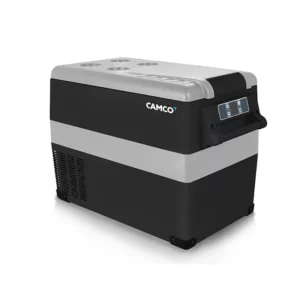
Energy-efficient alternatives save power and money. They use less propane or electricity, extending your trip time. Some models run quietly, making your RV more peaceful. These fridges often have better cooling performance. Many use advanced technology for consistent temperatures. They can fit in smaller spaces, maximizing your storage. Choosing energy-efficient options reduces your environmental impact too.
Credit: www.travelswithted.com
Solar-powered Refrigerators
Solar-powered refrigerators offer a smart way to keep food cool in your RV without relying on traditional power sources. They use sunlight to run, making them perfect for off-grid camping. These refrigerators save energy and help you stay eco-friendly during your travels.
How Solar Refrigerators Work
Solar refrigerators use solar panels to capture sunlight. The panels convert sunlight into electricity. This electricity powers the fridge’s cooling system. A battery stores extra power for use at night or on cloudy days. This system keeps your food cold without using gas or shore power.
Best Solar Models For Rvs
Many solar refrigerators fit well in RVs. Look for compact models with good insulation. Efficient use of energy helps keep the battery charge longer. Some popular options include portable solar fridges and built-in solar-ready models. Choose one based on your space and cooling needs.
Installation Tips
Place solar panels where they get full sun. Roof installation is common for steady sunlight. Connect panels to a battery with a charge controller. Secure the fridge inside the RV to avoid movement. Check wiring and connections regularly for safety and efficiency.
12-volt Compressor Coolers
12-volt compressor coolers offer a practical alternative to traditional RV refrigerators. They run on your RV’s 12-volt power supply. These coolers keep food and drinks cold even in hot weather. Compact and portable, they suit small spaces and easy travel. Many RV owners choose them for their reliable cooling and energy use. They work well for short trips and off-grid adventures.
Efficiency And Performance
Compressor coolers use a compressor to cool inside. This makes them more efficient than thermoelectric coolers. They can reach lower temperatures quickly. These coolers maintain steady temperatures even in heat. They work well in hot or cold conditions. Compressor coolers also keep food fresh longer. Their sealed design prevents moisture and frost build-up.
Top Brands And Models
Popular brands include Dometic, Engel, and ARB. Dometic offers models like the CFX series. Engel’s MT45F is known for durability and quiet operation. ARB’s portable fridge freezers suit rugged use. Many models feature digital controls and strong insulation. Look for models with adjustable temperature settings. Some have dual-zone compartments for fridge and freezer use.
Power Consumption Insights
Compressor coolers use less power than absorption fridges. Their energy use depends on size and temperature setting. Running on 12 volts, they can connect to solar panels. Power use ranges from 40 to 80 watts typically. Efficient models help extend battery life on trips. They often have sleep modes and smart sensors to save energy.
Credit: www.travelswithted.com
Thermoelectric Coolers
Thermoelectric coolers are a popular alternative to traditional RV refrigerators. They use a different technology that does not involve compressors or refrigerants. These coolers are compact, lightweight, and easy to use. They offer a quiet cooling option for RV travelers. Understanding their cooling method and benefits helps you decide if they fit your RV needs.
Cooling Mechanism
Thermoelectric coolers work using the Peltier effect. When electric current passes through two different metals, heat moves from one side to the other. This creates a cooling effect on one side and heat on the other. A small fan blows the heat away from the hot side. This keeps the inside of the cooler cold without using any chemicals.
Pros And Cons For Rv Use
Thermoelectric coolers are lightweight and easy to carry. They consume less power than compressor fridges. These coolers operate quietly, which is great for small spaces. They have fewer moving parts, so they need less maintenance.
On the downside, thermoelectric coolers work best in cooler environments. Their cooling power drops when the outside temperature is very high. They cannot freeze items or reach very low temperatures. Cooling capacity is limited compared to traditional RV refrigerators.
Ideal Usage Scenarios
Thermoelectric coolers suit short trips or mild weather conditions. They are good for storing drinks and snacks. Use them in campsites with shade or moderate temperatures. Perfect for small RVs or vans with limited power supply. Not recommended for long trips or very hot climates where strong cooling is needed.
Propane-powered Refrigerators
Propane-powered refrigerators are a popular choice for RV owners who need reliable cooling without using electricity. These refrigerators use propane gas to keep food fresh and drinks cold. They work well in remote areas where electric power might be limited or unavailable.
Many travelers prefer propane refrigerators because they operate quietly and do not depend on batteries or shore power. They can run continuously, making them ideal for long trips or off-grid camping. Maintenance is simple, and the technology has been proven over many years.
Energy Efficiency Compared To Electric
Propane refrigerators use less energy than electric models, especially when no power source is nearby. They do not drain your RV’s battery, which helps save power for other devices. These refrigerators convert propane gas into cold air efficiently.
Electric refrigerators need a constant power supply and use more electricity. Propane refrigerators are better for conserving energy during extended trips. They keep food cold without the need to recharge batteries frequently.
Safety Considerations
Using propane safely is very important. Proper ventilation inside the RV prevents dangerous gas buildup. Propane refrigerators must be installed according to manufacturer instructions.
Check for leaks regularly using soapy water or a gas detector. Keep propane tanks away from heat and open flames. Turn off the propane supply when the refrigerator is not in use to avoid accidents.
Popular Options On The Market
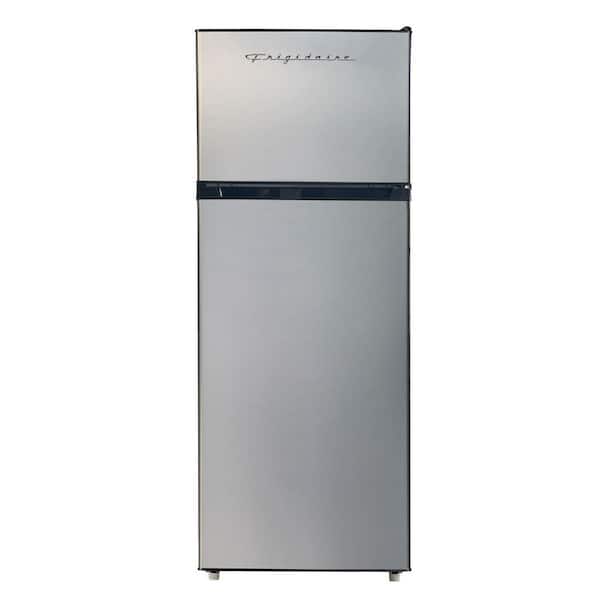
Several well-known brands offer propane-powered refrigerators for RVs. Dometic and Norcold are trusted names with many models available. These options come in various sizes to fit different RV layouts.
Some models combine propane and electric power for flexibility. Users can switch between fuel sources depending on availability. This dual power feature adds convenience during travel.
Credit: www.homedepot.com
Ice Chests And Coolers
Ice chests and coolers provide a simple way to keep food and drinks cold during RV trips. They do not need electricity. This makes them a great alternative to RV refrigerators. You can take them anywhere, even off-grid locations.
Coolers come in many sizes and styles. Some are small and easy to carry. Others are large and keep ice frozen for days. Using ice chests well can save money and space on your trip.
Manual Cooling Alternatives
Manual cooling means using ice or frozen packs to keep items cold. Ice chests rely on blocks or bags of ice. You can also use frozen gel packs. These do not make water messes as ice melts.
Dry ice is another option. It lasts longer but needs careful handling. Manual cooling does not use power. Perfect for places with no electricity.
Maximizing Ice Longevity
Keep your cooler in shade to slow ice melting. Open the lid only when needed. Use large ice blocks instead of small cubes. Large blocks melt slower and stay cold longer.
Fill empty space with towels or crumpled paper. This reduces warm air inside. Pre-chill your food and drinks before putting them in. This helps ice last longer.
Best Practices For Storage
Store raw meat separately in sealed bags. Keep fruits and vegetables in different sections. Drain melted water regularly to prevent odors. Clean your cooler after each trip to avoid mold.
Use a thermometer inside to monitor temperature. Keep cooler closed to maintain cold air. Arrange items by how often you need them. This reduces opening time and keeps ice longer.
Energy Management Tips For Rv Refrigeration
Managing energy for your RV refrigerator is key to a smooth trip. Efficient energy use helps keep food fresh and saves power. Understanding how to control and reduce energy use benefits your battery life and overall camping experience.
Optimizing Power Usage
Set your refrigerator to the right temperature. Too cold wastes power. Avoid opening the door too often. Each time you open it, cold air escapes. Use thermal bags to keep food cold when the door is open. Turn off the fridge during long stops if possible. Use solar panels to add clean energy to your system.
Maintaining Refrigerator Efficiency
Keep the fridge coils clean. Dust reduces cooling power. Check the door seals for leaks. Broken seals let cold air out. Defrost regularly if you have a manual defrost fridge. Frost build-up lowers efficiency. Avoid placing the fridge in direct sunlight or near heat sources. This forces the fridge to work harder.
Battery And Power Source Management
Use a deep-cycle battery for longer power supply. Monitor battery levels to avoid sudden power loss. Charge batteries fully before trips. Use a power inverter to run AC fridges on your battery. Carry a backup power source like a generator or extra batteries. Balance power use between your fridge and other devices.
Frequently Asked Questions
What Are Common Alternatives To Rv Refrigerators?
Coolers, portable electric fridges, and thermoelectric coolers serve as popular RV fridge alternatives.
How Do Portable Electric Fridges Work In Rvs?
They run on 12V power, keeping food cold without needing propane or AC power.
Can Coolers Replace An Rv Refrigerator Effectively?
Coolers keep ice and food cold but need regular ice replacement and offer limited cooling.
Are Thermoelectric Coolers Suitable For Long Rv Trips?
Thermoelectric coolers work best in mild weather and small spaces, less effective in hot climates.
What Power Sources Do Rv Refrigerator Alternatives Use?
Most alternatives use 12V batteries, solar panels, or propane, providing flexible energy options.
How To Maintain Food Safety With Rv Fridge Alternatives?
Keep food sealed, monitor temperature often, and use ice packs or power sources consistently.
Conclusion
Choosing the right RV refrigerator alternative can save space and energy. Small coolers, portable fridges, or ice chests all work well. Consider your travel style, power source, and budget before deciding. Each option has pros and cons to think about.
Keeping food fresh on the road is easier with the right choice. Explore these alternatives to find what fits your needs best. Enjoy your trips with cool, fresh food wherever you go. Simple solutions make RV living more comfortable and fun.