
If you love traveling in your RV, keeping your food fresh is a top priority. Knowing how to run your RV fridge on propane can save you from spoiled meals and expensive trips to the grocery store.
It also gives you the freedom to camp off-grid without worrying about electricity. In this guide, you’ll discover simple steps and insider tips to keep your fridge running smoothly on propane. Ready to make your RV life easier and more enjoyable?
Let’s dive in!
Credit: 2nerdsinatruck.com
Choosing The Right Rv Fridge
Choosing the right RV fridge is key to enjoying your trips comfortably. The fridge keeps your food fresh and drinks cold. It must work well on propane since many RVs rely on it. Picking the right type saves energy and money. It also ensures your fridge runs smoothly on the road.
Types Of Rv Fridges
There are three main types of RV fridges. Absorption fridges use heat from propane to cool inside. Compressor fridges work like home refrigerators using electricity. Thermoelectric fridges use a special chip to cool but are less common. Absorption fridges are popular for propane use. They run quietly and do not need electricity all the time.
Pros And Cons Of Propane Fridges
Propane fridges have many advantages. They work without electricity, which saves battery power. They are quiet and good for long trips off the grid. Propane fridges can run in hot weather better than compressor types. The downsides include slower cooling and higher initial cost. They also need good ventilation for safety. Regular maintenance is important to keep them working well.
Safety Precautions
Running an RV fridge on propane needs careful safety steps. Propane is useful but can be dangerous if not handled right. Safety checks keep you and your family safe while enjoying your trip. Follow these important rules to avoid accidents and problems.
Checking For Gas Leaks
Always check for gas leaks before turning on the fridge. Use a gas leak detector or soapy water on the connections. Bubbles show a leak is present. Never use a flame to check for leaks. Fix leaks immediately or call a professional.
Proper Ventilation
Propane needs good airflow to burn safely. Make sure vents around the fridge are clear and open. Do not block vents with items or dirt. Proper ventilation stops dangerous gases from building up inside the RV.
Fire Safety Tips
Keep a fire extinguisher nearby and know how to use it. Avoid placing flammable items near the fridge. Turn off the propane supply when the fridge is not in use. Always monitor the fridge while running on propane to catch problems early.
Preparing The Fridge For Propane
Preparing your RV fridge for propane use is an important step. It helps the fridge work safely and efficiently on propane power. Taking the right steps before turning on the propane can prevent problems and keep you safe.
Follow these simple steps to get your fridge ready. Check the propane system carefully and connect everything properly. Testing the connections ensures no leaks and smooth operation.
Inspecting The Propane Tank
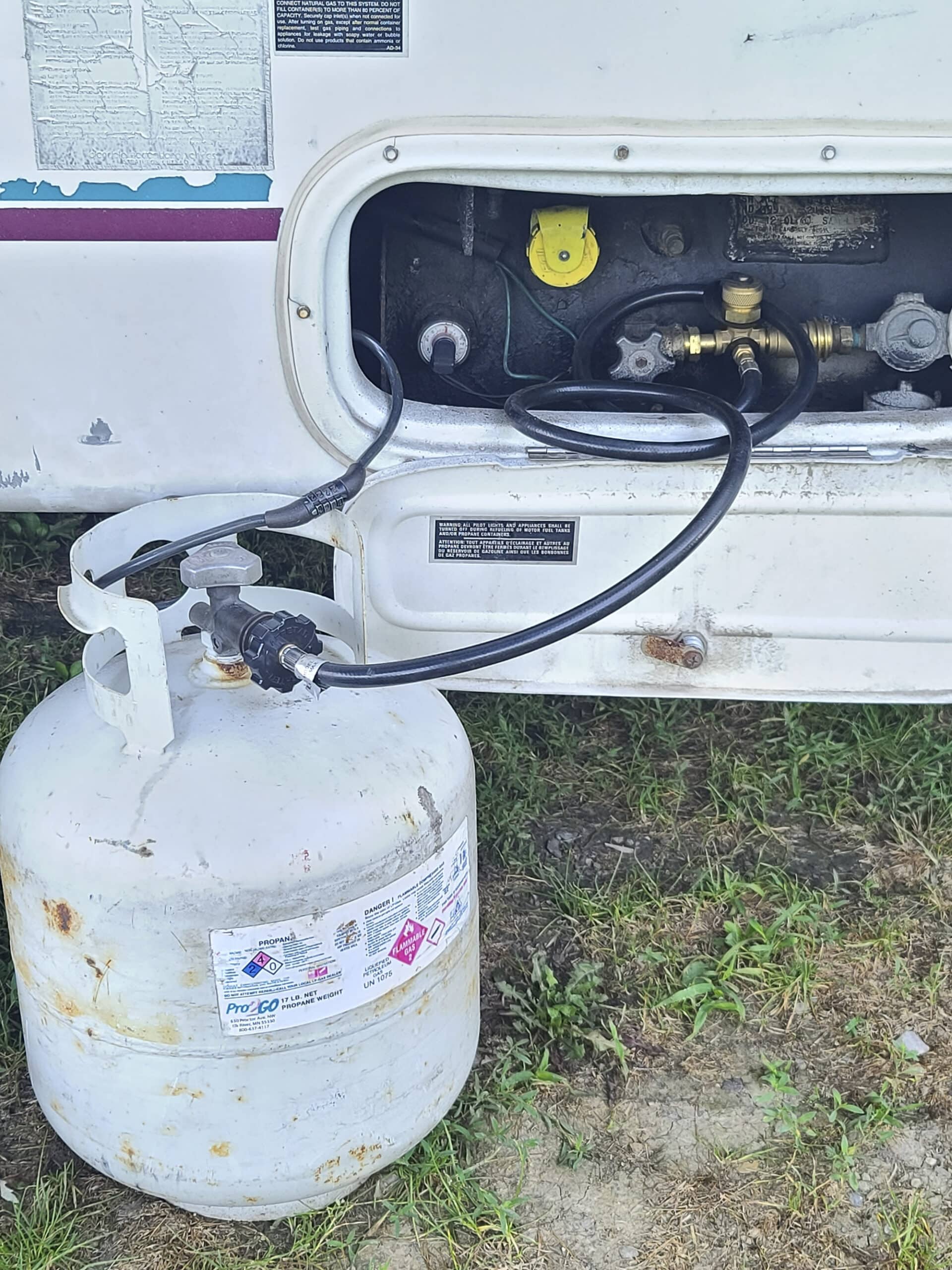
Start by checking the propane tank for damage or rust. Look for dents or cracks on the tank surface. Make sure the tank valve is closed before handling it. Check the expiration date on the tank if visible. A damaged or expired tank should not be used.
Connecting The Fridge To Propane
Attach the propane hose to the fridge’s gas inlet securely. Use the correct hose size and fittings for your fridge model. Tighten the connections by hand, then use a wrench for a snug fit. Avoid over-tightening to prevent damage to the fittings. Ensure the hose is not twisted or pinched.
Testing The Connections
Turn on the propane valve slowly. Apply a soapy water solution to all connections. Look for bubbles, which indicate leaks. If bubbles appear, close the valve and tighten the fittings. Test again until no bubbles show. Leak-free connections keep you safe and your fridge working well.
Credit: www.youtube.com
Lighting The Propane Fridge
Lighting the propane fridge is a key step to keep your food fresh on the road. It powers the fridge without electricity, using propane gas. Understanding how to light it properly ensures safety and efficient cooling.
This guide explains how to light your propane fridge using both manual and automatic methods. It also covers common ignition problems and quick fixes.
Manual Ignition Steps
First, turn off the fridge control knob. Wait for a few seconds to clear any old gas. Then, turn the knob to the “pilot” position.
Press and hold the knob down to release gas to the pilot light. Use a long lighter or match to light the pilot. Keep holding the knob for about 30 seconds after lighting.
Release the knob slowly. The pilot should stay lit. Turn the knob to the “on” position to start cooling.
Using Automatic Ignition
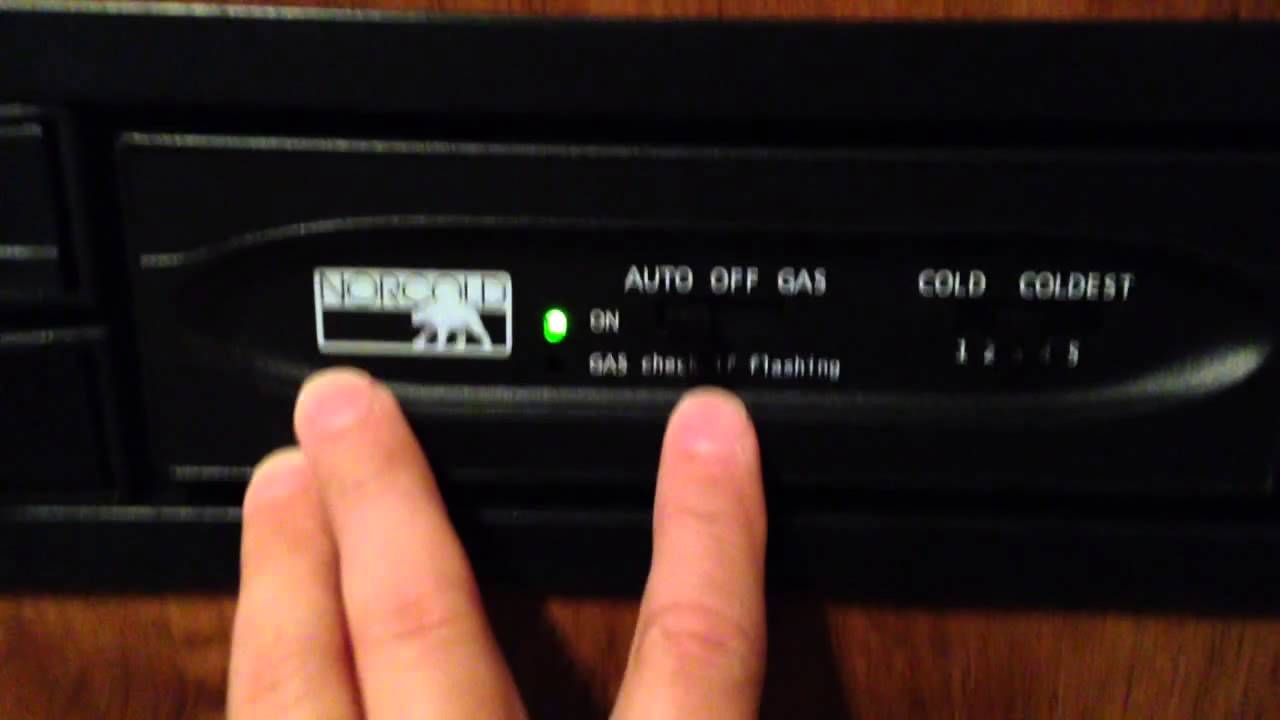
Some RV fridges have an automatic igniter button. Turn the control knob to “pilot.”
Press the igniter button several times until the pilot lights. You might hear a clicking sound. Hold the knob down for 30 seconds after lighting.
Release the knob and turn it to “on.” Check if the fridge is cooling properly.
Troubleshooting Ignition Issues
If the pilot won’t light, check the propane supply. Make sure the tank valve is open and gas is flowing.
Clean the pilot tube with a small brush or compressed air. Dirt can block the gas flow.
Inspect the igniter button or piezo unit for damage. Replace if it doesn’t spark.
Try lighting the pilot again after these steps. If problems persist, contact a professional technician.
Maintaining Your Propane Rv Fridge
Maintaining your propane RV fridge is key to its long life and reliable cooling. Regular care keeps the fridge working well and avoids breakdowns. This section covers simple steps to keep your fridge clean, monitor its temperature, and get it serviced properly.
Regular Cleaning Tips
Clean the fridge inside and out often. Remove all food before cleaning. Use a mild soap and warm water. Avoid harsh chemicals that can damage surfaces. Clean the door seals carefully to keep the fridge airtight. A clean fridge runs better and lasts longer.
Monitoring Temperature
Check the fridge temperature every day. The ideal range is between 35 and 40 degrees Fahrenheit. Use a fridge thermometer for accuracy. Adjust the controls if the fridge feels too warm or too cold. Proper temperature keeps food fresh and safe.
Servicing The Fridge
Have your propane RV fridge serviced once a year. A professional can check for leaks and clean the burner. They also inspect the cooling system and gas lines. Regular service prevents major problems and keeps your fridge efficient.

Credit: www.martinispa.com
Common Problems And Fixes
Running an RV fridge on propane is convenient but can cause some common problems. Knowing these issues helps you fix them fast. This keeps your fridge working well during your trips. Below are frequent problems and simple fixes for your propane RV fridge.
Fridge Not Cooling
A fridge that does not cool can spoil food quickly. Check if the fridge is level. Uneven placement stops proper cooling. Clean the vents and coils from dust. Blocked airflow reduces cooling power. Make sure propane is flowing correctly. Low propane means weak flame and poor cooling.
Pilot Light Issues
The pilot light must stay on for the fridge to work. If it goes out, check for dirt or debris. Clean the pilot light tube with a soft brush. Look at the thermocouple; a broken one stops the flame. Replace the thermocouple if damaged. Always relight the pilot light carefully, following safety rules.
Propane Smell Troubleshooting
Smelling propane is dangerous. First, turn off the propane supply immediately. Check all connections and hoses for leaks using soapy water. Bubbles mean a leak is present. Tighten or replace parts as needed. Never ignore a propane smell. Regular maintenance can prevent leaks and keep you safe.
Frequently Asked Questions
How Do I Connect Propane To My Rv Fridge Safely?
Use a regulator and tight fittings. Check for leaks with soapy water before use.
Can An Rv Fridge Run Only On Propane?
Yes, many RV fridges can run solely on propane for off-grid use.
What Propane Type Is Best For An Rv Fridge?
Use standard 20-pound propane tanks, commonly available and easy to refill.
How Long Does Propane Last In An Rv Fridge?
A full 20-pound tank usually lasts about 8 to 12 hours of cooling.
Why Is My Rv Fridge Not Cooling On Propane?
Check the propane supply, burner, and thermostat for issues or blockages.
Is Propane Safe To Use Inside An Rv Fridge?
Yes, with proper ventilation and regular maintenance, propane use is safe and efficient.
Conclusion
Running an RV fridge on propane is simple and efficient. Always check the propane level before use. Keep the fridge well-ventilated to ensure safety. Regular cleaning helps the fridge work better. Follow the manufacturer’s instructions carefully. This method saves energy and keeps food fresh on the road.
A propane fridge lets you enjoy camping without worry. Try these tips and keep your RV fridge running smoothly.