
Buying your first RV is exciting, but it can also feel a bit overwhelming. You want to enjoy every moment on the road without running into avoidable problems.
What if you had simple tips that could make your RV experience smoother and more fun? You’ll discover easy-to-follow advice designed just for new RV owners like you. Keep reading, and you’ll feel confident, prepared, and ready to hit the road with peace of mind.
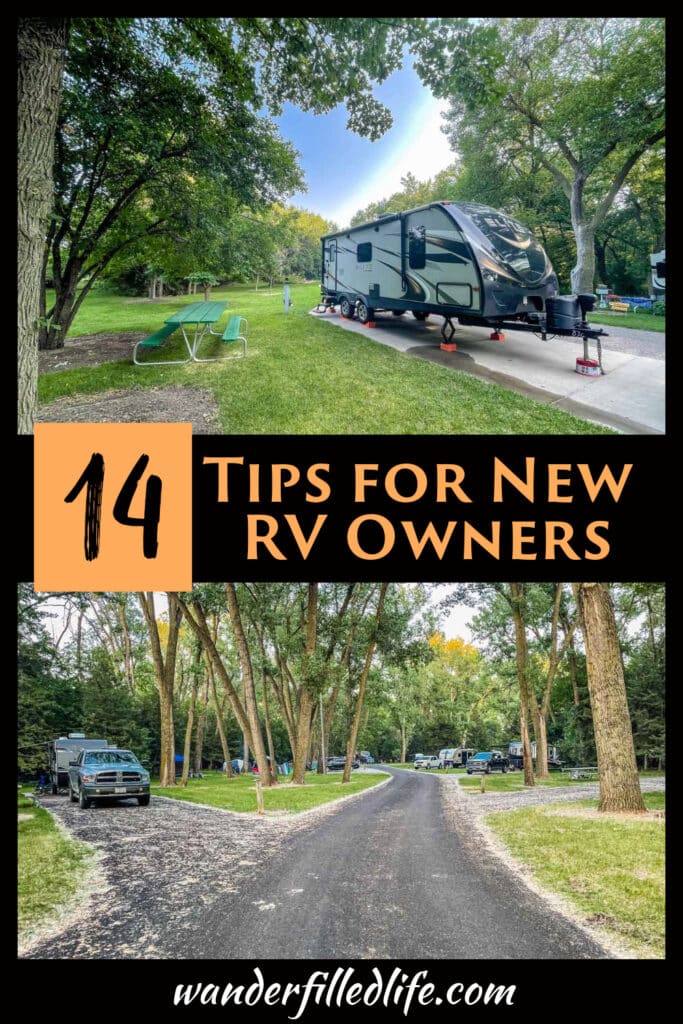
Credit: wanderfilledlife.com
Choosing The Right Rv
Choosing the right RV is the first step to enjoy your new adventure. The perfect RV suits your travel style and needs. It must feel like a home on wheels. Think about how you will use it and who will travel with you. This helps narrow down your choices. Understanding key factors makes the buying process easier and more fun.
Types Of Rvs
There are many types of RVs. Each has unique features and benefits. Travel trailers attach to your car or truck. They offer flexibility and come in many sizes. Motorhomes have their own engine. They range from small vans to large buses. Pop-up campers fold down for easy towing and storage. Choose a type that fits your travel plans and comfort needs.
Size And Layout Considerations
Size matters in an RV. Larger RVs offer more space but can be harder to drive. Smaller models are easier to handle and park. Think about how many people will stay inside. Look for a layout that suits your daily routine. Check the kitchen, bathroom, and sleeping areas. Make sure the space feels comfortable and practical.
Budgeting Tips
Set a clear budget before you start shopping. Include the cost of the RV and extra expenses. Extra costs may include insurance, maintenance, and campsite fees. Consider fuel costs for larger RVs. Buying used can save money but inspect carefully. Plan for repairs and upgrades. A good budget helps avoid surprises and stress.
Packing Smart
Packing smart is key for every new RV owner. The right packing can save space, reduce stress, and make trips more fun. You will carry only what you need and keep your RV neat. Organizing your items well helps you find things fast and enjoy your journey.
Must-have Essentials
Start with basics like bedding, towels, and kitchen tools. Bring a first aid kit and flashlight for safety. Pack clothes for different weather and sturdy shoes. Don’t forget cleaning supplies and extra batteries. Keep important documents in a safe spot.
Space-saving Hacks
Use soft bags instead of hard suitcases. Roll clothes to save room and avoid wrinkles. Stack items vertically in drawers and bins. Use hooks on walls for hanging bags and jackets. Store small items in clear containers to spot them easily.
Organizing Tips
Label boxes and containers for quick access. Group similar items together, like toiletries or cooking gear. Keep daily use items near the door or kitchen. Use drawer dividers to separate utensils and tools. Clean and reorganize after each trip to stay ready.
Driving And Parking
Driving and parking an RV can feel challenging at first. These large vehicles need special attention on the road and at campsites. Learning how to handle your RV safely helps prevent accidents and keeps your trip enjoyable. Parking also requires planning. You must find spots that fit your RV and allow easy access.
Safe Driving Practices
Always drive slower than regular cars. RVs take longer to stop. Keep a bigger distance from other vehicles. Use your mirrors often. Watch for blind spots carefully. Signal your turns early. Avoid sudden moves. Pay attention to road signs made for large vehicles. Take breaks to avoid tiredness.
Handling Large Vehicles
Practice driving in open spaces before hitting busy roads. Learn how your RV turns and brakes. Use both hands on the wheel. Know your height and width to avoid low bridges or narrow streets. Use a spotter when backing up. Be patient with yourself as you learn.
Finding The Best Campsites
Choose campsites that have spaces for big RVs. Check the site’s reviews for parking ease. Look for flat, firm ground to park safely. Avoid tight spots with many obstacles. Call ahead to confirm space availability. Use apps or websites that list RV-friendly sites.
Maintaining Your Rv
Maintaining your RV keeps it running smoothly and extends its life. Regular care helps avoid costly repairs and keeps your trips safe. Simple habits make a big difference in your RV’s condition.
Regular Checkups
Check your RV often to catch small problems early. Inspect tires for wear and proper air pressure. Test brakes and lights before every trip. Look at the roof and seals for leaks. Change oil and fluids on schedule. Regular checkups save money and stress later.
Preventing Common Issues
Keep moisture out to avoid mold and rust. Use covers to protect from sun damage. Drain water tanks in cold weather to stop freezing. Check batteries and electrical systems regularly. Tighten loose screws and bolts. Preventing problems keeps your RV ready for the road.
Cleaning Tips
Wash your RV after every trip to remove dirt and grime. Clean the roof gently to avoid damage. Use mild soap and soft cloths inside and outside. Empty waste tanks at approved sites. Clean windows for better visibility. A clean RV feels fresh and lasts longer.
Managing Utilities
Managing utilities in an RV is key to a smooth travel experience. Understanding how to handle water, power, and temperature control helps you stay comfortable and avoid problems. Small habits make a big difference in conserving resources and keeping systems working well.
Water And Waste Systems
Keep fresh water clean by filling tanks at trusted sources. Regularly check for leaks and cracks in hoses. Use water wisely to avoid running out quickly. Empty waste tanks at designated dump stations to prevent odors. Clean tanks often to stop buildup and bacteria. Carry basic tools to fix small leaks or clogs on the road.
Power Management
Monitor your battery levels to avoid sudden power loss. Turn off unused devices to save energy. Use LED lights for lower electricity use. Charge batteries fully before leaving a power spot. Consider solar panels for extra power on long trips. Keep a portable generator as a backup in remote areas.
Heating And Cooling
Use the RV’s thermostat to maintain a comfortable temperature. Close windows and vents during extreme weather to keep heat or cool air inside. Use fans to circulate air efficiently. Dress in layers to adjust to temperature changes. Service your heater and air conditioner regularly for best performance. Use window shades to block sunlight and reduce heat inside.
Staying Connected
Staying connected is vital for new RV owners. It helps you stay safe, informed, and entertained. Reliable communication makes your travels smoother. It keeps you in touch with family and friends. It also provides access to important information on the road.
Internet Options
Choose the right internet option for your RV. Mobile hotspots work well in many areas. They provide fast internet using cellular networks. Satellite internet covers remote places where cell signals are weak. Public Wi-Fi is available at campgrounds and cafes. Always have a backup plan for internet access.
Navigation Tools
Use GPS devices or smartphone apps for navigation. They help you find the best routes and avoid traffic. Offline maps work without internet, good for remote areas. Update your maps regularly for accurate directions. Carry a paper map as a backup in case electronics fail.
Emergency Communication
Emergency communication devices are crucial for safety. Cell phones work in most areas but can lose signal. Consider a satellite phone for remote locations. Personal locator beacons can send SOS signals to rescuers. Keep emergency numbers saved and share your location with trusted contacts.
Safety And Security
Safety and security are crucial for new RV owners. Protecting yourself and your vehicle ensures a smooth adventure. Taking simple safety steps reduces risks during travel and stays.
Keep your RV secure. Prepare for emergencies. Stay alert to fire dangers. These actions build confidence and peace of mind.
Locking And Alarm Systems
Strong locks keep your RV safe from theft. Use deadbolt locks on doors and windows. Install an alarm system for extra protection. Choose alarms that notify you on your phone. Lock your RV even when parked in trusted places. Simple habits prevent many security problems.
Fire Safety
Fires spread fast inside an RV. Install smoke and carbon monoxide detectors. Test them monthly to ensure they work well. Keep a fire extinguisher in the kitchen area. Learn how to use it before traveling. Avoid leaving cooking unattended. These steps help avoid dangerous fires.
Roadside Emergency Kit
Breakdowns happen. A roadside emergency kit is a must-have. Include jumper cables, tire repair tools, and a flashlight. Add reflective triangles or flares for visibility. Carry basic first aid supplies for injuries. Check and update your kit regularly. Preparedness saves time and stress on the road.

Credit: www.youtube.com
Credit: leisurevans.com
Frequently Asked Questions
What Essential Gear Should New Rv Owners Always Carry?
Carry basic tools, spare fuses, water hoses, leveling blocks, and a first-aid kit for safety and convenience.
How Can Beginners Maintain Their Rv’s Plumbing System?
Regularly check for leaks, clean tanks, and use RV-safe chemicals to keep plumbing working well.
What’s The Best Way To Learn Rv Driving And Parking?
Practice in open spaces, use mirrors carefully, and take it slow to build confidence and skill.
How Do New Rv Owners Save Energy On The Road?
Turn off lights and appliances when not in use, and use solar panels if possible.
What Safety Checks Should Be Done Before Each Rv Trip?
Inspect tires, brakes, lights, and secure all doors and windows before hitting the road.
How Can New Rv Owners Manage Waste Disposal Properly?
Use designated dump stations and follow local rules to empty and clean waste tanks safely.
Conclusion
Owning an RV brings many joys and challenges. Keep safety and maintenance a top priority. Plan your trips carefully to avoid stress. Learn from each journey to improve your experience. Enjoy the freedom and comfort your RV offers. Stay patient as you get used to new routines.
Remember, every trip helps you become more confident. Happy travels and safe adventures lie ahead!