
Planning an RV trip can be exciting, but your safety should always come first. Imagine being miles away from help because you forgot a crucial safety step.
That’s why having a solid RV trip safety checklist is a must. This checklist will guide you through everything you need to prepare, so you can enjoy your adventure with peace of mind. Keep reading to discover the simple yet essential safety tips that will protect you and your loved ones on the road.
Pre-trip Vehicle Inspection
Before starting your RV trip, a thorough vehicle inspection is essential. It helps prevent breakdowns and keeps everyone safe. This check saves time and stress on the road. Spend some time examining key parts of your RV.
Check Tires And Pressure
Tires carry the full weight of your RV. Look for cracks, cuts, or worn tread. Ensure the tire pressure matches the manufacturer’s recommendation. Use a reliable pressure gauge for accuracy. Proper tire pressure improves fuel efficiency and handling.
Inspect Brakes And Lights
Brakes must respond well to stop safely. Listen for unusual sounds when braking. Check brake pads and fluid levels. Test all lights, including brake, signal, and headlights. Proper lighting ensures visibility, especially at night or in bad weather.
Verify Fluid Levels
Fluids keep the engine and systems running smoothly. Check engine oil, coolant, brake fluid, and transmission fluid. Top up any low fluids before the trip. Clean and replace fluids regularly for better performance. This step reduces the risk of engine trouble.
Essential Safety Gear
Essential safety gear is a must for every RV trip. It keeps you ready for surprises on the road. Having the right tools helps protect you and your loved ones. Safety gear also makes your trip less stressful. Pack these items before you hit the road.
First Aid Kit
A first aid kit treats minor cuts and bruises fast. It should include bandages, antiseptic wipes, and pain relievers. Add tweezers, scissors, and allergy medicine too. Keep the kit easy to reach in your RV. Check supplies before each trip to ensure freshness.
Fire Extinguisher
Fire extinguishers stop small fires quickly. Choose one rated for all types of fires. Mount it near the kitchen or sleeping area for quick access. Know how to use it before you travel. Regularly check the pressure gauge and replace if needed.
Emergency Roadside Kit
An emergency roadside kit helps during vehicle breakdowns. It should contain jumper cables, reflective triangles, and a flashlight. Add basic tools and a tire pressure gauge. Keep warm blankets and gloves for cold weather. Store the kit where you can reach it easily.
Safe Driving Practices
Safe driving is the key to enjoying your RV trip without problems. Following good driving habits keeps you and others safe on the road. It also helps protect your vehicle from damage during the journey.
Focus on clear plans and steady driving. Stay alert and avoid rushing. These steps reduce risks and make your trip smooth and fun.
Plan Your Route
Know your path before you start driving. Use maps or GPS to pick the best roads. Check for rest stops and fuel stations along the way. Planning helps avoid surprises and keeps you calm.
Observe Speed Limits
Drive within posted speed limits at all times. Speeding can cause accidents and fines. Slower speeds allow better control, especially on winding or narrow roads. Stay patient, and arrive safely.
Avoid Driver Fatigue
Stop and rest if you feel tired. Driving while sleepy is dangerous. Take breaks every two hours or switch drivers if possible. Fresh drivers react faster and reduce crash risks.
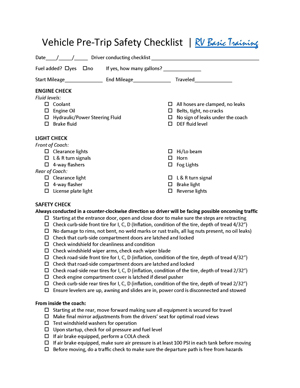
Credit: rvbasictraining.com
Onboard Safety Measures
Safety inside your RV matters a lot during any trip. Staying safe helps avoid accidents and keeps everyone calm. Onboard safety means checking things inside the RV before and during the ride. It also means making sure passengers follow rules for their own good. Below are important tips to keep your RV ride safe and smooth.
Secure Loose Items
Loose items can become dangerous during travel. They may fly around when the RV moves or stops suddenly. Use straps, nets, or storage bins to keep things in place. Secure heavy objects at the bottom shelves or under seats. This reduces the risk of injury and damage inside the RV.
Use Seatbelts Properly
Seatbelts save lives during sudden stops or crashes. All passengers must wear seatbelts at all times. Check that seatbelts are not twisted and fit well. Kids and adults should stay seated while the RV is moving. Never allow passengers to ride in unsafe areas like the kitchen or bathroom.
Child Safety Considerations
Children need extra care inside the RV. Use car seats or booster seats suited for their age and size. Lock cabinets and drawers with childproof latches to avoid accidents. Teach kids to stay seated and keep their hands clear from moving parts. Keep sharp and hot items out of reach at all times.
Weather And Road Conditions
Weather and road conditions play a big role in RV trip safety. Changes in weather can affect driving and camping plans. Checking conditions helps avoid risks and delays. Staying aware keeps the trip smooth and safe.
Monitor Weather Updates
Check the weather forecast before and during your trip. Use reliable sources like weather apps or news websites. Watch for storms, heavy rain, snow, or strong winds. Knowing the forecast helps you plan rest stops and routes. It also prepares you for sudden changes in weather.
Prepare For Adverse Conditions
Pack supplies for bad weather like rain gear and warm clothes. Keep a flashlight, extra batteries, and blankets handy. Slow down and drive carefully on wet or icy roads. Avoid risky areas prone to flooding or landslides. Always have a plan to find shelter if conditions worsen.
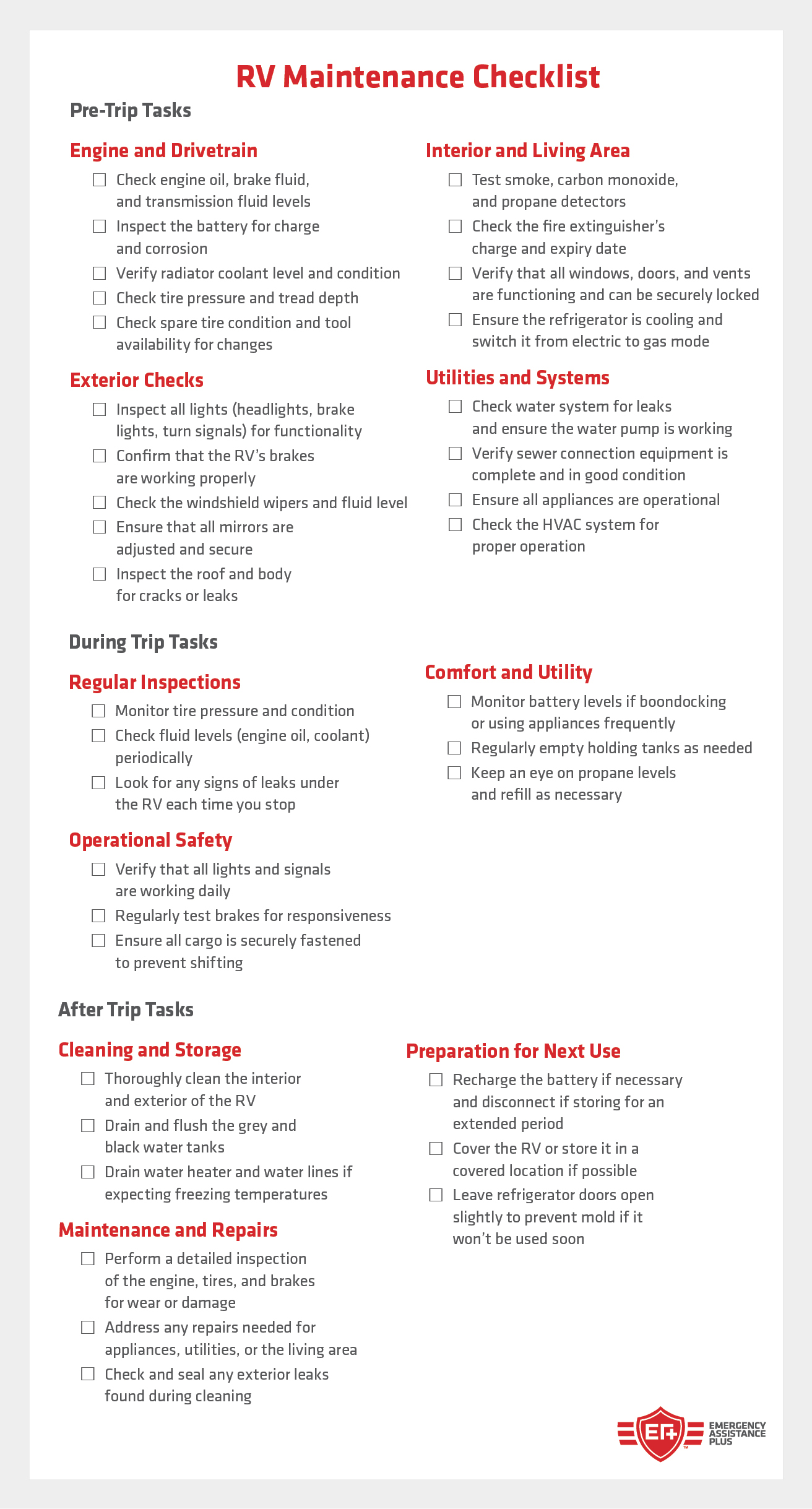
Credit: www.emergencyassistanceplus.com
Campground Safety Tips
Camping in an RV brings fun and freedom. Staying safe at the campground is very important. Small steps help avoid many problems. Follow these simple tips to keep your trip safe and enjoyable.
Select Safe Campsites
Pick a campsite with good lighting and clear paths. Check the ground for rocks, roots, or holes. Avoid low areas that might flood after rain. Make sure your spot is far from busy roads. Stay close to park staff or ranger stations for help. Choose sites with clear fire boundaries to prevent wildfires. Look for places with easy access to water and restrooms.
Handle Propane And Generators Safely
Always check propane tanks for leaks before use. Keep propane tanks outside and away from flames. Turn off propane when not in use to prevent accidents. Run generators outside your RV to avoid carbon monoxide. Keep generators on flat, stable ground to stop tipping. Use heavy-duty cords and do not overload them. Regularly inspect cords for damage or wear. Store fuel in approved containers far from your RV.
Emergency Preparedness
Emergency preparedness is key for a safe RV trip. It helps protect you and your loved ones from surprises. Being ready means having clear plans and tools to manage any crisis. This section covers important steps to stay prepared on the road.
Have A Communication Plan
Plan how to talk with family or friends during an emergency. Choose a meeting spot if you get separated. Carry a fully charged phone and a backup charger. Let someone know your travel route and schedule. Regular check-ins keep everyone informed and safe.
Know Emergency Contacts
Keep a list of important phone numbers handy. Include local police, fire department, and medical centers near your route. Add roadside assistance and your RV rental company contacts. Save these numbers in your phone and on paper. Quick access to contacts speeds up help.
Backup Power Options
Power outages can happen anytime on the road. Carry a portable power bank for charging small devices. Consider a generator for longer power needs. Solar panels are a quiet, eco-friendly option. Backup power keeps your lights on and devices working.
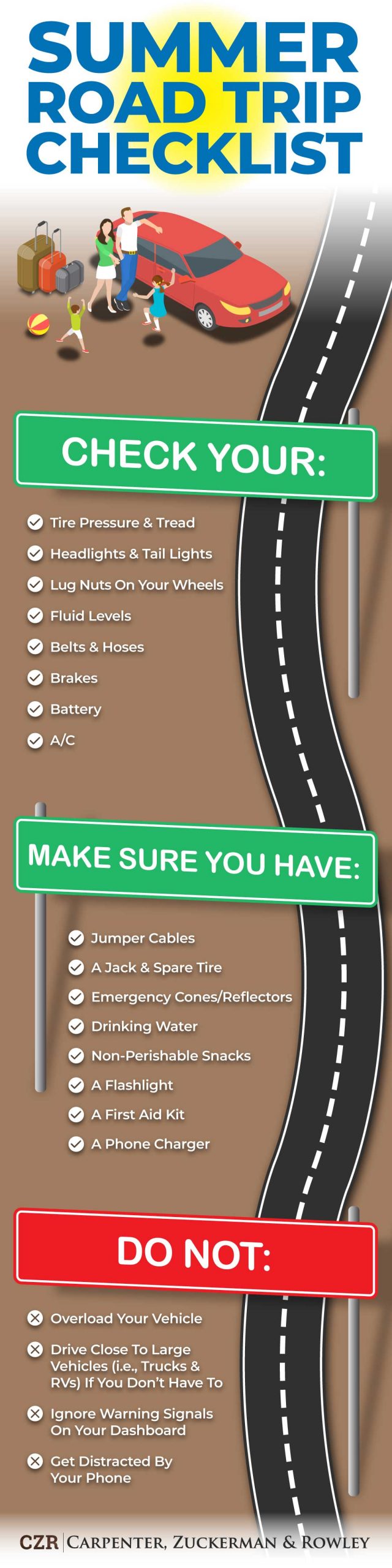
Credit: www.cz.law
Frequently Asked Questions
What Are The Essential Safety Checks Before An Rv Trip?
Check brakes, tires, lights, fluid levels, and propane tanks for safe travel.
How To Prepare An Emergency Kit For An Rv Trip?
Include first-aid, flashlight, batteries, tools, water, and non-perishable food items.
Why Is Tire Maintenance Important For Rv Safety?
Proper tire pressure and tread prevent blowouts and improve vehicle control.
How To Ensure Electrical Safety Inside An Rv?
Test outlets, check wiring, and avoid overloading circuits to prevent fires.
What Should I Know About Driving An Rv Safely?
Drive slower, keep safe distance, and use mirrors for wide turns and lane changes.
How To Stay Safe During Bad Weather In An Rv?
Monitor weather updates, park in safe spots, and avoid flooded or unstable roads.
Conclusion
Safety makes every RV trip more fun and stress-free. Check your vehicle, pack smart, and plan your route well. Always keep emergency contacts and first aid ready. Stay alert while driving and follow road rules closely. Enjoy the journey with peace of mind and confidence.
A simple checklist helps you avoid many problems. Safe travels create great memories for everyone on board. Keep safety as your top priority on every trip.