
Thinking about RV living but worried about the costs? You’re not alone.
Managing your budget on the road can feel tricky, but it doesn’t have to be. Imagine saving money without giving up the freedom and fun of life on wheels. In this post, you’ll discover simple, practical tips to stretch your dollars further while enjoying every mile.
Keep reading to learn how you can make RV living affordable and stress-free. Your adventure starts here—without breaking the bank.
Planning Your Rv Budget
Planning your RV budget is key to enjoying life on the road without stress. It helps you know how much money you need before and after buying your RV. A clear budget keeps your finances safe and your travels fun. This guide breaks down the main costs and shows you how to save smartly.
Estimating Initial Costs
Start by listing all the upfront costs. This includes the price of the RV itself. Don’t forget taxes, registration fees, and insurance. You might also need to buy equipment like leveling blocks or a towing setup. Repairs and upgrades can add to your initial spending. Knowing these costs helps you prepare well.
Monthly Expense Breakdown
Next, look at your regular monthly expenses. Fuel is often the biggest cost on the road. Plan for campground fees or parking costs too. Utilities such as propane, water, and electricity add up. Maintenance and repairs happen too, so include a small fund for them. Food and internet access are part of your living costs.
Setting Realistic Savings Goals
Set clear goals for saving money before hitting the road. Decide how much you need for both initial and monthly expenses. Break your target into smaller, monthly savings amounts. Track your progress regularly to stay on course. This helps avoid surprises and keeps your RV lifestyle steady.

Credit: rvinsurances.com
Cutting Fuel Expenses
Fuel costs take a large part of any RV budget. Cutting these expenses helps you travel longer and save money. Smart planning and good habits reduce fuel use without losing comfort or fun.
Choosing Fuel-efficient Routes
Pick routes with less traffic and fewer stops. Use apps that show the best roads for saving fuel. Avoid hilly roads that make your RV work harder. Flat highways let your engine run smoothly and use less gas.
Plan trips during non-rush hours. This lowers idling time and saves fuel. Shorter routes also keep gas costs low. Take time to find the easiest paths before you start driving.
Maintaining Optimal Vehicle Performance
Keep your RV tuned and checked often. Clean air filters help the engine breathe well. Proper tire pressure cuts rolling resistance. This means your RV uses less fuel to move.
Use the right motor oil for your RV. Change oil and filters on time. Well-maintained engines run better and burn fuel more efficiently. Avoid carrying extra weight that wastes gas.
Using Fuel Rewards And Discounts
Sign up for fuel reward programs at gas stations. These programs give discounts or points on each purchase. Use apps to find the cheapest gas near you. Pay with cards that offer cashback on fuel.
Look for memberships that offer fuel deals. Every small saving adds up over long trips. Keep track of offers and use them smartly. These steps lower your overall fuel spending.
Affordable Camping Options
Traveling and living in an RV can be affordable with smart camping choices. Finding cheap places to stay lowers your overall costs. You can enjoy nature without spending a lot of money. Several options exist to keep your camping budget low.
Free And Low-cost Campsites
Many public lands offer free camping spots. National forests and Bureau of Land Management areas are great examples. These places usually have no fees and basic facilities. State parks often charge a small fee for camping. These low-cost sites help save money while enjoying the outdoors.
Membership Programs For Discounts
Joining camping clubs can lead to discounts on sites. Programs like Good Sam Club or Passport America offer reduced rates. Membership fees are low compared to the savings you get. Members often receive other perks like roadside assistance or insurance. These programs make frequent camping more affordable.
Boondocking Tips
Boondocking means camping without hookups or services. It often happens on public lands or private property. Carry enough water, power, and supplies to stay safe. Use solar panels or generators for electricity. Boondocking cuts costs by avoiding campground fees. Planning ahead ensures a comfortable and cheap stay.

Credit: ca.bougerv.com
Smart Food And Meal Planning
Smart food and meal planning saves money and reduces waste on the road. RV living means limited space and resources. Planning meals carefully helps keep your budget low and your meals enjoyable. Simple strategies make cooking easier and less expensive.
Stocking Up On Essentials
Keep a list of staple foods that last long. Rice, pasta, canned beans, and vegetables are good choices. Buy in bulk to save money and reduce trips to the store. Store items in airtight containers to keep food fresh. Fresh fruits and vegetables can be bought weekly. This way, you avoid spoilage and save cash.
Cooking Vs. Dining Out
Cooking your own meals costs less than eating out. RV kitchens may be small but can handle simple recipes. Make soups, stews, or stir-fries that use few ingredients. Dining out often adds up quickly and cuts into your budget. Cooking also gives control over ingredients and portion size. A hot meal after a day of travel feels great too.
Using Portable Cooking Appliances
Portable stoves, slow cookers, and electric griddles fit well in RV kitchens. These appliances use little power and cook meals fast. A slow cooker can prepare meals while you relax or drive. Portable grills work well for outdoor cooking. Choose appliances that are compact and easy to clean. They help you enjoy fresh, homemade food without much hassle.
Managing Utilities And Maintenance
Managing utilities and maintenance is key to keeping your RV living budget low. Utilities like water and electricity can add up fast. Regular maintenance avoids costly repairs. A little effort saves money and stress. Understanding how to control these costs helps you enjoy RV life more.
Saving On Water And Electricity
Use water carefully. Fix leaks quickly. Take shorter showers. Use a water-saving showerhead. Turn off faucets tightly. Collect rainwater for washing. Use energy-efficient LED lights. Turn off lights when not needed. Unplug devices that drain power. Use solar panels if possible. These steps lower bills and save resources.
Diy Repairs And Upkeep
Learn basic RV repairs. Check online tutorials for help. Fix small problems before they grow. Keep essential tools handy. Replace worn-out parts yourself. Clean filters regularly. Lubricate moving parts. Tighten loose screws and bolts. Simple repairs reduce mechanic visits. Save money and gain confidence with DIY.
Seasonal Maintenance Tips
Prepare your RV for each season. Drain water tanks before winter. Check heating and cooling systems. Inspect roof and seals for cracks. Clean gutters and vents. Test batteries and electrical systems. Store your RV properly if not in use. Regular checks prevent damage. Stay safe and keep your RV in good shape.
Entertainment And Connectivity Savings
Living in an RV means finding smart ways to save money on fun and staying connected. Entertainment and internet access are key parts of daily life. They keep you happy and in touch without spending too much.
Simple strategies help cut costs on internet and activities. These savings add up and make RV living easier and more enjoyable.
Low-cost Internet Solutions
Reliable internet is important for work, streaming, and communication. Many RVers use mobile hotspots with data plans. These plans often cost less than home internet.
Public Wi-Fi spots also offer free internet in many areas. Some campgrounds provide Wi-Fi included in the fee. Choosing the right option can save a lot monthly.
Budget-friendly Activities
Fun does not need to be expensive. Hiking, biking, and exploring nature cost little or nothing. Many parks have free or low-cost entry.
Local events and festivals often welcome visitors for free. Reading books or watching downloaded movies on a tablet is another cheap option. Simple activities keep boredom away without spending much.
Utilizing Public Resources
Libraries are great for free internet and entertainment. Many have books, movies, and computers available. They also host free classes and events.
Community centers sometimes offer free or low-cost activities. Using these resources helps stay connected and entertained without extra costs. They support a balanced and budget-friendly RV lifestyle.
Tracking And Adjusting Your Budget
Tracking and adjusting your RV living budget keeps your finances healthy. It helps avoid surprises and keeps you on the right path. Regular checks show where money goes and where to save. Small changes can make a big difference over time.
Using Budgeting Apps
Budgeting apps make tracking expenses easy and fast. They show spending in real time and send alerts for overspending. Many apps allow you to set limits for each category. Using these tools helps keep your budget clear and organized.
Regular Expense Reviews
Review expenses weekly or monthly to stay updated. Check receipts and bills to catch errors or extra charges. Compare actual spending to your budget to find gaps. These reviews help spot trends and avoid overspending early.
Adjusting Spending Habits
Cut non-essential costs to save money quickly. Choose cheaper options for groceries and fuel. Limit eating out and entertainment expenses. Adjust habits slowly to avoid stress and keep your budget balanced.
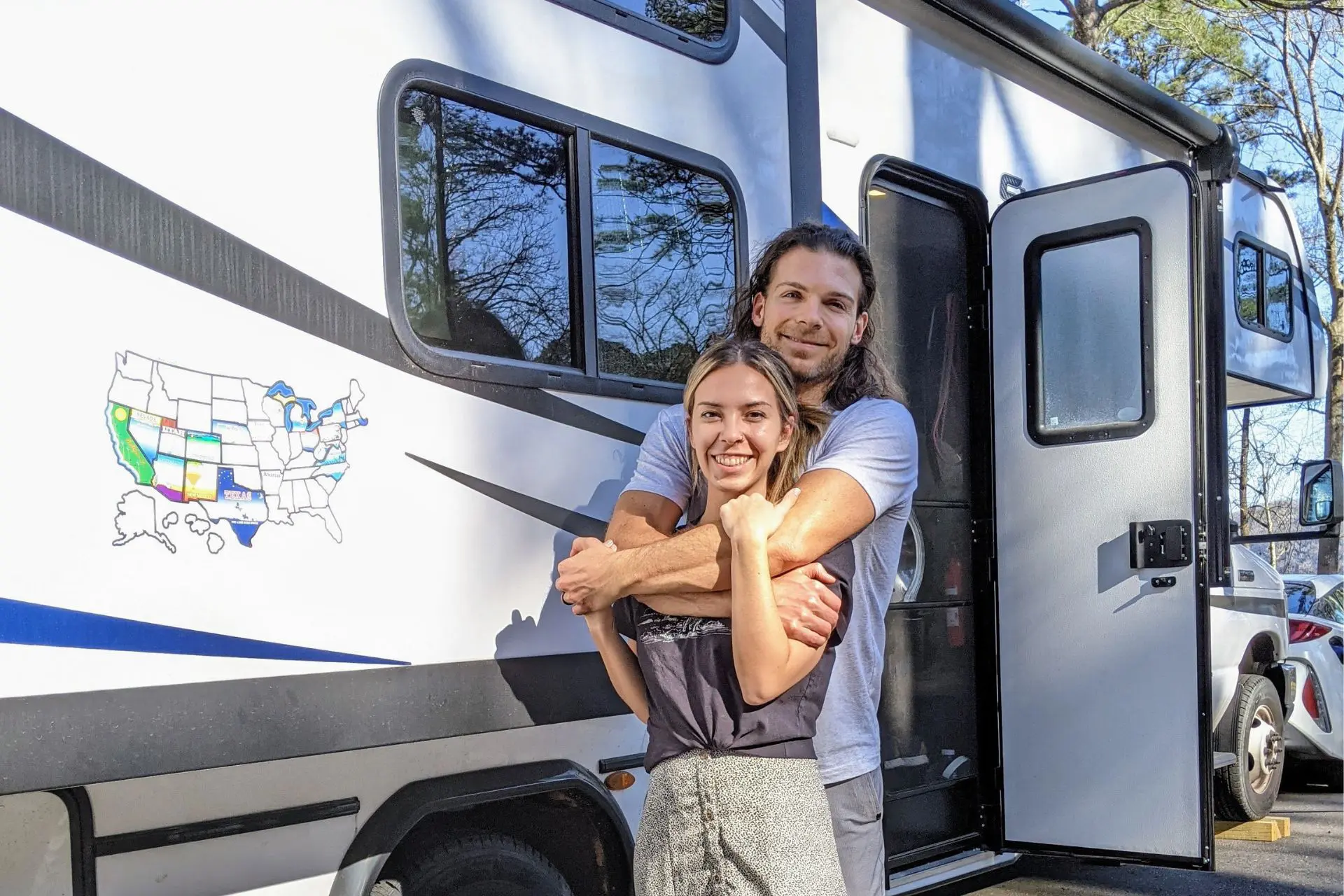
Credit: www.cinderstravels.com
Frequently Asked Questions
What Is The Average Monthly Cost Of Rv Living?
The average monthly cost ranges from $1,000 to $2,500, depending on lifestyle and travel habits.
How Can I Save Money While Living In An Rv?
Cook meals, avoid expensive campgrounds, use free parking spots, and limit utility use to save money.
What Are The Biggest Expenses In Rv Living?
Fuel, campground fees, maintenance, and groceries are usually the largest costs for RV living.
How Much Should I Budget For Rv Maintenance?
Set aside at least $50 to $100 per month for regular repairs and upkeep.
Can Rv Living Be Affordable On A Tight Budget?
Yes, with careful planning, avoiding unnecessary expenses, and choosing free or low-cost spots.
Is It Cheaper To Live Full-time In An Rv Or A House?
Living in an RV can be cheaper due to lower utility bills and no property taxes.
Conclusion
Living on an RV budget takes planning and smart choices. Track your expenses to avoid surprises. Save money by cooking meals instead of eating out. Use free or low-cost campsites when possible. Keep your RV well-maintained to prevent costly repairs.
Small changes can add up to big savings over time. Enjoy the freedom of the road without overspending. Budgeting helps you relax and focus on the journey. Your adventure is better when your money lasts longer.