
Is your dishwasher not draining properly? If you’re staring at standing water at the bottom of your dishwasher, you’re not alone—and it can be frustrating.
You rely on your dishwasher to clean your dishes quickly and easily, but when it won’t drain, everything feels like a hassle. Don’t worry; this problem is often easier to fix than you think. Keep reading to discover simple steps you can take right now to get your dishwasher draining smoothly again and avoid costly repairs.
Credit: www.youtube.com
Common Causes Of Drainage Issues
Dishwasher drainage problems happen often and stop the machine from working well. Knowing the usual causes helps fix the issue fast. Some parts get blocked or break, causing water to stay inside the dishwasher. This keeps dishes wet and dirty.
Here are the common reasons why your dishwasher might not drain properly.
Clogged Drain Filter
The drain filter catches food bits during washing. Over time, it fills with debris. A clogged filter stops water from flowing out. Cleaning the filter regularly keeps water moving and the dishwasher working well.
Blocked Drain Hose
The drain hose carries water from the dishwasher to the sink drain. Sometimes, it bends or fills with dirt. This block stops water from leaving the dishwasher. Straightening or cleaning the hose solves this problem quickly.
Faulty Drain Pump
The drain pump pushes dirty water out of the dishwasher. If the pump breaks, water stays inside. Strange noises or no water flow can mean a bad pump. Replacing the pump may be needed to fix drainage.
Garbage Disposal Connection Problems
Many dishwashers connect to a garbage disposal. If the disposal is clogged or not installed right, water can’t drain well. Checking the disposal and its connection helps clear blockages and restore flow.
Credit: www.bobvila.com
Step-by-step Troubleshooting
When your dishwasher is not draining, it can cause water to pool at the bottom. This issue stops your dishes from getting clean. Troubleshooting step-by-step helps find the cause. Follow these simple steps to check common problems. Fixing the problem can be easy and quick.
Checking And Cleaning The Filter
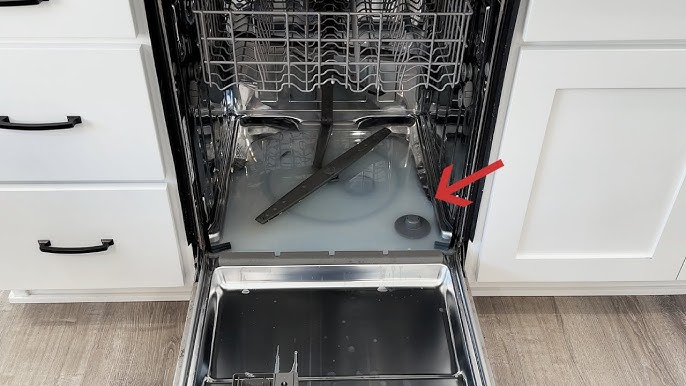
Start by removing the dishwasher’s filter. It is usually at the bottom inside the tub. Dirt and food particles can block it. Rinse the filter under running water. Use a soft brush to remove stuck debris. Clean filters improve drainage and dishwasher performance.
Inspecting The Drain Hose
Next, check the drain hose connected to the dishwasher. Look for kinks, bends, or clogs. Disconnect the hose carefully and use a long brush or water to clear blockages. Make sure the hose is properly attached and not damaged. A clear hose allows water to flow out freely.
Testing The Drain Pump
The drain pump moves water out of the dishwasher. Listen for strange noises during the drain cycle. If silent or loud grinding sounds occur, the pump may be faulty. Remove debris from the pump area if accessible. A damaged pump needs professional replacement to restore function.
Examining The Garbage Disposal
Check if your dishwasher drains into a garbage disposal. Sometimes, the disposal’s plug blocks water flow. Remove the plug if the disposal is new. Run the disposal to clear clogs. A clear disposal helps the dishwasher drain properly.
Quick Fixes You Can Try
Dishwasher not draining can stop your kitchen routine. Some quick fixes can save time and effort. These easy steps may clear common blockages and restore proper drainage. Try these simple methods before calling a repair service.
Using A Plunger
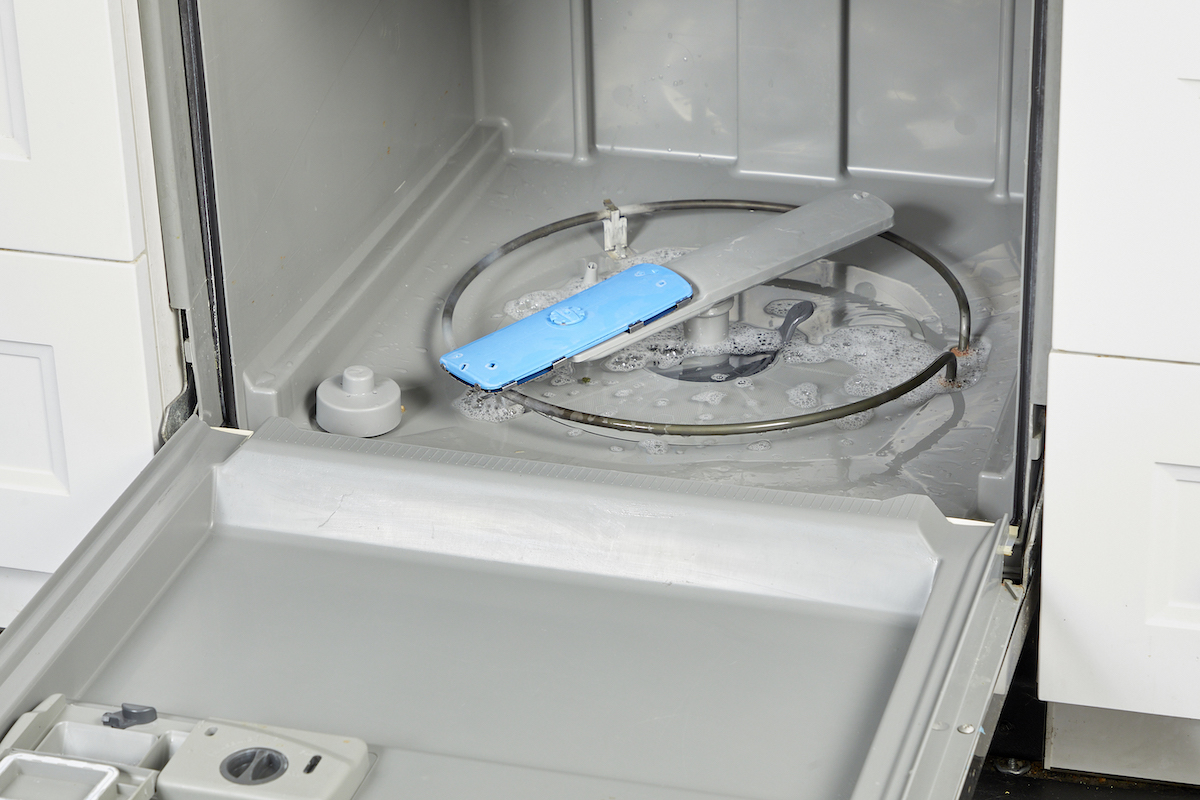
A plunger can help clear minor clogs in the dishwasher drain. Fill the dishwasher with a small amount of water. Place the plunger over the drain opening. Push and pull the plunger firmly several times. This pressure may loosen the blockage and allow water to drain.
Flushing With Hot Water And Vinegar
Hot water and vinegar can dissolve grease and debris. Pour one cup of vinegar into the dishwasher bottom. Run a short cycle with hot water only. The vinegar cleans buildup inside pipes and filters. This simple flush can improve drainage and freshen the dishwasher.
Resetting The Dishwasher
Resetting the dishwasher can fix minor electrical glitches. Turn off the dishwasher power at the circuit breaker. Wait for five minutes to clear the system. Turn the power back on and start a new cycle. This reset may restore normal drainage function.
Clearing Air Gap Blockages
The air gap prevents dirty water from flowing back into the dishwasher. Check the air gap cap on your sink or countertop. Remove the cap and clean any debris inside. Use a brush or cloth to clear blockages. Reinstall the cap and test the dishwasher drainage.
:max_bytes(150000):strip_icc()/what-to-do-dishwasher-not-draining-2718653-hero-a5d6c43cd95442f98999ac1ec1010b6f.jpg)
Credit: www.thespruce.com
When To Call A Professional
Knowing when to call a professional for a dishwasher that is not draining saves time and stress. Some problems need expert tools and skills to fix. Trying to repair complex issues alone can cause more damage or safety risks.
Recognize signs that the problem is beyond basic cleaning or simple checks. A professional can diagnose the root cause and offer a safe, lasting solution.
Persistent Drainage Problems
If the dishwasher keeps failing to drain after cleaning the filter and drain hose, it signals a deeper issue. Persistent drainage problems often mean blockages inside the pump or drain system. Professionals use special tools to clear or repair these areas safely and effectively.
Electrical Or Mechanical Issues
Strange noises, no power, or the dishwasher stopping mid-cycle may point to electrical or mechanical faults. These problems require knowledge of wiring, motors, and control panels. An expert can inspect and fix these issues without risking electric shock or further damage.
Replacing Faulty Parts
Worn-out or broken parts like the drain pump, float switch, or valve cause drainage failures. Professionals know how to identify and replace these components correctly. Using the right parts ensures the dishwasher works well and lasts longer.
Preventing Future Drainage Problems
Preventing future drainage problems in your dishwasher saves time and money. Simple daily habits keep your appliance running smoothly. Small actions stop clogs and drainage issues before they start.
Regular Cleaning Habits
Clean your dishwasher filter every week. Remove food particles and debris from the filter. Wipe down the door seals to prevent mold. Run a cleaning cycle with dishwasher cleaner monthly. These steps keep drains clear and parts working well.
Avoiding Food Debris Build-up
Scrape plates before loading them. Avoid putting large food pieces in the dishwasher. Use the garbage disposal to clear the sink drain often. Prevent food bits from entering the dishwasher drain. This reduces the chance of blockages and odors.
Proper Loading Techniques
Do not overload the dishwasher racks. Place dishes so water reaches all surfaces. Avoid blocking the spray arms with large items. Keep drains and filters free from large debris. Proper loading helps water flow and drainage.
Routine Maintenance Tips
Check hoses and connections for leaks or damage. Tighten loose parts to stop water leaks. Schedule a professional check-up every year. Replace worn or broken parts quickly. Regular maintenance keeps the dishwasher draining well and lasting longer.
Frequently Asked Questions
Why Is My Dishwasher Not Draining Water Properly?
A clogged filter or drain hose usually blocks water from draining out of the dishwasher.
How Can I Fix A Dishwasher That Won’t Drain?
Check and clean the drain filter, remove blockages from the drain hose, and inspect the pump.
Can A Broken Drain Pump Cause Dishwasher Drainage Issues?
Yes, a faulty drain pump can stop water from draining in your dishwasher.
Is A Clogged Garbage Disposal Linked To Dishwasher Drainage?
Yes, a clogged garbage disposal can block the dishwasher drain and cause water backup.
How Do I Prevent My Dishwasher From Not Draining?
Regularly clean filters, check drain hoses, and avoid putting large food scraps in the dishwasher.
Conclusion
A dishwasher not draining can cause many problems. Check the filter and drain hose first. Clear any blockages you find. Sometimes, the pump needs a closer look. Small fixes can save you time and money. Regular cleaning helps prevent future drain issues.
Don’t ignore the problem; act early. A well-draining dishwasher keeps your dishes clean. Stay calm and follow these easy steps. Your kitchen will thank you for it.