
Are you ready to hit the road with your furry friend by your side? Living in an RV with cats can be one of the most rewarding experiences, but it also comes with unique challenges.
You might wonder how to keep your cats safe, happy, and comfortable in such a small space while on the move. You’ll discover practical tips and simple tricks that make RV living with cats not just possible, but enjoyable for both you and your pets.
Keep reading to unlock the secrets to a smooth and stress-free adventure together.
Choosing Cat-friendly Rvs
Choosing an RV that welcomes your cat is key to happy travels. Cats need comfort and safety just like people. Picking the right RV helps your cat feel at home on the road.
Space And Layout Considerations
Cats like to explore and hide. A roomy RV with nooks is perfect. Look for spaces under beds or seats your cat can rest in. Open areas help your cat move freely. Avoid cramped layouts that limit movement. Consider how you will place litter boxes and food bowls. Easy access without disturbing the living space is best.
Safe Materials And Surfaces
Choose surfaces that are easy to clean and non-toxic. Cats often scratch and climb. Durable materials like vinyl or sealed wood work well. Avoid carpets that trap fur and dirt. Smooth surfaces keep the RV hygienic. Check for sharp edges or small gaps. These can hurt curious paws. Safe materials protect your cat and keep your RV tidy.
Preparing Your Cat For Rv Life
Getting your cat ready for RV life takes time and care. Cats need comfort and safety in new surroundings. Preparing them helps reduce stress and makes travel fun for both of you. Start early to help your cat adjust well to the RV lifestyle.
Acclimating To Small Spaces
Cats like familiar places. Help your cat get used to small spaces before hitting the road. Set up a small area in your home with their bed, toys, and litter box. Let your cat explore this space daily. This practice helps them feel safe in tight spots like an RV.
Keep the space calm and quiet. Avoid sudden changes. Praise your cat for calm behavior. This way, they learn to enjoy small, cozy places.
Introducing Travel Gear
Travel gear can be strange for cats. Let your cat see and sniff the carrier or harness well before travel. Place treats inside the carrier to create positive feelings. Practice short trips in the carrier around your home.
Try using a harness and leash in safe areas. This builds your cat’s confidence. Small steps make big differences in travel comfort.
Keeping Cats Safe On The Road
Traveling with cats in an RV needs careful planning. Cats feel scared in new places. They can run away or get hurt easily. Safety is the top priority for every pet owner.
Keeping cats safe means preventing escapes and injuries. It also means securing windows and doors. Both help keep your cats inside and calm. Let’s explore how to protect your furry friends during your travels.
Preventing Escapes And Injuries
Always use a secure cat carrier for travel. It stops cats from running around inside the RV. Keep carriers closed and locked during movement. Let cats rest inside carriers when you drive.
Use harnesses and leashes when outside the RV. Never let cats roam free near open roads or campsites. Check the RV floor and furniture for sharp objects. Remove anything that could hurt your cat.
Securing Windows And Doors
Install sturdy screens on all windows. Screens stop cats from jumping out or falling. Check screens regularly for holes or loose fittings.
Keep doors closed tightly. Use childproof locks or extra latches if needed. Teach family members to watch doors carefully. A small crack can be an escape route for cats.
Consider using window guards on slides and vents. These add extra protection without blocking airflow. Safe windows and doors give peace of mind on the road.

Credit: www.youtube.com
Managing Litter And Hygiene
Living in an RV with cats needs smart solutions for litter and hygiene. Small spaces require careful planning to keep the area clean and fresh. Managing cat litter in a compact home can be tricky but not impossible. Good habits and the right tools help maintain a healthy and pleasant environment.
Choosing Compact Litter Boxes
Small litter boxes save space and fit well in an RV. Look for boxes with high sides to prevent spills. Covered litter boxes help contain mess and reduce odor. Some models fold or collapse for easy storage. Choose a box that your cat likes and fits your RV layout. The right size keeps your cat comfortable and your RV tidy.
Odor Control Tips
Odor can build up fast in a tiny RV space. Scoop litter daily to keep smells low. Use clumping litter to make cleaning easier and faster. Baking soda mixed with litter absorbs bad smells naturally. Place an air purifier or small fan nearby for fresh air. Regularly wash the litter box with mild soap and water. These steps keep your RV smelling clean and welcoming.
Feeding And Hydration On The Move
Feeding and hydration are key to keeping cats healthy on the road. Cats need regular meals and clean water to stay happy. Traveling in an RV means routines can change. Careful planning ensures your cat eats well and drinks enough during your trip.
Portable Feeding Solutions
Choose lightweight, easy-to-clean bowls for feeding. Collapsible silicone bowls save space and are handy. Use containers with lids to keep dry food fresh. Pre-measure meals into small bags for quick serving. Wet food can be stored in small, sealed containers. Feeding times should stay consistent to reduce stress for your cat.
Maintaining Fresh Water Supply
Always carry plenty of fresh water for your cat. Use a water dispenser designed for pets to avoid spills. Change water often to keep it clean and cool. Avoid letting your cat drink from questionable outdoor sources. Portable water filters help when refilling from natural spots. Keeping your cat hydrated prevents health issues on the road.
Entertainment And Enrichment
Keeping cats entertained in an RV is important for their happiness. Small living spaces need creative ideas to keep cats active and curious. Enrichment helps reduce stress and prevents boredom. Cats need play and mental stimulation every day.
Toys For Small Spaces
Choose toys that fit well in tight areas. Soft balls, small mice, and feather wands work great. Avoid big toys that take up too much room. Rotate toys often to keep cats interested. Simple toys can bring hours of fun.
Creating Vertical Play Areas
Use walls and corners for climbing and scratching. Install shelves or small cat trees to save floor space. Cats love jumping and climbing high places. Vertical spaces give them exercise and a good view. This keeps cats happy in a small RV.
Dealing With Stress And Anxiety
Living in an RV with cats can be fun but also stressful for your pets. Changes in space, sounds, and routine can make cats anxious. Knowing how to handle their stress helps keep them calm and happy. This section explains how to spot signs of stress and ways to soothe your cat during travel.
Recognizing Signs Of Stress
Cats show stress in many ways. Watch for hiding more than usual. Changes in eating or grooming habits also signal worry. Some cats meow loudly or act restless. Scratching furniture or avoiding people can mean they feel unsafe. Early signs help you act quickly to comfort them.
Calming Techniques For Travel
Keep your cat’s space familiar with favorite blankets and toys. Use a secure carrier for safety and comfort. Gentle petting and soft talking calm your cat. Play calming music or white noise to mask road sounds. Take breaks on long trips to let your cat stretch. These steps reduce anxiety and make travel easier.
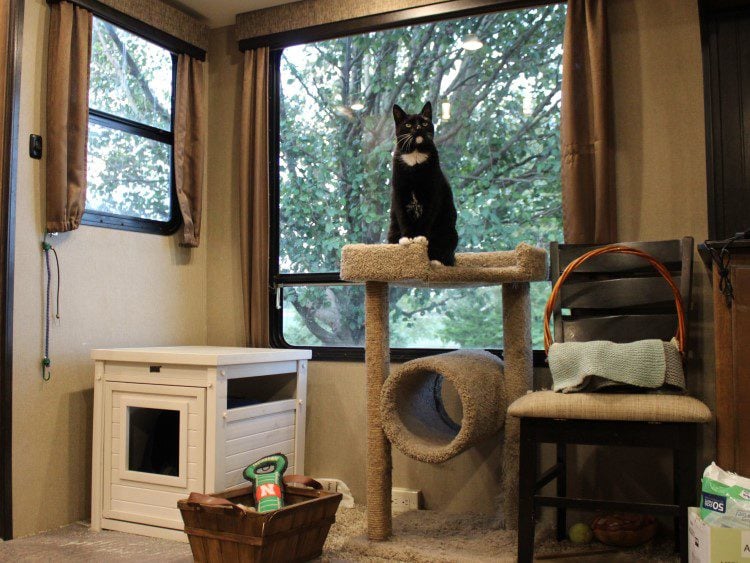
Credit: www.travelswithted.com
Health And Vet Care While Traveling
Traveling in an RV with cats means keeping their health a top priority. Cats need regular check-ups, vaccinations, and emergency care. Staying prepared helps avoid stress and keeps your pets safe on the road.
Planning health care while traveling can feel challenging. Knowing where to find vets and organizing medical records makes the journey smoother. Your cat’s well-being depends on good planning and quick access to care.
Finding Mobile-friendly Vets
Mobile-friendly vets offer care at your RV or nearby. They save time and reduce stress for your cat. Search for vets with mobile services in your travel areas. Call ahead to confirm availability and services offered.
Keep a list of trusted vets in each location. Use apps or online directories to find reviews and contact details. Mobile vets often handle vaccinations, check-ups, and minor emergencies.
Keeping Medical Records Handy
Carry your cat’s medical records in a travel folder. Include vaccination history, medications, and any allergies. Digital copies on your phone or cloud storage are helpful too.
Easy access to records speeds up vet visits. It also ensures proper treatment in emergencies. Update records after every vet visit to keep information current.
Travel Tips For Long Journeys
Traveling long distances in an RV with cats needs careful planning. Cats feel safe in familiar spaces, but long rides can stress them. Keeping your cats calm and comfortable helps everyone enjoy the journey. Use these tips to make long trips smoother for your furry friends.
Regular Breaks And Exercise
Stop often to let your cats stretch their legs. Exercise helps reduce stress and prevent stiffness. Find quiet spots where your cats can explore safely. Use a harness and leash to keep control. Short walks or play sessions keep cats happy and relaxed.
Safe Transport Carriers
Use sturdy carriers designed for travel. Ensure carriers have good ventilation and secure locks. Place soft bedding inside for comfort. Keep carriers stable during the ride to avoid shaking. Cover the carrier with a light cloth to reduce noise and sights that might scare your cat.
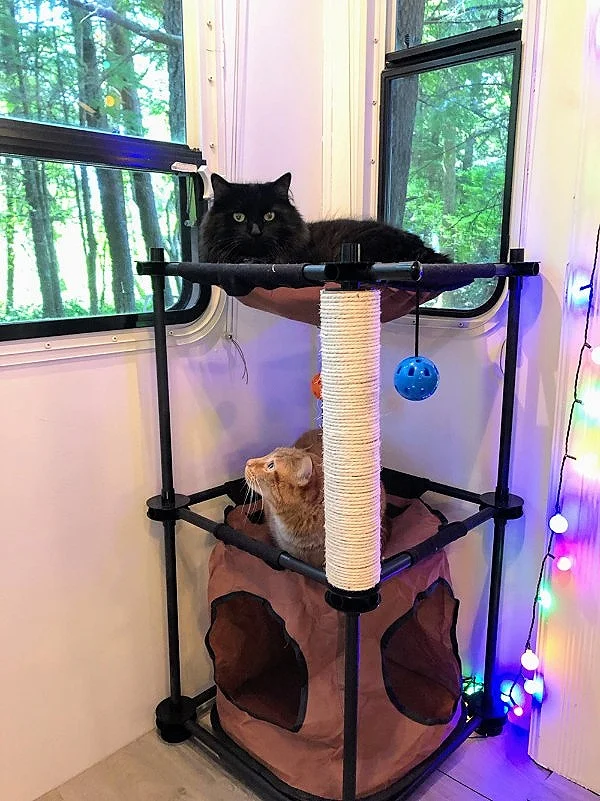
Credit: kdfoundation.org
Frequently Asked Questions
How Do I Keep My Cat Safe While Living In An Rv?
Secure windows and doors, use harnesses, and create a quiet space for your cat to feel safe.
What Type Of Litter Box Works Best In An Rv?
Choose a covered, compact litter box with low odor and easy cleaning for small RV spaces.
How Can I Prevent My Cat From Scratching Rv Furniture?
Provide scratching posts and cover furniture with protective materials to keep your cat’s claws away.
What Are The Best Tips For Feeding Cats On The Road?
Use sealed containers for food, feed on a schedule, and keep fresh water always available.
How Do I Handle My Cat’s Stress During Travel?
Speak softly, offer treats, and use familiar toys or blankets to comfort your cat.
Can Indoor Cats Adjust Well To Rv Living?
Yes, with gradual adjustment, safe spaces, and attention, indoor cats can enjoy RV life.
Conclusion
Living in an RV with cats can be fun and rewarding. Cats bring comfort and joy on the road. Make sure to create a safe space for them inside your RV. Keep their food, litter, and toys nearby. Regular play and attention help keep cats happy.
Travel slowly and watch their behavior closely. This way, both you and your cats enjoy every adventure together. Small steps make a big difference in RV living with pets. Enjoy the journey with your furry friends by your side.