
If you rely on your truck every day, facing Paccar engine problems can feel like a major setback. You might notice strange noises, loss of power, or warning lights that leave you wondering what’s wrong and how to fix it fast.
Ignoring these signs could lead to bigger, costlier repairs down the road. But don’t worry—you’re not alone, and understanding these common engine issues can help you protect your investment and keep your truck running smoothly. Keep reading to learn what to watch for and how to tackle Paccar engine problems before they take you off the road.
Common Paccar Engine Issues
Paccar engines power many trucks and heavy vehicles worldwide. They are known for durability and strong performance. Still, some common problems may affect their reliability. Understanding these issues helps in maintaining your engine properly and avoiding costly repairs.
Below are frequent Paccar engine problems that owners and drivers often face. Each issue can impact engine function and vehicle safety.
Fuel System Failures
Fuel system problems in Paccar engines include clogged filters and fuel pump faults. These failures reduce engine power and cause rough idling. Poor fuel quality can also damage injectors and cause leaks.
Cooling System Malfunctions
The cooling system keeps the engine temperature steady. Malfunctions such as radiator leaks or thermostat failure can lead to overheating. Overheating damages engine parts and lowers efficiency.
Turbocharger Problems
Turbochargers boost engine power by forcing air into the cylinders. Issues like worn bearings or damaged blades reduce boost pressure. This results in loss of power and increased fuel consumption.
Electrical System Glitches
Electrical faults affect sensors and control units. These glitches can cause erratic engine behavior and warning lights. Loose wiring and corroded connectors are common causes.
Oil Leaks And Consumption
Oil leaks may occur from seals or gaskets. Excessive oil consumption can harm engine parts and reduce lubrication. Regular checks help detect leaks early and maintain engine health.
Symptoms To Watch For
Recognizing early symptoms of Paccar engine problems helps prevent costly repairs. These signs often show before serious damage occurs. Pay close attention to how your engine sounds and behaves. Notice any changes in performance or unusual alerts. Acting quickly can save time and money.
Unusual Engine Noises
Strange sounds from the engine may signal trouble. Listen for knocking, grinding, or tapping noises. These sounds often mean worn parts or low oil levels. Ignoring them can lead to bigger engine damage.
Loss Of Power
A sudden drop in engine power is a clear warning. The truck might struggle to accelerate or climb hills. This can happen due to fuel system issues or clogged filters. Don’t ignore this sign; it affects safety and efficiency.
Overheating Signs
Engine overheating is a serious problem. Watch for steam or a high temperature gauge. Overheating can cause engine parts to warp or fail. Check coolant levels and radiator condition regularly to avoid this.
Warning Lights And Codes
Dashboard warning lights often indicate engine issues. The check engine light is a common alert. Use a scanner to read error codes quickly. These codes help identify the exact problem fast.
Excessive Smoke Emission
Smoke from the exhaust reveals engine troubles. Blue smoke shows oil burning inside the engine. Black smoke means too much fuel is burning. White smoke could indicate coolant leaks. Each color points to a different issue.
Quick Fixes For Fuel Problems
Fuel problems in Paccar engines can cause poor performance and breakdowns. Quick fixes can save time and avoid costly repairs. Understanding common fuel issues helps keep your engine running smoothly.
Replacing Fuel Filters
Fuel filters trap dirt and debris from the fuel. A clogged filter reduces fuel flow and engine power. Replace the fuel filter regularly to maintain clean fuel. This simple step prevents engine stalling and rough idling.
Cleaning Injectors
Fuel injectors spray fuel into the engine. Dirt can block injectors and reduce fuel spray. Clean injectors to restore proper fuel flow. This improves fuel efficiency and engine response.
Checking Fuel Lines
Fuel lines carry fuel from the tank to the engine. Cracks or leaks in fuel lines cause fuel loss and engine issues. Inspect fuel lines for damage and tight connections. Replace any damaged lines immediately for safe operation.
Addressing Fuel Pump Issues
The fuel pump moves fuel through the system. A weak or failing pump causes low fuel pressure. Test the fuel pump regularly and listen for unusual noises. Replace the pump if it fails to deliver proper fuel flow.

Credit: www.busntruckchicago.com
Resolving Cooling System Issues
The cooling system is vital for keeping the Paccar engine at the right temperature. Problems here can cause overheating and engine damage. Fixing these issues early saves time and money. Focus on key parts like radiators, coolant, hoses, belts, and the thermostat.
Inspecting Radiators
Start by checking the radiator for leaks or blockages. Dirt and debris can reduce airflow and cooling. Look for damaged fins or cracks that cause coolant leaks. Clean the radiator regularly to keep it working well. Replace it if damage is severe.
Flushing Coolant
Old coolant loses its ability to cool the engine properly. Flush the coolant system to remove rust and buildup. Use fresh coolant that matches Paccar’s specifications. This step helps prevent overheating and corrosion inside the engine.
Repairing Hoses And Belts
Hoses and belts carry coolant and power the water pump. Check for cracks, wear, or loose fittings. Replace any damaged hoses or belts to avoid leaks and failures. Tighten clamps to secure hoses firmly in place.
Thermostat Replacement
The thermostat controls coolant flow through the engine. A faulty thermostat can cause overheating or poor heating inside the cab. Test the thermostat and replace it if it sticks open or closed. Use the correct part for your Paccar engine model.
Turbocharger Repair Tips
Turbochargers play a big role in Paccar engines. They help boost engine power and efficiency. Over time, turbo parts can wear out or fail. Knowing how to spot issues and repair them can save money and keep the engine running well.
Identifying Turbo Failures
Watch for signs of turbo failure early. Loud whining sounds or smoke from the exhaust are common signals. Also, check for loss of power or slow acceleration. Oil leaks around the turbo indicate worn seals or damage. Regular inspections catch problems before they get worse.
Fixing Boost Leaks
Boost leaks reduce engine power and efficiency. Find leaks by inspecting hoses and clamps for cracks or loose fittings. Use a boost leak tester to locate hidden leaks. Replace damaged hoses or tighten clamps as needed. Proper sealing keeps the turbo system working well.
Replacing Worn Components
Turbo parts wear out with use. Replace damaged or worn bearings, seals, and blades. Always use high-quality replacement parts for best results. Clean the turbo housing before installing new components. Careful replacement extends turbo life and improves engine performance.
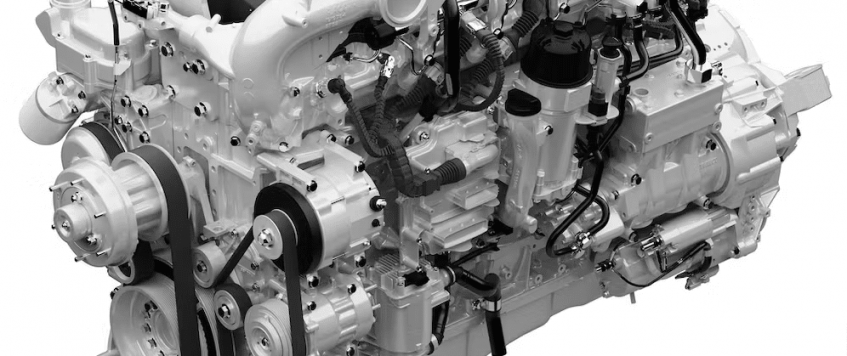
Credit: truckecm.com
Electrical Troubleshooting Steps
Electrical issues in Paccar engines can cause performance problems. These problems often affect starting, power, and fuel efficiency. Following clear troubleshooting steps helps find and fix issues quickly. This saves time and prevents bigger engine failures.
Start with basic checks. Then move to detailed inspections. Each step narrows down the cause of electrical faults. Use the right tools and safety gear during checks. Stay organized and patient for best results.
Checking Battery Health
Battery problems cause many electrical issues. Test the battery voltage using a multimeter. A fully charged battery shows about 12.6 volts. Check for corrosion on battery terminals and clean them. Loose or damaged terminals reduce power flow. Replace the battery if voltage is low or it won’t hold charge.
Inspecting Wiring Harness
Wiring harnesses connect electrical parts. Look for broken, frayed, or burnt wires. Loose connections cause intermittent faults. Use a wiring diagram to trace circuits. Repair or replace damaged wires and connectors. Secure loose wiring to prevent further damage. Proper wiring ensures stable engine performance.
Diagnosing Sensor Faults
Sensors send data to the engine control unit. Faulty sensors cause wrong signals and poor engine function. Use a diagnostic scanner to read sensor codes. Clean sensor connectors and check wiring. Replace sensors that show errors or do not respond. Accurate sensors keep the engine running smoothly.
Preventive Maintenance Tips
Preventive maintenance helps keep your Paccar engine running smoothly. It reduces the chance of costly repairs and downtime. Regular care extends the engine’s life. Follow these simple tips to avoid common engine problems.
Regular Oil Changes
Change the engine oil on schedule. Fresh oil keeps engine parts clean and lubricated. Old oil causes wear and tear faster. Use the right oil type for your Paccar engine. This prevents damage and improves performance.
Scheduled Inspections
Check your engine regularly as per the service plan. Inspections find small issues before they grow. Look for leaks, worn belts, and loose parts. Fixing these early saves you time and money. Follow the manufacturer’s inspection checklist closely.
Using Quality Parts
Always use high-quality parts for repairs and replacements. Cheap parts wear out quickly and may cause engine damage. Original equipment manufacturer (OEM) parts fit better and last longer. They keep your engine running as designed.
Monitoring Engine Performance
Watch for changes in engine noise or power. Sudden drops in performance can signal a problem. Use diagnostic tools to track engine health. Early detection lets you fix problems before they worsen. Stay alert to keep your engine healthy.
When To Seek Professional Help
Knowing when to seek professional help for Paccar engine problems saves time and money. Some issues need expert skills beyond basic fixes. Early professional care prevents bigger damage and costly repairs later.
Professional mechanics have training and tools to find and fix hidden engine problems. Recognizing the right time to call them keeps your truck running safely and efficiently.
Complex Repairs
Complex repairs involve deep engine parts and systems. Problems like cylinder head damage or turbocharger failure require special tools and knowledge. Attempting these repairs without skills can cause more harm. Leave such tasks to trained mechanics for best results.
Diagnostic Tools Usage
Modern Paccar engines need advanced diagnostic tools. These tools read error codes and engine data quickly. They help pinpoint exact issues fast. Without these tools, guessing the problem wastes time and parts. Professionals use diagnostics for accurate and fast repairs.
Warranty And Service Options
Many Paccar engines come with warranties and service plans. Repairs done by unauthorized persons may void these benefits. Authorized service centers keep warranty valid. Choosing official service options ensures quality repairs and protects your investment.

Credit: www.youtube.com
Frequently Asked Questions
What Are Common Paccar Engine Problems?
Paccar engines often face issues like overheating, oil leaks, and injector failures.
How To Identify Paccar Engine Overheating?
Look for high temperature gauge readings, steam, or a burning smell near the engine.
Why Does My Paccar Engine Lose Power Suddenly?
Power loss can be due to clogged fuel filters, dirty injectors, or turbocharger issues.
How Often Should Paccar Engine Oil Be Changed?
Change oil every 15,000 miles or as recommended in the engine’s manual.
Can Paccar Engine Problems Cause High Fuel Consumption?
Yes, engine issues like bad injectors or air leaks can increase fuel use.
Conclusion
Paccar engine problems can affect your vehicle’s performance. Knowing common issues helps you spot trouble early. Regular checks and timely repairs keep engines running well. Choose trusted mechanics for proper care and parts. Stay alert to unusual sounds or changes in power.
Taking small steps prevents big, costly repairs later. Your engine deserves attention to stay strong and reliable. Keep your truck moving smoothly with good maintenance habits. Simple actions make a big difference in engine health.