
Is your GE dishwasher not filling with water? This problem can be frustrating, especially when you rely on your dishwasher daily.
Without water, your dishes won’t get clean, and you might be left wondering what’s wrong. Don’t worry—you’re not alone, and fixing this issue might be easier than you think. You’ll discover simple steps to identify the cause and get your dishwasher working again quickly.
Keep reading to save time, avoid costly repairs, and enjoy spotless dishes once more.

Credit: www.ortegasappliance.com
Common Causes Of No Water Fill
When a GE dishwasher does not fill with water, it stops working properly. This problem often happens due to a few common issues. Understanding these causes can help you fix the dishwasher or explain the problem to a technician.
Many parts work together to fill the dishwasher with water. If one part fails, the water will not flow inside. These parts include the water inlet valve, supply line, float assembly, and door latch. Each plays a key role in the water fill process.
Faulty Water Inlet Valve
The water inlet valve controls water flow into the dishwasher. If this valve breaks or clogs, water cannot enter the machine. A faulty valve may show no signs or cause leaks. Testing or replacing the valve often solves the problem.
Clogged Water Supply Line
The water supply line brings water from your home to the dishwasher. Dirt or debris can block this line. A clog reduces or stops water flow. Checking and cleaning the supply line can restore normal water filling.
Blocked Float Assembly
The float assembly detects water levels inside the dishwasher. If it gets stuck or blocked, it may wrongly stop water from entering. Cleaning or freeing the float helps the dishwasher fill correctly with water.
Malfunctioning Door Latch
The door latch keeps the dishwasher door closed during operation. If the latch does not close properly, the dishwasher may not start the water fill. Repairing or replacing the latch ensures the machine works safely and fills with water.
Simple Checks Before Repairs
Before calling for repairs, try some simple checks. These steps can save time and money. Many common issues with your GE dishwasher not filling with water are easy to fix.
Start with basic inspections. This helps find the problem quickly. Follow these easy tips to see if your dishwasher can work again.
Ensure Water Supply Is On
Check the water valve connected to your dishwasher. It must be fully open. If the valve is off or partly closed, water cannot flow in. Turn the valve to the open position. Listen for water running or check other faucets for water flow.
Inspect Water Hose For Kinks
Look at the water hose behind the dishwasher. Make sure it is straight and not bent sharply. Kinks or twists block water flow. Smooth out any bends. Replace the hose if you see cracks or leaks.
Reset The Dishwasher
Resetting can fix minor errors in the machine. Turn off the dishwasher and unplug it. Wait about five minutes before plugging it back in. This clears the system and may restore normal operation. Try running a cycle after the reset.
Fixing The Water Inlet Valve
Fixing the water inlet valve is a key step to solve a GE dishwasher not filling with water. The valve controls water flow into the dishwasher. If it fails, water cannot enter the machine. This part may get clogged or break over time. Checking and fixing this valve can restore proper water filling. The process involves testing the valve and replacing it if needed.
How To Test The Valve
Turn off the dishwasher and unplug it. Locate the water inlet valve behind the lower access panel. Disconnect the water supply line from the valve. Use a multimeter to check valve continuity. Set the multimeter to ohms and touch the valve terminals. A reading of zero or near zero means the valve is good. No reading or infinite resistance means the valve is bad. Also, inspect the valve screen for blockages or debris. Clean the screen if dirty. Testing confirms if the valve needs replacement.
Replacing The Valve
Turn off the water supply and power to the dishwasher. Remove the lower access panel to access the valve. Disconnect the water supply hose and electrical connectors from the valve. Unscrew the mounting screws holding the valve in place. Take out the faulty valve and install the new one. Secure it with screws and reconnect the hose and wires. Turn on the water supply and power. Run a test cycle to check water flow. Replacing a faulty valve fixes filling problems effectively.
Clearing The Float Assembly
Clearing the float assembly is an important step to fix your GE dishwasher not filling with water. The float assembly controls the water level inside the dishwasher. Dirt or debris can block its movement. This stops the dishwasher from filling properly.
Cleaning the float assembly is simple and takes only a few minutes. It helps the float move freely and triggers the water fill correctly. This section explains how to locate and clean the float. It also covers checking the float switch to make sure it works well.
Locate And Clean The Float
Open the dishwasher door and remove the bottom rack. Look at the base of the dishwasher tub. Find a small, round plastic piece called the float. It usually sits near the front or side.
Lift the float gently. Check for dirt, food particles, or soap buildup around it. Clean the float and its surrounding area with a soft cloth or sponge. Make sure the float moves up and down easily. If stuck, the dishwasher will not fill with water.
Check Float Switch Functionality
The float switch works with the float to control water flow. If the switch is faulty, the dishwasher will not fill properly. To check the switch, unplug the dishwasher first for safety.
Locate the float switch under the float assembly. Use a multimeter to test the switch for continuity. If the switch does not show continuity, it may need replacement. A working float switch ensures the dishwasher fills with the correct water level.
Inspecting The Door Latch
Inspecting the door latch is a key step when your GE dishwasher does not fill with water. The door latch keeps the door closed tightly. If the latch is faulty, the dishwasher will not start filling. The machine thinks the door is open. This safety feature stops water from leaking out.
Check the door latch carefully for any damage or wear. Sometimes the latch can be loose or broken. A bad latch will not trigger the dishwasher to fill with water. This issue is common and easy to fix.
Signs Of A Faulty Latch
One sign is the dishwasher not starting at all. The door might seem closed but is not fully locked. You may hear clicking sounds without water filling. Sometimes the door feels loose or does not stay shut. The dishwasher might stop mid-cycle because it thinks the door opened. These problems point to a faulty latch.
Fix Or Replace Door Latch
Start by cleaning the latch area. Dirt or debris can block the latch from closing. Tighten any loose screws holding the latch. Test the latch by closing the door firmly. If the dishwasher still does not fill, replace the latch. Use the model number to find the right part. Replacing the latch is simple and restores normal function.

Credit: www.youtube.com
When To Call A Professional
Knowing when to call a professional for your GE dishwasher not filling with water can save time and prevent damage. Some problems are easy to fix. Others need expert help. Understanding the signs helps you act wisely.
Complex Electrical Issues
Dishwashers depend on electrical parts to fill with water. A broken control board or faulty wiring can stop water flow. These issues are tricky and risky. Testing electrical parts needs special tools and knowledge. Avoid guessing or DIY fixes here. A professional can find and fix these problems safely and correctly.
Persistent Water Supply Problems
Sometimes, the dishwasher still won’t fill after checking simple causes. Persistent water supply problems need expert attention. A plumber or technician can inspect the water line and valve. They can spot hidden leaks or blockages. Fixing these problems ensures your dishwasher works well and avoids future damage.
Preventive Maintenance Tips
Preventive maintenance helps keep your GE dishwasher working well. Small habits stop big problems. Regular care means your dishwasher fills with water properly. It saves time and money on repairs. Follow these tips to protect your appliance.
Regular Cleaning Schedule
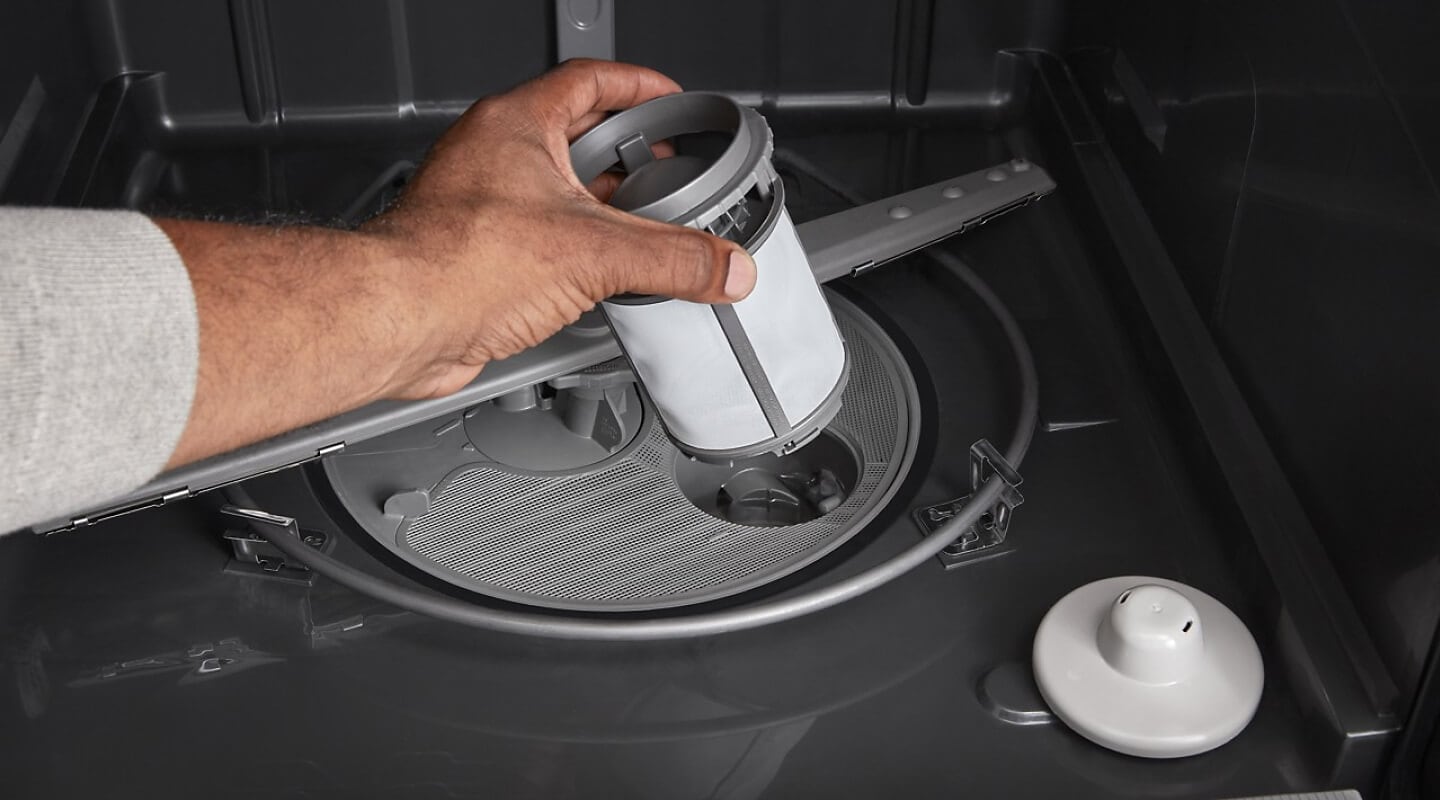
Clean your dishwasher often. Dirt and food bits block water flow. Check and clean the filter every week. Wipe the door seals to remove grime. Run an empty cycle with vinegar once a month. This clears build-up inside the machine. A clean dishwasher fills and drains better.
Using Proper Detergents
Use only detergents made for dishwashers. Avoid regular dish soap; it creates too many suds. Too many suds can stop water from filling. Choose detergents that dissolve easily in water. Follow the detergent amount on the package. Too much soap can cause clogs and leaks.
Avoiding Hard Water Damage
Hard water leaves mineral deposits inside your dishwasher. These deposits block water flow and damage parts. Use a water softener if your water is hard. Clean the spray arms to remove mineral build-up. Soft water helps the dishwasher fill and clean well. Protect your machine from hard water damage.
Credit: www.whirlpool.com
Frequently Asked Questions
Why Is My Ge Dishwasher Not Filling With Water?
A clogged inlet valve or a faulty water supply can stop water from entering the dishwasher.
How Can I Check The Dishwasher Water Inlet Valve?
Turn off power, locate the valve, and test it with a multimeter for continuity.
Can A Blocked Filter Cause No Water In Dishwasher?
Yes, a dirty or blocked filter can stop water flow inside the dishwasher.
What Role Does The Float Switch Play In Water Filling?
The float switch stops water when the dishwasher is full; a stuck switch can block filling.
When Should I Call A Professional For Dishwasher Water Issues?
Call a technician if cleaning or simple checks don’t fix the water filling problem.
Conclusion
A GE dishwasher not filling with water can cause big problems. Checking the water supply and valve helps find the issue fast. Cleaning filters and hoses often solves the problem. Sometimes, a broken float switch or faulty inlet valve needs fixing.
Regular care keeps your dishwasher working well. Taking quick action saves time and money. Now, you can try these simple steps to get your dishwasher running again. Don’t let a water issue stop your cleaning routine.