
Is your dishwasher leaving your top rack dishes dirty no matter how many times you run it? You’re not alone.
When plates and glasses on the top rack come out spotted or still covered in food, it’s frustrating and wastes your time. But don’t give up on your dishwasher just yet. There are simple reasons why your top rack isn’t getting clean, and easy fixes you can try today.
Keep reading to discover what’s stopping your dishwasher from doing its job—and how you can get sparkling dishes every time.
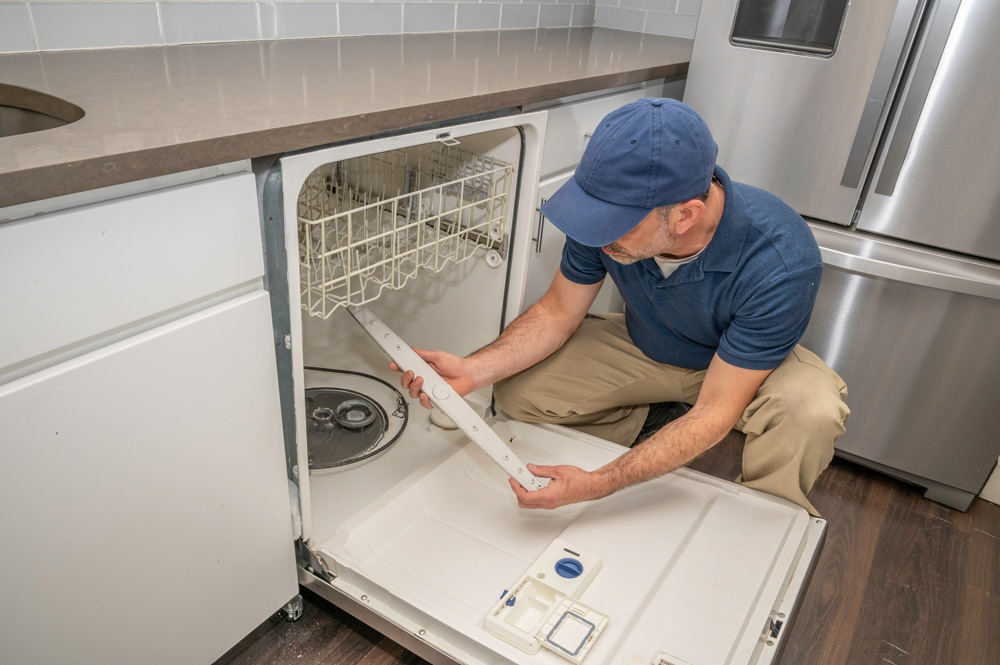
Credit: fixappliances.ca
Common Causes Of Poor Cleaning On Top Rack
Poor cleaning on the top rack of a dishwasher is a common problem. Several factors can cause this issue. Understanding these causes helps in fixing the problem quickly. Here are the common reasons why dishes on the top rack don’t get clean.
Blocked Spray Arms
The spray arms spray water on the dishes. If they are blocked, water cannot reach the top rack. Food particles or hard water deposits can clog the holes. This stops water from spraying properly. Cleaning or unblocking the spray arms can restore good water flow.
Incorrect Loading
Loading dishes wrong can block water flow. Large items on the bottom rack can block spray to the top. Overloading the top rack stops water from reaching all dishes. Make sure dishes do not overlap or block spray arms.
Water Pressure Issues
Low water pressure reduces cleaning power. The top rack needs strong water flow. Check your dishwasher’s water supply for any problems. Low pressure means less water reaches the upper spray arm.
Clogged Filters
Filters trap food and debris to protect the pump. If filters are dirty or clogged, water flow reduces. This affects the cleaning ability on the top rack. Clean filters regularly for better water circulation.
Detergent Problems
Using the wrong detergent or too little detergent causes poor cleaning. Old or damp detergent loses strength. Use fresh detergent in the right amount. This helps remove food and grease from top rack dishes.
Inspecting And Cleaning Spray Arms
Spray arms play a key role in cleaning dishes on the top rack. They spray water to remove food and stains. If spray arms are blocked or damaged, dishes may stay dirty. Checking and cleaning spray arms helps your dishwasher work well again.
Removing Spray Arms Safely
Start by turning off the dishwasher. Look for clips or screws holding the spray arms. Gently remove these parts without forcing them. Keep track of small pieces to avoid losing them. Handle spray arms carefully to prevent damage.
Clearing Clogs And Debris
Use a toothpick or small brush to clean spray holes. Remove food particles, hard water deposits, and soap buildup. Run water through the holes to check for blockages. Clean spray arms often to keep water flow strong. Clear spray holes help water reach all dishes.
Checking For Damage
Examine spray arms for cracks or broken parts. Damaged spray arms can cause uneven water spray. Replace any spray arms that look worn or broken. Good spray arms improve dishwasher performance. Regular checks avoid poor cleaning results.
Optimizing Dishwasher Loading
Optimizing dishwasher loading plays a key role in cleaning dishes effectively. Poor loading can block water spray and reduce cleaning power. Organizing items properly ensures every dish gets clean, especially on the top rack. Follow these tips to load your dishwasher better and improve cleaning results.
Proper Placement Of Dishes
Place plates and bowls facing the spray arms. Cups and glasses should tilt downward. This allows water to reach all surfaces easily. Small items belong on the top rack. Keep them stable to avoid falling during the wash cycle.
Avoiding Overcrowding
Do not pack dishes too tightly. Overcrowding blocks water flow and soap distribution. Leave space between items for water to circulate freely. This helps the dishwasher clean every dish properly, especially on the upper rack.
Separating Large Items
Keep large pots and pans on the bottom rack only. Large items can block water jets aimed at the top rack. Spread them out to prevent water blockage. Separating big items ensures better cleaning for smaller dishes above.
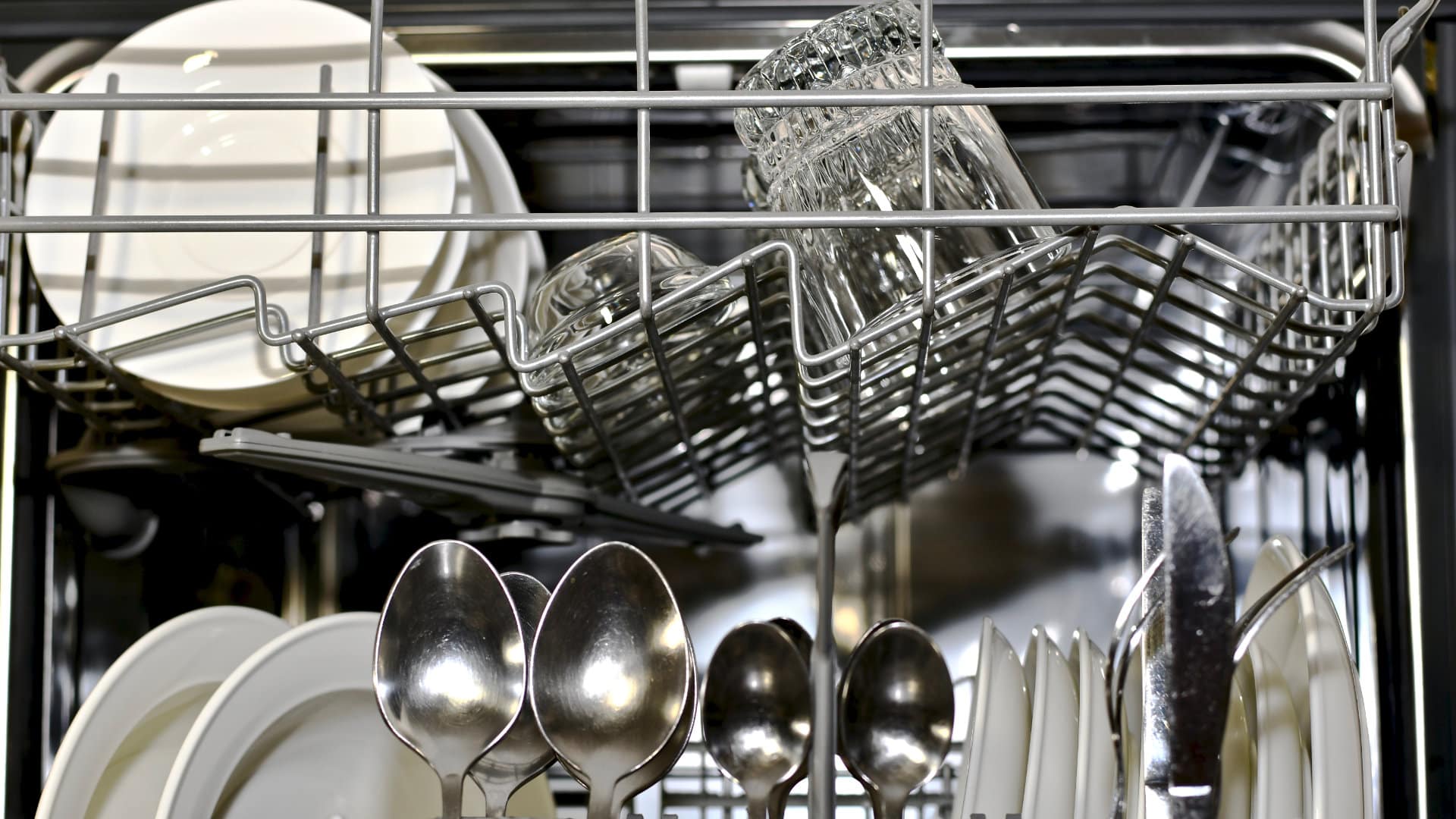
Credit: viaappliance.com
Improving Water Flow And Pressure
Improving water flow and pressure is key to solving cleaning problems on the top rack. Water must reach every corner with enough force to remove food and grease. Poor water flow or low pressure can leave dishes dirty, especially on the upper level. Simple checks and fixes can restore proper cleaning power.
Checking Water Supply
Start by checking the water supply valve. Make sure it is fully open and not blocked. A partially closed valve reduces water flow. Look for kinks or damage in the hose connecting to the dishwasher. Clear any debris that might block water entry. Clean the dishwasher’s inlet filter to remove dirt and buildup.
Ensuring Proper Drainage
Drainage issues affect water flow inside the dishwasher. Check the drain hose for clogs or bends. A blocked drain slows water movement and reduces cleaning power. Clean the dishwasher filter and sump area regularly. Remove leftover food particles and debris that block water flow. Proper drainage helps maintain strong water circulation.
Testing Water Pressure Levels
Water pressure must be strong enough for the dishwasher to work well. Measure pressure at the faucet closest to the dishwasher. Ideal pressure ranges between 20 and 120 psi. Low pressure means weak spray jets and poor cleaning. Contact a plumber if pressure is too low. High pressure can damage pipes or dishwasher parts, so check for safe levels.
Maintaining Filters And Drainage
Maintaining the filters and drainage in your dishwasher is key to clean dishes, especially on the top rack. Filters catch food bits and debris, stopping them from clogging the drainage system. A blocked filter or drain can cause poor water flow, leaving dishes dirty. Regular care keeps your dishwasher working well and your dishes spotless.
Locating And Cleaning Filters
Filters usually sit at the bottom of the dishwasher. Remove the bottom rack to see them clearly. Most filters twist or lift out easily. Rinse the filter under warm water to clear away stuck food and grease. Use a soft brush to clean small holes and mesh. Avoid harsh tools that could damage the filter.
Preventing Blockages
Check the drain area for trapped debris. Bits of food can block water flow and reduce cleaning power. Clear any visible particles by hand or with a cloth. Avoid pouring grease or large food scraps into the dishwasher. These can build up and cause blockages over time. Running a rinse cycle after heavy loads helps wash away leftovers.
Regular Maintenance Tips
Clean filters every one to two weeks. Inspect the drain for obstructions monthly. Use dishwasher-safe cleaner to remove grease and scale build-up. Run your dishwasher on a hot cycle once a month to clear residue. Keep the spray arms free of debris to ensure strong water jets. Small steps keep your dishwasher running smoothly and dishes clean.
Choosing The Right Detergent And Rinse Aid
Choosing the right detergent and rinse aid plays a big role in cleaning dishes well. The top rack often gets less water and detergent spray. Picking effective cleaning products helps solve this problem. It ensures dishes come out spotless every time.
Detergent Types And Effectiveness
Powder, gel, and pod detergents each work differently. Pods dissolve slowly, reaching the top rack better. Powders can leave residue if not dissolved well. Gel detergents spread easily but may not clean tough stains. Choose a detergent designed for your water type. Hard water needs stronger formulas. Soft water requires less detergent for best results.
Using Rinse Aid Correctly
Rinse aid helps water slide off dishes and prevents spots. Fill the rinse aid dispenser fully before each load. It boosts drying and stops water marks on the top rack. Using the right amount improves cleaning without waste. Some dishwashers let you adjust rinse aid settings. Set it higher if your dishes stay wet or spotty.
Avoiding Overuse
Too much detergent or rinse aid can cause problems. Excess detergent leaves film or spots on dishes. Overusing rinse aid may create a sticky layer on glasses. Follow the instructions on the detergent and rinse aid packages. Use only the recommended amount for each load. Proper use keeps dishes clean and dishwasher parts safe.
Additional Tips For Better Cleaning
Improving how your dishwasher cleans the top rack often needs a few simple changes. Small steps can make a big difference in dishwashing results. Use these tips to help your dishwasher work better and get your dishes cleaner.
Running Hot Water Before Starting
Run hot water in your sink before you start the dishwasher. This warms the water going into the machine. Hot water helps dissolve grease and food better. Your dishwasher will clean dishes more effectively with warm water.
Selecting Appropriate Wash Cycles
Choose the right wash cycle for your load. Heavier cycles use more water and heat. They clean stuck-on food better, especially on the top rack. Use lighter cycles only for less dirty dishes. This ensures all your dishes get clean.
Regular Dishwasher Cleaning
Clean your dishwasher often to keep it working well. Remove food scraps and clean filters regularly. Wipe down spray arms to avoid clogs. A clean dishwasher sprays water evenly. This leads to cleaner dishes, especially on the top rack.

Credit: www.tampaapplianceparts.com
Frequently Asked Questions
Why Are Dishes Not Clean On The Top Rack?
The top rack might get less water pressure or blocked spray arms, causing poor cleaning.
How Can I Fix A Dishwasher Top Rack Not Cleaning?
Check spray arms for clogs and load dishes to avoid blocking water flow.
Does Water Temperature Affect Top Rack Cleaning?
Yes, water below 120°F can reduce cleaning power on the top rack.
Can Detergent Type Cause Top Rack Cleaning Issues?
Using the wrong detergent or too little can make the top rack dirty.
Should I Clean The Dishwasher Filter For Top Rack Problems?
Yes, a dirty filter can reduce water flow, leading to poor cleaning upstairs.
Conclusion
A dishwasher not cleaning the top rack can be frustrating. Check for blockages or wrong loading. Make sure spray arms spin freely and are not clogged. Use the right detergent and avoid overloading. Regular maintenance helps keep your dishwasher working well.
Small fixes often solve big cleaning problems. Keep these tips in mind for cleaner dishes every time. Your top rack can shine again with simple care.