
Is your Igloo ice maker not working when you need it most? It’s frustrating to expect a steady flow of ice and end up with nothing.
You rely on your ice maker to keep drinks cold and gatherings smooth, so when it stops, it feels like everything stalls. But don’t worry—you’re not alone, and there are simple fixes you can try right now. Keep reading to discover why your Igloo ice maker might be acting up and how you can get it back to making ice quickly and easily.

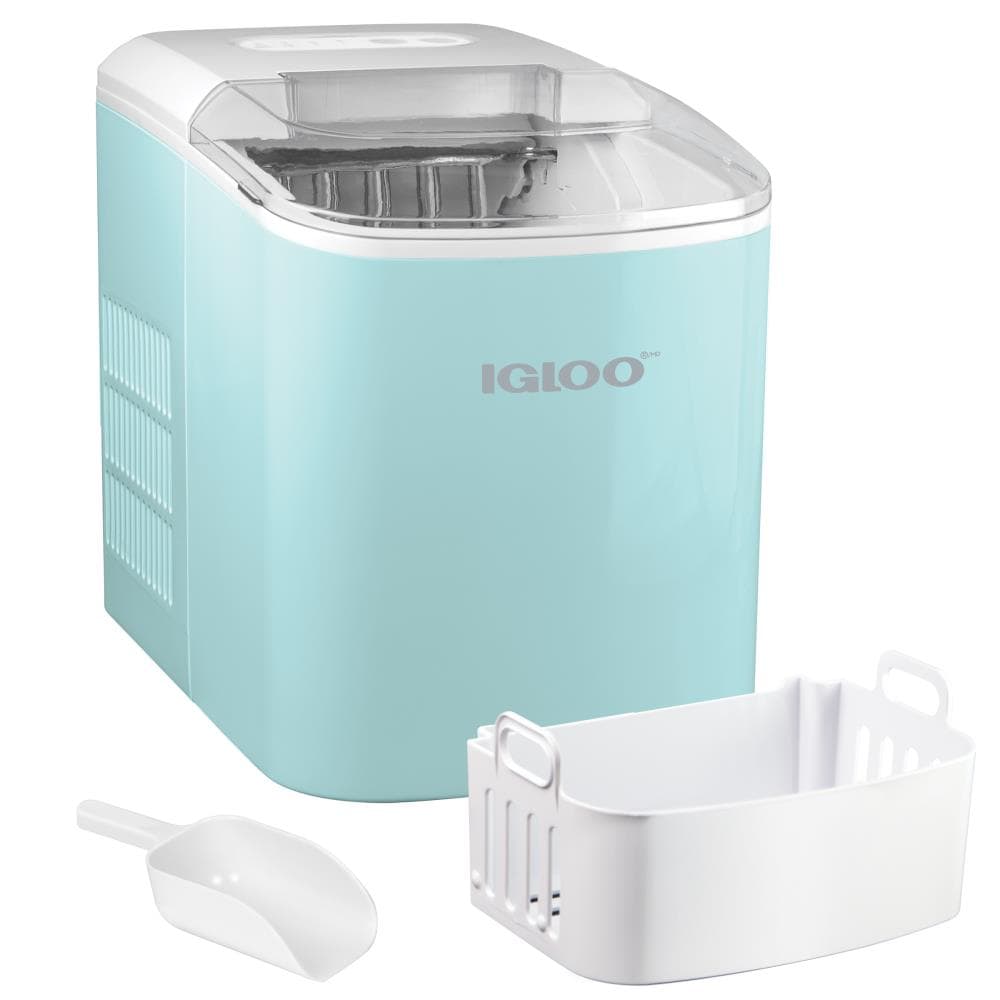
Credit: www.lowes.com
Common Causes Of Igloo Ice Maker Issues
Igloo ice makers can stop working for many reasons. Knowing common causes helps find solutions faster. This section covers key issues that may affect your ice maker’s performance.
Power Supply Problems
Power supply issues are a frequent cause of ice maker failure. Check if the unit is plugged in properly. A loose connection or tripped breaker can cut power. Sometimes, the outlet may not work, so testing with another device helps. Ensure the power cord is not damaged or frayed. Without stable power, the ice maker will not operate.
Water Supply Blockages
A steady water flow is crucial for ice production. Blocked or frozen water lines stop water from reaching the machine. Sediment or debris can clog the inlet valve or filter. Check water filters regularly and replace them if dirty. Low water pressure also affects ice making. Clearing blockages restores proper water flow.
Temperature Settings
Correct temperature is vital for ice formation. The freezer must be cold enough, usually below 0°F (-18°C). Warmer settings cause slow ice production or no ice at all. Avoid placing the ice maker near heat sources. Frequent door opening raises temperature inside the freezer. Adjust settings to maintain a consistent cold environment.
Mechanical Failures
Mechanical parts can wear out or break over time. The motor, ice mold, or ejector arm may fail. Faulty sensors can cause the machine to stop cycling. Strange noises or no sound at all may indicate mechanical issues. Regular maintenance and timely repairs keep the ice maker running smoothly.
Troubleshooting Power Issues
Power issues are a common reason for an Igloo ice maker to stop working. These problems can stop the machine from turning on or producing ice. Checking the power supply and connections can often solve the problem quickly. Follow these steps to troubleshoot power issues safely and easily.
Checking The Power Source
Start by making sure the outlet has power. Plug another device into the same outlet. Does it work? If not, the outlet may be faulty. Try a different outlet near your ice maker. Avoid using extension cords, as they can cause power drops.
Inspecting The Power Cord
Look at the ice maker’s power cord for any damage. Cracks, cuts, or frayed wires can stop electricity flow. If you find damage, do not use the ice maker. Replace the power cord or call a professional for repair. A damaged cord can be dangerous.
Resetting The Ice Maker
Sometimes, resetting the ice maker can fix power glitches. Unplug the machine from the outlet. Wait for 5 minutes to let it cool down. Plug it back in and turn it on. This simple step can clear minor electrical problems and restore normal function.
Resolving Water Supply Problems
Resolving water supply problems is key to fixing an Igloo ice maker. Without steady water flow, ice production stops. Checking water supply parts often solves the issue quickly.
Start by inspecting the water line, pressure, and filters. These parts affect water flow and ice making. Clear blockages, maintain pressure, and replace filters as needed.
Clearing Water Line Blockages
Water line blockages stop water from reaching the ice maker. Dirt, ice, or mineral build-up can cause clogs. Turn off the water supply before cleaning the line. Use a pipe cleaner or a thin brush to remove debris. Flush the line with clean water to clear any leftover dirt. Make sure the line is free from kinks or bends. This helps water flow smoothly to the ice maker.
Ensuring Proper Water Pressure
Low water pressure prevents enough water from entering the ice maker. Check your home’s water pressure using a gauge. The ideal pressure should be between 20 and 120 psi. Adjust the pressure regulator if it is too low. Make sure the water valve to the ice maker is fully open. Tighten any loose connections to prevent leaks. Proper pressure keeps water flowing steadily for ice production.
Replacing Water Filters
Dirty or old water filters reduce water flow and affect ice quality. Locate the filter inside or near the ice maker. Remove the old filter by twisting or pulling it out. Install a new filter according to the manufacturer’s instructions. Replace filters every 6 months or as recommended. Clean filters improve water flow and keep ice fresh and clear.
Adjusting Temperature And Settings
Adjusting the temperature and settings of your Igloo ice maker can fix many common issues. Ice makers often stop working if the freezer is too warm or the settings are incorrect. Small changes can help the machine work better and make more ice.
Setting Ideal Freezer Temperature
Keep the freezer temperature between 0°F and 5°F (-18°C to -15°C). This range is best for making ice quickly and efficiently. If the freezer is too warm, the ice maker may stop making ice. Too cold can cause the ice to clump or block the mechanism. Use a freezer thermometer to check the exact temperature. Adjust the control dial or digital panel to reach the right level.
Resetting Ice Maker Controls
Sometimes the ice maker needs a reset to work properly again. Find the reset button or switch on your model. Press and hold it for a few seconds. This action restarts the ice maker’s cycle. You may also unplug the machine for 5 minutes, then plug it back in. Resetting clears minor errors and refreshes the system. After resetting, wait a few hours for the ice maker to resume normal operation.
Fixing Mechanical Issues
Fixing mechanical issues in your Igloo ice maker can bring it back to life. Mechanical parts often cause the ice maker to stop working. Checking and repairing these parts can solve many problems. This section covers easy steps to inspect and fix common mechanical faults.
Inspecting The Ice Maker Motor
The motor powers the ice maker’s moving parts. Start by unplugging the machine for safety. Look for visible damage or dirt on the motor. Test the motor by turning the ice maker on briefly. If the motor does not run or sounds strange, it may need replacement.
Checking Ice Mold And Ejector
The ice mold holds the water to freeze. Check for cracks or ice blockages in the mold. The ejector pushes ice cubes out. Make sure the ejector moves smoothly without obstruction. Clean any ice buildup or debris that may block movement.
Lubricating Moving Parts
Moving parts can get stiff or stuck over time. Use a food-safe lubricant on gears and joints. Avoid over-lubricating to prevent attracting dust. Proper lubrication helps parts move freely and reduces wear. Regular maintenance extends the life of your ice maker.
Maintenance Tips For Reliable Ice Production
Maintaining your Igloo ice maker ensures it works well and produces ice consistently. Simple care steps keep the machine clean and parts in good shape. This helps avoid common problems and extends the ice maker’s life.
Regular maintenance saves time and prevents ice production delays. Follow these tips to keep your ice maker running smoothly.
Regular Cleaning
Clean your ice maker at least once a month. Remove old ice and wipe down the bin. Use a mild detergent and warm water to clean the interior. Rinse well to avoid soap residue. Dirty machines can cause bad-tasting ice and block water flow.
Routine Inspections
Check the water supply and hoses for leaks or clogs. Look at the ice maker’s exterior for dust buildup. Dust can block vents and reduce cooling. Inspect the ice mold and tray for cracks or damage. Early checks prevent bigger problems later.
Timely Part Replacements
Replace worn-out parts like water filters and seals on time. Old filters reduce water flow and ice quality. Seals keep the cold air inside. Broken seals increase energy use and slow ice making. Use parts recommended by Igloo for best fit and function.
When To Call A Professional
Knowing when to call a professional for your Igloo ice maker saves time and prevents damage. Simple fixes may seem easy but some issues require expert help. Understanding the signs of complex problems and safety risks helps decide the next step.
Identifying Complex Problems
Complex problems include electrical faults and frozen water lines. If the ice maker does not turn on, the issue could be internal wiring. Strange noises or leaks might signal a broken motor or pump. Persistent ice buildup inside the machine shows a deeper cooling system problem. These issues need special tools and skills to fix properly.
Safety Considerations
Working with electrical appliances can be dangerous. Avoid touching wires or opening sealed parts. Water and electricity together create risk of shock. Handling refrigerants without training can cause injury or damage. A professional technician follows safety rules and uses proper gear. Calling an expert protects you and your ice maker.
Credit: www.lowes.com
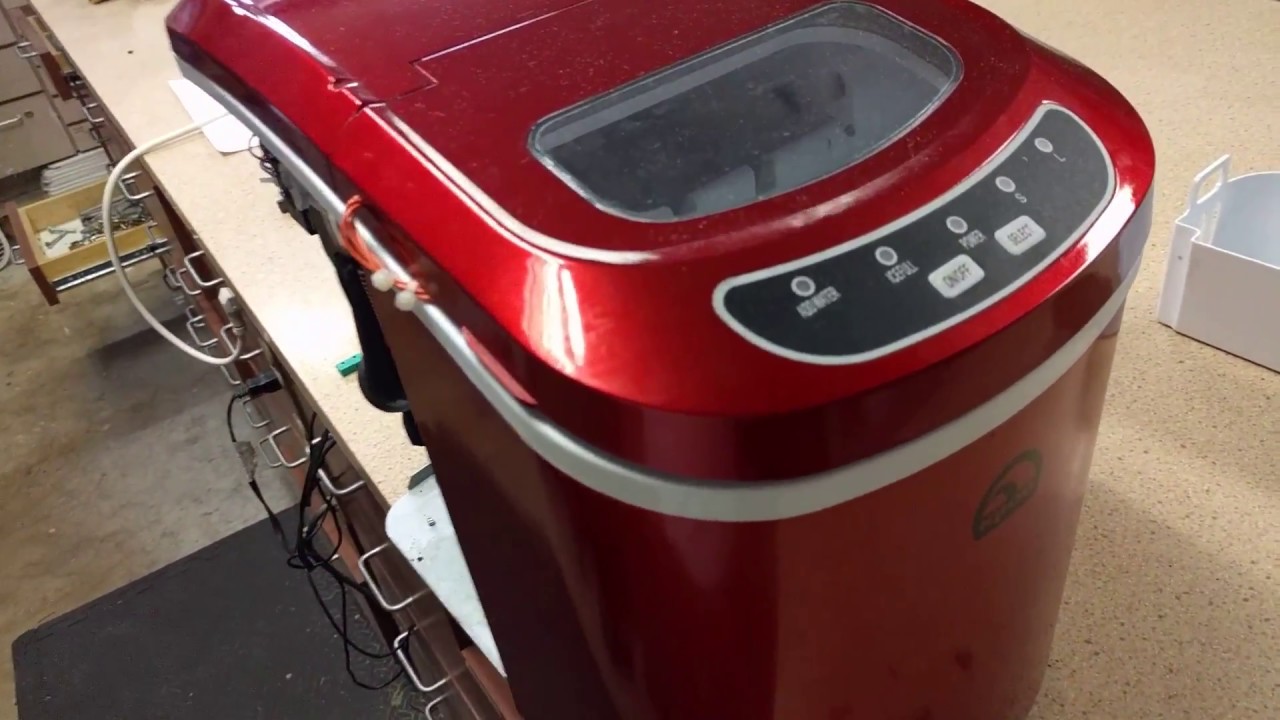
Credit: www.youtube.com
Frequently Asked Questions
Why Is My Igloo Ice Maker Not Producing Ice?
Check the water supply and ensure the machine is plugged in and turned on.
How To Fix An Igloo Ice Maker That Won’t Start?
Reset the ice maker by unplugging it for 10 minutes, then plug it back in.
What Causes Igloo Ice Maker To Make Small Or Hollow Ice?
Low water level or dirty water filter can cause poor ice quality.
How Often Should I Clean My Igloo Ice Maker?
Clean the machine every 2-3 weeks to prevent clogs and keep ice fresh.
Can A Frozen Water Line Stop Igloo Ice Maker From Working?
Yes, a frozen water line blocks water flow, stopping ice production. Check and thaw it.
Conclusion
Troubles with your Igloo ice maker can feel frustrating. Small fixes often solve common problems quickly. Check power, water supply, and clean the machine regularly. These steps keep your ice maker working well. If issues continue, contacting a professional helps avoid damage.
Regular care extends your ice maker’s life and ensures fresh ice. Stay patient and follow simple tips to enjoy cold ice anytime.