
Is your cuckoo clock acting up and leaving you frustrated? You’re not alone.
These charming timepieces can bring joy and a touch of tradition to your home, but when they stop working properly, it can be confusing and annoying. Whether your cuckoo bird won’t pop out, the clock keeps losing time, or the chimes sound off, understanding the common problems can help you fix them quickly.
Keep reading to discover what might be wrong with your cuckoo clock—and how you can get it ticking perfectly again.
Common Cuckoo Clock Issues
Cuckoo clocks bring charm to any room. Yet, they can face problems that stop them from working well. Knowing common cuckoo clock issues helps keep your clock in good shape. Here are some frequent problems owners notice.
Clock Not Cuckooing
The clock may stop making the cuckoo sound. Dust or dirt can block the cuckoo mechanism. Sometimes, the cuckoo bird gets stuck inside. Check if the door opens and closes smoothly. The sound may be off if the bellows are torn or worn out.
Timekeeping Problems
The clock might run too fast or too slow. This often happens when the pendulum is out of sync. Make sure the pendulum swings evenly. Change the pendulum’s length to adjust the time. Avoid placing the clock near drafts or sunlight.
Cuckoo Call Sounds Off
The cuckoo call may sound weak or strange. Old or damaged bellows cause this. The pipes could be clogged or broken. Clean the pipes carefully, or replace damaged parts. Tighten loose screws to stop rattling sounds.
Hands Not Moving
Clock hands might freeze or move incorrectly. Check if the hands touch each other or the clock face. Loose gears inside can stop the hands. Gently move the hands to free them. If gears are broken, seek a clock repair expert.
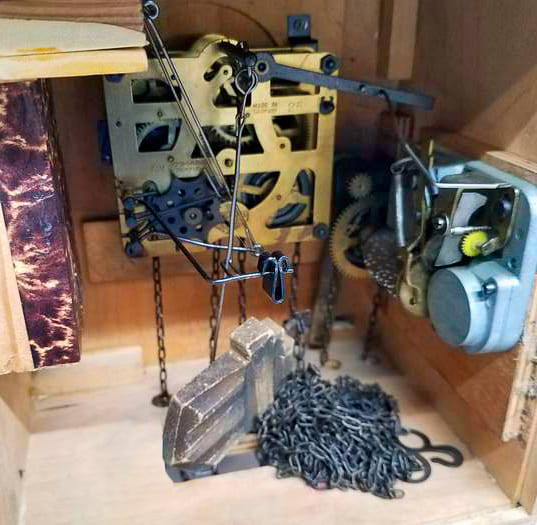
Chains And Weights Issues
Chains may get stuck or slip off the gears. Weights might not drop smoothly. Ensure chains hang freely without knots. Weights should be the correct size and weight. Avoid pulling chains too hard to prevent damage.
Credit: www.watch-repair-boston.com
Quick Fixes For Sound Problems
Sound problems with cuckoo clocks can spoil their charm quickly. Fixing these issues often requires simple steps anyone can try. These quick fixes can restore the lovely cuckoo sounds without a professional.
Adjusting The Bellows
The bellows create the cuckoo’s call by pushing air through small pipes. Sometimes, they lose tension or slip from place. Check if the bellows move freely and are not torn. Tighten any loose parts carefully to restore proper airflow. Small adjustments can bring the sound back to life.
Cleaning The Whistles
Whistles produce the cuckoo’s notes and can get clogged with dust or dirt. Use a soft brush or compressed air to clean inside the pipes. Avoid water as it can damage the wood or metal. Keeping the whistles clean helps clear and strong sound.
Checking The Sound Mechanism
The sound mechanism includes gears and levers that control the cuckoo’s voice. Dust or worn parts may block movement. Open the clock case gently and inspect these parts. Lubricate moving parts with clock oil for smooth action. Replace broken pieces to fix ongoing sound issues.
Resolving Timekeeping Errors
Timekeeping errors are common in cuckoo clocks. These issues make the clock run too fast or too slow. Fixing these errors helps the clock keep accurate time. Simple adjustments can often solve the problem without expert help.
Regulating The Pendulum
The pendulum controls the clock’s speed. Moving the pendulum bob up makes the clock run faster. Lowering the bob slows the clock down. Adjust in small steps and check the time daily. This method fine-tunes the clock’s accuracy.
Leveling The Clock
A cuckoo clock must hang straight on the wall. If tilted, the pendulum swings unevenly. Use a level tool to check the clock’s position. Adjust the clock until it hangs perfectly vertical. Proper leveling improves timekeeping and prevents stopping.
Replacing Worn Gears
Old gears can cause time errors. Worn or broken teeth affect gear movement. Inspect the gears for damage or dirt. Clean lightly or replace damaged parts. New gears restore smooth function and accurate time.

Credit: www.weekand.com
Repairing Mechanical Parts
Repairing mechanical parts of a cuckoo clock helps keep it working smoothly. The clock’s parts move together to show time and call the cuckoo. Fixing small issues early can stop bigger problems later. This section covers basic repairs for the clock’s moving parts.
Fixing The Hands
Hands that do not move or hit each other need adjusting. Gently bend the hands apart if they touch. Make sure the hands are tight on the center pin. Loose hands can slip and stop showing the right time.
Tightening Loose Components
Check screws and nuts inside the clock. Loose parts can cause the clock to stop or run wrong. Use a small screwdriver to tighten these parts. Do not overtighten; this can break delicate parts.
Lubricating Moving Parts
Moving parts need light oil to reduce friction. Use a special clock oil, not regular oil. Apply a small drop on gears and pivots. Too much oil can attract dust and cause more problems.
Maintaining Chains And Weights
Maintaining the chains and weights of a cuckoo clock is essential for its smooth operation. These parts work together to power the clock’s movement and the cuckoo’s call. Proper care helps avoid common issues like stopping or slow timekeeping.
Chains can easily tangle or wear out. Weights may get damaged or placed incorrectly. Paying attention to these details keeps your clock running well and extends its life.
Untangling Chains
Chains often tangle if the clock is moved or handled roughly. Carefully pull the chain straight to avoid bending it. Gently separate any knots using your fingers. Never use sharp tools that might damage the links.
Keep the chains clean and dust-free. A light wipe with a soft cloth works best. Avoid oiling the chains as it can attract dirt and cause more problems.
Replacing Damaged Weights
Weights can crack or lose their finish over time. Check for cracks, dents, or rust regularly. Replace damaged weights with ones that match the original size and shape.
Using the wrong weights affects the clock’s timing and performance. Purchase replacements from trusted suppliers or clock specialists. Proper weight replacement ensures the clock keeps good time.
Proper Weight Placement
Weights must hang freely without touching the wall or floor. Ensure they are attached to the correct chains. Usually, one weight controls the clock, and the other controls the cuckoo sound.
Incorrect placement can stop the clock or cause uneven movement. Check the manual or instructions for your specific cuckoo clock model. Correct placement helps the clock run smoothly and accurately.
Preventive Care Tips
Preventive care helps keep your cuckoo clock working well for many years. Small daily actions stop big problems later. Simple habits protect the clock’s parts and beauty.
Regular Cleaning
Dust and dirt can harm your cuckoo clock’s mechanism. Clean the outside gently with a soft cloth. Avoid water or harsh chemicals on wooden parts. Use a small brush to remove dust from crevices. Clean your clock every few months for best results.
Safe Clock Placement
Place the clock in a stable spot away from direct sunlight. Sunlight can fade the wood and damage the clock. Avoid humid or damp areas to stop rust and mold. Keep the clock away from heavy vibrations or strong winds. A safe spot keeps your clock steady and safe.
Avoiding Overwinding
Winding the clock too much can break the spring inside. Wind the clock gently until you feel resistance. Stop winding as soon as it feels tight. Regular but careful winding keeps the clock running smoothly. Do not force the key or chains during winding.

Credit: frankenmuthclock.com
Frequently Asked Questions
Why Is My Cuckoo Clock Not Cuckooing On Time?
The clock may need winding or the cuckoo mechanism could be stuck. Check and adjust carefully.
How Do I Fix A Cuckoo Clock That Stops Working?
Ensure weights are properly hung and chains are not tangled. Regular cleaning helps too.
What Causes A Cuckoo Clock To Run Too Fast Or Slow?
The pendulum length might be off. Adjust the pendulum bob up or down.
Why Is My Cuckoo Clock’s Sound Too Quiet Or Missing?
The bellows inside may be torn or dusty. Cleaning or replacing them can restore sound.
How Often Should I Service My Cuckoo Clock?
Service every 3-5 years keeps it running well. Regular oiling and cleaning prevent issues.
Conclusion
Cuckoo clock problems can be fixed with simple steps. Check the weights and chains first. Clean the clock gently to avoid dust buildup. Make sure the pendulum swings smoothly. Keep the clock on a flat surface. Regular care helps the clock keep time well.
Small issues do not need expert help. Enjoy the charm of your cuckoo clock every day. Keep it ticking and sounding just right.