
You’ve just moved your chest freezer to a new spot, but now it’s not working. That’s frustrating, especially when you rely on it to keep your food fresh and safe.
You might be wondering why your freezer suddenly stopped cooling or if it’s broken for good. Don’t worry—there are simple reasons behind this issue, and solutions you can try right away. Keep reading to find out what might be wrong with your chest freezer and how to fix it before your food starts to spoil.
Common Causes Of Chest Freezer Issues After Moving
Moving a chest freezer can cause several issues that stop it from working properly. Understanding the common causes helps fix the problem faster. Many problems start during the moving process. Some are easy to fix, while others need professional help.
Impact Of Tilting During Transport
Chest freezers must stay upright during moving. Tilting can cause oil from the compressor to flow into the cooling lines. This oil blocks the refrigerant flow, which stops the freezer from cooling. Even small tilts can cause damage. Always keep the freezer in a vertical position to avoid problems.
Power Supply Problems
Check the power supply first if the freezer doesn’t turn on. Moving can loosen plugs or damage cords. A faulty power outlet may also cause issues. Use a different socket to test. Sometimes, circuit breakers trip during transport. Resetting the breaker might fix the problem quickly.
Compressor And Refrigerant Concerns
The compressor is the heart of the freezer. Moving can cause internal damage to this part. It might stop working or make strange noises. Refrigerant leaks can also happen during a move. Without enough refrigerant, the freezer won’t cool properly. A technician can check and repair these issues.

Credit: www.domex-uk.co.uk
Steps To Restart Your Chest Freezer
After moving a chest freezer, it may stop working properly. Restarting it correctly can solve many common problems. Follow these simple steps to get your freezer running again. Each step helps ensure the freezer works safely and efficiently.
Allowing The Freezer To Settle
After moving, the freezer needs time to settle. The oils inside the compressor may have shifted. Leave the freezer unplugged for at least 4 hours. This rest period lets the oils settle back in place. Plug it in only after this waiting time.
Checking The Power Connection
Check if the freezer is properly plugged in. Sometimes, the plug may come loose during the move. Ensure the socket has power by testing with another device. Avoid using extension cords or power strips. Plug the freezer directly into a wall outlet for best results.
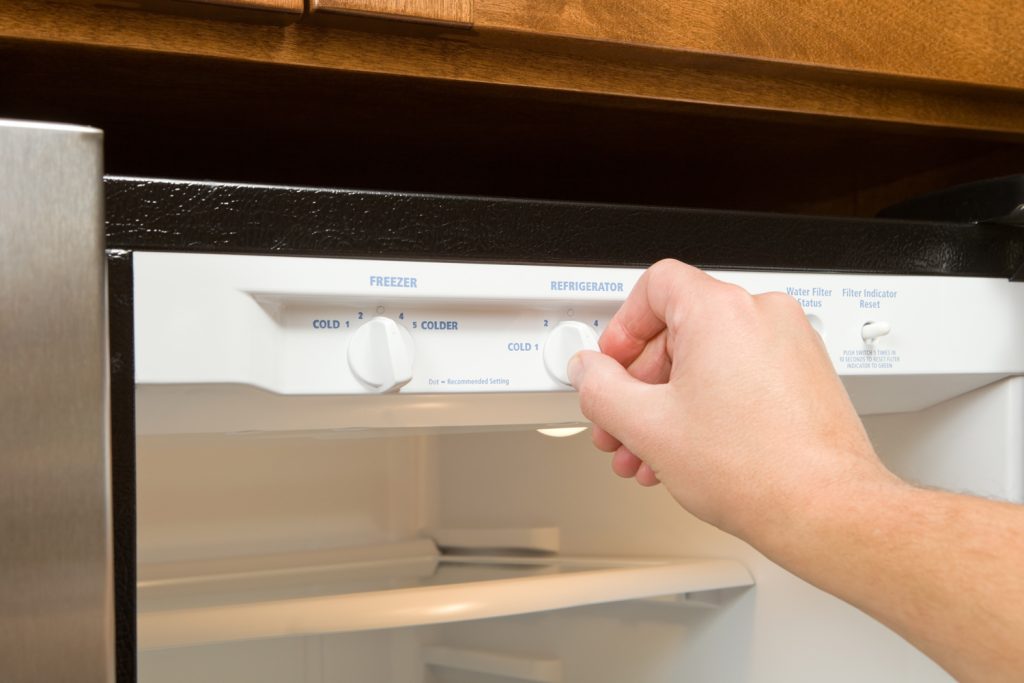
Resetting The Thermostat
Locate the thermostat control inside the freezer. Turn it to the “off” position and wait 5 minutes. Then set it to the recommended temperature, usually between -18°C and -20°C (0°F and -4°F). This reset helps the freezer start cooling properly. Monitor the temperature for a few hours to confirm it works.
Troubleshooting Temperature And Cooling Problems
Chest freezers may stop cooling properly after a move. This issue often relates to temperature and cooling problems. Troubleshooting these problems helps restore your freezer’s function. Follow simple checks to find the cause and fix it quickly.
Inspecting The Door Seal
A broken or loose door seal lets cold air escape. This makes the freezer work harder and lose cold air. Check the seal for cracks, tears, or gaps. Press the seal all around the door. Make sure it sticks firmly. Replace the seal if it looks worn out or damaged.
Cleaning The Condenser Coils
Dirty condenser coils reduce cooling power. Dust and dirt block heat from escaping. Locate the coils, usually at the back or bottom of the freezer. Use a soft brush or vacuum to clean them gently. Clean coils improve the freezer’s efficiency and cooling speed.
Ensuring Proper Ventilation
Freezers need space around them to cool properly. Poor ventilation causes the freezer to overheat and stop cooling. Keep the freezer away from walls and other objects. Leave at least a few inches of space on all sides. Good airflow helps the freezer stay cold and work well.
Credit: www.domex-uk.co.uk
When To Call A Professional
Knowing when to call a professional for your chest freezer can save you time and money. Some problems need expert tools and skills. Trying to fix serious issues alone can cause more damage. Watch for clear signs that the freezer needs expert care. Early action helps keep your freezer working well.
Signs Of Compressor Damage
The compressor is the heart of the freezer. If it fails, the freezer stops cooling. Strange noises like buzzing or clicking can mean damage. The freezer may run nonstop or not start at all. Warm air inside is another sign. These symptoms need a professional’s check.
Refrigerant Leaks And Repairs
Refrigerant keeps the freezer cold. A leak lowers cooling power and wastes energy. Signs include frost buildup or oily spots near pipes. The freezer may feel warm inside. Only trained technicians can find and fix leaks safely. Handling refrigerant requires special tools and knowledge.
Electrical Component Failures
Electrical parts control the freezer’s functions. Faulty wiring or damaged parts cause power issues or strange behavior. The freezer may turn off suddenly or not start. Flickering lights or burning smells are warning signs. Professionals test and replace electrical components safely and correctly.
Preventing Future Issues During Moves
Moving a chest freezer can cause problems if not done carefully. Preventing issues during a move helps keep the freezer working well. Simple steps protect the appliance from damage and keep food safe inside. Follow these tips to avoid common mistakes.
Properly Securing The Freezer
Secure the freezer tightly during transport. Use straps or ropes to hold it in place. This stops it from shifting or tipping. Padding around the freezer helps prevent scratches and dents. Keep it stable to avoid internal damage to parts.
Maintaining Upright Position
Always keep the freezer upright while moving. Lying it on its side can harm the compressor. Oil inside may flow into cooling lines, causing blockages. Standing it up avoids this risk and keeps the freezer safe. Use a dolly or hand truck for easier upright moves.
Timing The Restart Correctly
Wait before plugging the freezer back in after moving. Let it sit upright for at least 4 hours. This allows oils and fluids to settle inside. Restarting too soon can cause the compressor to fail. Patience here ensures the freezer runs smoothly again.
Credit: www.whirlpool.com
Frequently Asked Questions
Why Is My Chest Freezer Not Cooling After Moving?
The freezer may need time to settle or could have a disrupted coolant flow after moving.
How Long Should I Wait Before Using A Moved Chest Freezer?
Wait at least 24 hours to let the coolant settle and the freezer stabilize.
Can A Chest Freezer Be Damaged During Transport?
Yes, bumps or tilting can harm internal parts, causing cooling issues.
What Should I Check If My Freezer Is Not Freezing?
Verify power connection, temperature settings, and that the door seals tightly.
How To Fix A Chest Freezer That Stopped Working After Moving?
Try unplugging it for a few hours, then plug it back and check again.
Conclusion
A chest freezer may stop working after moving for several reasons. Check the power source and ensure the freezer is level. Give it time to cool down after being moved. Clean the coils and check the temperature settings. Small fixes often solve the problem.
If it still does not work, call a professional for help. Taking these steps can help keep your freezer running smoothly. Don’t ignore the issue to avoid food spoilage or more damage. Simple care can save you time and money.