
Have you ever noticed something unusual in your cat’s eyes and wondered if it’s a problem? Seeing changes in your cat’s eyes can be worrying, but you’re not alone.
Understanding what different eye issues look like can help you act quickly and protect your furry friend’s vision. You’ll find clear pictures of common cat eye problems, making it easier for you to spot trouble early. Keep reading to learn how to recognize these signs and what steps you should take to keep your cat’s eyes healthy.
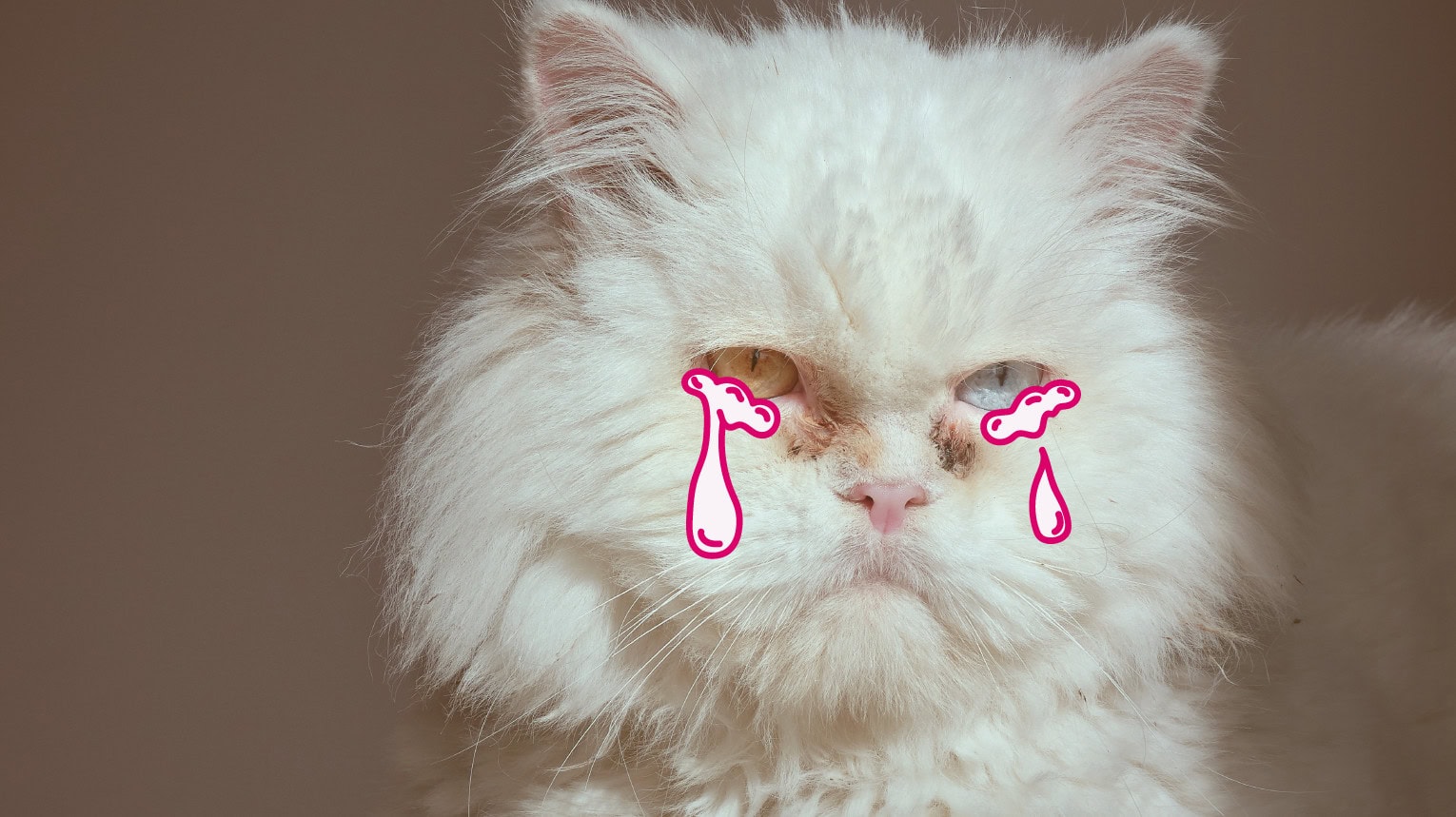
Credit: thevets.com
Common Cat Eye Issues
Cats can face many eye problems that affect their health and comfort. Recognizing common cat eye issues helps owners act fast. Early care can save a cat’s vision and reduce pain.
Below are some frequent eye problems in cats with clear signs to watch for.
Conjunctivitis Symptoms
Conjunctivitis causes redness and swelling in the eye’s lining. Discharge, watery or thick, may appear. Cats often blink more or rub their eyes. The eyelids might stick together, especially after sleep.
Corneal Ulcers
Corneal ulcers look like a sore or scratch on the clear front part of the eye. Cats may squint or keep the eye closed. The eye can be red and tear a lot. You might see a cloudy or white spot on the cornea.
Glaucoma Signs
Glaucoma causes high pressure inside the eye. The eye may look bigger or bulging. Cats may show pain by hiding or avoiding light. Vision loss can happen quickly. The cornea might look cloudy or bluish.
Cataract Appearance
Cataracts cause a cloudy or white patch in the eye’s lens. This clouding blocks light and blurs vision. Cats may bump into objects or seem less active. Cataracts usually develop slowly and affect older cats more.
Uveitis Indicators
Uveitis is inflammation inside the eye. The eye often looks red and swollen. Cats may have small pupils or sensitive eyes. The eye may tear or have a cloudy look. This condition can cause pain and vision problems.
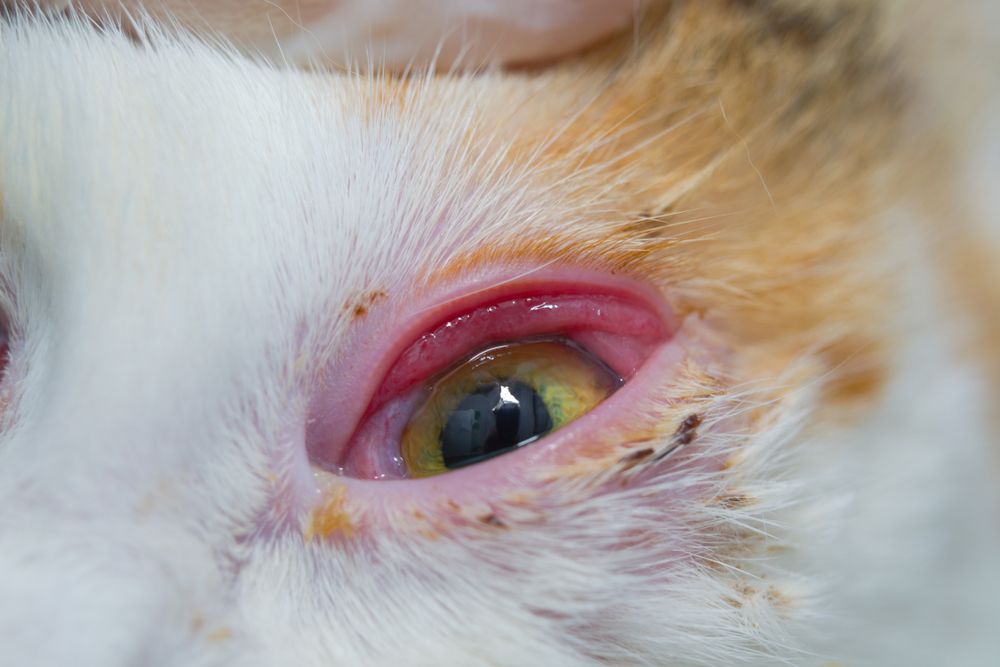
Credit: cats.com
Visual Symptoms To Watch
Cat eye problems can show many visual signs. Watch your cat’s eyes closely. Early spotting helps prevent serious issues. Understanding common symptoms makes care easier.
Redness And Swelling
Redness often means irritation or infection. Swelling around the eye shows inflammation. These signs can cause discomfort for your cat. Notice if your cat rubs the eye more.
Discharge Types
Clear discharge may be normal or mild irritation. Yellow or green discharge often signals infection. Thick discharge can block the eye’s surface. Clean the area gently and observe changes.
Cloudy Or Hazy Eyes
Cloudiness can mean cataracts or corneal problems. Hazy eyes reduce vision and cause discomfort. This symptom needs quick veterinary attention. Keep your cat calm and safe.
Unequal Pupil Size
Pupil size should be equal in both eyes. Unequal pupils suggest nerve or eye damage. This condition affects vision and balance. Watch for other behavior changes too.
Excessive Tearing
Too much tearing may indicate irritation or blockage. Tears help protect the eye but excess can harm skin. Check for redness or crust near the eye. Wipe gently with a soft cloth.
Behavioral Changes Linked To Eye Problems
Eye problems in cats often lead to noticeable behavioral changes. These changes help owners spot discomfort early. Cats cannot tell us they have pain, so behavior is a key sign. Watching your cat closely can reveal issues before they worsen. Understanding these behaviors is important for quick care.
Squinting And Blinking
Cats with eye problems often squint or blink more than usual. Squinting helps reduce light entering the eye, easing pain. Frequent blinking may mean irritation or dryness. Notice if your cat keeps one eye partially closed. These signs show the cat is trying to protect its eye.
Rubbing Or Pawing Eyes
Rubbing eyes with paws is common in cats with eye discomfort. They may also rub their face against furniture or the floor. This action tries to relieve itchiness or remove something irritating the eye. Watch for redness or swelling from constant rubbing. This behavior signals a need for attention.
Avoiding Light
Cats with eye issues often avoid bright areas. Sensitivity to light causes them to hide in dark places. A cat may stay under furniture or in corners more than usual. This change helps protect painful eyes from strong light. If your cat avoids sunlight or lamps, eye problems might be the cause.
Changes In Activity Levels
Eye pain can make cats less active and playful. They may rest more and move slowly. Sudden reluctance to jump or climb can indicate discomfort. Some cats become quiet and less social during eye problems. These shifts in behavior suggest your cat needs a check-up.

Credit: todaysveterinarypractice.com
Risk Factors For Eye Conditions
Cat eye problems can develop from many causes. Knowing the risk factors helps in spotting issues early. Some cats face higher chances of eye conditions. These risks depend on their age, breed, environment, and health.
Age And Breed
Older cats often show more eye problems. Their eyes lose strength with time. Some breeds have weak eye health. For example, Persians often face tear duct issues. Breed traits may affect eye size and shape. These can lead to dryness or infections.
Environmental Hazards
Dust, smoke, and strong sunlight can harm a cat’s eyes. Dirty or dusty living areas raise infection risks. Chemicals or sprays around the house irritate the eyes. Outdoor cats face risks from plants and insects. Clean, safe spaces reduce eye hazards.
Infections And Allergies
Bacteria and viruses cause many eye infections in cats. Allergies also make eyes red and itchy. Common allergens include pollen, dust mites, and food. Eye infections often spread from one eye to another. Quick treatment stops serious damage.
Trauma And Injuries
Fights with other animals can cause eye injuries. Sharp objects like thorns or sticks may scratch the eye. Accidents may lead to swelling or bleeding. Injuries need fast care to avoid permanent damage. Watch for signs like squinting or discharge.
When To Seek Veterinary Help
Cat eye problems can be serious. Knowing when to see a vet helps protect your cat’s vision and health. Some eye issues need quick care. Others develop slowly but still need attention. Watch your cat closely for any signs of trouble. Early action can save your cat’s sight.
Emergency Signs
Look for sudden eye changes. Swelling, bleeding, or sudden blindness need urgent care. If your cat’s eye is cloudy or bulging, act fast. Excessive tearing or discharge can signal infection or injury. Avoid delay. Immediate vet care can prevent lasting damage.
Chronic Symptoms
Some eye problems grow slowly. Redness, constant squinting, or rubbing the eye show discomfort. Persistent cloudiness or color changes also matter. If symptoms last more than a few days, visit the vet. Chronic issues may cause pain or vision loss over time.
Treatment Options
Vets may use drops, ointments, or oral medicine. Cleaning the eye carefully helps reduce irritation. Severe cases might need surgery or special care. Follow the vet’s instructions closely. Proper treatment improves healing and prevents recurrence.
Preventive Care Tips
Keep your cat’s eyes clean and safe. Avoid dusty or smoky areas. Regular check-ups catch problems early. Watch for signs of allergies or infections. A healthy diet supports eye health. Protect your cat from injuries during play or outdoors.
Home Care And Management
Taking care of a cat with eye problems at home needs patience and care. Proper home care helps your cat heal faster and feel better. Understanding how to clean, give medicine, and watch your cat’s progress is important. Avoiding common mistakes keeps the problem from getting worse.
Cleaning Techniques
Use a clean, soft cloth for cleaning your cat’s eyes. Warm water works best to remove dirt and discharge. Gently wipe from the inside corner outward. Use a new part of the cloth for each wipe. Avoid touching the eye directly with your fingers. Clean the eyes twice a day or as the vet says.
Medication Administration
Follow the vet’s instructions carefully when giving medicine. Use eye drops or ointments exactly as told. Hold your cat gently but firmly to avoid sudden moves. Place the medicine in the lower eyelid pocket. Do not touch the dropper to the eye to keep it clean. Wash your hands before and after applying medicine.
Monitoring Progress
Check your cat’s eyes daily for changes. Look for less redness, swelling, or discharge. Note if your cat blinks less or seems more comfortable. Keep a simple diary of these changes. Report any worsening signs or no improvement to the vet. Early action can prevent serious eye damage.
Avoiding Common Mistakes
Do not use human eye drops on your cat. Avoid skipping or doubling medicine doses. Never rub your cat’s eyes hard. Do not delay vet visits if the problem worsens. Avoid using dirty cloths or towels for cleaning. Follow the vet’s advice strictly for the best results.
Frequently Asked Questions
What Are Common Cat Eye Problems Shown In Pictures?
Common cat eye problems include infections, injuries, cataracts, glaucoma, and conjunctivitis.
How To Identify Eye Infections In Cats From Photos?
Look for redness, swelling, discharge, and squinting in cat eye pictures.
Can Pictures Show If A Cat Has Cataracts?
Yes, cataracts appear as cloudy or white spots in the cat’s eye photos.
Why Do Some Cat Eyes Look Cloudy Or Hazy In Images?
Cloudy eyes in pictures may indicate infections, cataracts, or glaucoma in cats.
When Should I Seek Vet Help After Seeing Cat Eye Problems In Photos?
Visit a vet if photos show redness, swelling, discharge, or sudden changes in eye appearance.
Conclusion
Cats can face many eye problems that need quick care. Spotting signs early helps your pet stay healthy. Pictures show what to watch for in cat eyes. Visit a vet if you notice anything strange. Healthy eyes mean a happy, playful cat.
Keep an eye on your cat’s health every day. Small problems can grow if left alone. Care and attention make a big difference for your cat’s vision.