
Is your refrigerator keeping your food fresh, but your freezer isn’t freezing at all? This frustrating problem can put your frozen meals and ice cubes at risk, leaving you wondering what went wrong.
You rely on your freezer every day, so when it stops working, it disrupts your routine and wastes your groceries. But don’t worry—understanding why your freezer isn’t freezing and how to fix it can save you time, money, and stress.
Keep reading to discover the common causes and simple solutions that can get your freezer back to freezing in no time.
Common Causes
When a refrigerator works but the freezer does not freeze, it often signals common issues. These problems stop the freezer from reaching the right cold temperature. Knowing these causes helps in fixing the problem quickly. Below are the main reasons why your freezer might not freeze properly.
Frost Buildup
Frost can form inside the freezer over time. It blocks airflow and keeps cold air from circulating. This frost buildup lowers the freezer’s cooling power. Regular defrosting is important to prevent frost from piling up.
Faulty Thermostat
The thermostat controls the freezer’s temperature. If it is broken or set incorrectly, the freezer may not get cold. A faulty thermostat can cause the freezer to stop cooling or freeze too little.
Blocked Vents
Vents allow cold air to move from the freezer to the refrigerator. If these vents get blocked by food or ice, airflow stops. Blocked vents cause uneven cooling and stop the freezer from freezing properly.
Malfunctioning Evaporator Fan
The evaporator fan pushes cold air inside the freezer. If the fan is broken, cold air will not circulate. This stops the freezer from getting cold enough to freeze items.
Defrost System Issues
The defrost system melts frost regularly. If this system fails, frost builds up and blocks air. Defrost problems often cause the freezer to stop freezing and need repair.

Credit: www.youtube.com
Basic Troubleshooting Steps
When the refrigerator works but the freezer does not freeze, simple checks can help. Basic troubleshooting steps can save time and avoid costly repairs. Start with easy tasks anyone can do at home.
Check Temperature Settings
Look at the freezer’s temperature control. It should be set between 0°F and 5°F (-18°C to -15°C). If set too high, the freezer will not freeze properly. Adjust the settings and wait several hours for changes to take effect.
Inspect Door Seals
Check the freezer door seals for cracks or gaps. Damaged seals let cold air escape. Close the door on a piece of paper. If it slides out easily, the seal may need cleaning or replacement. Good seals keep the freezer cold.
Clean Coils
Locate the condenser coils, usually at the back or beneath the fridge. Dust and dirt on coils reduce cooling efficiency. Unplug the appliance and use a brush or vacuum to clean the coils. Clean coils help the freezer work better.
Clear Blocked Vents
Check the vents inside the freezer and refrigerator. These vents allow cold air to circulate. Blocked vents stop cold air flow, causing uneven cooling. Remove any items blocking the vents for proper air movement.
Quick Fixes
When your refrigerator works but the freezer does not freeze, quick fixes can save time and money. These simple steps help identify and solve common freezer problems. Most fixes require no special tools and are easy to do.
Defrost The Freezer
Ice build-up can block cold air inside the freezer. Defrosting removes this ice and restores cooling. Turn off the fridge and leave the freezer door open. Use towels to catch melting water. After ice melts, turn the fridge back on and check the temperature.
Reset The Thermostat
The thermostat controls the freezer temperature. Sometimes it needs a reset. Turn the thermostat off for a few minutes, then turn it back on. Set it to the recommended temperature, usually around 0°F (-18°C). This can fix simple temperature issues.
Unblock Airflow
Cold air must flow freely between the fridge and freezer. Blocked vents stop cold air from reaching the freezer. Remove any items blocking vents inside the fridge. Clean vents to ensure smooth airflow. Proper airflow keeps the freezer cold.
Replace Faulty Fans
The freezer fan spreads cold air inside. A broken fan causes poor cooling. Listen for fan noise when the freezer runs. No sound may mean the fan is broken. Replace faulty fans to restore airflow and freezing power.
Credit: www.reddit.com
When To Call A Technician
Knowing when to call a technician can save time and money. Some freezer problems need expert help to fix. Trying to repair complex issues alone may cause more damage.
Understanding the signs that require professional service is important. This guide helps you decide when to get expert help for your freezer.
Persistent Freezing Issues
If your freezer stops freezing after several attempts to fix it, call a technician. Persistent problems could mean a faulty thermostat or compressor. Experts have the tools to diagnose and repair these parts safely.
Strange Noises
Unusual sounds from the freezer can signal mechanical failure. Buzzing, clicking, or rattling noises often need professional attention. Technicians can identify the source and stop further damage.
Electrical Problems
Frequent power trips or burning smells from the freezer indicate electrical faults. These issues pose safety risks and require immediate expert inspection. A technician will check wiring and components to prevent hazards.
Preventive Tips
Keeping your freezer working well helps save food and money. Simple steps can stop problems before they start. These tips help your freezer stay cold and your fridge run smoothly.
Regular Cleaning
Clean your freezer often. Remove old or spoiled food. Wipe the inside with a soft cloth. Avoid harsh chemicals. Clean the door seals too. Dirt can stop the door from closing tight.
Proper Food Storage
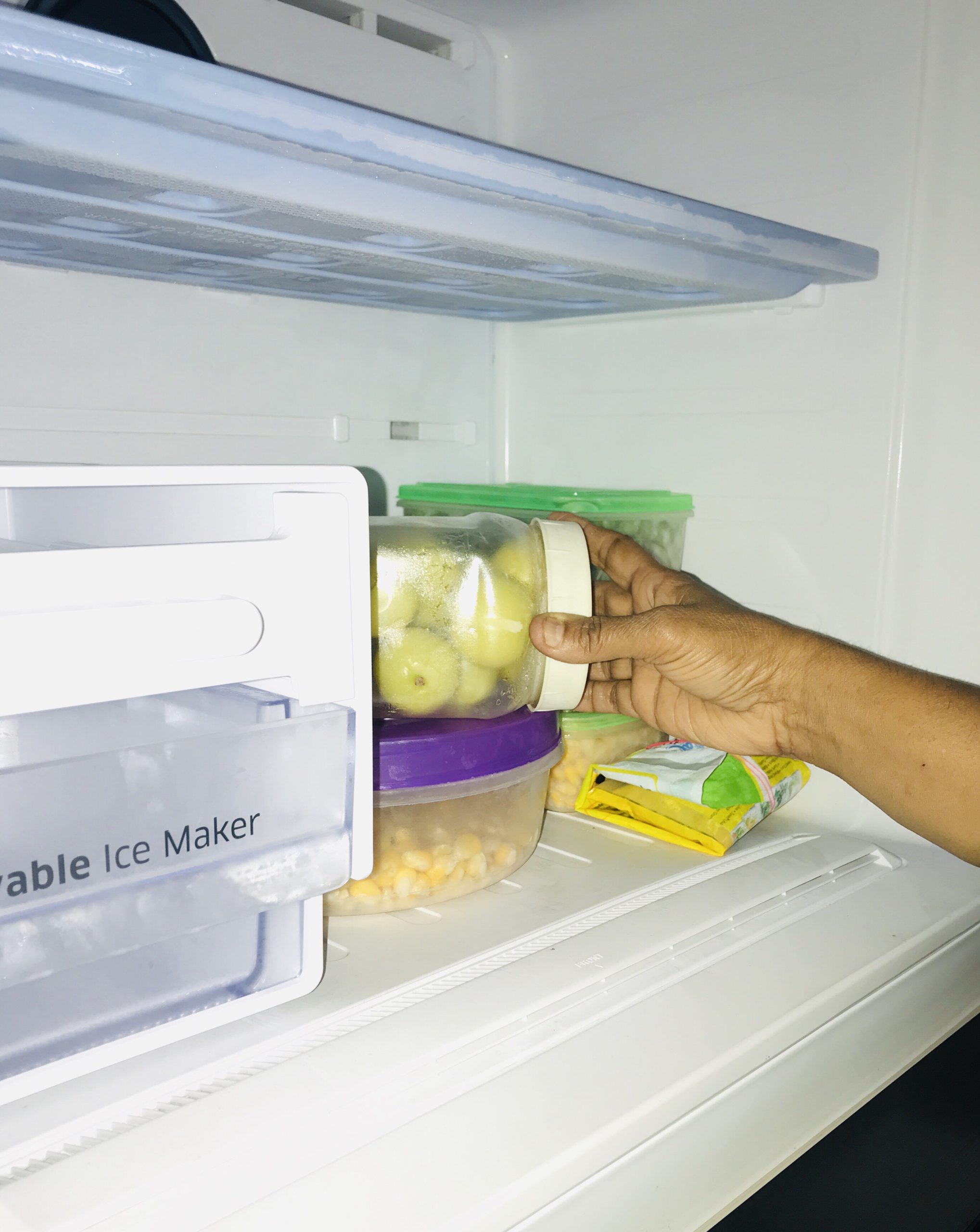
Store food in airtight containers. This stops moisture and frost build-up. Label items with dates. Use older food first. Keep raw meat separate to avoid spills and odors.
Avoid Overloading
Do not stuff the freezer full. Air must flow around the food. Good air flow keeps the freezer cold. Overloading makes the freezer work harder. It can cause uneven cooling or thawing.
Routine Maintenance
Check the freezer temperature regularly. Keep it at 0°F (-18°C). Defrost if ice builds up over 1/4 inch. Inspect the door seals for cracks. Replace parts early to avoid bigger issues.
Credit: allareaappliancellc.com
Frequently Asked Questions
Why Is My Refrigerator Working But Freezer Not Freezing?
A freezer not freezing usually means a problem with the cooling system or airflow inside the freezer.
Can A Dirty Condenser Cause Freezer Not To Freeze?
Yes, a dirty condenser can stop proper cooling and cause the freezer to stop freezing.
How Does A Faulty Thermostat Affect Freezer Freezing?
A broken thermostat can stop the freezer from reaching the right cold temperature.
Could A Blocked Freezer Vent Cause No Freezing?
Yes, blocked vents can stop cold air from circulating, causing the freezer to not freeze.
When Should I Call A Professional For Freezer Issues?
Call a technician if basic checks don’t fix the freezer’s freezing problem quickly.
Conclusion
A freezer that stops freezing can cause daily troubles. Check common problems like temperature settings, door seals, or frost buildup. Small fixes often solve the issue without a big cost. Regular cleaning helps keep your freezer working well. If the problem stays, call a professional for help.
Keep your food safe and your fridge running smoothly. Don’t ignore freezer issues; act early to avoid spoilage and waste. A little care goes a long way in home appliance health.