
Is your RV water heater igniter not clicking when you need it most? That small, quiet spark is the key to warm showers and cozy nights on the road.
When it stops working, it can throw off your entire trip. Don’t let a silent igniter leave you cold and frustrated. You’ll discover simple steps to fix the problem and get your water heater back to working smoothly. Keep reading—you’re closer to a warm, comfortable RV experience than you think.
Credit: www.youtube.com
Common Causes Of Igniter Failure
RV water heater igniters sometimes stop clicking, causing frustration. Several common issues cause igniter failure. Understanding these helps fix the problem faster. Most issues are simple to check and repair. Start by inspecting the igniter system carefully. Identifying the cause avoids unnecessary repairs and keeps your water heater working.
Faulty Igniter Switch
The igniter switch controls the spark that lights the heater. If the switch fails, the igniter will not click. Switches can wear out from frequent use or moisture damage. Test the switch with a multimeter for proper function. Replace the switch if it shows no continuity. A broken switch is a common cause of igniter failure.
Dead Batteries
Some RV water heaters use batteries to power the igniter. Dead or weak batteries prevent the igniter from sparking. Always check battery voltage before troubleshooting further. Replace old batteries with fresh ones. Battery failure is a quick fix and often overlooked. Keep spare batteries handy for convenience.
Loose Wiring Connections
Loose or disconnected wires stop the igniter from working. Vibrations from travel can loosen connections over time. Inspect all wiring near the igniter and switch. Tighten any loose wires and secure connectors. Damaged wires may need replacement. Proper wiring ensures the igniter receives power consistently.
Dirty Or Corroded Electrodes
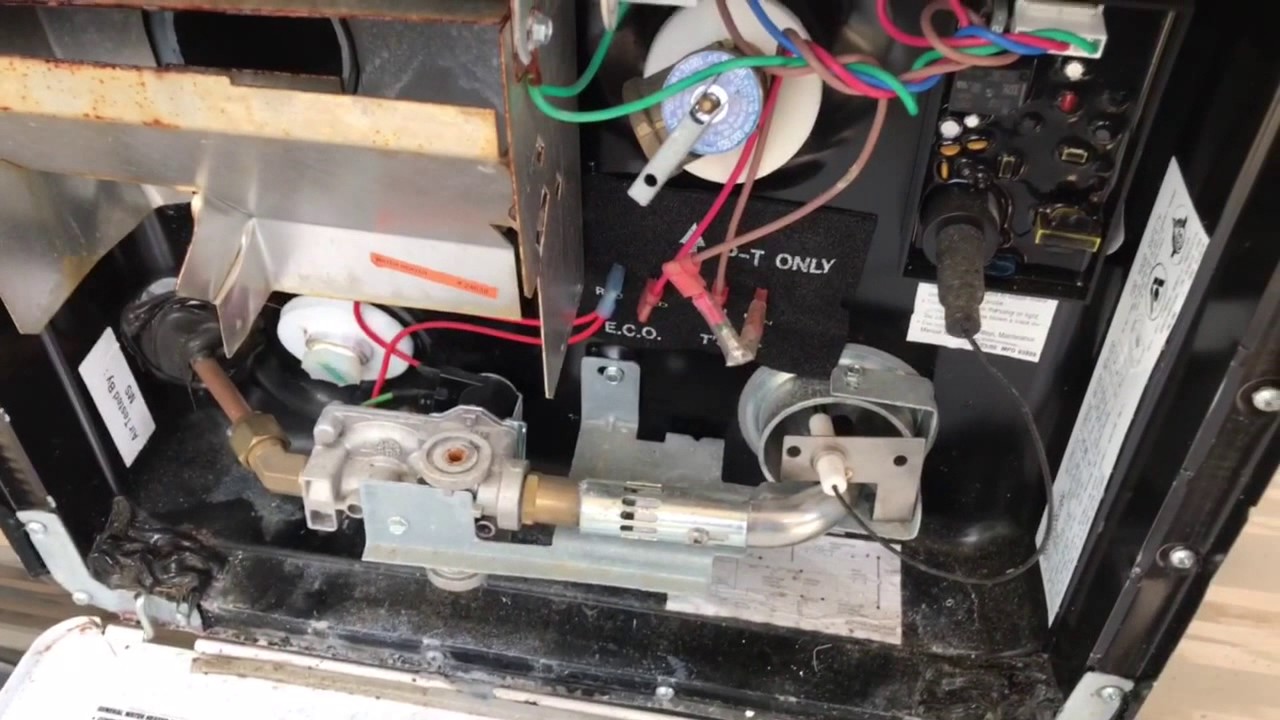
Electrodes create the spark needed for ignition. Dirt, soot, or corrosion can block the spark. Clean electrodes gently with fine sandpaper or a wire brush. Check for cracks or damage that require electrode replacement. Regular cleaning keeps the igniter reliable. Dirty electrodes are a silent cause of failure.
Basic Troubleshooting Steps
When your RV water heater igniter does not click, start with basic troubleshooting steps. These steps help find simple issues fast. You can fix many problems without expert help. Follow each step carefully to check your system.
Check Battery Condition
The igniter needs good power from the battery. Check if the battery is fully charged. Look for signs of corrosion on battery terminals. Clean the terminals if needed. Replace the battery if it is old or weak.
Inspect Wiring And Connections
Loose or damaged wires can stop the igniter from clicking. Carefully check all wires connected to the igniter. Make sure no wires are broken or frayed. Tighten any loose connections. Replace damaged wires to ensure good contact.
Clean The Igniter Electrode
Dirt or rust on the igniter electrode can block the spark. Gently clean the electrode with fine sandpaper or a wire brush. Remove any buildup that may stop the spark. Be careful not to damage the electrode surface.
Test The Igniter Switch
The switch controls the igniter’s spark. Test the switch by turning it on and off. Listen for a clicking sound. Use a multimeter to check if the switch works well. Replace the switch if it does not respond.
Quick Fixes To Try
When your RV water heater igniter does not click, small problems might be the cause. Trying quick fixes can save time and avoid costly repairs. These simple steps often bring your heater back to life fast.
Replace Batteries
Many RV water heaters use batteries for the igniter. Old or weak batteries stop the igniter from clicking. Open the battery compartment and take out the old batteries. Put in fresh batteries of the same type. Test the igniter again to see if it clicks.
Tighten Loose Wires
Loose wires can stop the igniter from working. Check all wires connected to the igniter and water heater. Use a screwdriver to tighten any loose connections. Make sure wires are firmly attached but do not force them. After tightening, try the igniter again.
Clean Or Replace Electrodes
Dirty or damaged electrodes prevent spark creation. Turn off the heater and find the electrodes near the burner. Use fine sandpaper or a wire brush to clean them gently. If electrodes look worn out or cracked, replace them with new ones. Clean or new electrodes help the igniter spark properly.
Reset The Water Heater
Sometimes, the water heater needs a reset to fix minor glitches. Locate the reset button on the heater. Press and hold the reset button for a few seconds. Release it and wait a minute. Turn on the heater and check if the igniter clicks now.

Credit: www.amazon.com
When To Replace The Igniter
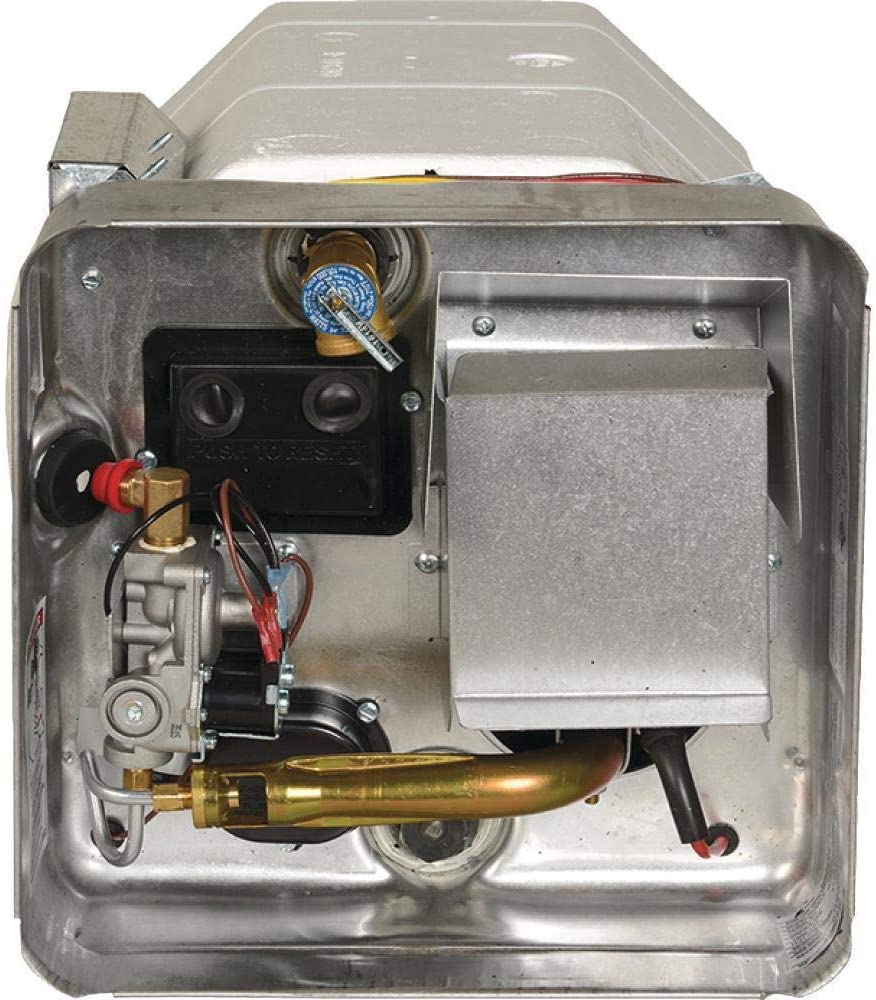
The igniter in your RV water heater is a small but vital part. It creates the spark that lights the burner. Over time, the igniter can wear out or break. Knowing when to replace it saves time and avoids cold showers. Watch for clear signs that show your igniter needs a change.
Signs Of A Worn Igniter
The most common sign is a click that never comes. If you press the igniter button and hear nothing, the igniter might be dead. Another sign is a weak or inconsistent spark. Sometimes the igniter sparks, but the burner does not light. Look for cracks or visible damage on the igniter tip. A worn igniter often fails to light the water heater quickly. If your water heater takes longer to start, the igniter might be losing power.
Cost And Replacement Tips
Replacing an RV water heater igniter usually costs between $10 and $30. The part is affordable and easy to find online or at RV stores. Before buying, check your water heater’s brand and model number. Match the igniter to your specific unit. Turn off the power and gas supply before replacing. Remove the old igniter carefully to avoid damage. Install the new igniter in the same position. Testing the igniter after replacement ensures it works well. If unsure, seek help from an RV technician.
Preventive Maintenance Tips
Preventive maintenance helps keep your RV water heater igniter working well. It stops small problems from becoming big issues. A few simple steps can extend the life of your igniter. Follow these tips to avoid the igniter not clicking.
Regular Cleaning Schedule
Dirt and dust can block the igniter. Clean the burner area and igniter often. Use a soft brush or cloth to remove debris. Keep the igniter dry and free from rust. Cleaning helps the spark jump easily and lights the heater fast.
Battery Maintenance
The igniter needs power to create a spark. Check the battery regularly to ensure it has enough charge. Replace old or weak batteries on time. Clean battery terminals to avoid rust and poor connection. Strong battery power keeps the igniter clicking reliably.
Inspect Wiring Periodically
Loose or damaged wires stop the igniter from working. Look at the wiring for cracks or corrosion. Tighten any loose connections carefully. Replace worn wires with new ones. Good wiring lets electricity flow smoothly to the igniter.
Credit: aliro.pl
Frequently Asked Questions
Why Is My Rv Water Heater Igniter Not Clicking?
The igniter may be dirty, faulty, or the battery might be low. Check these parts first.
How Do I Fix A Non-clicking Rv Water Heater Igniter?
Clean the igniter and wiring. Replace the battery or igniter if needed.
Can A Weak Battery Cause The Igniter To Stop Clicking?
Yes, a weak or dead battery often stops the igniter from working properly.
Is It Safe To Try Lighting The Heater Manually?
Manual lighting is possible but be careful to avoid burns or gas leaks.
How Often Should I Check My Rv Water Heater Igniter?
Check the igniter every season or before long trips to ensure it works well.
Conclusion
Fixing an RV water heater igniter not clicking can be simple. Check the battery, wiring, and igniter button first. Clean any dirt or debris blocking the igniter. Sometimes, replacing old parts helps the heater work again. Regular maintenance keeps your water heater in good shape.
Stay safe by turning off power before repairs. A working igniter means warm water on your trips. Small steps can save you from big problems later. Keep your RV water heater ready for every adventure.