
Are you struggling with a PVC ball valve that’s hard to turn? It’s frustrating when a simple task like opening or closing a valve becomes a challenge.
You might worry about damaging your plumbing or wasting time and effort. But don’t worry—understanding why your valve feels stiff can save you from bigger problems down the line. Keep reading to discover easy fixes and expert tips that will get your PVC ball valve moving smoothly again.
Common Causes Of Stiff Pvc Ball Valves
Stiff PVC ball valves cause frustration and disrupt fluid flow. Knowing why these valves become hard to turn helps fix the issue fast. Several common factors affect valve movement and make operation difficult. Understanding these causes keeps your system running smoothly.
Material Degradation
PVC can wear down over time. Sunlight, chemicals, and pressure weaken the valve parts. This wear causes rough surfaces inside the valve. Roughness increases friction and makes turning tough. Material breakdown can also cause cracks and leaks.
Debris And Sediment Build-up
Particles in the water or fluid settle inside the valve. Dirt, sand, and rust block smooth valve movement. Sediment fills gaps and restricts the ball’s rotation. Cleaning the valve removes these blockages. Regular maintenance stops debris from building up.
Valve Misalignment
Poor installation or impact can shift valve parts out of place. Misaligned components create tight spots inside the valve. These spots make it hard to turn the handle. Checking alignment ensures the ball valve moves freely.
Temperature Effects
Extreme heat or cold changes PVC’s shape. Heat can soften the plastic, causing swelling. Cold makes PVC brittle and stiff. These changes affect valve fit and movement. Keeping valves within temperature limits preserves easy operation.
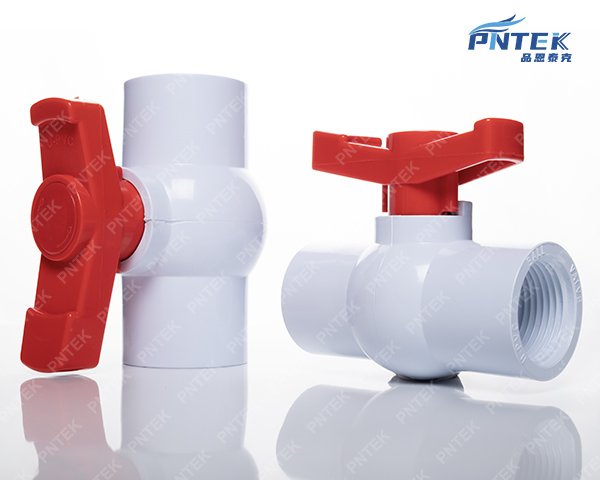
Credit: www.pntekplast.com
Tools Needed For Valve Maintenance
Maintaining a PVC ball valve that is hard to turn requires the right tools. Proper tools make the job easier and protect the valve from damage. Using incorrect tools can cause leaks or break the valve handle. Below are the essential tools for valve maintenance.
Basic Hand Tools
Start with simple hand tools like adjustable wrenches and pliers. These help loosen tight parts carefully. A screwdriver is useful to remove any covers or screws. Avoid using excessive force to prevent cracking the PVC material. Soft grips on tools reduce the risk of slipping and damaging the valve.
Lubricants Suitable For Pvc
Use lubricants made for PVC or plastic parts only. Silicone-based lubricants work well and keep the valve moving smoothly. Avoid petroleum-based oils because they can degrade the PVC. Apply lubricant sparingly to the valve stem and handle area to ease turning without causing mess.
Cleaning Supplies
Keep cleaning supplies handy to remove dirt and buildup. Use mild soap and water or a gentle plastic cleaner. Soft cloths or brushes help clean without scratching the valve. Clean surfaces improve lubrication and prevent wear over time. Avoid harsh chemicals that can damage the plastic.
Step-by-step Valve Inspection
Checking a PVC ball valve that is hard to turn needs care and clear steps. Inspecting the valve helps find the cause of the problem. Follow this simple guide to check the valve safely and correctly.
Shutting Off The System
Stop the water or fluid flow before starting. Closing the main valve or pump stops pressure in the pipe. This step prevents leaks or accidents. Make sure no fluid moves through the valve.
Removing The Valve Handle
Remove the handle to see inside the valve. Use a screwdriver or wrench to take off screws or nuts. Pull the handle gently to avoid damage. This allows a better check of valve parts.
Checking For Visible Damage
Look closely at the valve body and parts. Find cracks, cracks, or worn-out seals that block turning. Dirt or debris can also cause stiffness. Clean or replace damaged parts to fix the problem.
Cleaning And Lubricating The Valve
Cleaning and lubricating a PVC ball valve is key to keeping it easy to turn. Dirt and grime can build up inside the valve. This buildup makes the handle stiff and hard to move. Regular cleaning removes the debris. Lubrication helps the valve parts move smoothly. Follow these steps to clean and lubricate your valve effectively.
Removing Debris
Start by closing the valve completely. Use a soft brush or cloth to wipe off dirt on the outside. Open the valve slowly and flush it with clean water. This removes loose particles inside. For stubborn debris, soak the valve parts in mild soapy water. Rinse thoroughly before drying. Avoid using harsh chemicals that can damage PVC.
Applying Proper Lubricant
Choose a lubricant made for PVC valves. Silicone-based lubricants work well and do not harm plastic. Apply a small amount to the ball and seals. Avoid over-lubricating, which can attract more dirt. Spread the lubricant evenly using a clean cloth. This reduces friction and makes the valve easier to turn.
Reassembling The Valve
After cleaning and lubricating, put the valve parts back carefully. Make sure each part fits snugly in place. Tighten screws or fittings without forcing them. Check the valve handle for smooth movement. Test the valve by opening and closing it a few times. Proper reassembly ensures good function and prevents leaks.
Adjusting Valve Alignment
Adjusting valve alignment is key when a PVC ball valve feels hard to turn. Misalignment can cause extra friction and wear. Fixing this helps the valve open and close smoothly. Careful adjustment extends the valve’s life and improves flow control.
Loosening And Repositioning
Start by loosening the valve mounting bolts slightly. This frees the valve to move without damage. Gently reposition the valve to align with the pipe. Check that the ball inside lines up with the handle. Proper alignment reduces resistance when turning the valve.
Securing Valve Components
Once aligned, tighten the mounting bolts evenly. Avoid overtightening to prevent warping the valve body. Confirm the valve handle moves freely after tightening. Secure all parts firmly to prevent future misalignment. Proper securing keeps the valve easy to operate over time.
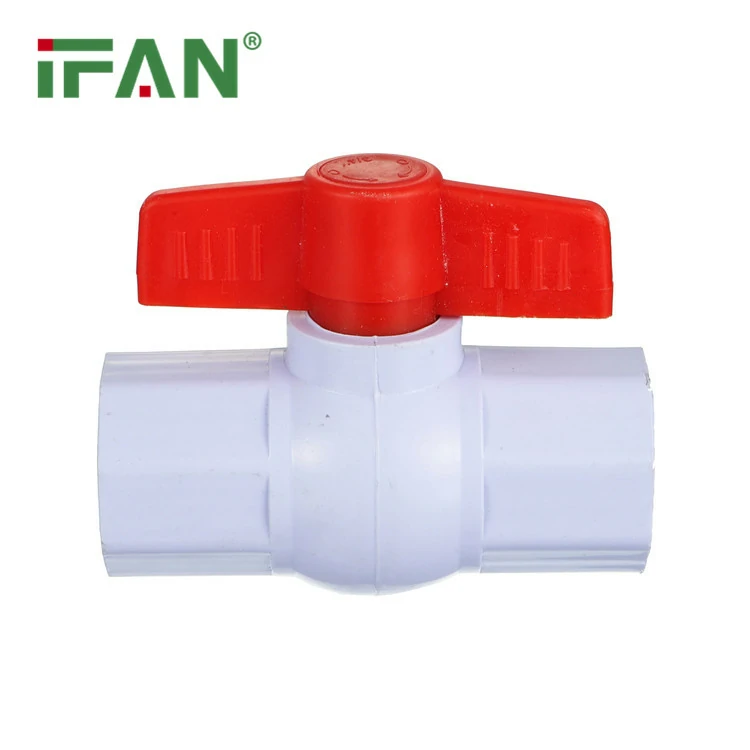
Credit: www.ifanfittings.com
When To Replace The Pvc Ball Valve
Knowing when to replace a PVC ball valve is important for smooth operation. A valve that is hard to turn can cause delays and damage in your system. Replacing the valve at the right time saves money and prevents bigger problems.
Signs Of Irreparable Damage
Look for cracks or breaks on the valve body. Leaks around the valve stem show damage inside. Rust or corrosion on metal parts means the valve is weak. If the valve handle is stuck or hard to move, it may be broken. Worn-out seals cause water or air to leak. Strange noises during use can signal internal damage.
Choosing The Right Replacement Valve
Pick a valve that fits your pipe size exactly. Use valves made from durable materials for longer life. Choose a valve with a smooth handle for easy turning. Check pressure ratings to match your system’s needs. Buy from trusted brands to ensure quality and safety. Consider valves with low maintenance features for convenience.
Preventive Measures For Smooth Valve Operation
Keeping a PVC ball valve easy to turn requires care and attention. Preventive measures stop the valve from sticking or becoming hard to operate. These steps help the valve work smoothly for a long time. Small actions prevent big problems later.
Regular Maintenance Schedule
Check the valve regularly to find issues early. Clean the valve parts to remove dirt and debris. Tighten loose fittings to avoid leaks and stiffness. Replace worn parts before they cause damage. Make a simple calendar for maintenance and follow it strictly.
Using Compatible Lubricants
Choose lubricants that suit PVC materials. Avoid oil or grease that may damage the valve. Use silicone-based or PTFE lubricants for smooth movement. Apply lubricant sparingly to avoid clogging. Lubricate valve parts during regular maintenance sessions.
Avoiding Harsh Environmental Conditions
Protect the valve from extreme heat or cold. Keep it away from direct sunlight for long hours. Avoid exposure to chemicals that can weaken PVC. Store valves indoors when not in use. Cover valves to shield them from dust and rain.

Credit: diy.stackexchange.com
Frequently Asked Questions
Why Is My Pvc Ball Valve Hard To Turn?
Dirt, rust, or lack of lubrication can make the valve stiff and tough to move.
How Can I Fix A Stiff Pvc Ball Valve?
Clean the valve and apply a suitable lubricant to ease the movement.
Does Temperature Affect Pvc Ball Valve Operation?
Yes, cold temperatures can make the valve materials contract, causing stiffness.
Can Old Pvc Ball Valves Become Hard To Turn?
Yes, aging can cause wear and buildup, leading to harder operation.
Should I Replace A Pvc Ball Valve If It’s Hard To Turn?
If cleaning and lubrication don’t help, replacing the valve ensures proper flow control.
Conclusion
A PVC ball valve that is hard to turn can cause many problems. Dirt, rust, or lack of lubrication often block smooth movement. Regular cleaning and proper care help valves work well. Always check for damage or wear before use.
Fixing small issues early saves time and money later. Keep valves moving freely for safe and effective operation. Simple steps prevent valve trouble and improve system performance. Stay alert to signs of stiffness to avoid bigger problems.