
Is your Primo water pump not working when you need it the most? It’s frustrating, isn’t it?
You rely on your water pump every day, and when it stops, everything feels off. But don’t worry—this problem is more common than you think, and you can fix it. You’ll discover simple steps to identify what’s wrong with your pump and how to get it running smoothly again.
Keep reading, because the solution might be easier than you expect. Your comfort and peace of mind are just a few fixes away.
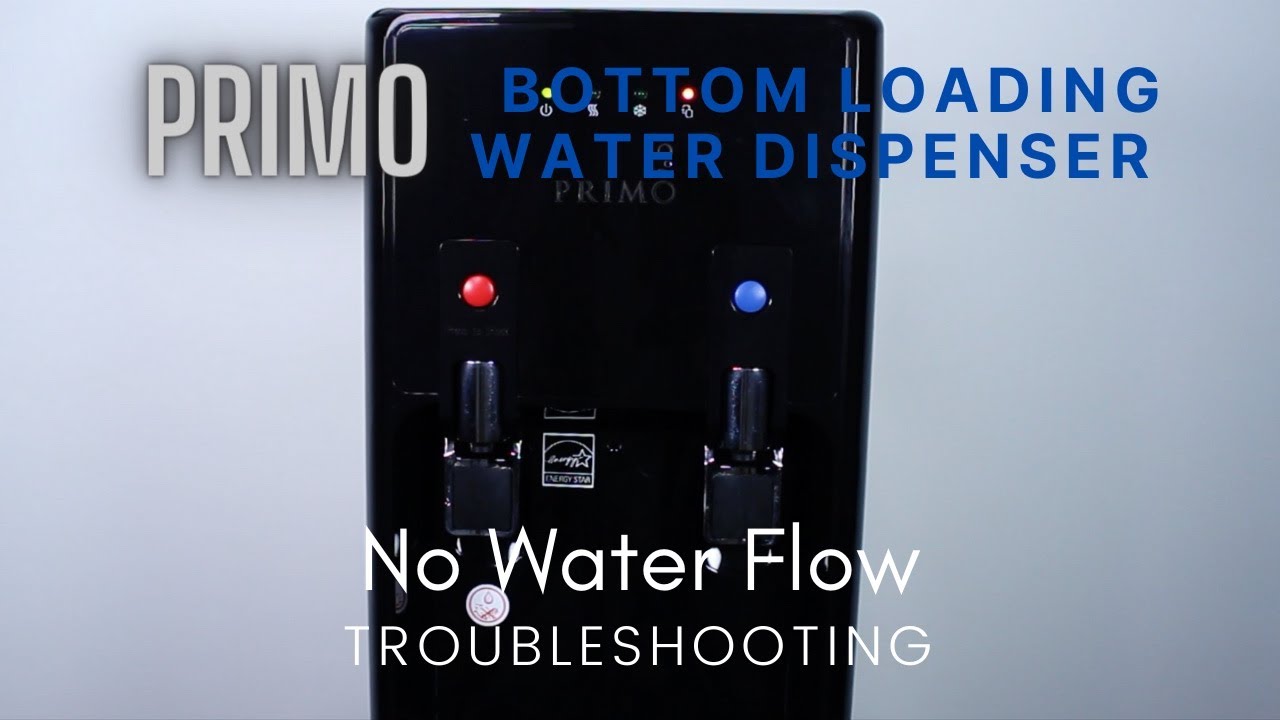
Credit: www.youtube.com
Common Causes Of Primo Water Pump Failure
Primo water pumps are reliable but can stop working due to common issues. Understanding these problems helps in quick troubleshooting. Many failures occur from simple causes. Identifying them saves time and money. Below are common reasons why a Primo water pump might fail.
Power Supply Issues
Power supply problems often cause pump failure. Check if the pump is plugged in properly. A loose or damaged power cord can stop the pump. Circuit breakers or fuses might be tripped or blown. Low voltage or power surges can damage the pump motor. Ensure the power source is stable and consistent.
Clogged Filters And Tubing
Filters and tubing can get clogged with dirt or debris. Blockages reduce water flow and strain the pump. Clogged parts force the pump to work harder or stop. Regular cleaning of filters and tubes helps prevent this issue. Replace filters if they are worn out or too dirty.
Airlock Problems
Airlocks occur when air gets trapped in the pump or pipes. Trapped air blocks water flow and stops the pump. This issue is common after changing water bottles or filters. To fix airlock, release trapped air by loosening tubes slightly. Make sure the pump is properly primed for smooth operation.
Pump Motor Malfunctions
The motor is the heart of the water pump. Overheating or wear can cause motor failure. Dust, moisture, or age can damage the motor parts. A faulty motor makes strange noises or stops working. Regular maintenance and avoiding continuous use prevent motor problems.
Basic Troubleshooting Steps
Basic troubleshooting helps solve many issues with your Primo water pump. It saves time and avoids costly repairs. Follow these simple steps to find common problems fast. Each step checks a different part of the pump system. Take your time and work carefully.
Check Power Connections
Start by making sure the pump is plugged in correctly. Check the power cord for any damage or loose ends. Test the outlet with another device to confirm it works. A faulty power source can stop the pump from running.
Inspect And Clean Filters
Filters can block water flow if dirty or clogged. Remove the filters and look for dirt or debris. Rinse them gently under clean water. Clean filters help the pump work smoothly and last longer.
Reset The Pump
Try resetting the pump to clear any errors. Unplug the pump and wait about 30 seconds. Plug it back in and turn it on. Resetting can fix small glitches that stop the pump from working.
Listen For Unusual Noises
Listen closely while the pump runs. Strange sounds like grinding or buzzing may signal a problem. Noises can mean parts are worn out or stuck. Early detection helps avoid bigger issues later.
Fixing Airlock Issues
Airlock issues often cause Primo water pumps to stop working properly. These air pockets block water flow and reduce pump efficiency. Fixing airlocks helps restore smooth water movement and pump function. Understanding and clearing trapped air is key to solving this problem quickly.
Identifying Airlocks
Airlocks happen when air gets trapped inside the pump or pipes. The pump may make strange noises or stop pumping water. Water flow might slow down or stop completely. Check for bubbles or gurgling sounds near the pump. These signs usually mean air is stuck inside.
Methods To Release Trapped Air
To remove airlocks, start by turning off the pump and opening the air release valve. Let the air escape until water flows steadily. Another way is to gently tap the pipes to loosen trapped air. Sometimes, running the pump at low speed helps push air out. Always keep the system filled with water to prevent air pockets from forming.
Credit: www.reddit.com
Repairing Or Replacing Pump Components
Repairing or replacing pump components can restore your Primo water pump’s function. Small parts often cause big problems. Fixing these parts saves money and time. Knowing which components to check helps you act fast.
Replacing The Pump Motor
The pump motor powers the water pump. A broken motor stops the pump from working. To replace the motor, first unplug the pump. Remove the motor cover carefully. Take out the old motor and disconnect wires. Install the new motor by reversing these steps. Test the pump after replacing the motor. The pump should run smoothly without noise or stops.
Fixing Leaks And Loose Connections
Leaks and loose connections reduce pump pressure. Check all pipes and joints for water leaks. Tighten any loose screws or clamps. Replace worn-out seals and washers to stop leaks. Dry the area before testing the pump again. A tight connection keeps water flowing well. Fixing leaks improves pump efficiency and lifespan.
Preventive Maintenance Tips
Preventive maintenance helps keep your Primo water pump working well. Small steps now avoid big problems later. Regular care saves money and time. It also makes the pump last longer. Focus on three key areas to keep the pump in good shape.
Regular Cleaning Schedule
Clean the pump parts often. Dirt and debris can block water flow. Use a soft cloth and mild soap. Avoid harsh chemicals that can damage the pump. Clean filters and nozzles carefully. A clean pump works more efficiently and lasts longer.
Proper Installation Practices
Install the pump on a flat, stable surface. Check all connections for tightness. Avoid placing the pump near heat or direct sunlight. Follow the manufacturer’s instructions exactly. Proper setup prevents leaks and motor damage. A well-installed pump runs smoothly and quietly.
Using Quality Water Sources
Use clean water without dirt or chemicals. Hard water can cause mineral buildup inside the pump. This clogs pipes and reduces water flow. Filter the water if needed. Good water quality protects the pump parts. It helps the pump work better and last longer.
When To Seek Professional Help
Knowing when to call a professional for your Primo water pump is important. Some problems need expert skills to fix safely and correctly. Trying to fix severe issues alone can cause more damage or waste your time.
Understanding the signs of serious damage helps you decide the right time to seek help. Also, weighing repair costs against replacement is smart. This section guides you through these points clearly.
Signs Of Severe Damage
Strange noises from the pump indicate internal damage. Leaks around the base or pipes show worn seals or cracks. The pump stops working suddenly without any warning. Water pressure drops sharply and stays low. The pump motor overheats or smells burnt. These signs mean the pump needs professional inspection.
Cost Vs. Repair Considerations
Compare the repair cost to a new pump’s price. If repair costs approach half or more of a new pump, replacement might be better. Frequent repairs add up over time and waste money. Professionals can advise on the most cost-effective choice. Sometimes, buying a new pump saves time and future trouble.

Credit: www.ifixit.com
Frequently Asked Questions
Why Is My Primo Water Pump Not Turning On?
Check if the pump is plugged in and the power switch is on.
How Do I Fix A Leaking Primo Water Pump?
Tighten connections and replace worn-out seals to stop leaks.
What Causes Low Water Pressure In Primo Pumps?
Clogged filters or air trapped inside can reduce water pressure.
Can A Primo Water Pump Overheat? How To Prevent It?
Yes, running dry causes overheating. Keep water flow steady to avoid damage.
When Should I Replace My Primo Water Pump?
Replace it if it makes noise, leaks, or stops working repeatedly.
Conclusion
A Primo water pump not working can be frustrating. Check simple issues first, like power and connections. Small fixes often solve the problem quickly. Regular maintenance helps avoid future troubles. Always follow safety steps when handling the pump. If the problem stays, consider professional help.
Keeping your pump in good shape saves time and money. Stay patient and take one step at a time. Your water pump can work well again with care.